
You May Have Missed

Dog not cooperating with nail trimming? The whole process of "bloodline" recognition and desensitization training.
For countless dog owners, the simple act of trimming their dog's nails transforms into a high-stakes drama. The frantic scrambling, the desperate hiding under the bed, the pitiful whines, and the occasional snap of fear—it’s a scene played out in homes everywhere. You're not alone in this struggle. Many resign themselves to a lifetime of scratched floors, awkward "click-clack" sounds on tile, and expensive, stressful trips to the groomer. But what if your dog's intense resistance isn't mere stubbornness or a "bad attitude"? What if it's a profound, deep-seated instinct screaming in panic? Understanding this fundamental truth is the pivotal first step away from the battlefield and toward a peaceful, cooperative solution. This guide merges the **science of canine behavior** with a compassionate, step-by-step training protocol to finally make nail care a neutral—or even positive—experience for you and your dog.
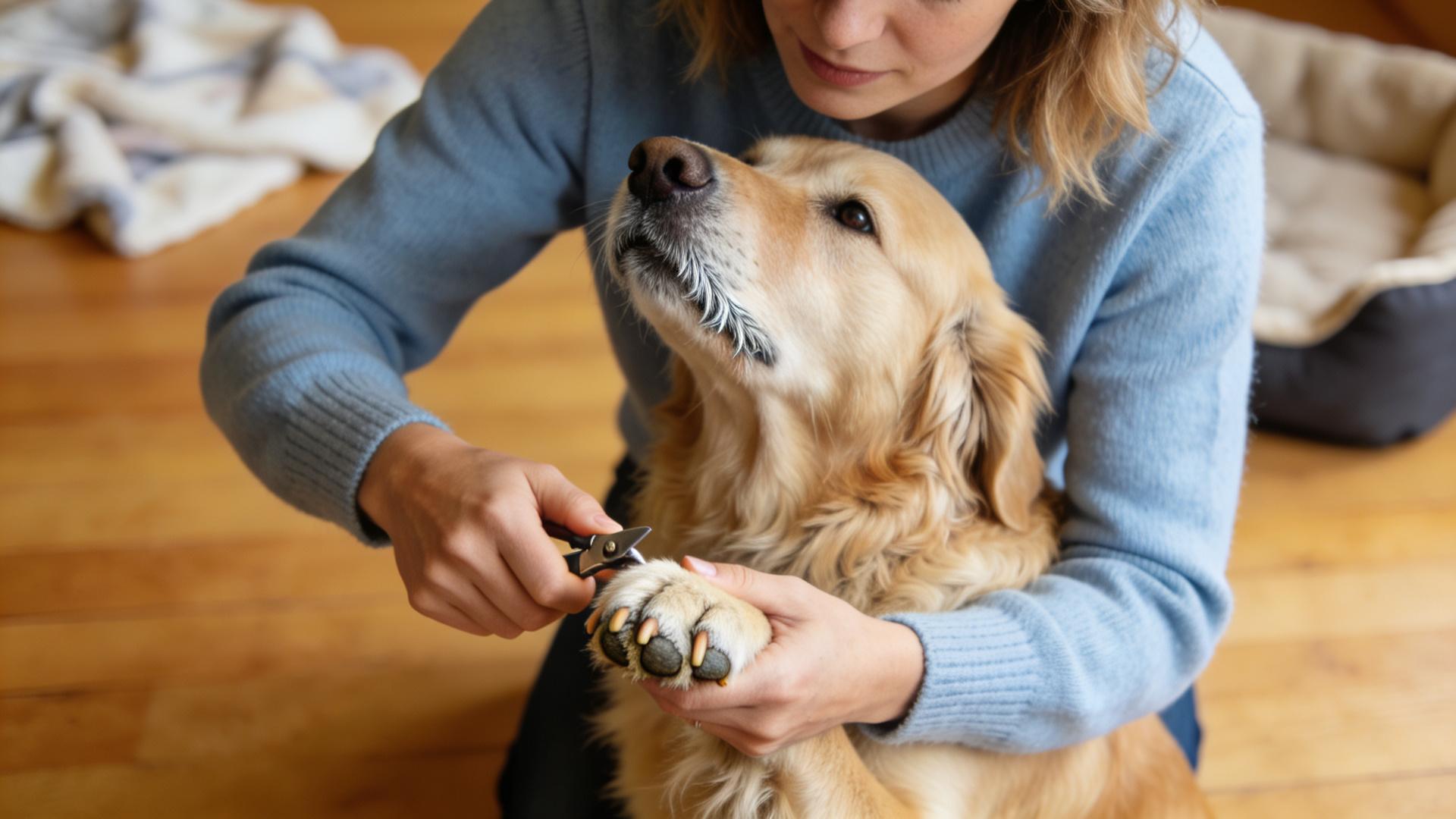
Tips for trimming excessively thickened nails in older dogs: Avoid compressing the nail bed.
As our beloved canine companions enter their golden years, we witness a gentle shift in their needs. One of the most common, yet often daunting, changes for pet parents is the transformation of their dog's nails. What was once a routine grooming task can become a significant challenge. Thickened, hard, and sometimes overgrown nails are not just a Grooming issue; they can affect your dog's posture, comfort, and mobility. The mission, therefore, evolves from simple trimming to a careful, patient process of safe nail reduction. This guide is dedicated to helping you navigate this task with confidence, with the cardinal rule always in mind: Avoid compressing the nail bed.
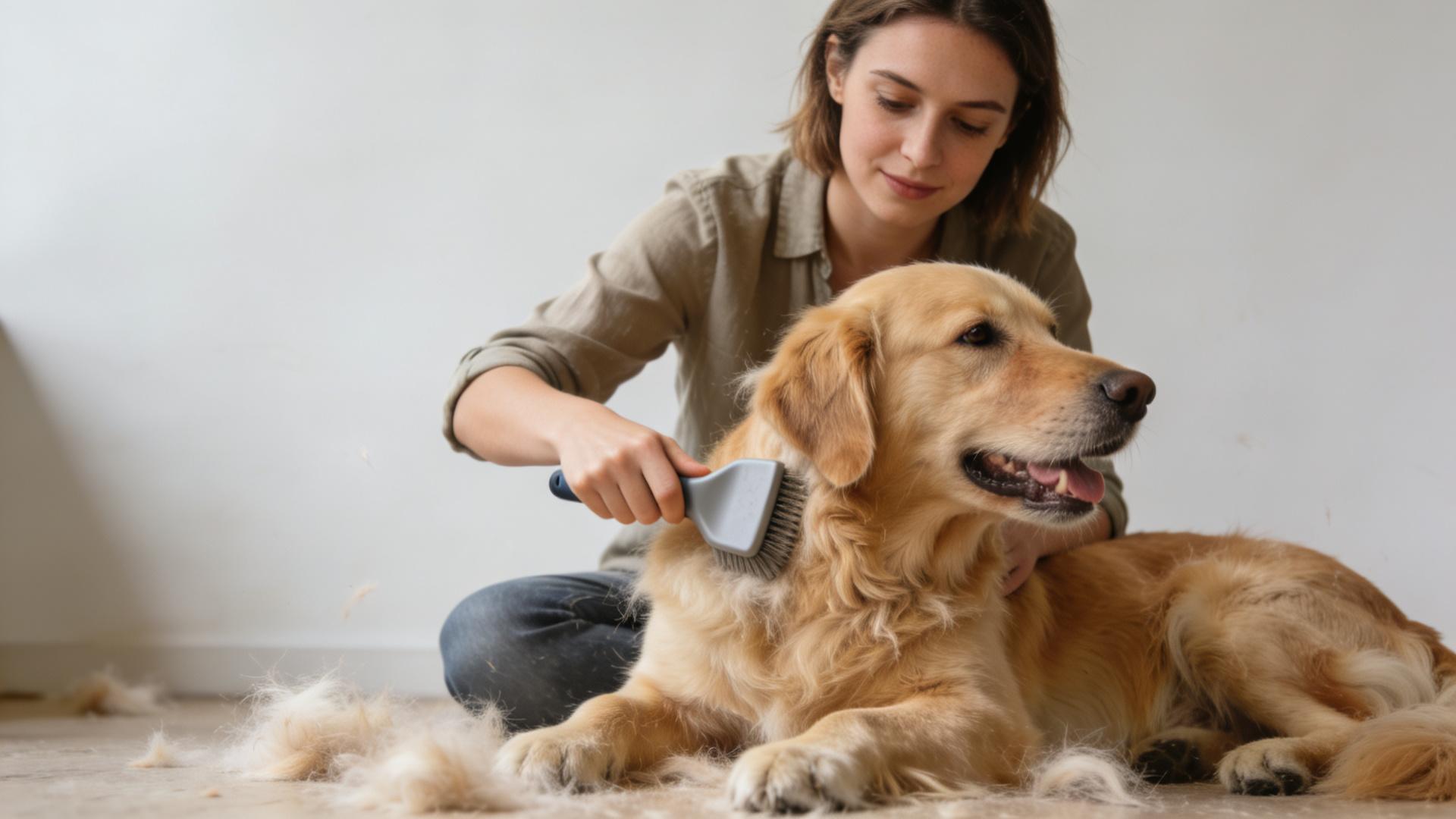
Hair care during the awkward shedding period: Nutritional supplements and grooming suggestions
The sight of tumbleweeds of fur rolling across your floor and the constant presence of dog hair on every dark item of clothing is a universal experience for dog owners. Welcome to the awkward shedding period, a natural but often messy phase in your canine companion's life. This isn't just about aesthetics; it's a biological process where old hair is shed to make way for new growth, regulated by factors like daylight hours (photoperiod) and temperature. Understanding this phase is the first step to transforming a frustrating time into an opportunity for enhanced bonding and superior health for your dog's coat and skin. With a strategic combination of internal nutrition and external grooming, you can successfully navigate this season, resulting in a shinier coat for your pet and a cleaner home for you.
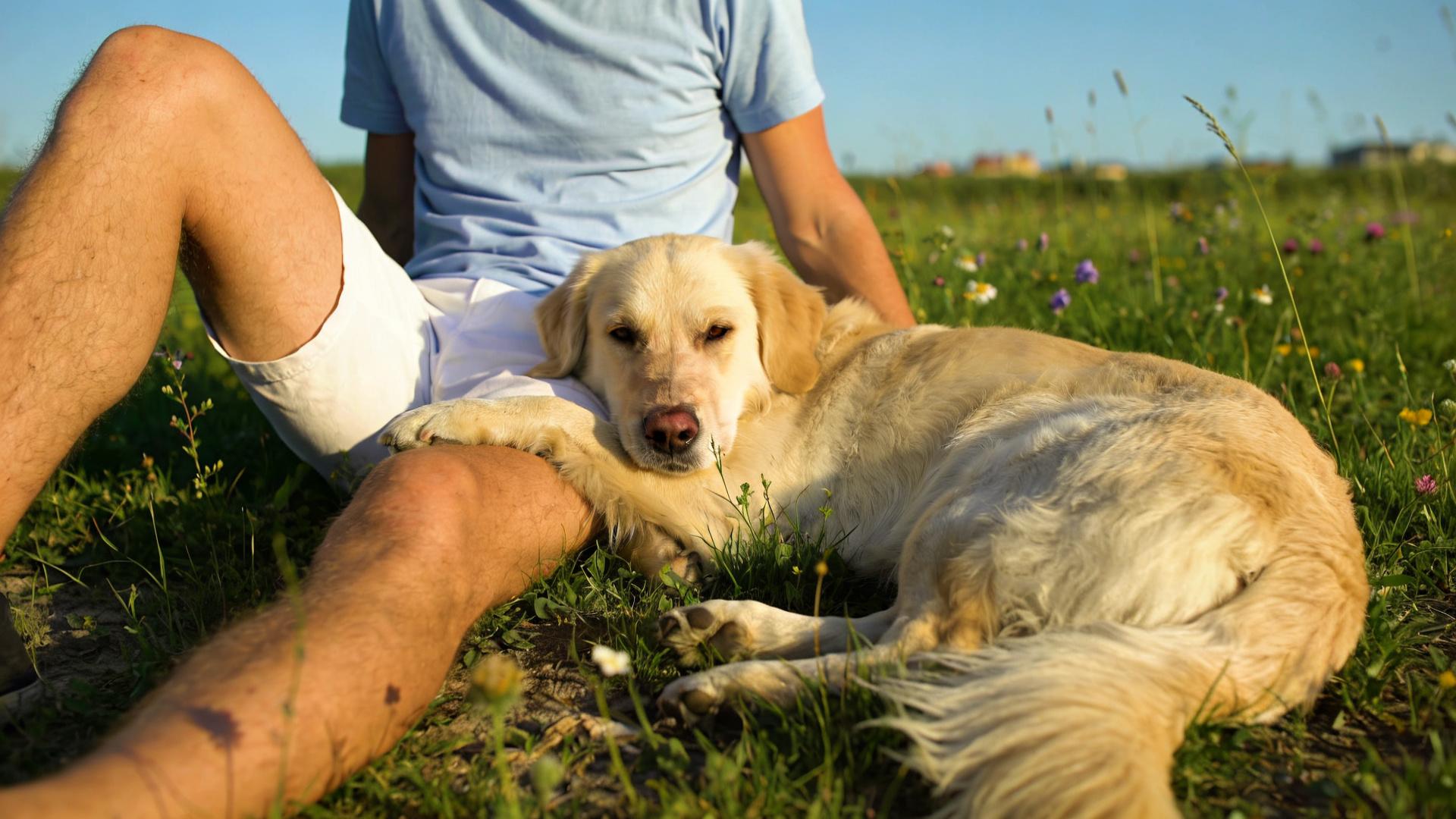
Choosing Sunscreen Clothing for Dogs: The Harm of UV Rays to Light-Skinned Dog Breeds
As a canine care specialist with years of experience, I have witnessed a concerning trend: a steady rise in skin-related issues among our beloved pets, directly linked to sun exposure. One startling statistic from veterinary dermatology reports indicates that cutaneous squamous cell carcinoma is one of the most common skin cancers in dogs, and UV radiation is a primary culprit. This article serves as a crucial guide for every responsible dog owner. Our purpose is to illuminate the often-overlooked dangers of ultraviolet rays, particularly for vulnerable breeds, and to empower you with the knowledge to choose the most effective shield: high-quality sunscreen clothing. Protecting your dog is an act of love, and it begins with understanding the threat.
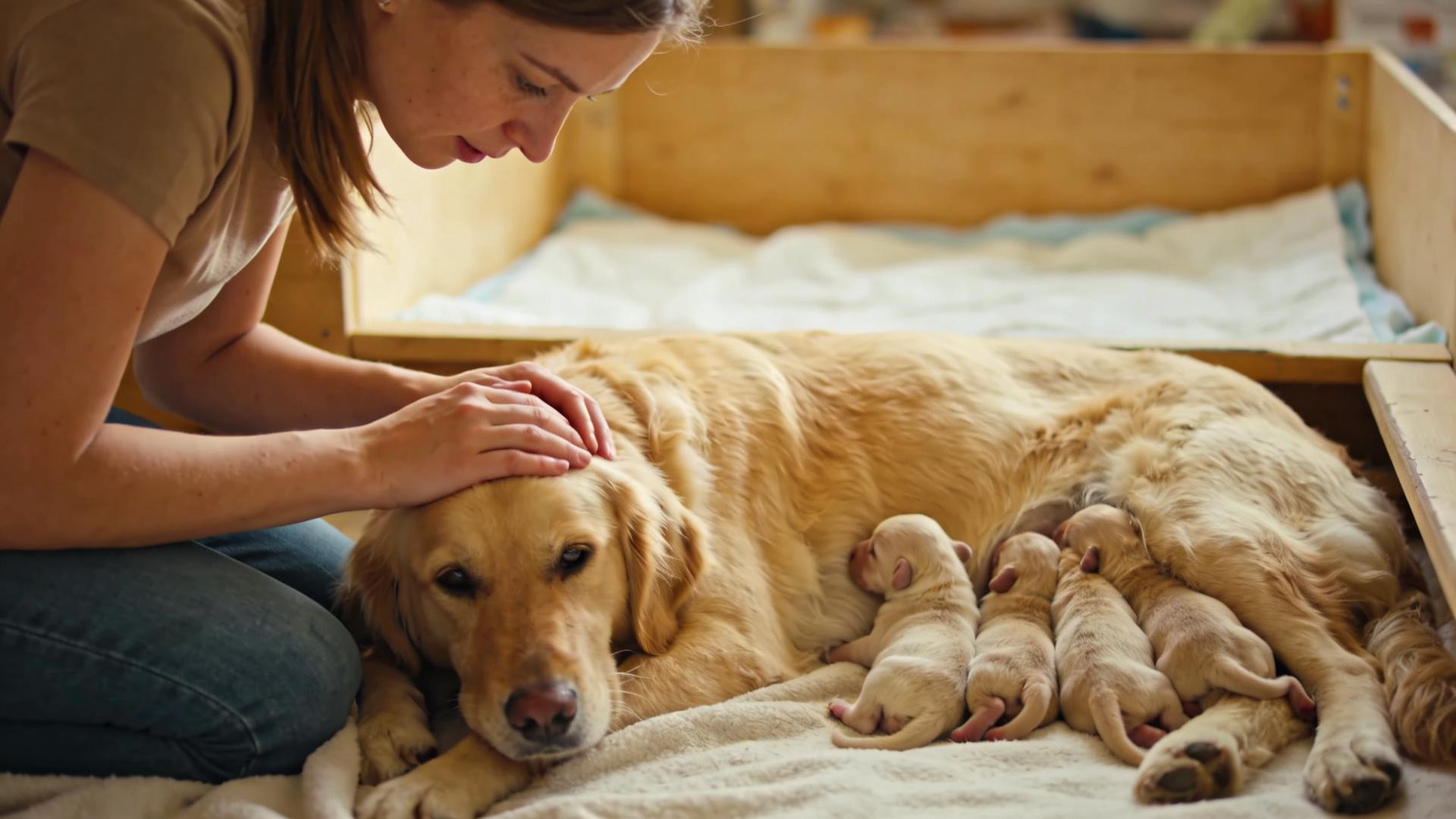
Dry fur in postpartum bitches: Effective calcium supplementation and hair repair
The arrival of a litter of puppies is a joyous occasion, but for the new canine mother, it marks the beginning of an incredibly demanding physical journey. As a dog owner, you may notice your bitch’s once-lustrous coat becoming dull, brittle, and dry in the weeks following whelping. This is more than a Grooming concern; it is a visible signal from her body, a flag raised to indicate significant nutritional and physiological stress. Addressing dry fur postpartum isn't just about restoring shine—it's a critical component of holistic health recovery. This comprehensive guide delves into the root causes, with a particular focus on the pivotal role of calcium, and provides a actionable blueprint for effective supplementation and hair repair.
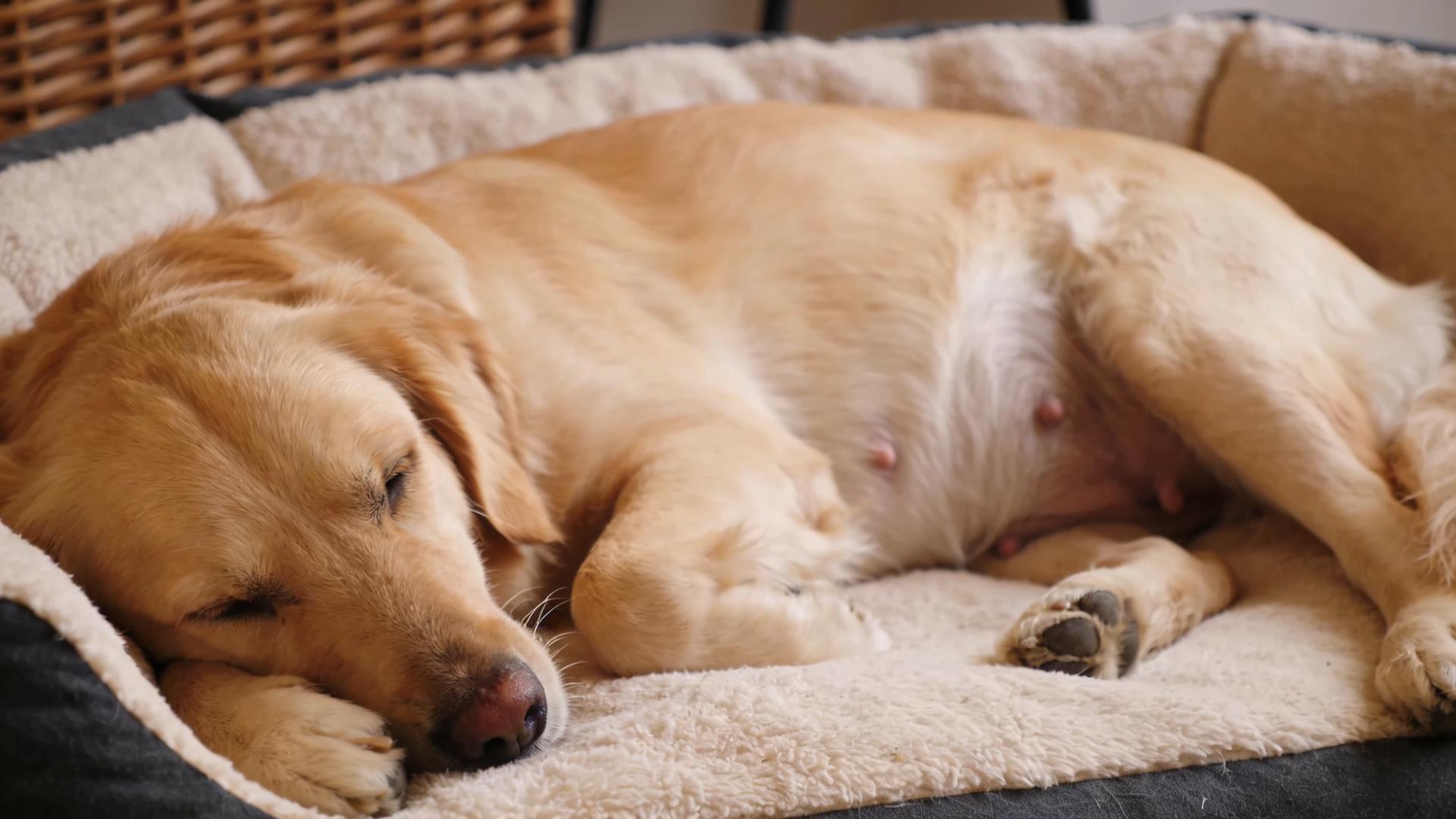
Bathing and grooming taboos for pregnant dogs: Reduce stress and abdominal pressure
The journey of canine pregnancy is a delicate and transformative time, requiring a nuanced shift in your care routine. Among the many considerations, bathing and grooming stand out as activities that, if done improperly, can inadvertently cause harm to both the expectant mother and her developing puppies. The core principles guiding all prenatal care are stress reduction and the minimization of abdominal pressure. This comprehensive guide delves into the critical taboos every dog owner must avoid, transforming grooming from a potential hazard into an act of supportive, gentle care that safeguards maternal health and fetal well-being.