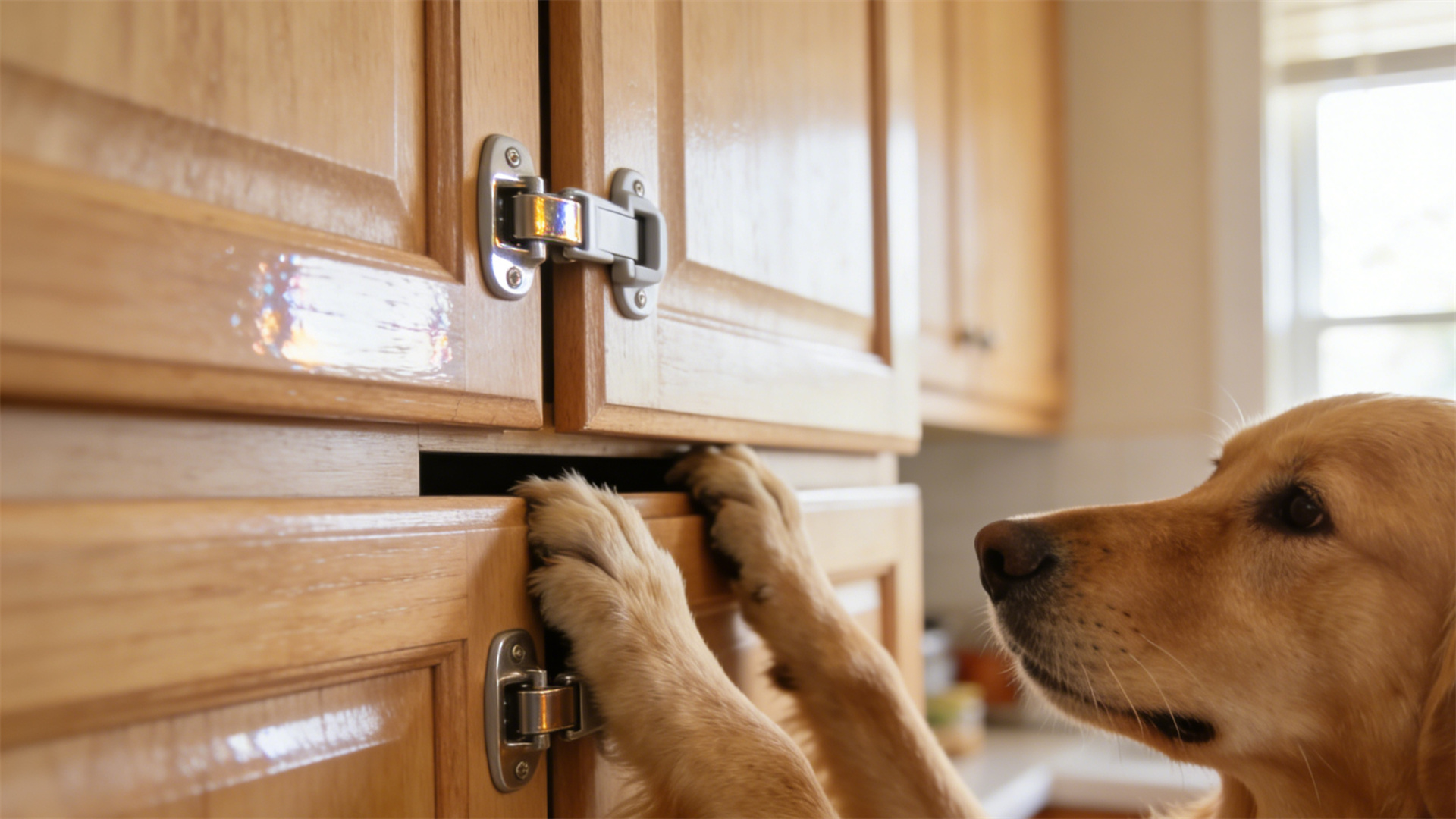
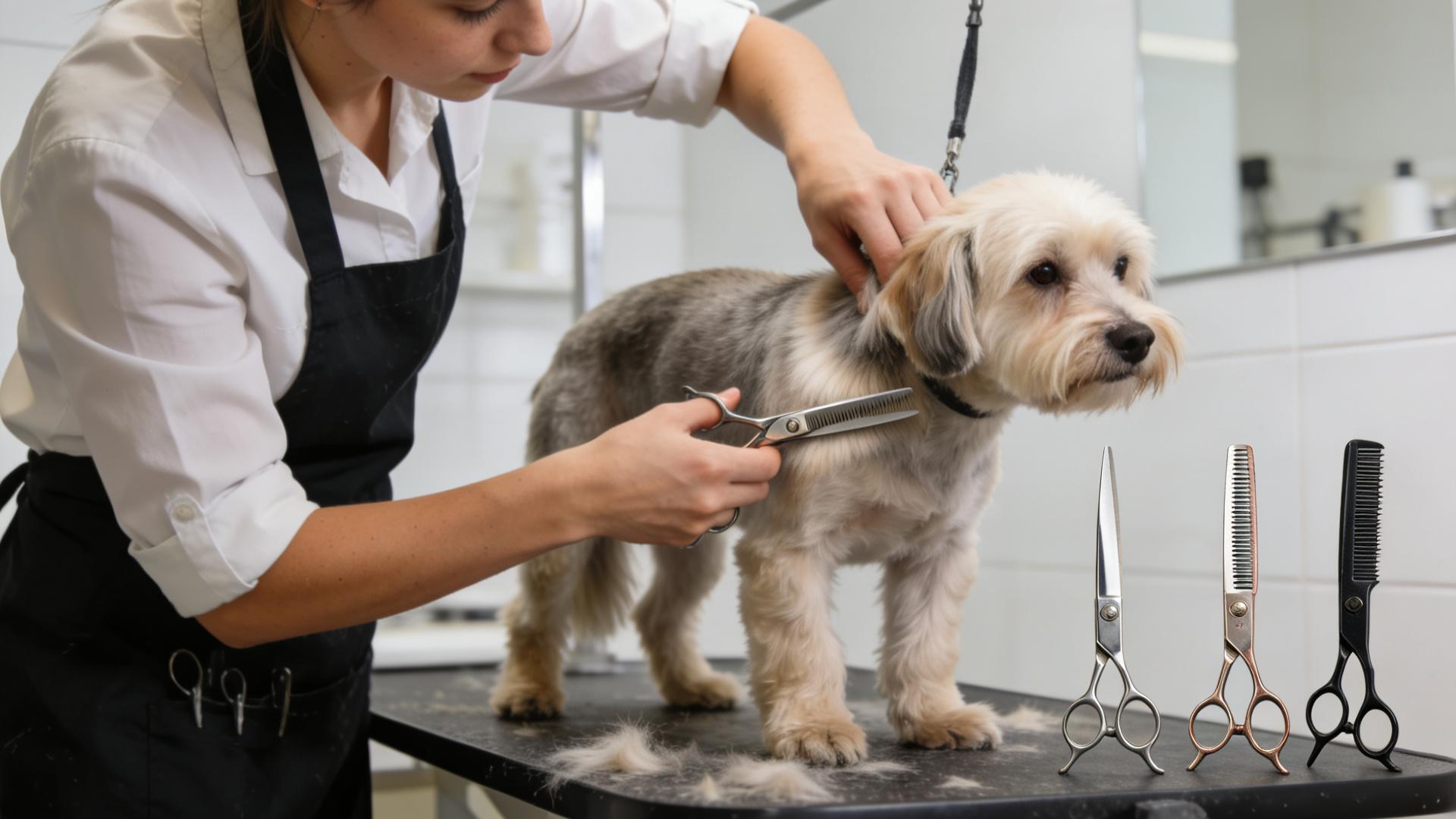
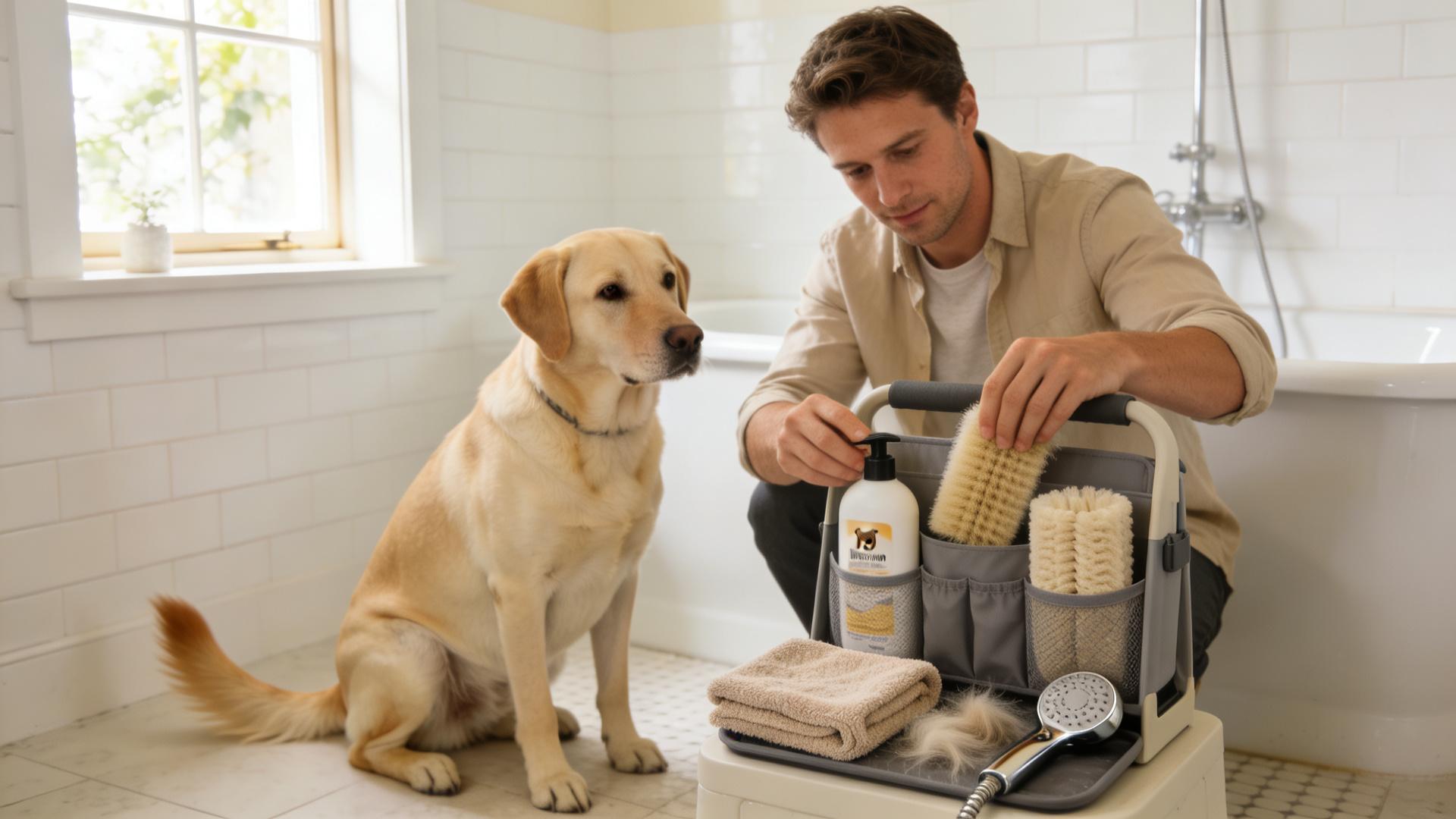
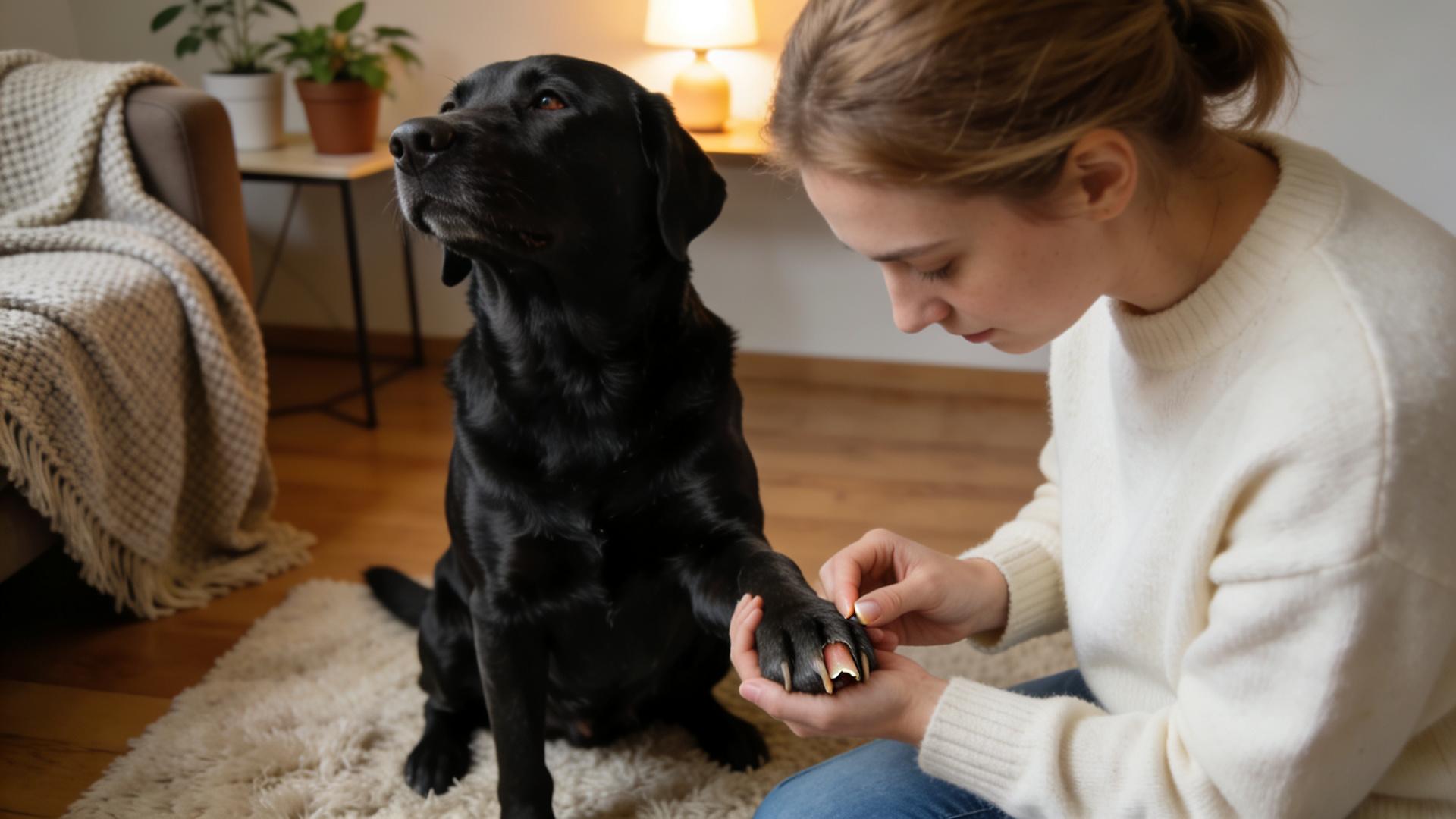
For countless dog owners, the simple act of trimming their dog's nails transforms into a high-stakes drama. The frantic scrambling, the desperate hiding under the bed, the pitiful whines, and the occasional snap of fear—it’s a scene played out in homes everywhere. You're not alone in this struggle. Many resign themselves to a lifetime of scratched floors, awkward "click-clack" sounds on tile, and expensive, stressful trips to the groomer. But what if your dog's intense resistance isn't mere stubbornness or a "bad attitude"? What if it's a profound, deep-seated instinct screaming in panic? Understanding this fundamental truth is the pivotal first step away from the battlefield and toward a peaceful, cooperative solution. This guide merges the **science of canine behavior** with a compassionate, step-by-step training protocol to finally make nail care a neutral—or even positive—experience for you and your dog.
🐕 Part One: Bloodline Recognition – It’s Not Disobedience, It’s Instinct
What "Bloodline Recognition" Really Means
Before we pick up a single tool, we must look at the dog in front of us—not just as "Fido," but as a creature shaped by generations of selective breeding. **Bloodline recognition** is the practice of understanding your dog's inherent, hardwired tendencies based on their breed or mix. This isn't about pedigree papers or snobbery; it's about instinct. A Border Collie has a mind wired for herding, a Terrier for hunting vermin, and a Guardian breed for watching and protecting. These instincts don't turn off when you bring them into your living room; they influence how they perceive the world, including your well-intentioned grooming attempts.

Why Your Dog's Heritage Matters for Nail Trims
At its core, having a paw restrained and an unfamiliar object brought near their nails triggers a primal alarm. The paw is a critical point of contact with the world, essential for flight, fight, and stability. Compromising that paw signals **vulnerability**. When we understand breed-specific sensitivities, we can tailor our approach with true empathy:
- Herding Breeds (e.g., Border Collies, Australian Shepherds): Often exceptionally sensitive to touch and handling. They can be "touch-reactive," where sudden or forced restraint floods their system with anxiety. A heavy-handed approach can shatter trust.
- Independent / Primitive Breeds (e.g., Shiba Inu, Akita, Huskies): Bred for decision-making, they may profoundly resent forced manipulation. Cooperation must be their "choice," engineered through positive reinforcement.
- Sporting / Gundog Breeds (e.g., Retrievers, Spaniels): While often more biddable, their sensitivity can manifest as a dramatic, wiggly aversion. They might not snap, but the full-body thrashing can be just as unmanageable.
- Toy & Companion Breeds: Often handled excessively, they can develop a **learned helplessness** or, conversely, a feisty defensiveness. Their small size also means a misstep with clippers is more likely to hit the quick, causing lasting pain and fear.
The Key Takeaway: When you see resistance, reframe it. It’s not "My dog is being bad." It’s "My dog’s instinctual programming is screaming that this is a threat." This shift in perspective—from **disciplinary to diagnostic**—is the foundation of all successful behavior modification.
🛠️ Part Two: The Science-Based Desensitization & Counter-Conditioning Protocol
Now that we understand the why, we can address the how. Desensitization is the gradual, systematic exposure to a feared stimulus at a low intensity that doesn't trigger fear. Counter-conditioning is changing the dog's emotional response by pairing that stimulus with something amazing (like high-value food). This process cannot be rushed. We are literally rewiring a fear-based neural pathway. Attempting to "power through" will only deepen the phobia. Patience isn’t just a virtue here; it’s the core requirement.

📋 Step One: Foundation – Paw Handling Without Tools
Goal: To make your dog completely comfortable with you touching, holding, and manipulating their paws.
- Timing is Everything: Initiate sessions when your dog is **calm and relaxed**, perhaps after exercise or during a quiet evening.
- The Process:
- Gently touch their leg, then their paw. The instant your fingers make contact, say "Yes!" and give a high-value treat (e.g., boiled chicken, cheese, liver paste). Release the paw immediately.
- Progress to holding the paw for one second. Mark ("Yes!"), treat, release.
- Over many short sessions (2-3 minutes, several times a day), gradually increase the duration of the hold and begin to apply gentle pressure to individual toes, simulating the pressure of a clipper.
- Special Reminder: If your dog pulls away, you moved too fast. Do not force it. Simply go back to a step they were comfortable with and proceed more slowly.
✂️ Step Two: Introduce the "Scary" Object
Goal: To make the clipper or grinder a neutral, even interesting, object.
Leave the tool out on the coffee table for a few days. Let your dog investigate it while it is OFF. Periodically, toss a treat near it, then on it. You are building the association: Nail Clipper = Food Appears. Do this for several sessions over 2-3 days before moving on.

🎵 Step Three: Create Positive Sound & Sight Associations
Goal: To change the emotional response to the sight and sound of the tool in action.
- For Grinders: Turn the grinder on in another room. The moment it starts, start feeding a stream of delicious treats. Turn it off, treats stop. Gradually bring the running grinder closer over multiple sessions as your dog remains calm.
- For Clippers: Simply hold them up and click them in the air at a distance. Each click is followed by a treat. The scary **"click" sound** now predicts chicken!
👉 Step Four: The First Physical Contact – Tool to Nail
Goal: To desensitize the sensation of the tool touching the nail.
With the tool OFF, gently touch the clipper blade or grinder head to a single nail. Just a tap. Immediately mark ("Yes!") and deliver a jackpot of treats. Repeat this until your dog doesn't even flinch at the contact. You may do this step over several days.

🎉 Step Five: The Moment of Truth – The First "Trim"
Goal: To achieve a single, successful nail reduction with zero fear.
Aim for one single nail. Be confident and calm—your dog will mirror your energy.
- For Clippers: Position the tool and trim a minuscule amount, just the very hook-like tip. Celebrate instantly with a jackpot (a handful of treats) and happy praise.
- For Grinders: Turn it on, bring it near the nail, and just grind for half a second. Jackpot and play!
📈 Step Six: Building Duration, Consistency, and Trust
Goal: To work up to a full paw, and eventually all four paws, in one calm session.
Over subsequent sessions, try for two nails, then three. Always **stay below your dog's fear threshold**. If they show signs of stress (lip licking, yawning, trembling, pulling away), you've gone too far. Never punish. Simply say "Oops," put everything away calmly, and in the next session, go back to the previous successful step. Consistency—short, positive sessions every other day—is more important than marathon attempts.

✅ Conclusion: From Battlefield to Bonding
Transforming your dog's view of nail trimming is one of the most powerful trust-building exercises you can undertake. By combining the insightful lens of **bloodline recognition**—which fosters empathy and realistic expectations—with the patient, science-backed **desensitization training protocol**, you are not just trimming nails. You are communicating in a language your dog understands: "You are safe with me. I respect your fears, and I will guide you through them with kindness." Your calm, confident leadership and unwavering use of **positive reinforcement** will help your dog overcome deep-seated instincts, turning a dreaded chore into an exercise in mutual cooperation and respect. The journey requires investment, but the reward—a calm, cooperative dog who trusts you implicitly—is absolutely priceless.