
You May Have Missed
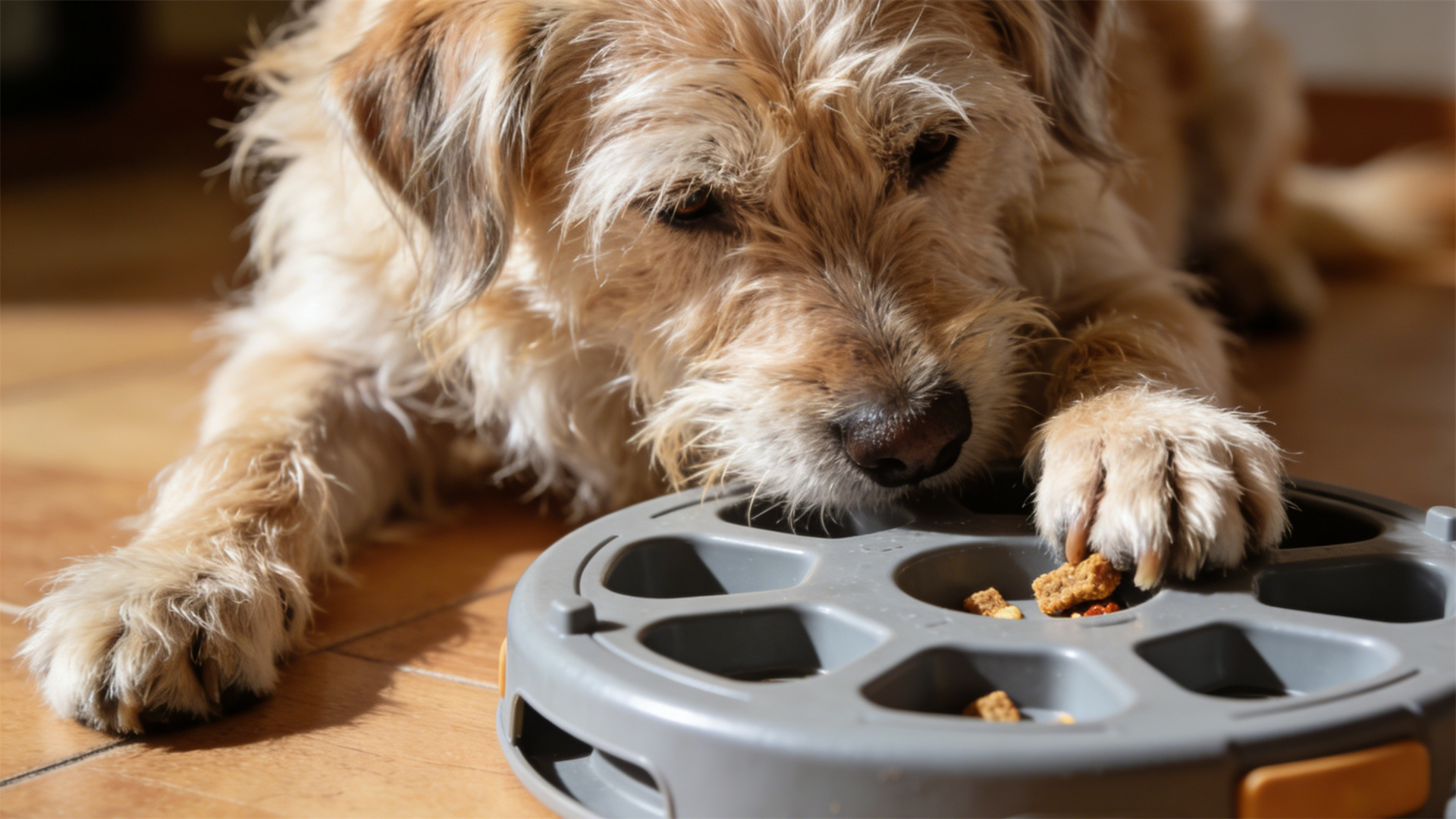
Cognitive training: Using educational toys to slow down brain degeneration in older dogs
You notice it in the small things. Your faithful companion, now with a frosted muzzle, might pause for a moment, seemingly confused in a familiar corner of the yard. Perhaps their sleep-wake cycle has flipped, or they seem less enthusiastic about a game they once loved. These subtle shifts can be easy to dismiss as "just getting old," but they often point to something more specific: Canine Cognitive Dysfunction (CCD), a condition akin to dementia in humans. While this reality can feel daunting, there is a powerful, positive, and profoundly bonding tool at your disposal: cognitive training. Just as physical exercise keeps the body strong, consistent mental exercise is crucial for maintaining brain health. And the best part? It can be as simple and joyful as play. This article will guide you through using educational toys as a cornerstone strategy to enrich your senior dog's life, slow cognitive decline, and strengthen your unbreakable bond.
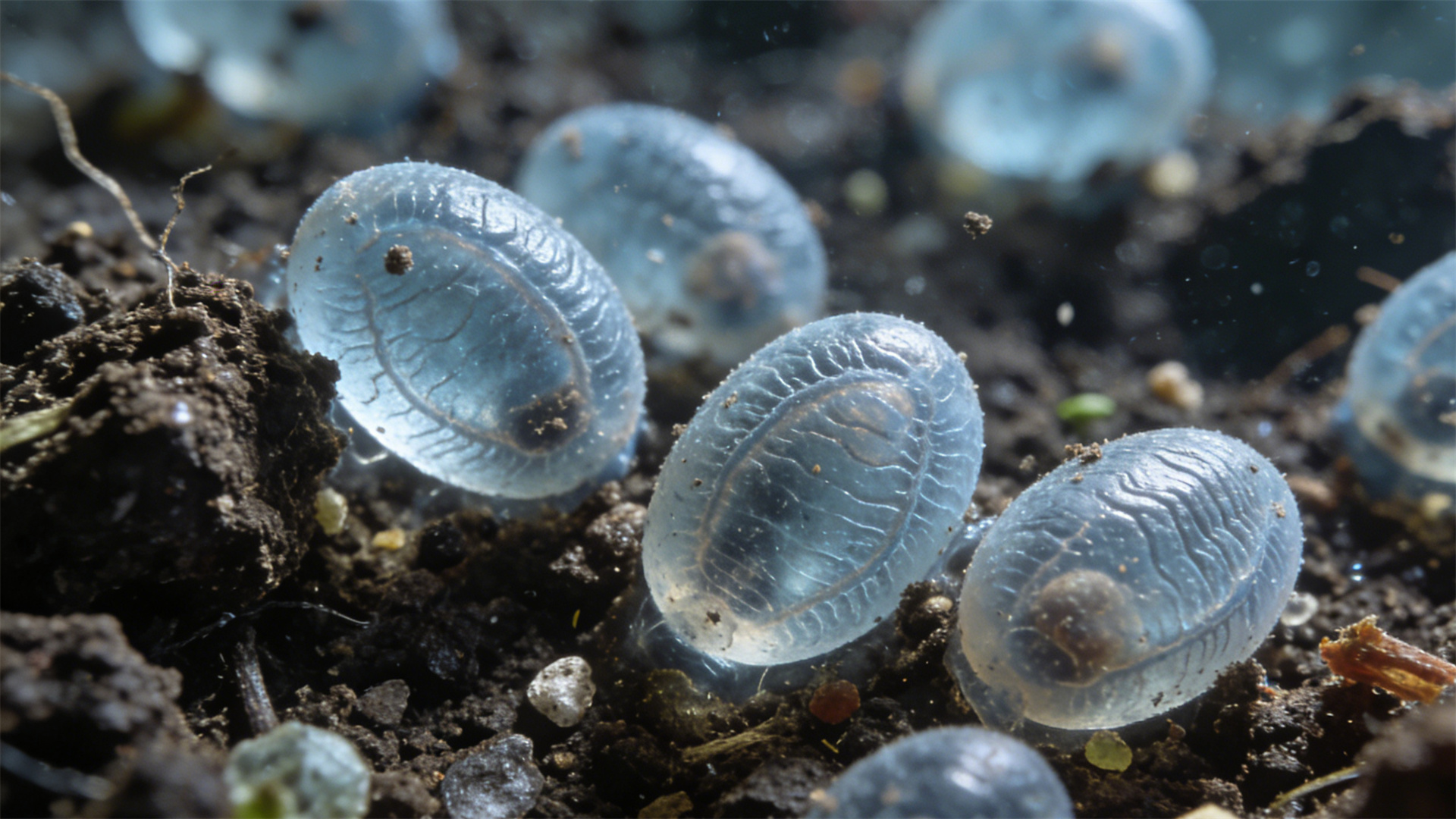
Warning about zoonotic diseases in cats and dogs: How to prevent cross-infection of parasites in multi-pet households
Welcome to your essential guide for safeguarding your furry family and yourself! If your home is blessed with the pitter-patter of both canine and feline paws, you're part of a vibrant multi-pet household. However, this wonderful coexistence comes with a heightened responsibility: managing the risk of zoonotic diseases. These are infections that can transfer from animals to humans, and parasites are often the culprits. The close quarters of a shared home create perfect conditions for parasite cross infection. But fear not—with knowledge and proactive steps, you can create a fortress of safety. This article will equip you with everything you need to know about common threats and actionable zoonosis prevention tips.

Clinical Nutrition Guidelines
Navigating the world of dog food is complex, but when your dog faces a health challenge, nutrition transforms from a matter of sustenance to a powerful component of medical therapy. This article delves into the specialized realm of canine clinical nutrition—a field where food is meticulously formulated as a tool to manage, mitigate, and sometimes even help treat specific diseases. Our goal is to translate veterinary science into clear, actionable guidance, empowering you to become an informed partner in your dog's healthcare journey. Clinical nutrition is not about the latest trend; it's about targeted, evidence-based dietary intervention.

2026 Canine Nutrition Standards: The Golden Ratio of Protein, Fat, and Carbohydrates
Canine nutrition is undergoing a revolution. Gone are the days of one-size-fits-all kibble. As research accelerates, we're moving from simply feeding dogs to precision-nourishing them. The question for discerning dog owners and forward-thinking professionals is no longer just "what to feed," but what precise nutritional architecture will optimize health, longevity, and vitality in the years to come. Enter the forward-looking 2026 canine nutrition standards, centered on a refined, dynamic macronutrient balance known as the Golden Ratio. This isn't a fleeting trend; it's the scientific culmination of decades of research, pointing toward a future of personalized canine wellness.
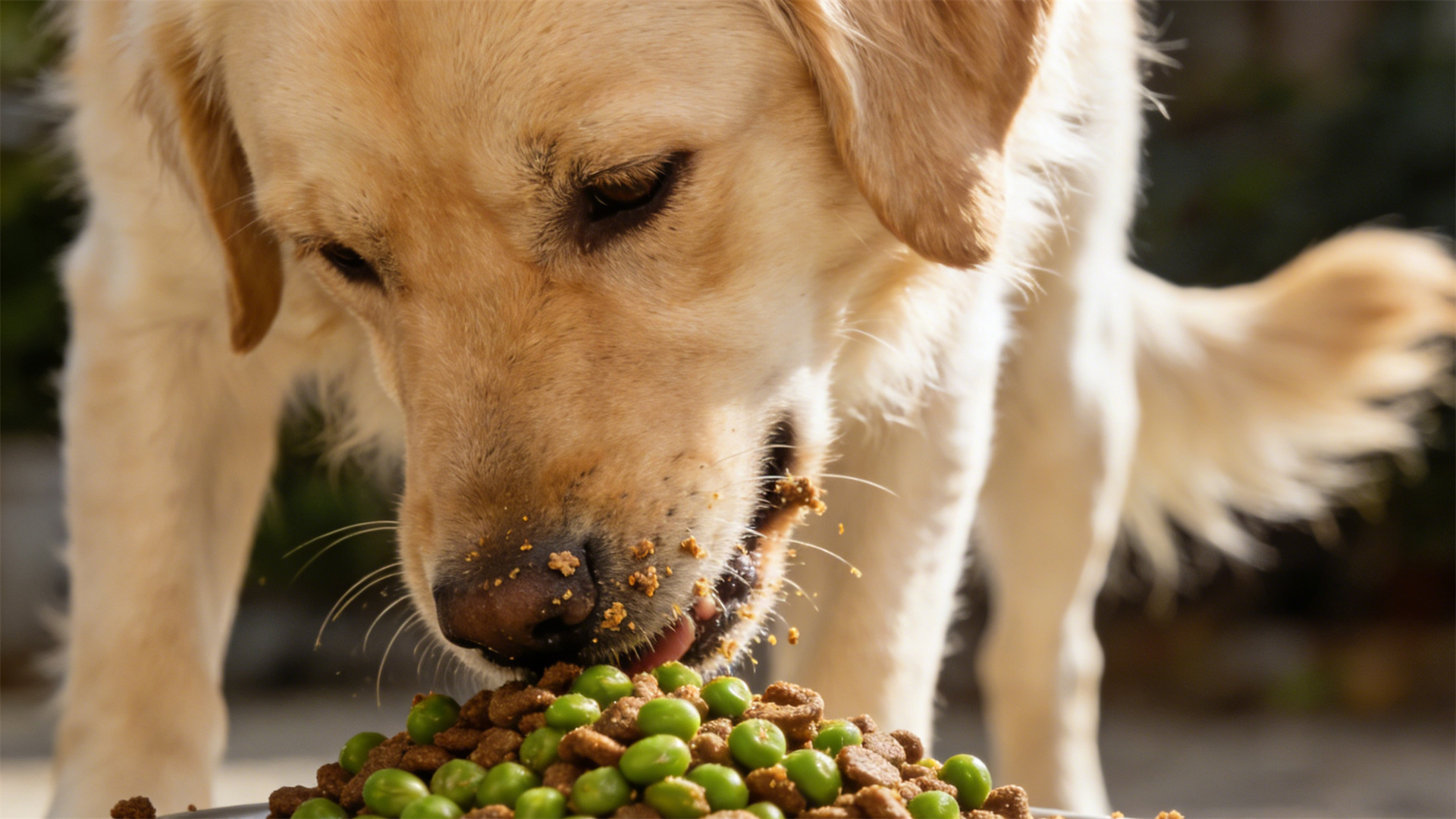
Labrador Retrievers' gluttonous genes: How to control their weight using "pseudo-satiety"
If you share your life with a Labrador Retriever, you know the look all too well. The soulful, unwavering stare at your sandwich. The impressive "counter-surfing" agility for a stray crumb. The profound sadness when their bowl is empty mere seconds after you fill it. You're not imagining it; your Lab's insatiable appetite is a universal struggle, backed by hard science. But what if you could hack their hunger? This article dives into the proven genetic link behind their food obsession and introduces the powerful, compassionate management tool of pseudo satiety. We promise you will leave with a complete, actionable strategy to help your beloved foodie live a healthier, leaner, and longer life.
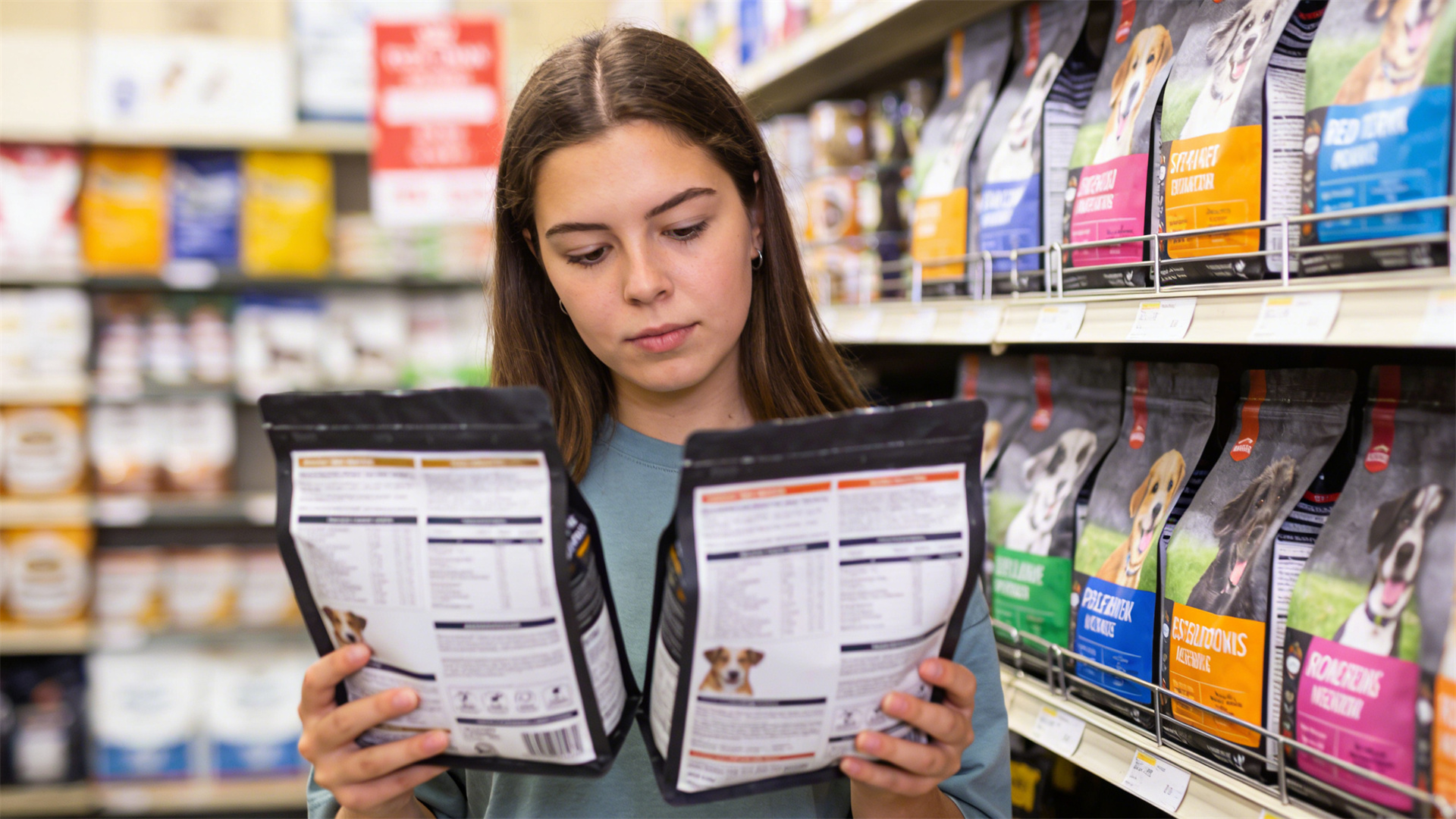
In-depth analysis of dog food ingredient lists: How to identify hidden "appetizer traps"
You stand in the pet store aisle, holding two bags of dog food. Both promise complete nutrition, shiny coats, and boundless energy. You flip the bags over, intent on being a conscientious pet parent, only to be met with a dizzying wall of text: "Poultry by-product meal, corn gluten meal, animal digest, natural flavors..." Your eyes glaze over. Which one is truly better? You’re not alone in this confusion. For millions of dog owners, the ingredient list on a pet food bag is a cryptic puzzle, often designed to appeal to the buyer rather than reveal the full nutritional story for the dog. This article will serve as your decoder ring, empowering you to look beyond the marketing on the front and master the fine print on the back. We will shine a light on the hidden "appetizer traps"—those ingredients added primarily to manipulate palatability artificially—and teach you how to choose a food that nourishes your dog from the inside out. 🐕