
You May Have Missed
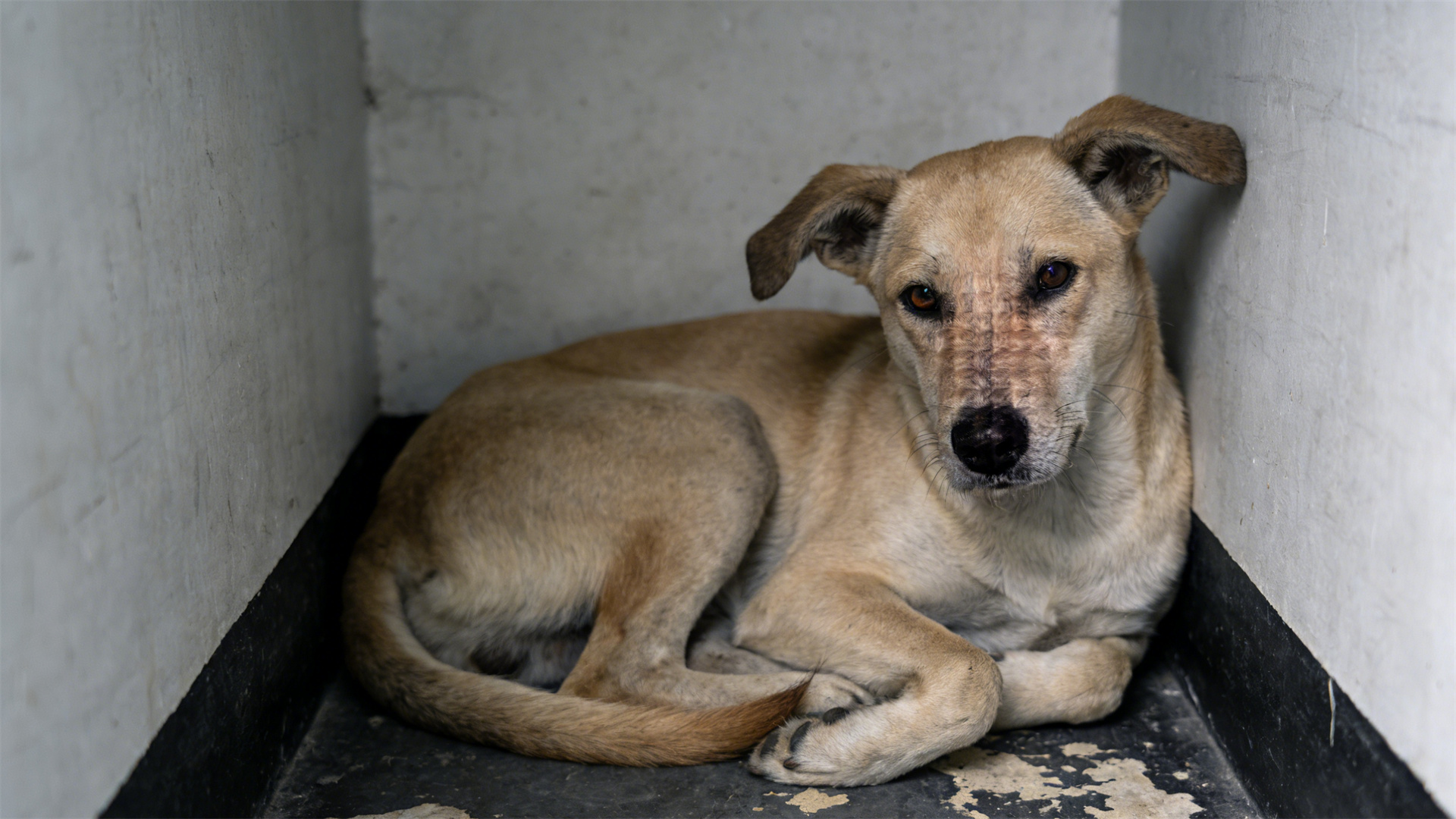
Resource competition pressure in multi-dog households: How to alleviate long-term social stress in dogs
You come home to your two dogs, and instead of a joyful, wiggling greeting, you're met with a subtle tension. One dog is on the couch, stiffening as the other walks by. The younger dog quickly grabs a toy and scurries to another room when the older one glances over. There's no growling, no fights—just a quiet, palpable strain in the air. This is the often-overlooked reality of resource competition in a multi-dog household, and it extends far beyond squabbles over food bowls. Resources include prime sleeping spots, your attention, doorways, and even a clear path to walk through a room. When dogs live in a state of low-grade, perpetual negotiation for these assets, it leads to long-term social stress, a serious health and welfare issue that can manifest in behavioral and physical decline. The good news? This guide provides actionable, evidence-based strategies to transform your home into a more peaceful, predictable, and low-stress environment for every canine member of your family.
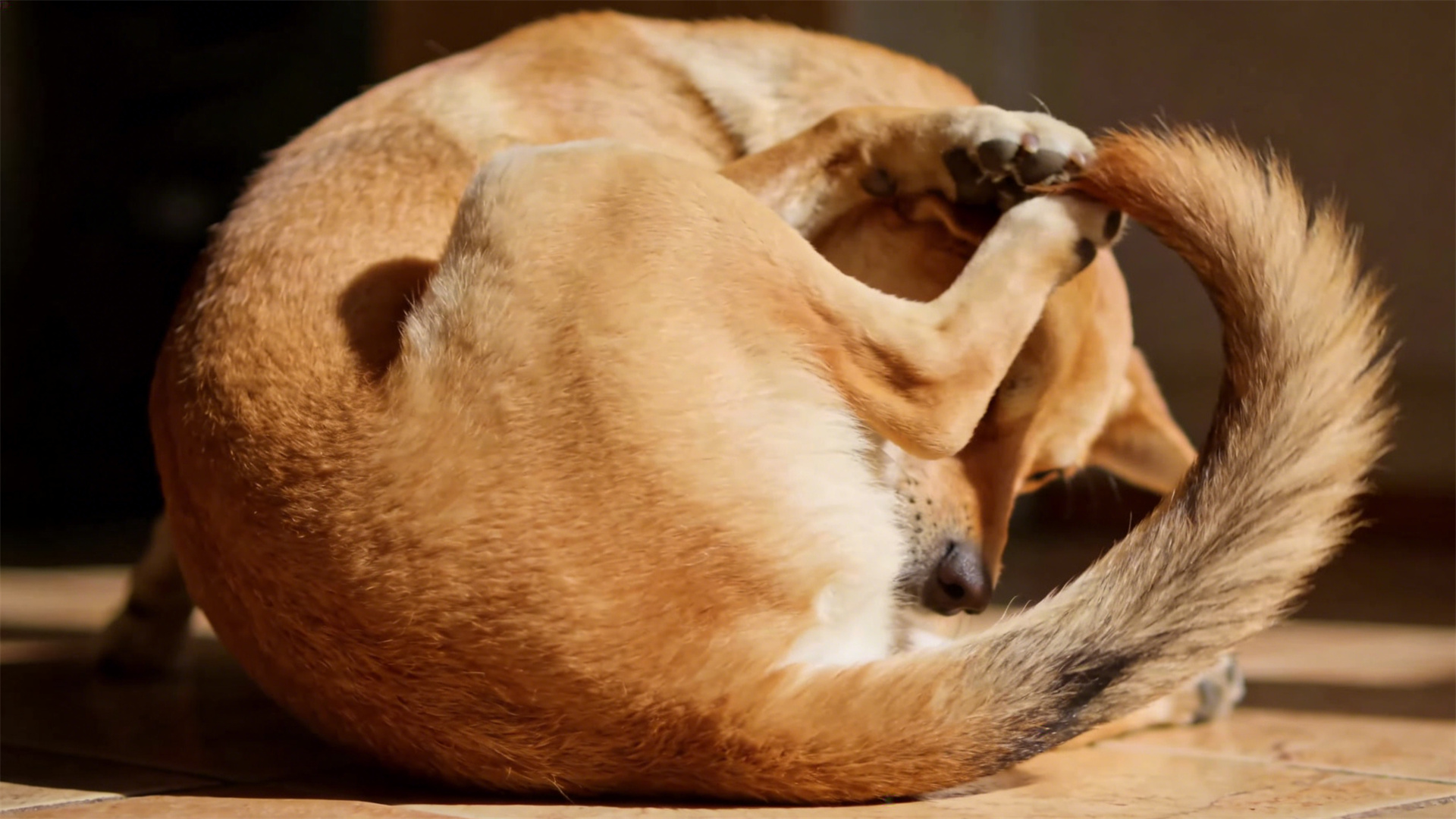
Compulsive behaviors (such as tail chasing): Is it naughtiness or brain damage?
As a dog owner, few sights are as simultaneously amusing and perplexing as watching your dog spin in frantic circles, determined to catch that elusive tail. It’s a classic canine quirk, often laughed off as a moment of goofy antics. But when the spinning becomes a daily ritual, when it intensifies to the point of exhaustion or injury, that amusement can quickly curdle into concern. Is this just a naughty phase, a silly habit? Or could it be a red flag for something more serious, like brain damage or a neurological disorder? Understanding the stark difference between playful behavior and a pathological compulsion is not just academic—it’s crucial for the long-term health and happiness of your four-legged family member.
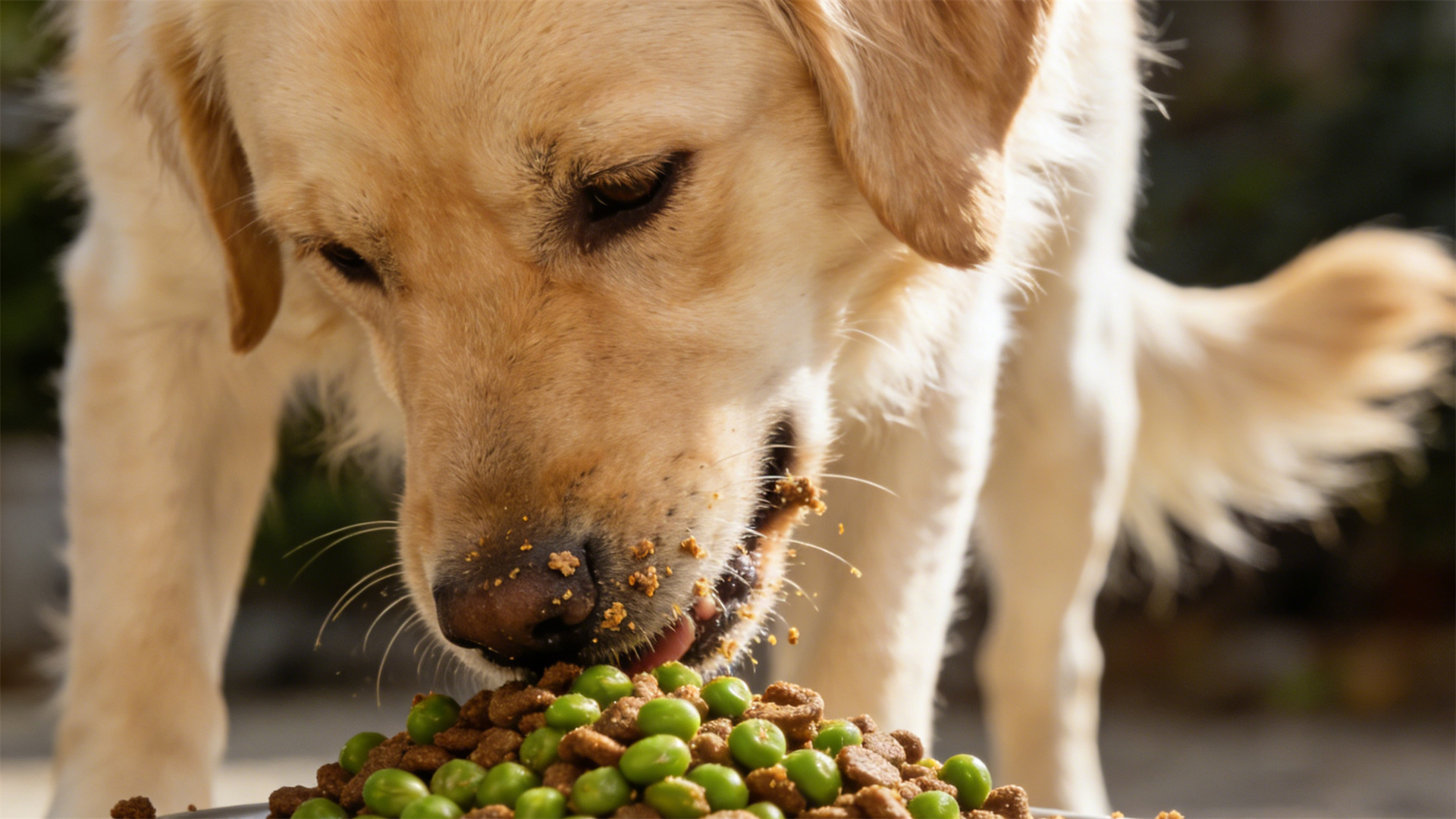
Labrador Retrievers' gluttonous genes: How to control their weight using "pseudo-satiety"
If you share your life with a Labrador Retriever, you know the look all too well. The soulful, unwavering stare at your sandwich. The impressive "counter-surfing" agility for a stray crumb. The profound sadness when their bowl is empty mere seconds after you fill it. You're not imagining it; your Lab's insatiable appetite is a universal struggle, backed by hard science. But what if you could hack their hunger? This article dives into the proven genetic link behind their food obsession and introduces the powerful, compassionate management tool of pseudo satiety. We promise you will leave with a complete, actionable strategy to help your beloved foodie live a healthier, leaner, and longer life.
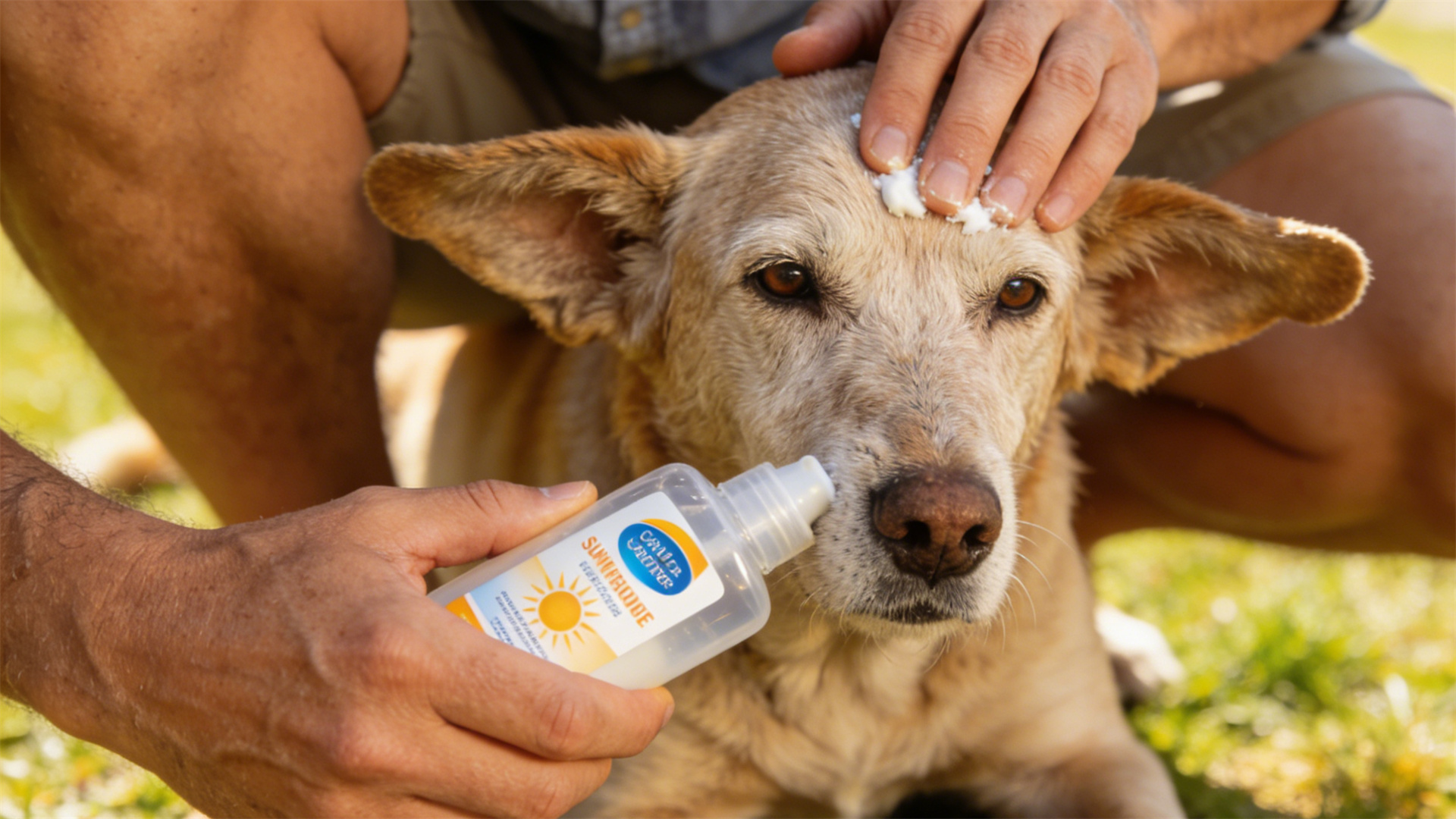
Hair management for senior dogs: Cold and sun protection measures after skin thins
As our canine companions gracefully enter their golden years, their care requirements evolve. One of the most significant yet often overlooked changes involves their skin and coat. What was once a resilient barrier against the elements can become delicate and vulnerable. For the devoted owner, understanding and adapting to these changes isn't a matter of vanity—it's a core component of preventative health and comfort. This comprehensive guide delves into the world of hair management for senior dogs, with a specialized focus on protecting their thinning skin from two opposing threats: biting cold and harsh sunlight.
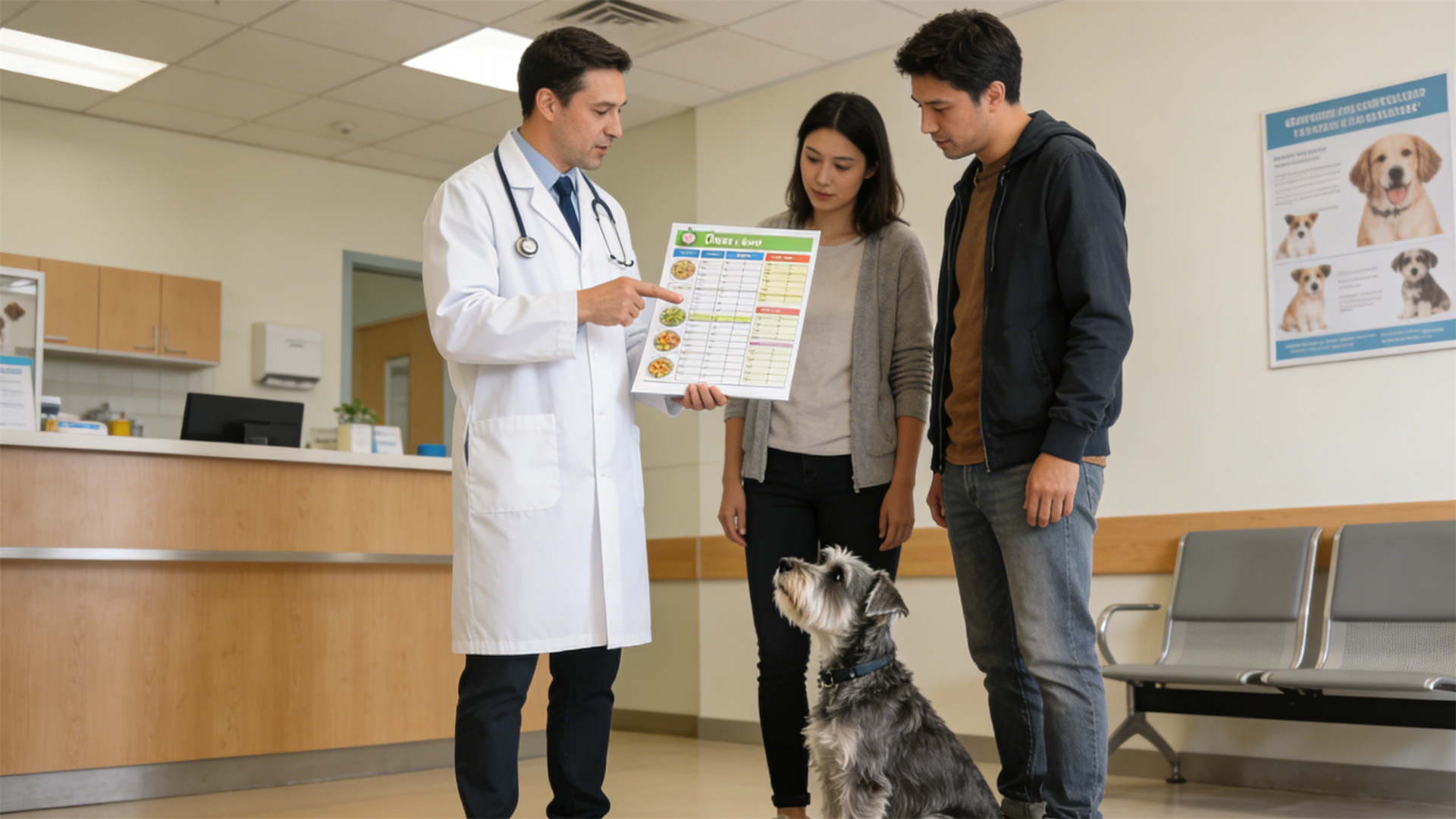
Schnauzer's hyperlipidemia: Why does this breed require a stricter diet with less oil?
With their iconic beards, bushy eyebrows, and spirited personalities, Schnauzers have captured the hearts of dog lovers worldwide. Whether it’s the spunky Miniature, the standard-bearer Standard, or the regal Giant, this breed family is renowned for its intelligence and loyalty. However, beneath that wiry coat lies a hidden, breed-specific metabolic quirk that demands vigilant attention from owners: a profound predisposition to hyperlipidemia. This condition makes a tailored, low-fat Schnauzer diet less oil not just a recommendation, but a critical component of lifelong health. This article delves into the genetic reasons, the potential health fallout, and the practical Schnauzer dietary requirements to manage this silent threat.
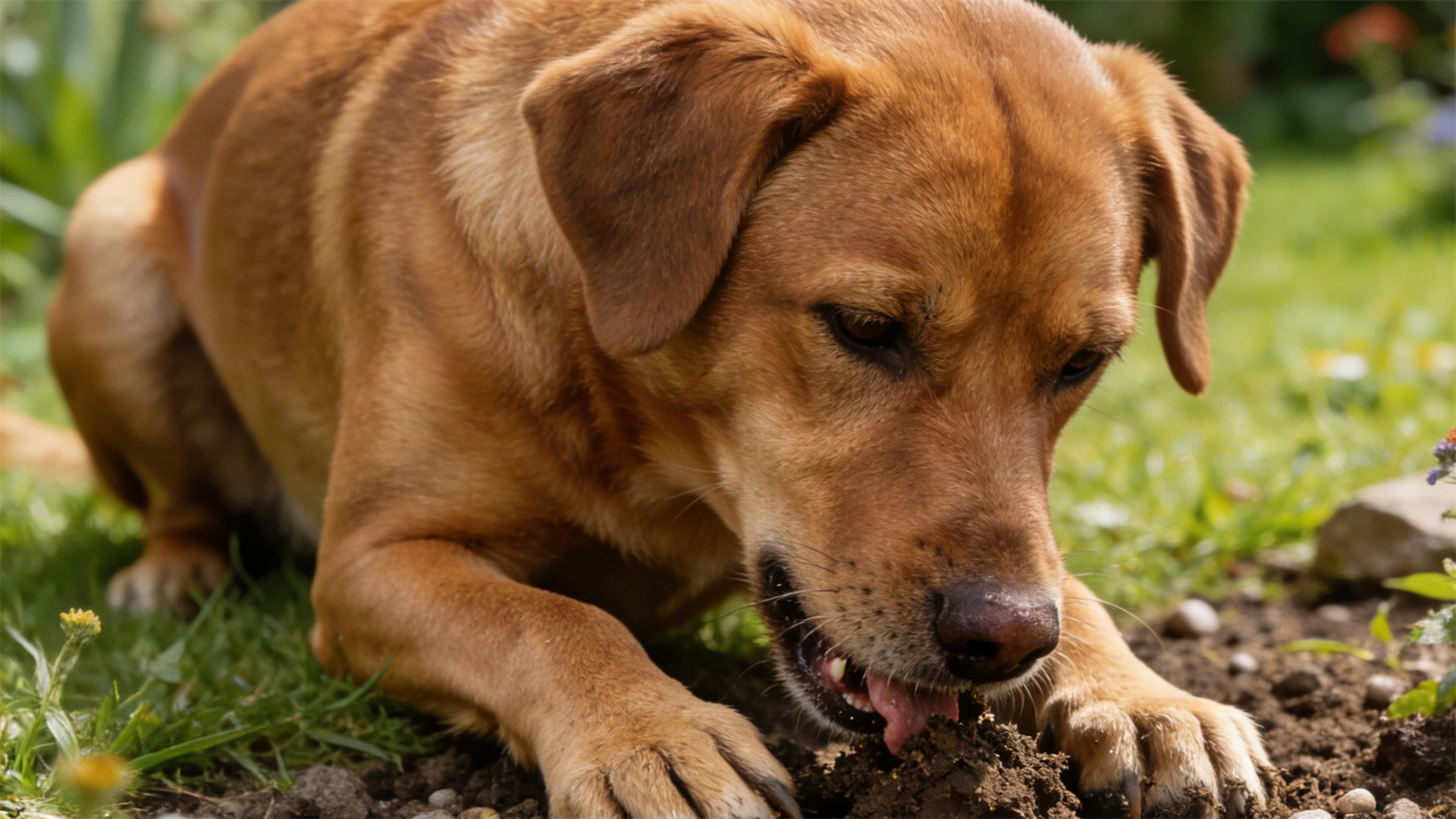
Micronutrient deficiencies in dogs: The underlying logic behind brittle nails, soil-eating, and pica.
You notice your dog’s nails seem to split or flake easily during a trim. Later, you catch them intently munching on dirt in the garden. Perhaps they’ve even graduated to chewing on rocks, socks, or drywall. As a concerned dog owner, you might write these off as odd behaviors or minor quirks. But what if these seemingly unrelated issues were connected? What if they were your dog’s way of sending a nutritional distress signal? The common thread often lies in micronutrient deficiencies in dogs—a subtle but significant imbalance that impacts health from the inside out.