
You May Have Missed
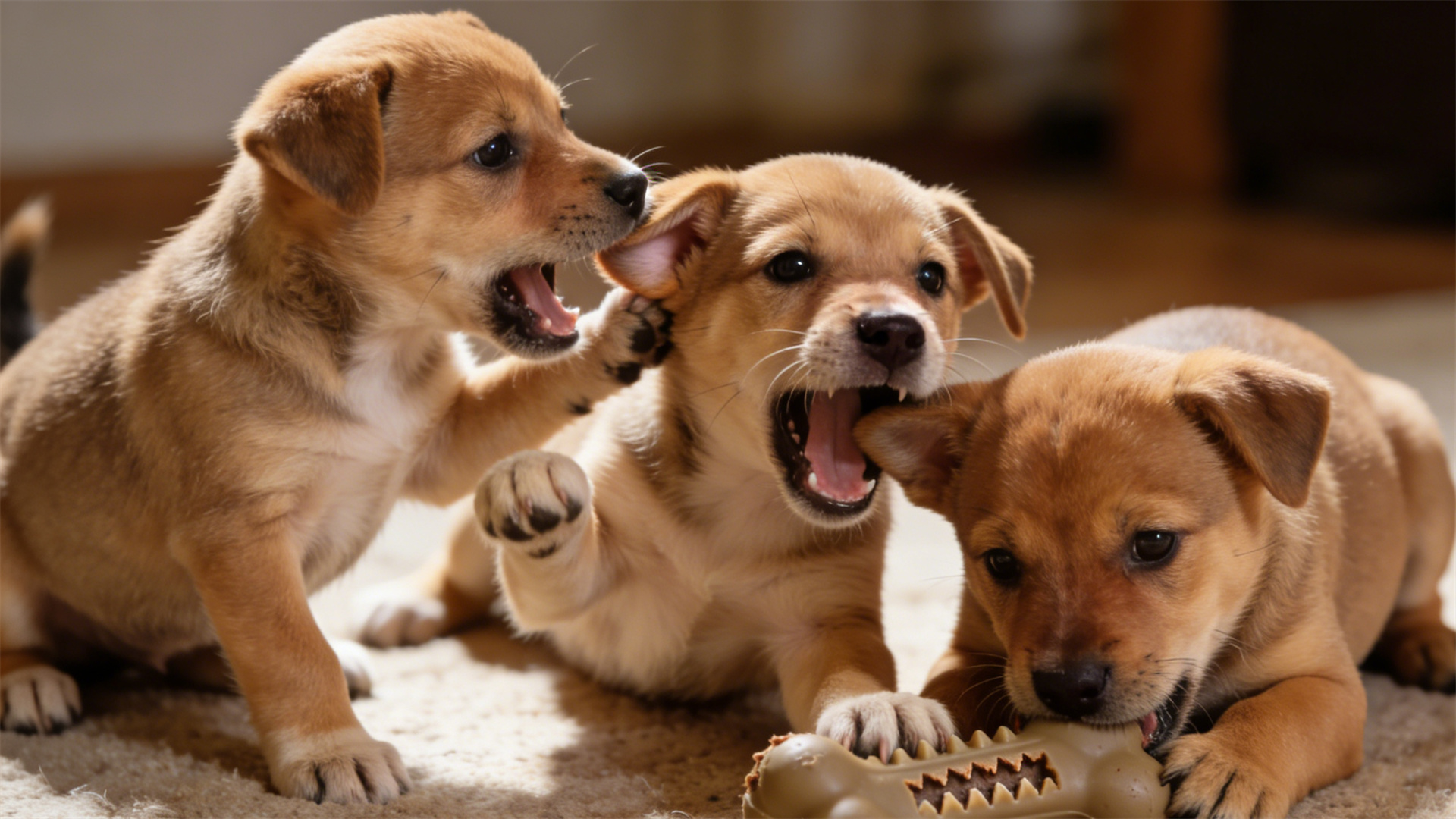
Preventing Puppies from Biting Their Hands and Feet: Correct Feedback for Correcting Puppy Biting
The joy of bringing home a new puppy is often quickly tempered by the sharp pinch of needle-like teeth on your fingers and toes. If you’ve found yourself asking, “Why does my puppy keep biting my hands and feet?” you are absolutely not alone. This is one of the most common and frustrating challenges for new dog owners. However, this behavior is a normal part of canine development, not a sign of an aggressive dog. The key lies in understanding the why behind the bites and implementing a consistent, positive strategy for preventing puppy biting. Timely and correct intervention is crucial for your safety, your puppy’s future social skills, and a harmonious home.
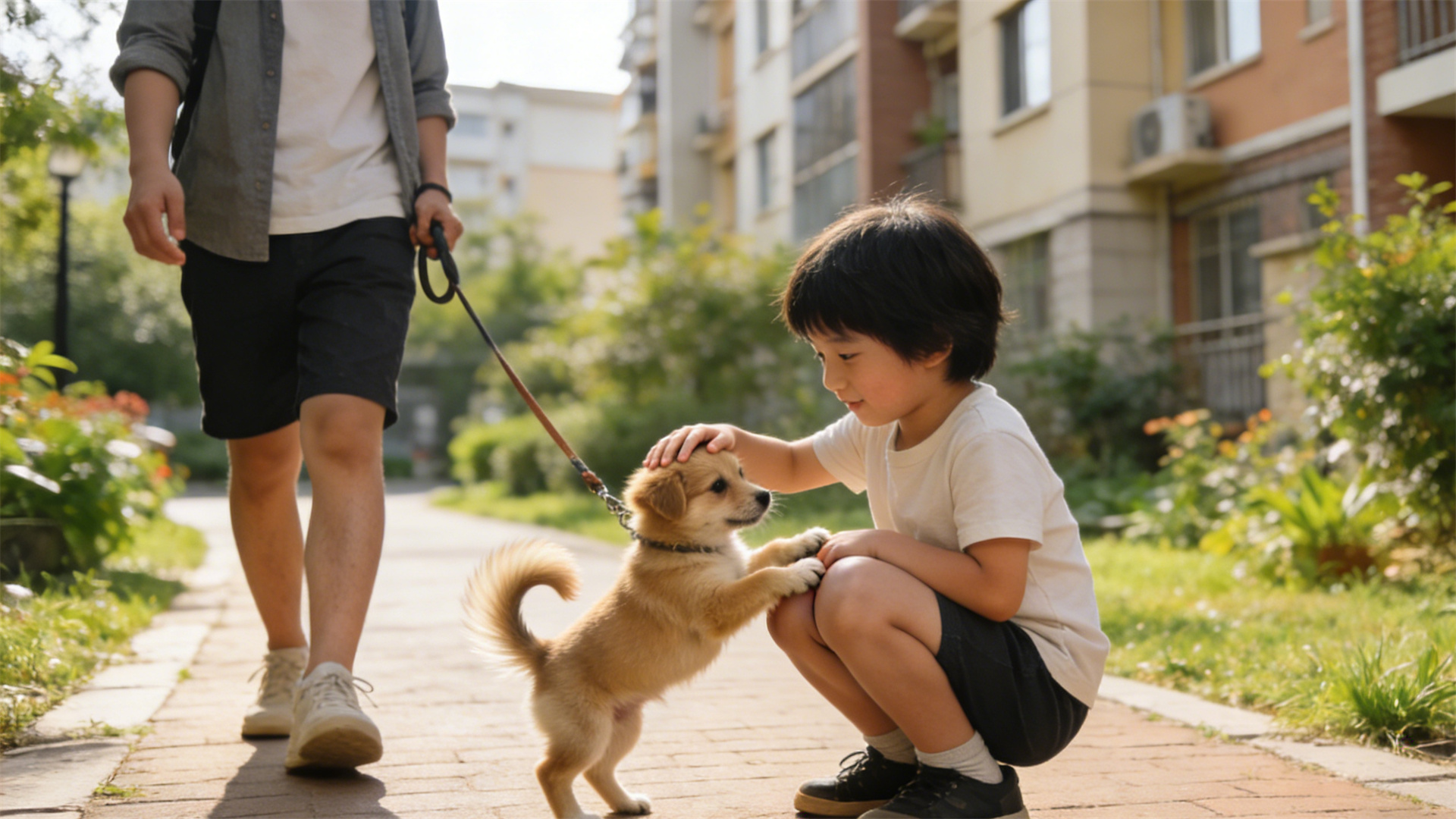
Level 1: Socialization and Order in the Cub Stage
The first few weeks with your new puppy are a whirlwind of joy, licks, and… let's be honest, a bit of chaos. In this critical period, your most important jobs aren't just cuddling and playing. They are socialization and establishing order. Think of this as Level 1 in your dog's lifelong training game. Mastering these two foundational pillars is the single greatest investment you can make in your pup's future. It builds a confident, well-mannered companion and prevents a host of behavioral issues down the line. This guide will walk you through exactly how to navigate your puppy's cub stage with purpose and positivity.
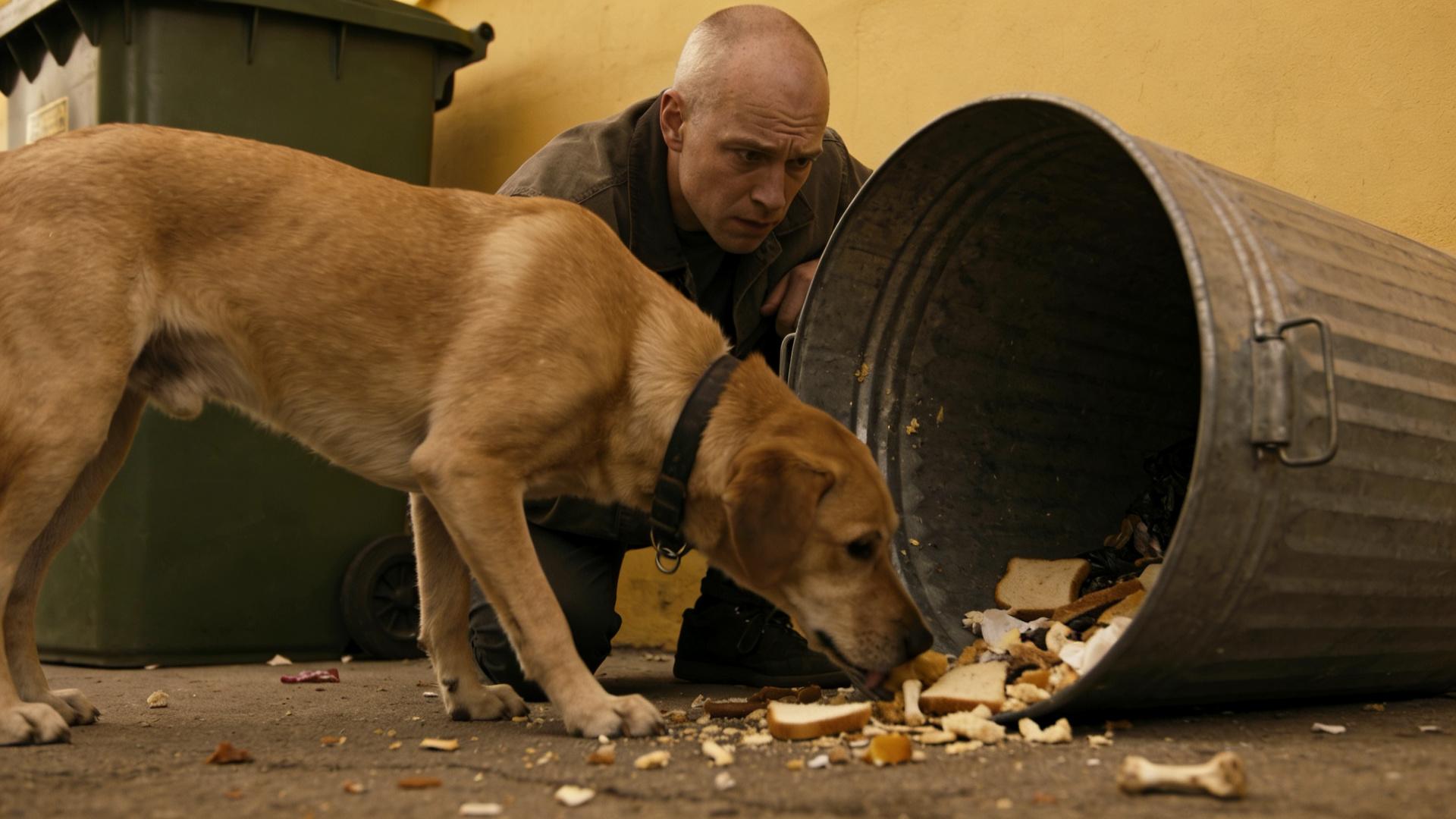
Habitual rummagerer in trash cans: How to correct this behavior through environmental setup and aversion therapy
Does your otherwise perfect pup transform into a trash bandit the moment you turn your back? You're not alone. This frustrating, messy, and potentially dangerous behavior is one of the most common complaints among dog owners. The good news is that it's highly manageable—but not through scolding or punishment. Successfully reclaiming your garbage requires a smart, two-pronged strategy: environmental management and behavior modification. This comprehensive guide will walk you through exactly how to implement both, creating a cleaner home and a safer, happier dog.
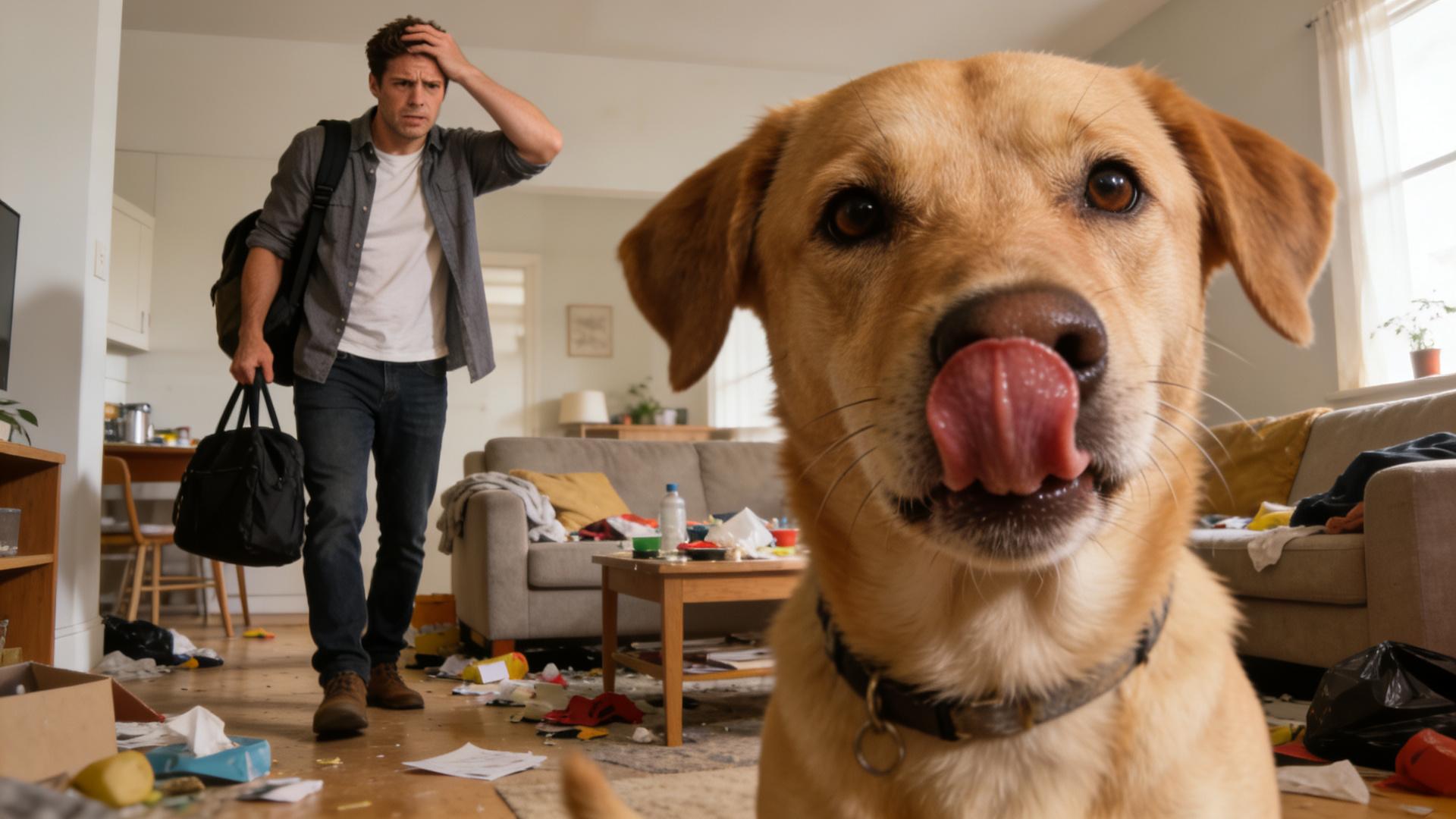
Deciphering a dog's "reassurance signals": Is it licking its nose to beg for mercy?
You come home to a scene of minor chaos—a shredded pillow, garbage scattered across the floor. You find your dog, and they immediately avert their gaze, yawn, and give a quick, unmistakable lick of their nose. The conclusion seems obvious: “Look at that guilty face! He knows he did wrong and is begging for forgiveness.” This narrative feels instinctual to us, a story we’ve told ourselves for generations. But what if we’ve been reading the entire situation incorrectly?
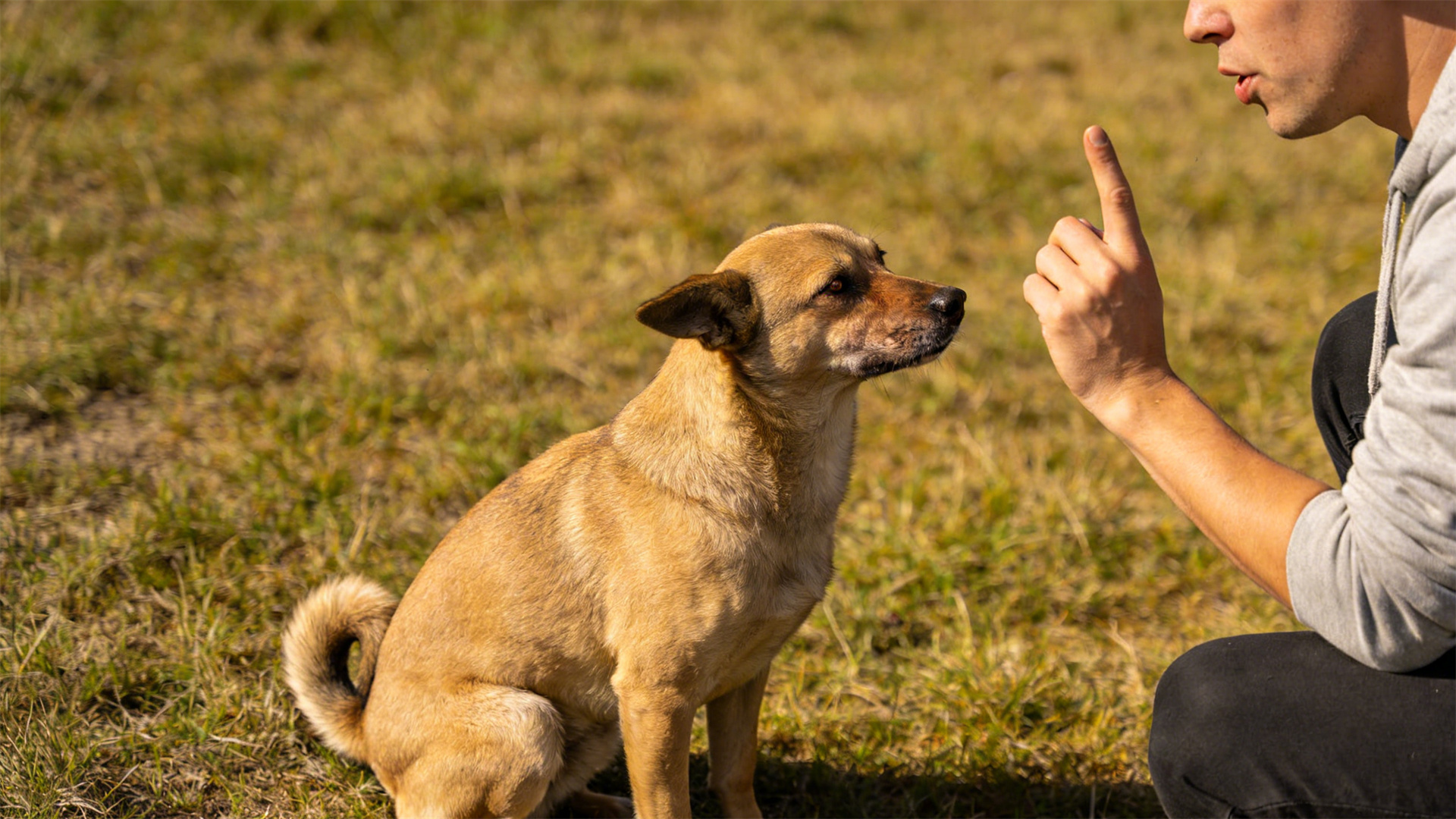
Quick Method for Establishing a Fixed Toileting Habit: How to Build a Conditioned Reflex Using Inducers and Rewards
House training. For many new dog owners, these two words conjure feelings of frustration, confusion, and the unmistakable scent of enzymatic cleaner. The cycle of guessing, accidents, and failed schedules can test the bond with your new companion. But what if the key wasn't just more frequent trips outside, but smarter communication? What if you could build a reliable, almost automatic habit in your dog? The solution lies not in scolding, but in leveraging the simple, powerful principles of behavioral psychology. This guide outlines a quick method for establishing a fixed toileting habit by constructing a clear conditioned reflex using two precise tools: the inducer and the reward. It’s a method that transforms you from a cleaner to a coach, forging a partnership built on clarity and positive reinforcement.
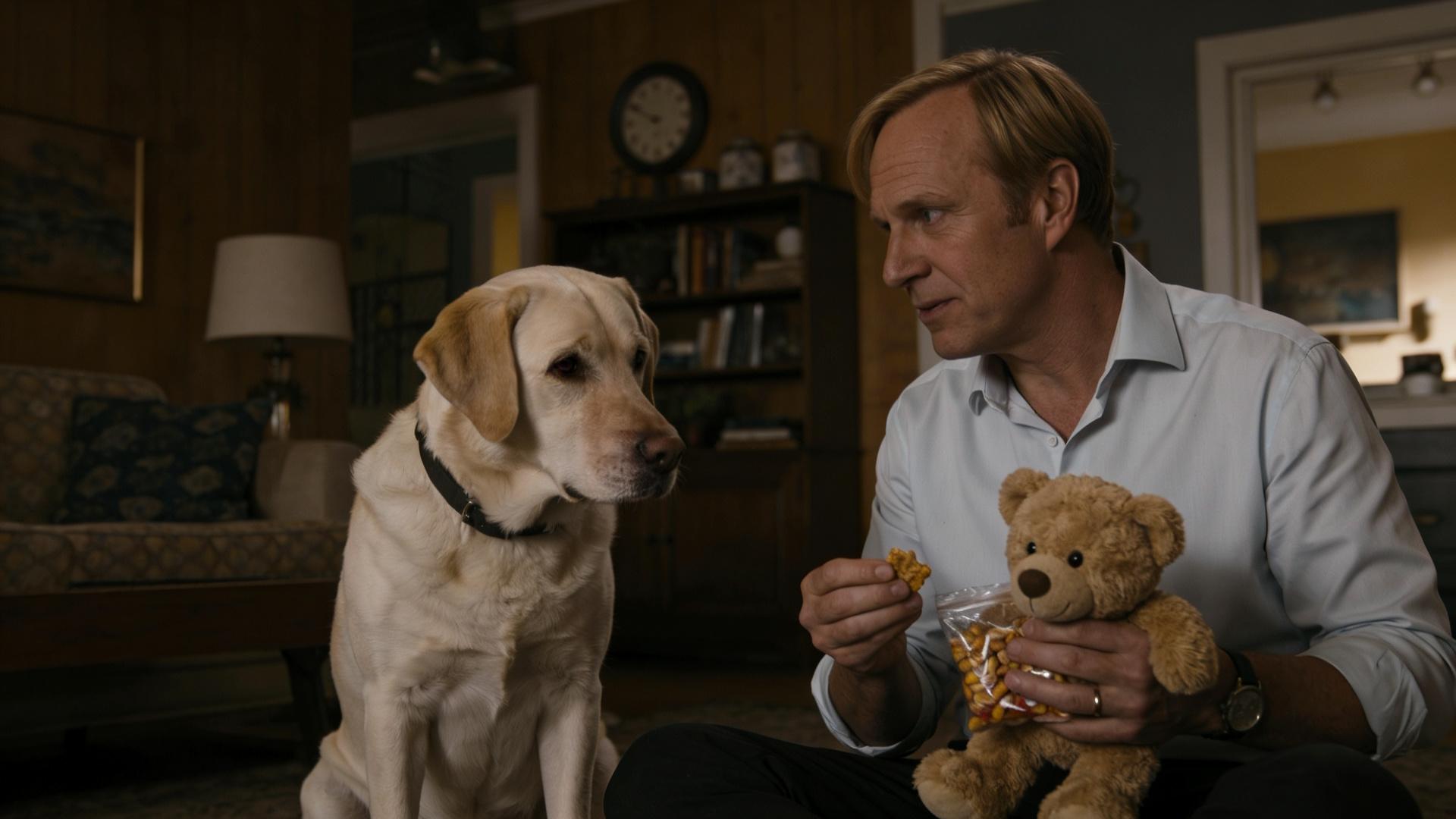
Advanced Name Recognition: Teaching your dog to find the "Teddy Bear" from a pile of toys.
The bond between a human and a dog is often built on a shared language. While basic commands like "sit" and "stay" form the foundation, advancing to advanced name recognition opens a thrilling new chapter in communication. Imagine the pure joy—and the impressed guests—when you casually ask your dog to "go find your Teddy Bear," and they confidently navigate a mountain of plush toys to bring back the correct one. This isn't mere parlor trick; it's a profound demonstration of canine cognitive ability and a deeply enriching form of mental stimulation for dogs. This comprehensive guide will walk you through the systematic process of teaching this impressive skill, turning abstract words into meaningful requests and strengthening your partnership through intelligent play.