
You May Have Missed
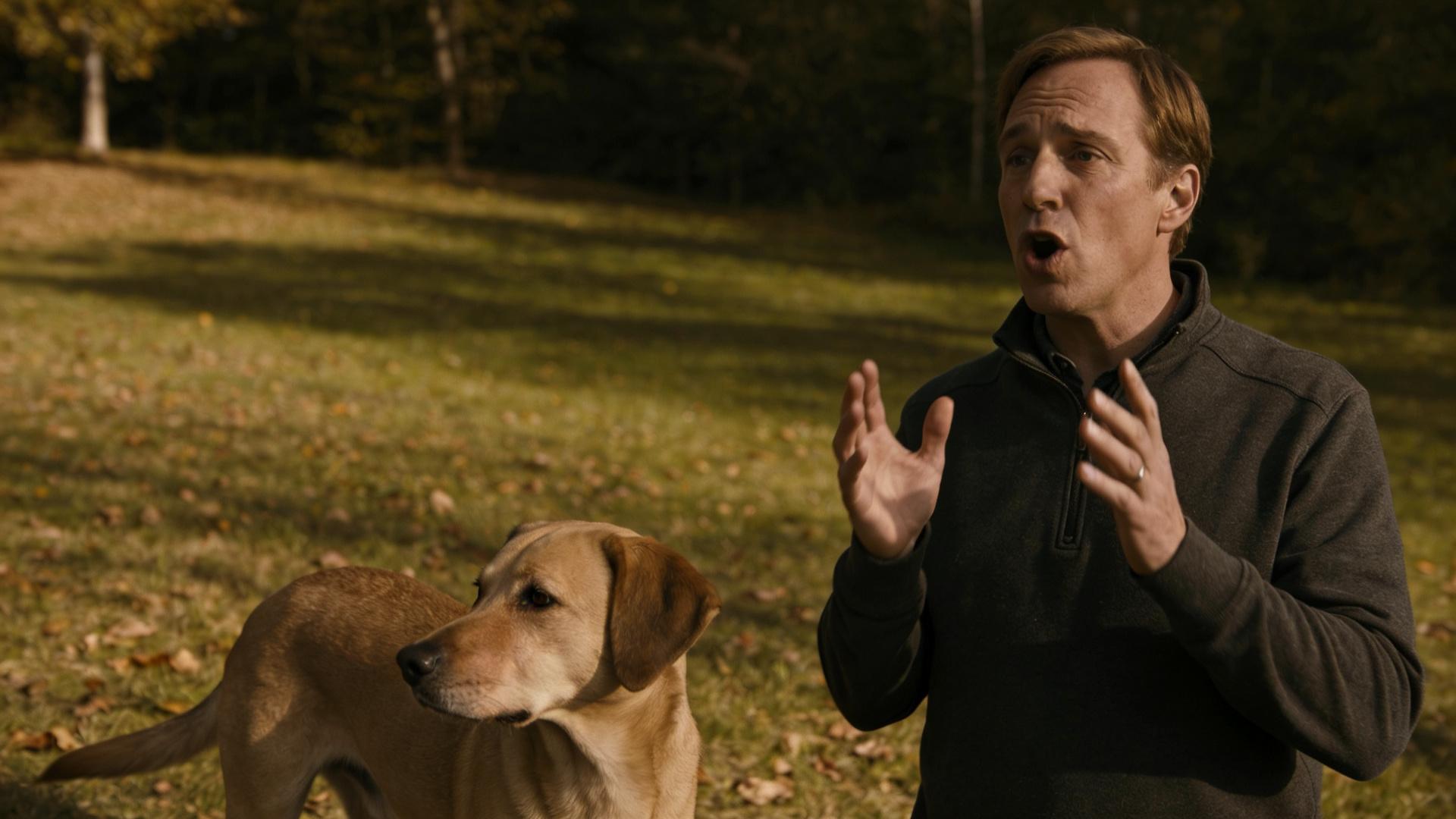
The first "Sit down": How to use gestures to quickly establish command awareness
Welcome, fellow dog lover. If you're standing there, repeating "sit, sit, SIT!" while your dog looks blissfully past you, you're only using half of your communication toolkit. You're speaking, but your dog's native language is visual. This guide will fundamentally transform how you connect with your canine companion, starting with the foundational command: the "sit." We're going beyond the basic verbal cue to unlock the power of silent gestures, building an instant, unwavering layer of command awareness that cuts through noise, distance, and distraction. Let's begin the conversation your dog has been waiting for.
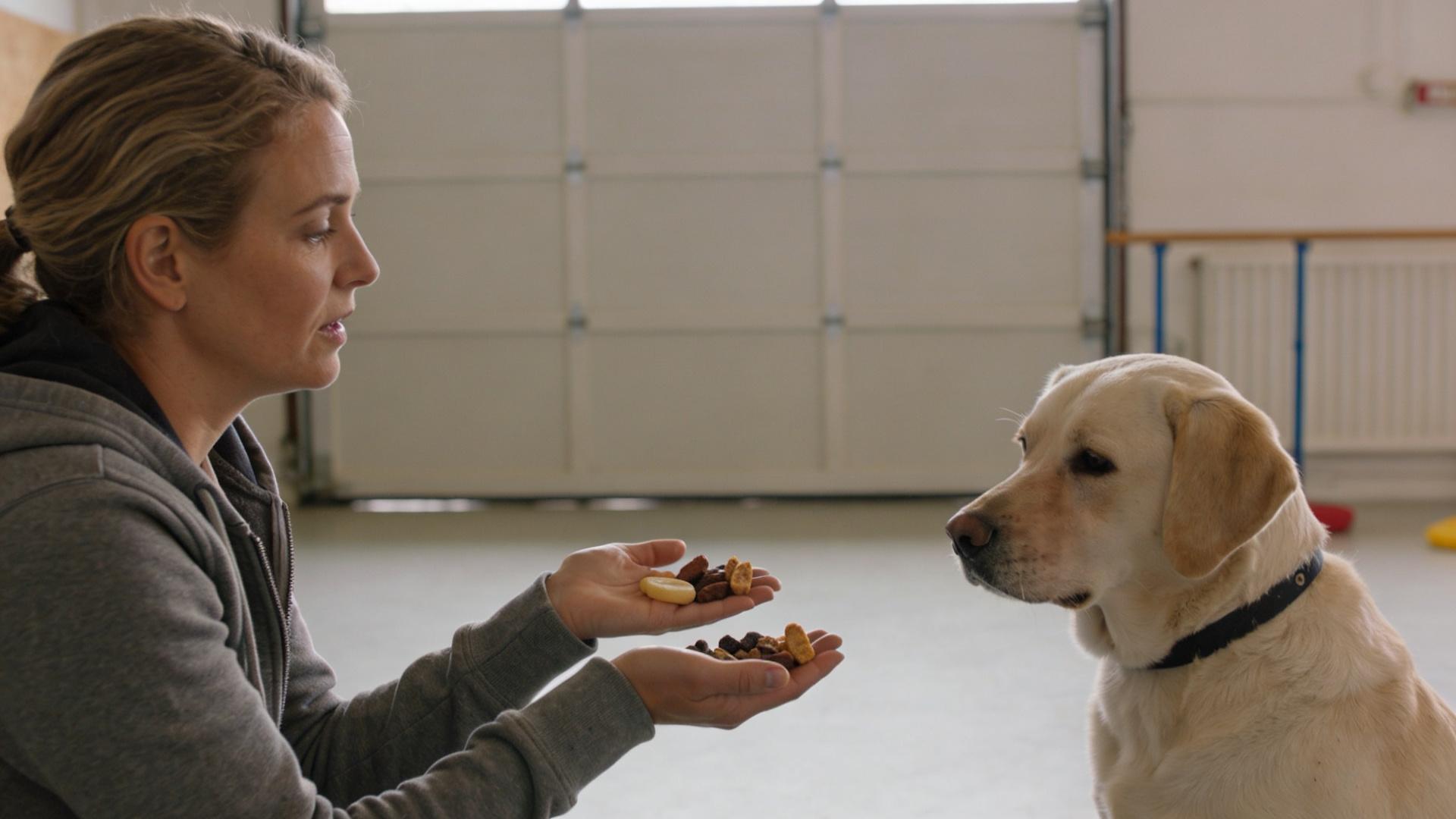
Randomizing rewards: How to keep your dog looking forward to commands
You’ve nailed the basics. Your dog can sit, stay, and come on command. But lately, you’ve noticed a lag—a reluctant plop into a "sit," a distracted glance during "stay." The spark of enthusiastic obedience seems to have dimmed. You’re not alone. This training fatigue, for both owner and dog, is a common hurdle. The culprit is often predictability. The solution? Mastering the art of randomizing rewards. This article will transform your approach to dog training by introducing you to the powerful psychological principle of variable reinforcement, a method that will reignite your dog’s motivation and forge an unshakeable, joyful response to your commands.
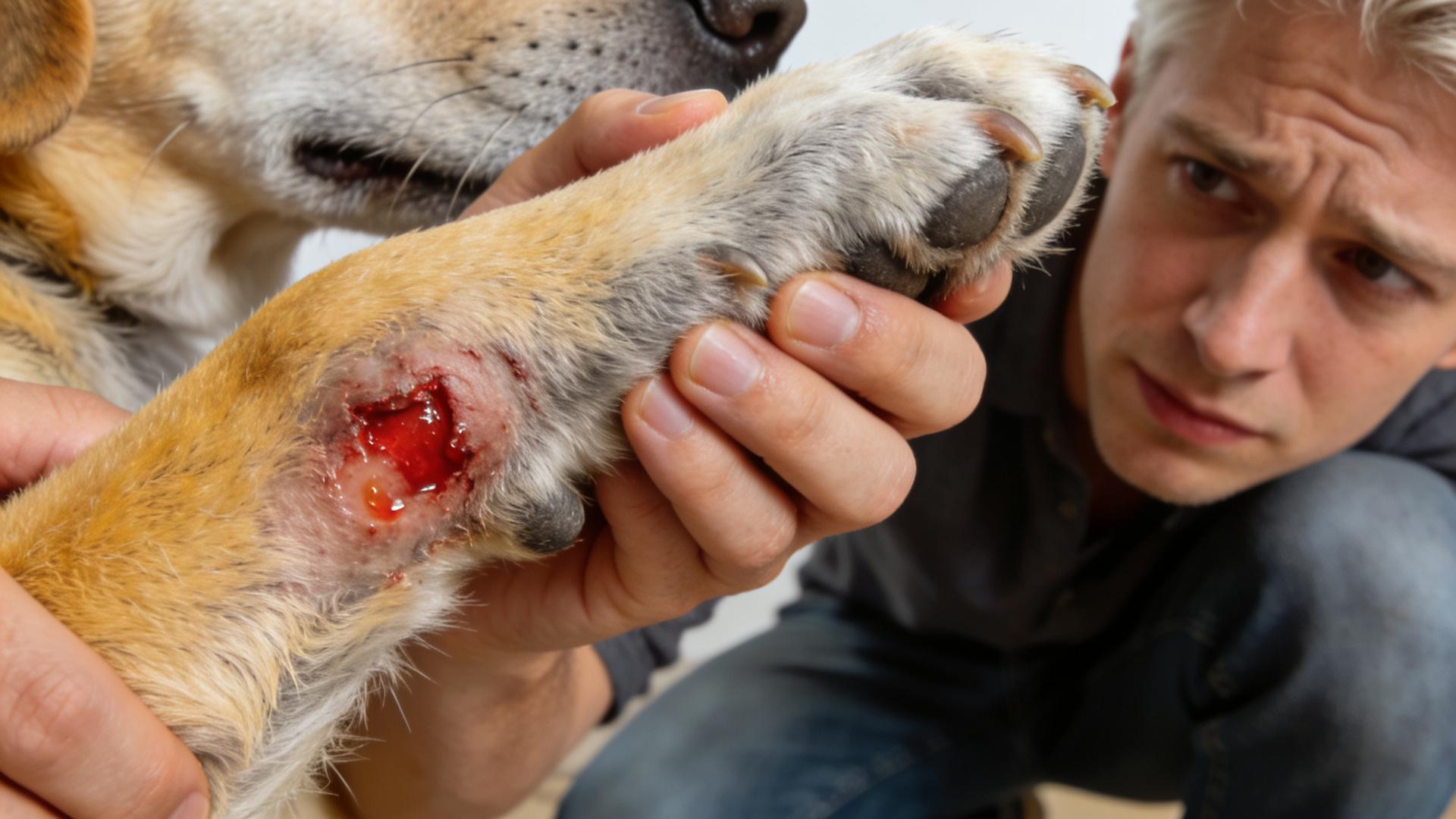
Excessive licking and self-harm: Is it a skin disease or obsessive-compulsive disorder?
Watching your dog lick its paw for the hundredth time today is more than just annoying. It's deeply concerning. That persistent, rhythmic licking or chewing on a leg, flank, or paw can fray the nerves of any loving pet owner. What begins as a seemingly innocent habit can escalate into raw, hairless patches, open sores, and significant self-harm. The central question haunts you: Is this a physical health problem causing them agony, or a psychological compulsion they cannot control? Understanding the root cause—be it a canine skin disease or obsessive-compulsive disorder in dogs—is the critical first step on the path to relief. This article will guide you through the evidence, helping you decipher your dog's signals and take the right action.
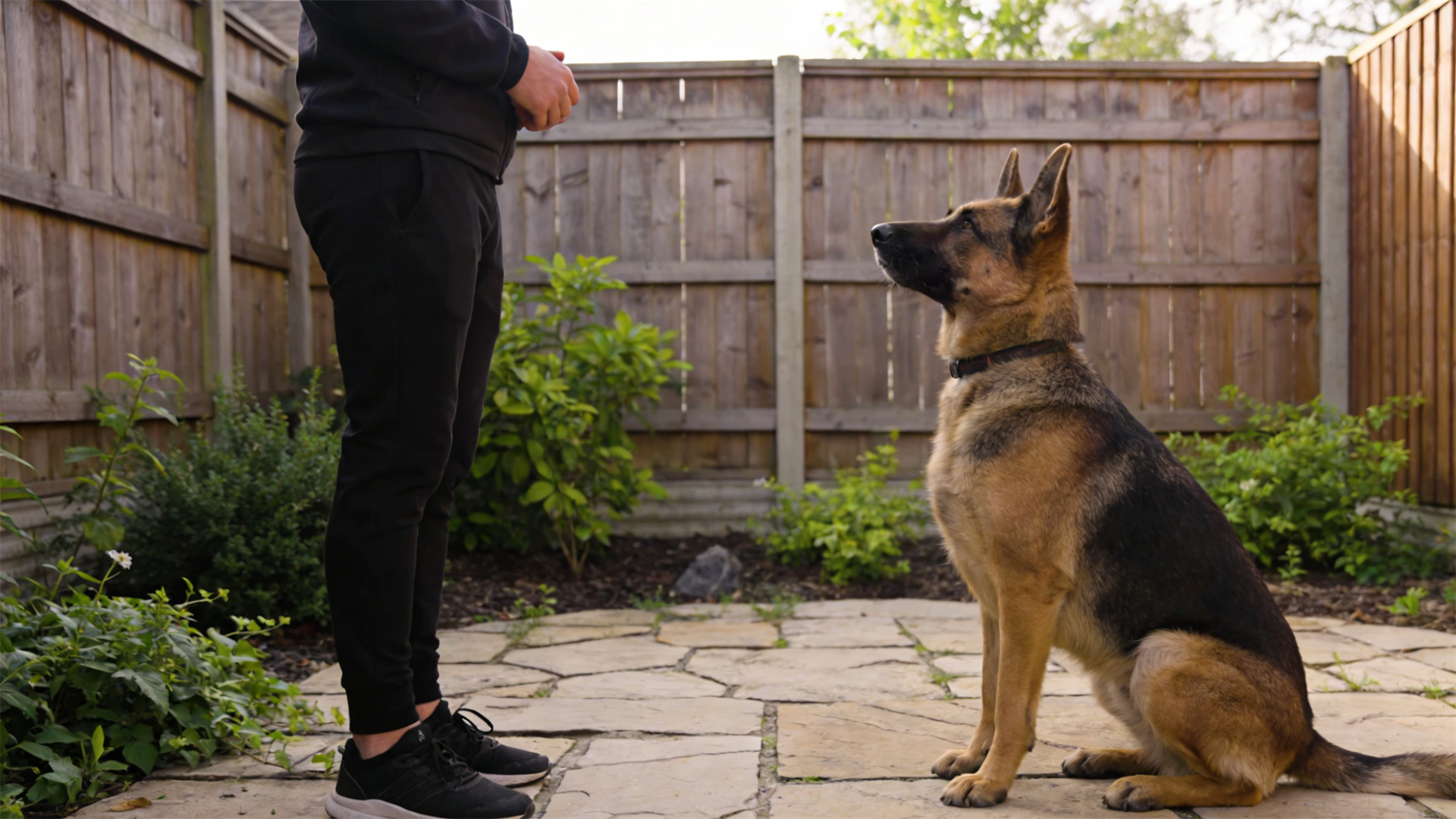
Level 2: Outdoor High-Interference Resistance Training
You’ve mastered the basics in your living room and backyard. Your dog is a star when it’s just the two of you. But the moment you step into the real world—a park buzzing with squirrels, joggers, and other dogs—their training seems to vanish. This gap between controlled obedience and real-world reliability is the single biggest challenge for dedicated dog owners. Closing it requires a systematic approach known as Outdoor High-Interference Resistance Training. This advanced methodology is designed to "proof" your dog's commands against the chaos of everyday life, transforming them from a pet that can listen into a partner you can always trust. This guide will provide you with the exact roadmap to achieve that unwavering focus and control.
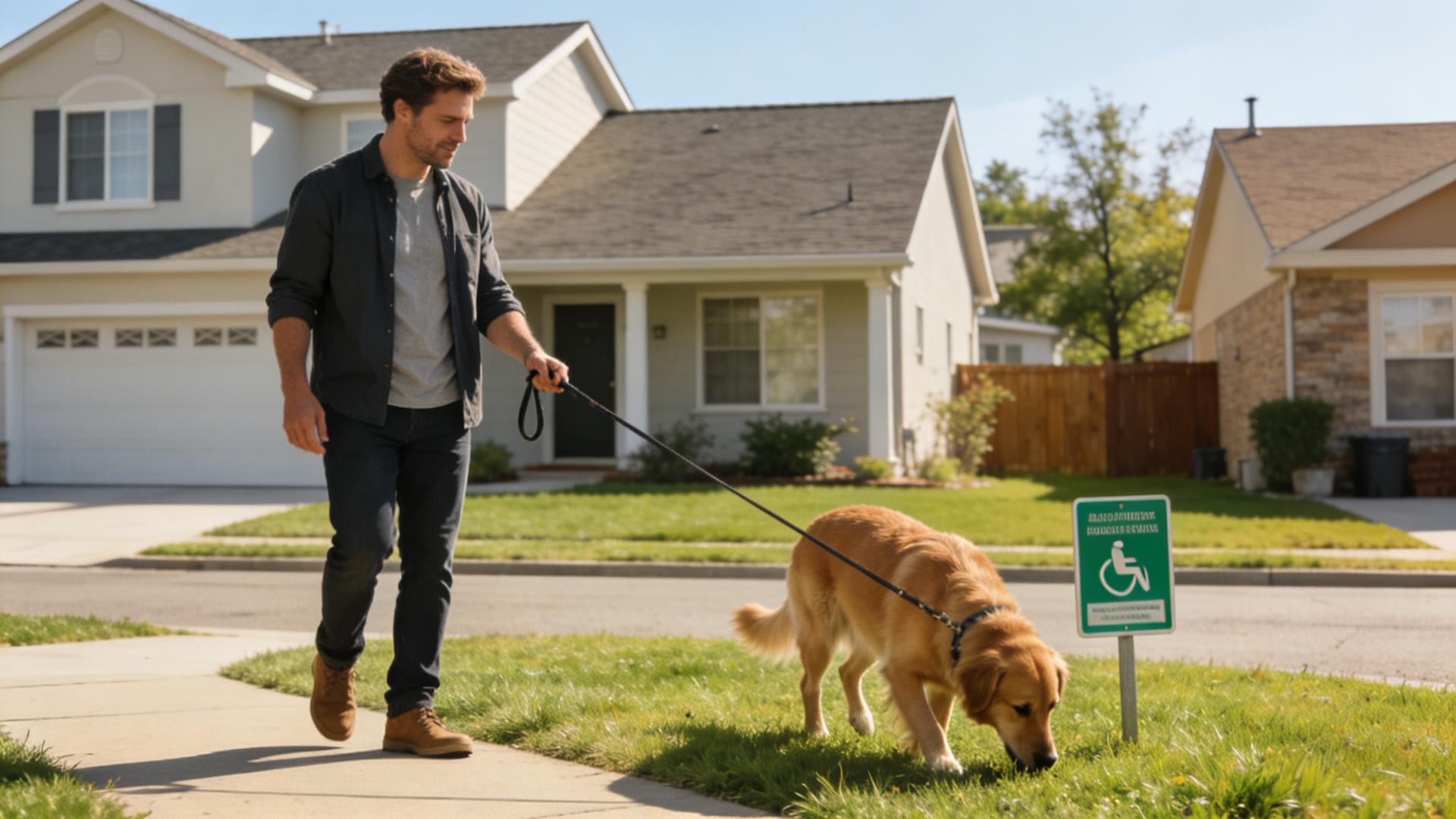
Civilized dog walking tips: Train your dog to relieve itself in designated grassy areas.
In the tapestry of community life, few threads are as common—or as potentially disruptive—as the daily dog walk. It’s a ritual of joy, exercise, and bonding. Yet, without mindful practice, it can fray into a source of neighborhood tension. The cornerstone of civilized dog walking is the simple, impactful act of guiding your dog to relieve itself in designated grassy areas. This isn't merely about convenience; it's a profound exercise in responsible dog ownership and community stewardship. This comprehensive guide will equip you with the actionable steps, scientific rationale, and nuanced understanding needed to master this essential skill, transforming your walks into a model of polite dog walking behavior.
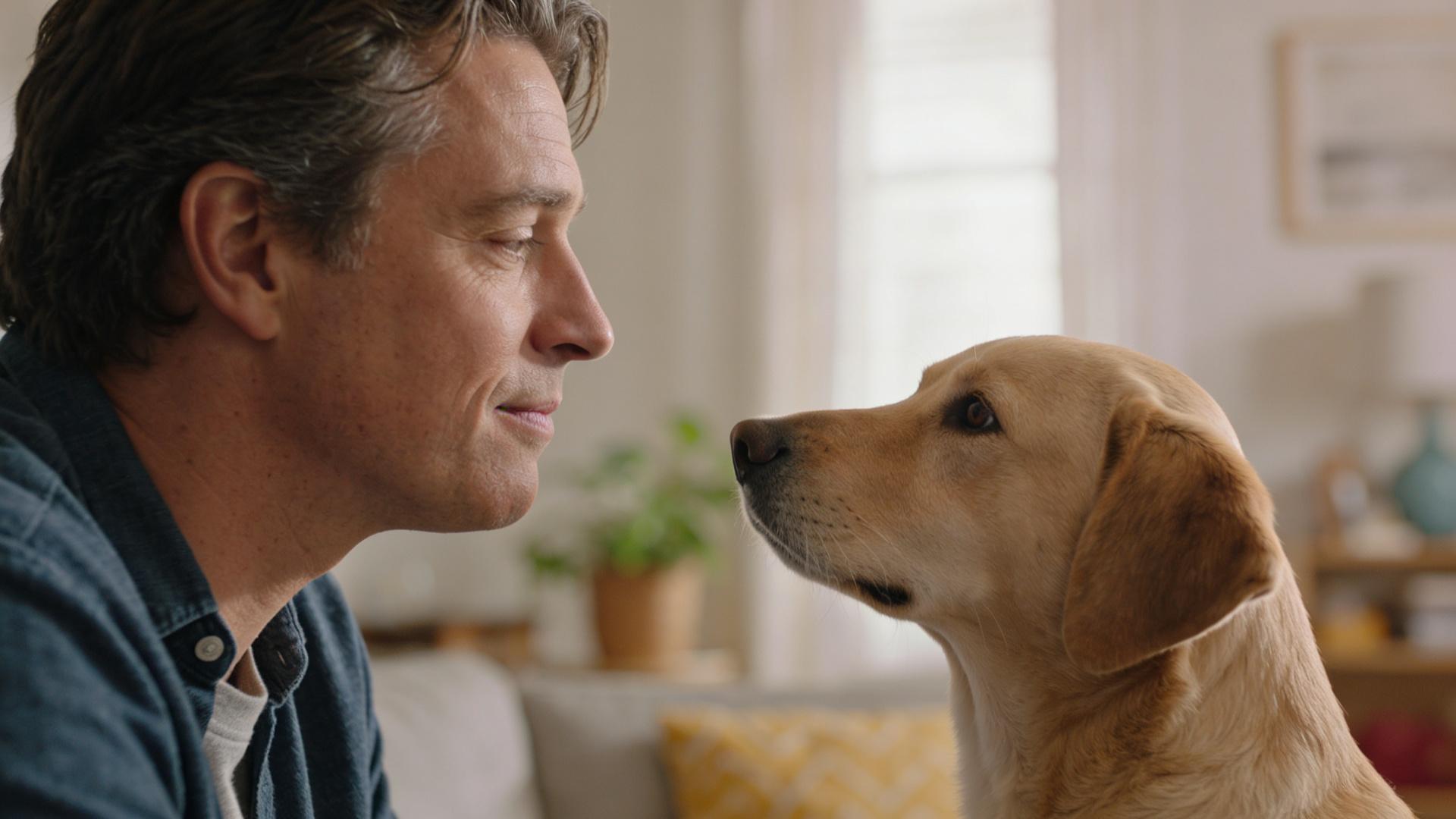
Emotional synchronization: How does the owner's anxiety interfere with training effectiveness?
Picture this: You’re in the backyard, treat pouch on your hip, ready to practice a solid "stay." You give the cue, take one step back, and your dog immediately breaks position. A wave of frustration rises. You try again, your voice tightening. Your dog now seems distracted, sniffing the ground, avoiding eye contact. The more you try to "get it right," the worse it gets. Your anxiety climbs, and your dog’s behavior unravels in tandem. Why does it feel like your emotional state is the invisible hand guiding—or sabotaging—your training session? The answer lies in a powerful, biological phenomenon: emotional synchronization. This is the shared emotional leash that connects your inner world directly to your dog's ability to learn, focus, and cooperate.