
You May Have Missed
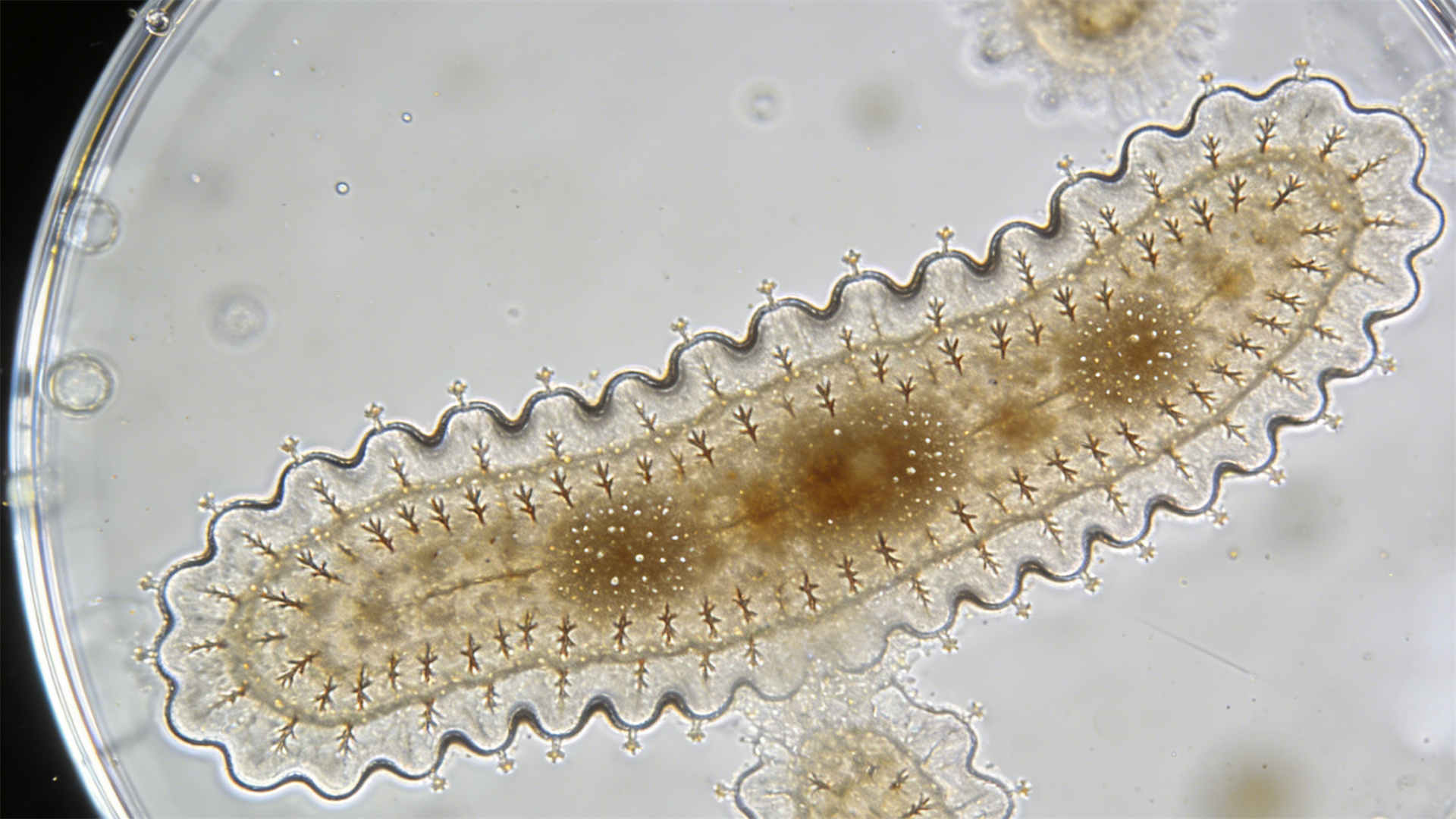
Dog's ears smell bad and scratch? Detailed explanation of ear mites and Malassezia removal methods.
That persistent head shake, the frantic scratching, the faint (or not-so-faint) odor every time your dog cuddles up—it’s a clear signal that something is amiss in their ears. As a loving pet parent, it’s distressing to watch. You’re not just dealing with a nuisance; you’re witnessing your dog's genuine discomfort. Two of the most common culprits behind this canine ear drama are ear mites and Malassezia yeast infections. While the symptoms of itching and odor may seem similar, these are two distinct enemies requiring different battle plans. Misdiagnosis can lead to weeks of ineffective treatment and prolonged suffering for your pup. This comprehensive guide will arm you with the knowledge to understand the difference, seek the right professional help, and implement effective removal and prevention strategies for lasting ear health.

2026 Canine Nutrition Standards: The Golden Ratio of Protein, Fat, and Carbohydrates
Canine nutrition is undergoing a revolution. Gone are the days of one-size-fits-all kibble. As research accelerates, we're moving from simply feeding dogs to precision-nourishing them. The question for discerning dog owners and forward-thinking professionals is no longer just "what to feed," but what precise nutritional architecture will optimize health, longevity, and vitality in the years to come. Enter the forward-looking 2026 canine nutrition standards, centered on a refined, dynamic macronutrient balance known as the Golden Ratio. This isn't a fleeting trend; it's the scientific culmination of decades of research, pointing toward a future of personalized canine wellness.

Corgi and Dachshund Spinal Insurance: Home Taboos for Protecting Intervertebral Discs (IVDD)
For the devoted owner of a Corgi, Dachshund, or similar short-legged breed, that joyful, wiggly gait is a constant source of delight. Yet, beneath that charming exterior lies a hidden vulnerability: a significant risk for Intervertebral Disc Disease (IVDD). This condition, where the cushioning discs between the vertebrae degenerate or herniate, can lead to pain, nerve damage, and even paralysis. The financial and emotional toll of treating IVDD can be overwhelming. This comprehensive guide addresses two critical pillars of proactive care: understanding the home taboos essential for prevention and demystifying the vital safety net of Corgi and Dachshund spinal insurance. By mastering both, you can dramatically improve your dog's quality of life and be financially prepared should a crisis arise.

Hypoglycemia in Small Dogs: Details of Managing Small, Frequent Meals in Puppies
For owners of tiny companions—a Chihuahua, Yorkie, Pomeranian, or any other petite breed—the joy of a new puppy is immense. Yet, this joy comes with a significant responsibility unique to their size: guarding against hypoglycemia, or dangerously low blood sugar. This condition isn't just a minor concern; it's a potentially life-threatening emergency that can escalate with frightening speed. The cornerstone of prevention and management lies in a deceptively simple strategy: small, frequent meals. This article is your comprehensive guide to understanding why this is non-negotiable for toy and small breed puppies and exactly how to implement it to ensure your furry friend thrives.
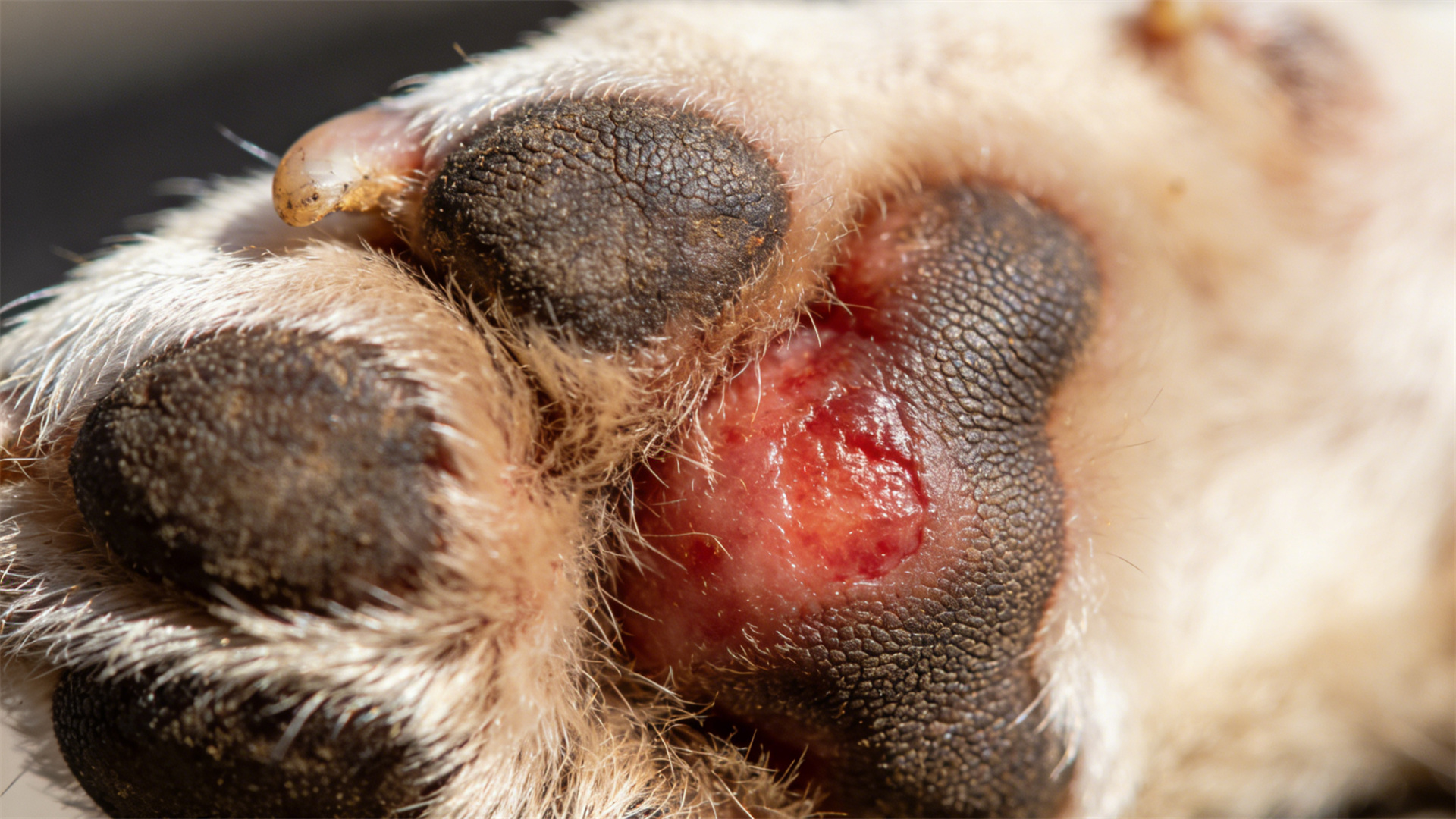
Health signals from between the toes: Thorough prevention and intervention for interdigital dermatitis
You’ve seen it a hundred times: your beloved dog curled up, intently focused on licking or chewing at their paws. It might seem like a harmless, quirky habit. But what if that persistent nibbling is a distress signal, a plea for help written in the language of discomfort? The spaces between your dog’s toes—the interdigital spaces—are more than just gaps; they are sensitive, vital health monitors. Ignoring their signals can lead your pet down a path of pain and chronic infection. This guide will empower you to become an expert in recognizing, preventing, and tackling interdigital dermatitis, one of the most common yet misunderstood canine ailments.

Do dogs suffer from PTSD? Understanding the psychological rebuilding process after abuse or homelessness.
For anyone who has welcomed a rescue dog into their home, witnessed a formerly confident pup become fearful after an accident, or simply looked into the eyes of a dog with a mysterious past, a poignant question often arises: Can dogs experience something akin to our human Post-Traumatic Stress Disorder? The answer, resoundingly supported by veterinary behaviorists and modern science, is yes. Canine PTSD is a very real, diagnosable, and treatable condition. Dogs who have endured profound trauma—be it abuse, neglect, a violent attack, a natural disaster, or the relentless stress of homelessness—can bear lasting psychological wounds. Understanding this reality is not an exercise in anthropomorphism; it is the crucial first step toward providing the compassionate, informed care these resilient animals need. This comprehensive guide will delve into the signs of canine PTSD, explore the roots of trauma, and most importantly, map out the patient, nuanced journey of psychological rebuilding. $image$