
You May Have Missed
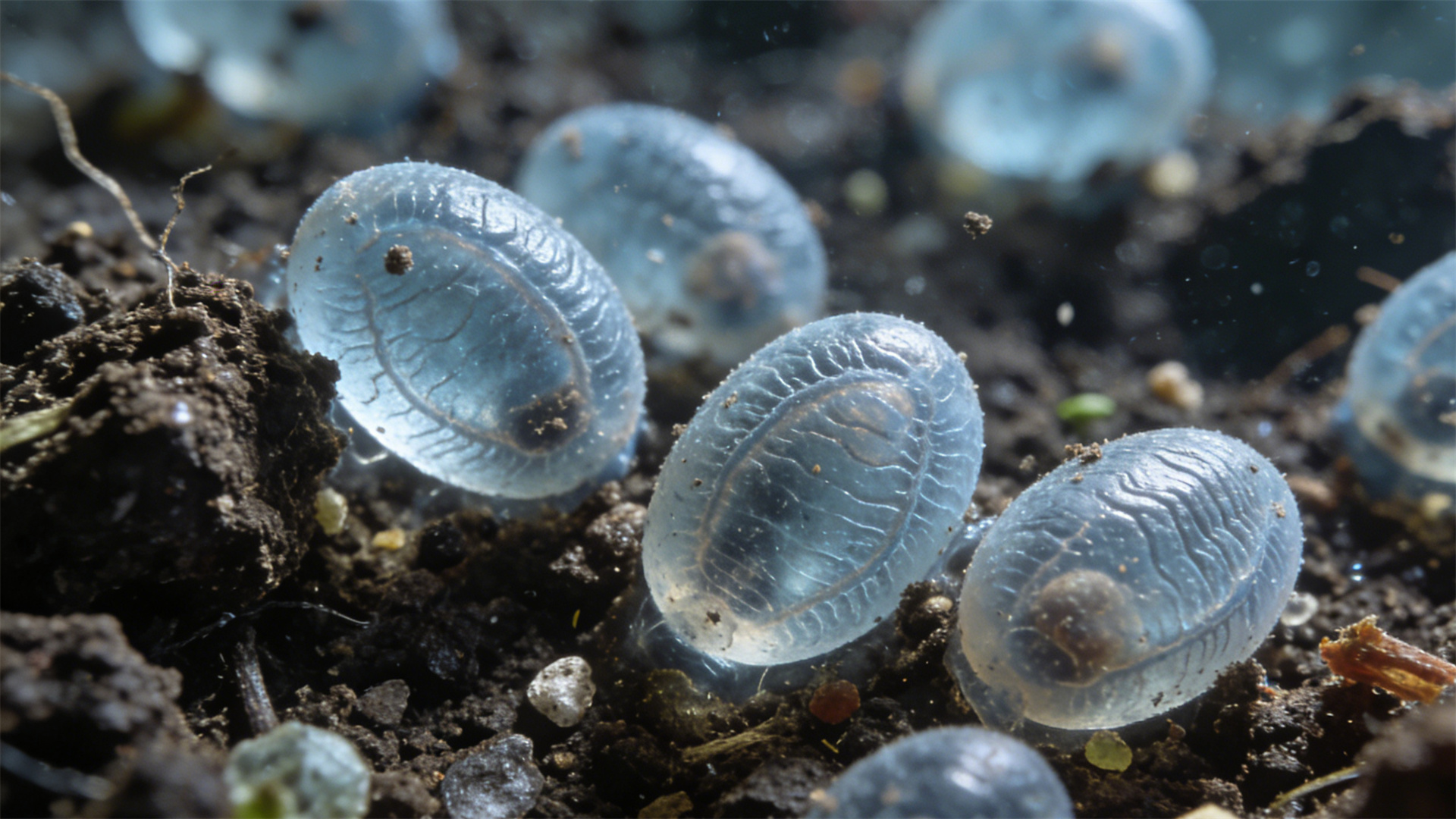
Warning about zoonotic diseases in cats and dogs: How to prevent cross-infection of parasites in multi-pet households
Welcome to your essential guide for safeguarding your furry family and yourself! If your home is blessed with the pitter-patter of both canine and feline paws, you're part of a vibrant multi-pet household. However, this wonderful coexistence comes with a heightened responsibility: managing the risk of zoonotic diseases. These are infections that can transfer from animals to humans, and parasites are often the culprits. The close quarters of a shared home create perfect conditions for parasite cross infection. But fear not—with knowledge and proactive steps, you can create a fortress of safety. This article will equip you with everything you need to know about common threats and actionable zoonosis prevention tips.
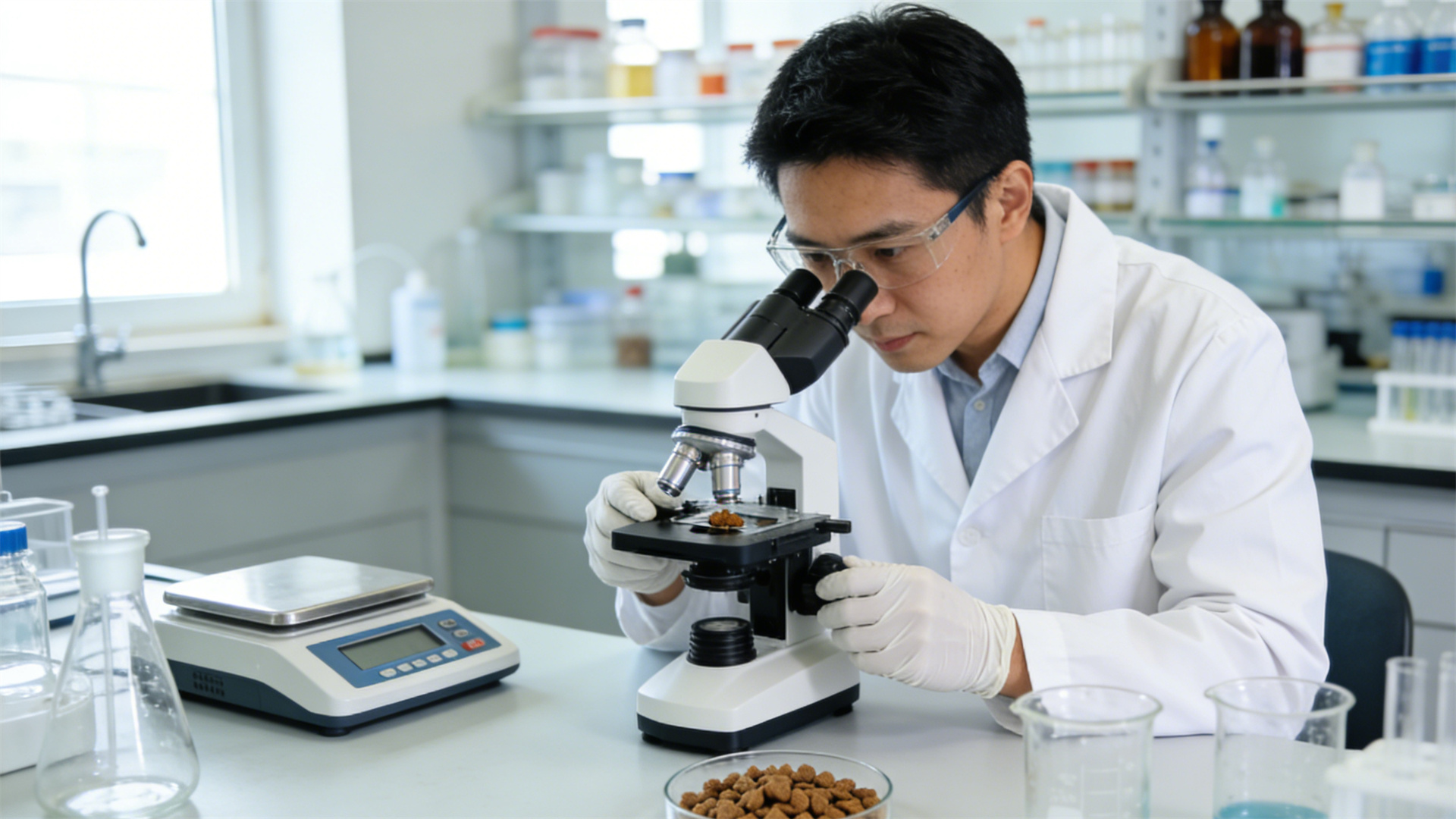
The grain controversy is over: Why do some dog breeds still need adequate dietary fiber?
For years, the dog food aisle was a battleground of grain-free diet dogs versus traditional formulas, fueled by fears and trends. Today, the grain controversy dogs have endured is largely settled by science, shifting our focus from elimination to inclusion. The real question isn't about grains per se, but about ensuring all dogs, especially certain breeds, receive optimal dietary fiber for dogs. This article delves into why canine dietary fiber is non-negotiable for health, how needs vary by breed, and how to provide it wisely.
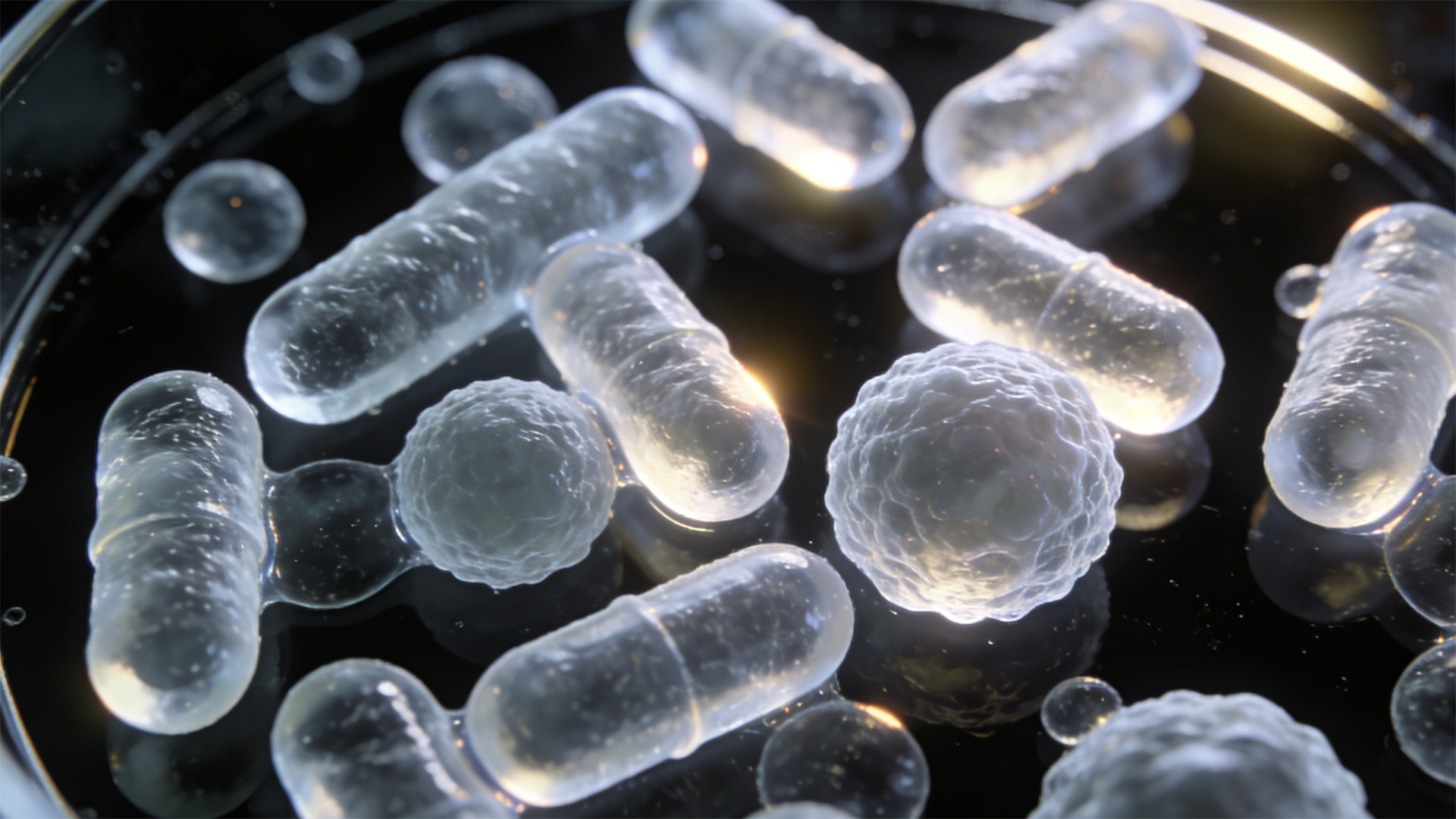
Canine Gut Microbiota: The Practical Role of Probiotics and Prebiotics in Improving Soft Stools
If you're here, you've likely been on the less glamorous end of dog ownership. You're not just a pet parent. You're a poop detective. The sight of a soft, unformed stool where a firm, healthy one should be is a common but frustrating concern. Before you spiral into worry about serious illness or dietary dead-ends, take a deep breath. More often than not, the answer lies not in a dramatic medication, but in the microscopic world within your dog's digestive tract. The solution is often about nurturing balance. This article will guide you through the practical, actionable science of your dog's gut health. We will demystify the canine gut microbiota and explain exactly how two powerful tools—probiotics and prebiotics—can work together to transform your dog's digestion and finally firm up those stools.
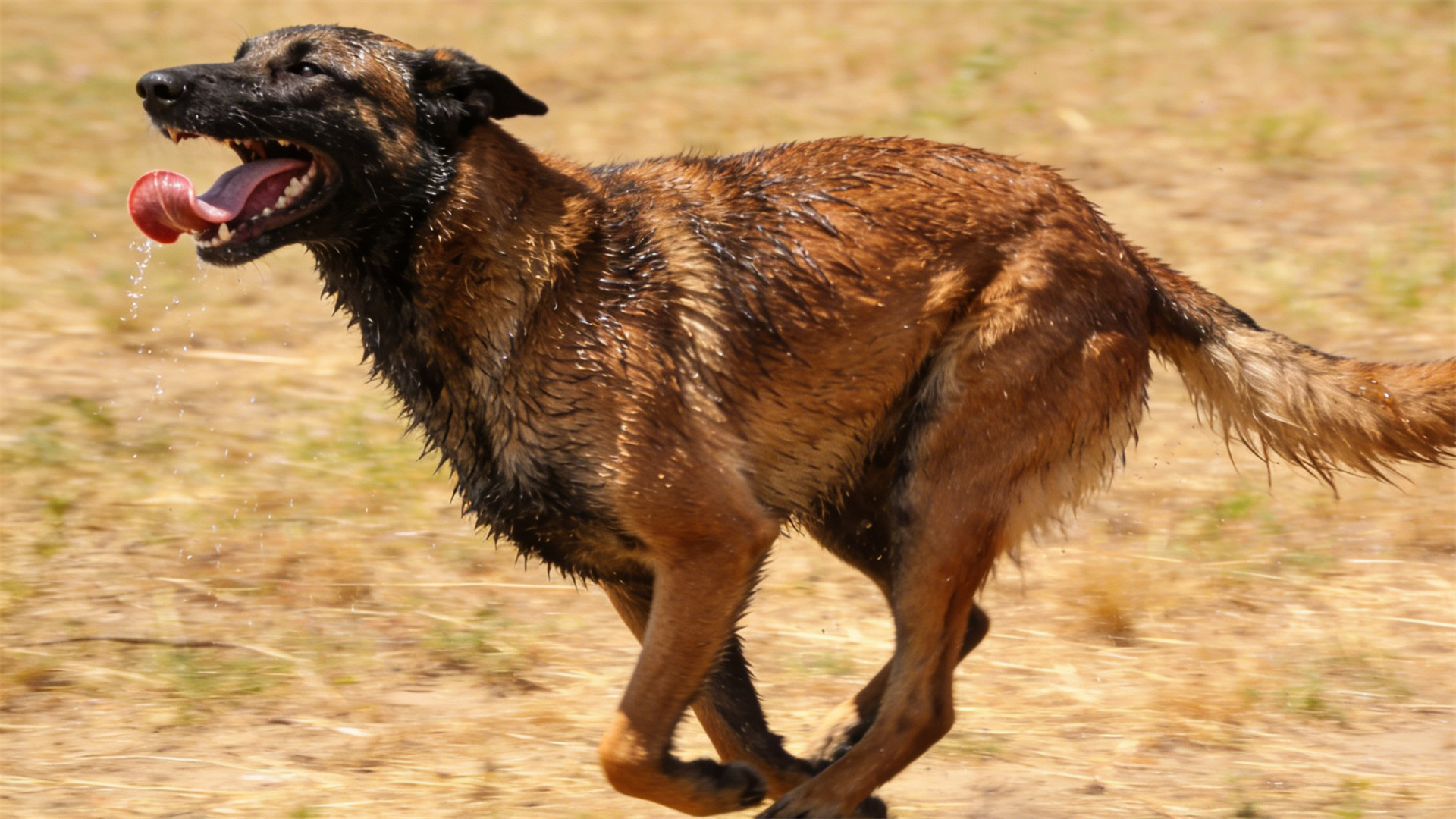
Physical recovery for working dogs: the science of electrolyte replenishment after high-intensity exercise
In the world of canine athletes, victory and reliability are forged not only in the intensity of the work but in the quality of the recovery that follows. For the working dog—be it a police K9, a search-and-rescue hero, an agility champion, or a dedicated sport partner—high-intensity exercise is a routine demand. While we meticulously plan their training and fuel their drive, the science of physical recovery, particularly electrolyte replenishment for dogs, is often the unsung hero of sustained performance and long-term health. This article delves beyond simple hydration, exploring the critical physiological processes and providing a practical, evidence-based roadmap for optimizing your canine partner's post-work reset.
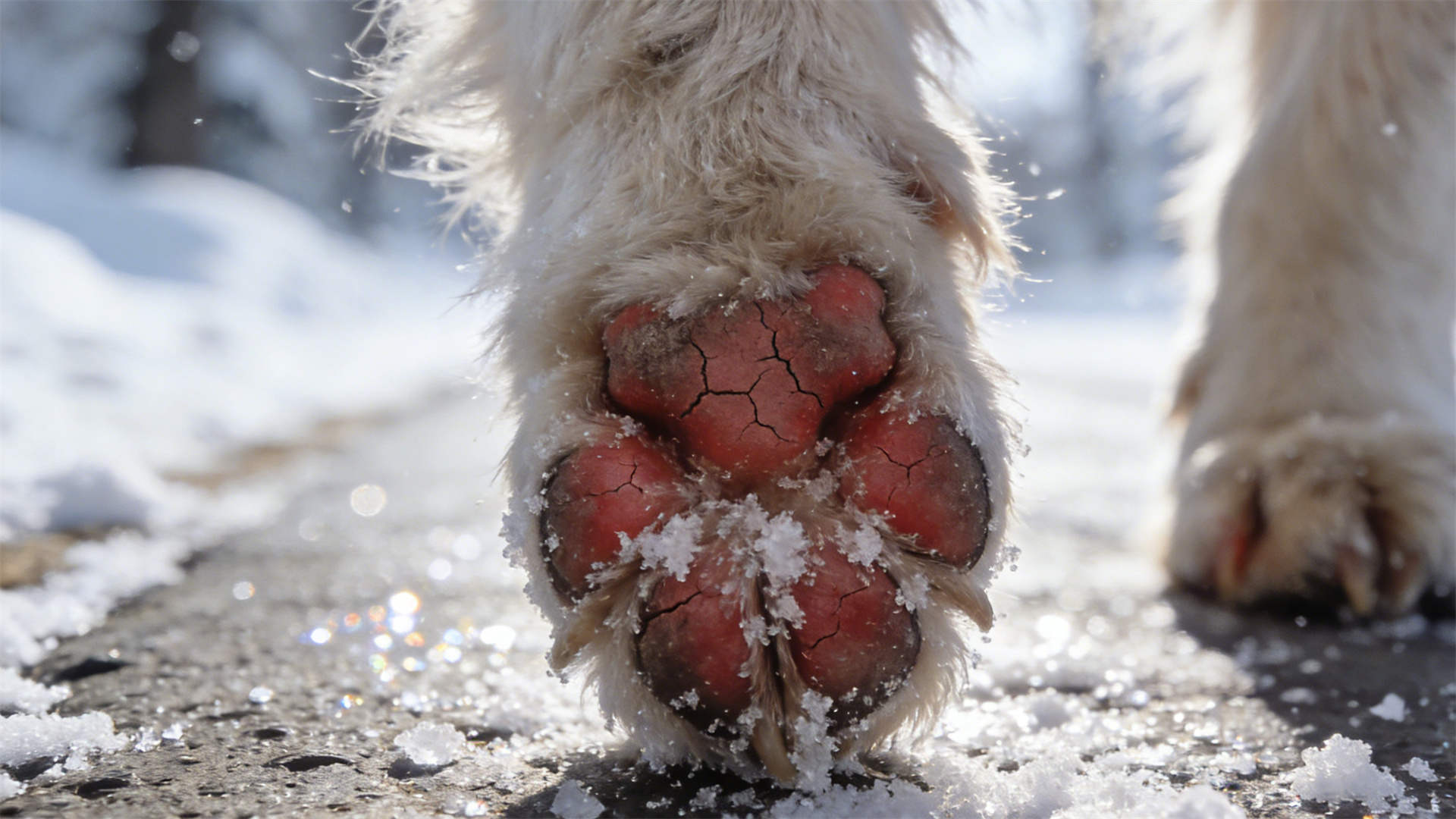
Dog paw pad care: Choosing professional ointments to prevent cracking in winter and burns in summer.
Your dog's paws are engineering marvels—compact shock absorbers, traction devices, and temperature insulators all in one. These resilient pads allow your adventurous companion to traverse countless terrains. Yet, despite their toughness, they are surprisingly vulnerable to the extreme elements of each season. Just as we protect our own feet, proactive care for your dog's paws is non-negotiable. Beyond booties, a cornerstone of this care is the use of professional ointments. This comprehensive guide will delve into why these specialized products are essential and how to select the perfect formula to keep those paws healthy and happy all year round. 🐾

2026 Canine Nutrition Standards: The Golden Ratio of Protein, Fat, and Carbohydrates
Canine nutrition is undergoing a revolution. Gone are the days of one-size-fits-all kibble. As research accelerates, we're moving from simply feeding dogs to precision-nourishing them. The question for discerning dog owners and forward-thinking professionals is no longer just "what to feed," but what precise nutritional architecture will optimize health, longevity, and vitality in the years to come. Enter the forward-looking 2026 canine nutrition standards, centered on a refined, dynamic macronutrient balance known as the Golden Ratio. This isn't a fleeting trend; it's the scientific culmination of decades of research, pointing toward a future of personalized canine wellness.