
You May Have Missed
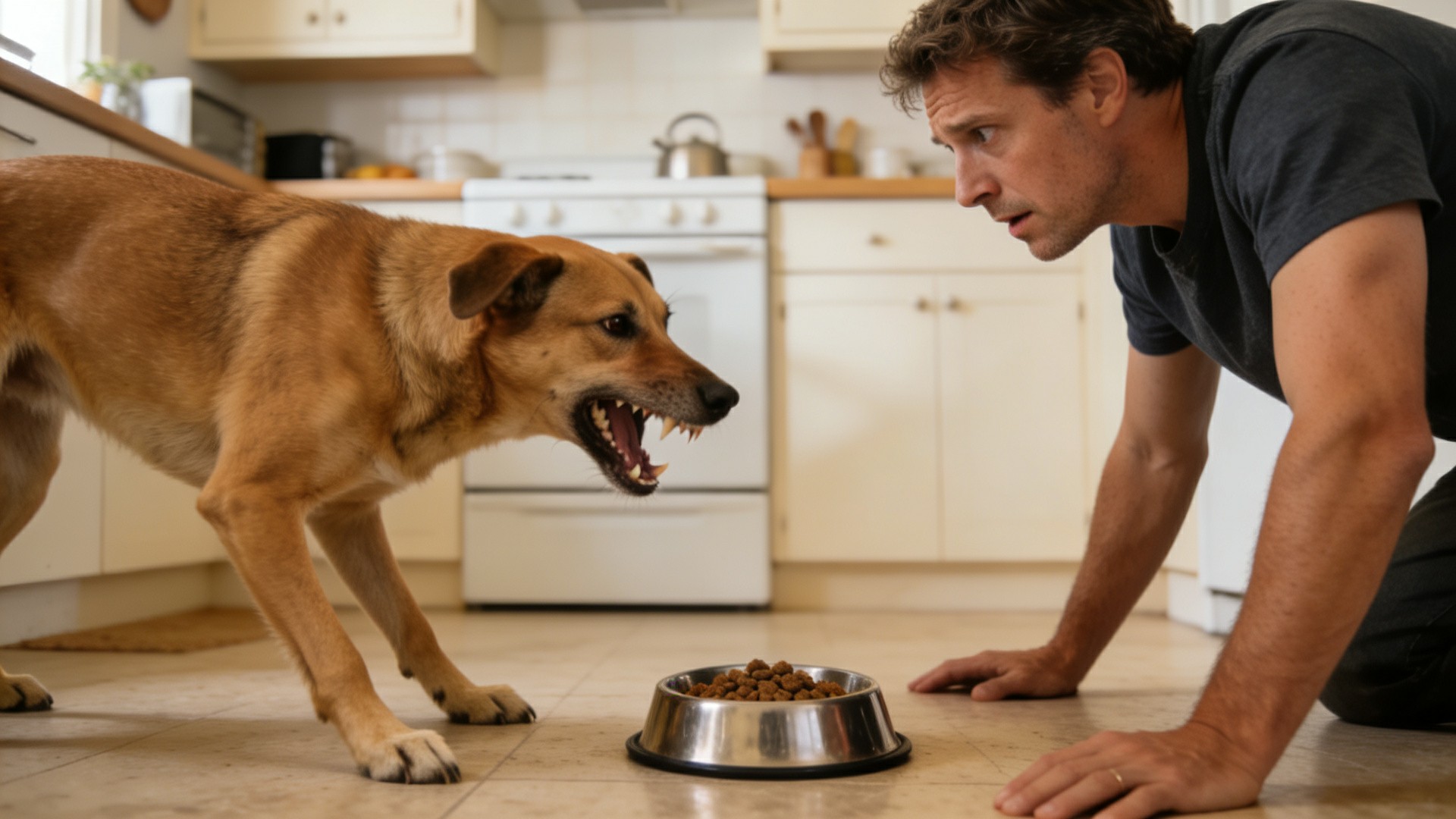
Refrain from food bowl guarding: Cultivate a "sharing" mentality in dogs from a young age.
In the harmonious home of a dog lover, few sounds are as jarring as a low growl emanating from the food bowl. Food bowl guarding is a common yet deeply concerning behavior that taps into a dog's most primal instincts. While rooted in natural survival mechanisms, when manifested in our living rooms, it can create tension, risk safety, and fracture the bond of trust. The good news? This behavior is not a life sentence. By understanding its origins and proactively cultivating a sharing mentality from the earliest age, we can guide our canine companions toward a mindset of relaxed abundance. This comprehensive guide will equip you with the knowledge and actionable strategies to prevent resource guarding, ensuring meal times are peaceful and your dog feels secure, not defensive.
Quick Method for Establishing a Fixed Toileting Habit: How to Build a Conditioned Reflex Using Inducers and Rewards
House training. For many new dog owners, these two words conjure feelings of frustration, confusion, and the unmistakable scent of enzymatic cleaner. The cycle of guessing, accidents, and failed schedules can test the bond with your new companion. But what if the key wasn't just more frequent trips outside, but smarter communication? What if you could build a reliable, almost automatic habit in your dog? The solution lies not in scolding, but in leveraging the simple, powerful principles of behavioral psychology. This guide outlines a quick method for establishing a fixed toileting habit by constructing a clear conditioned reflex using two precise tools: the inducer and the reward. It’s a method that transforms you from a cleaner to a coach, forging a partnership built on clarity and positive reinforcement.
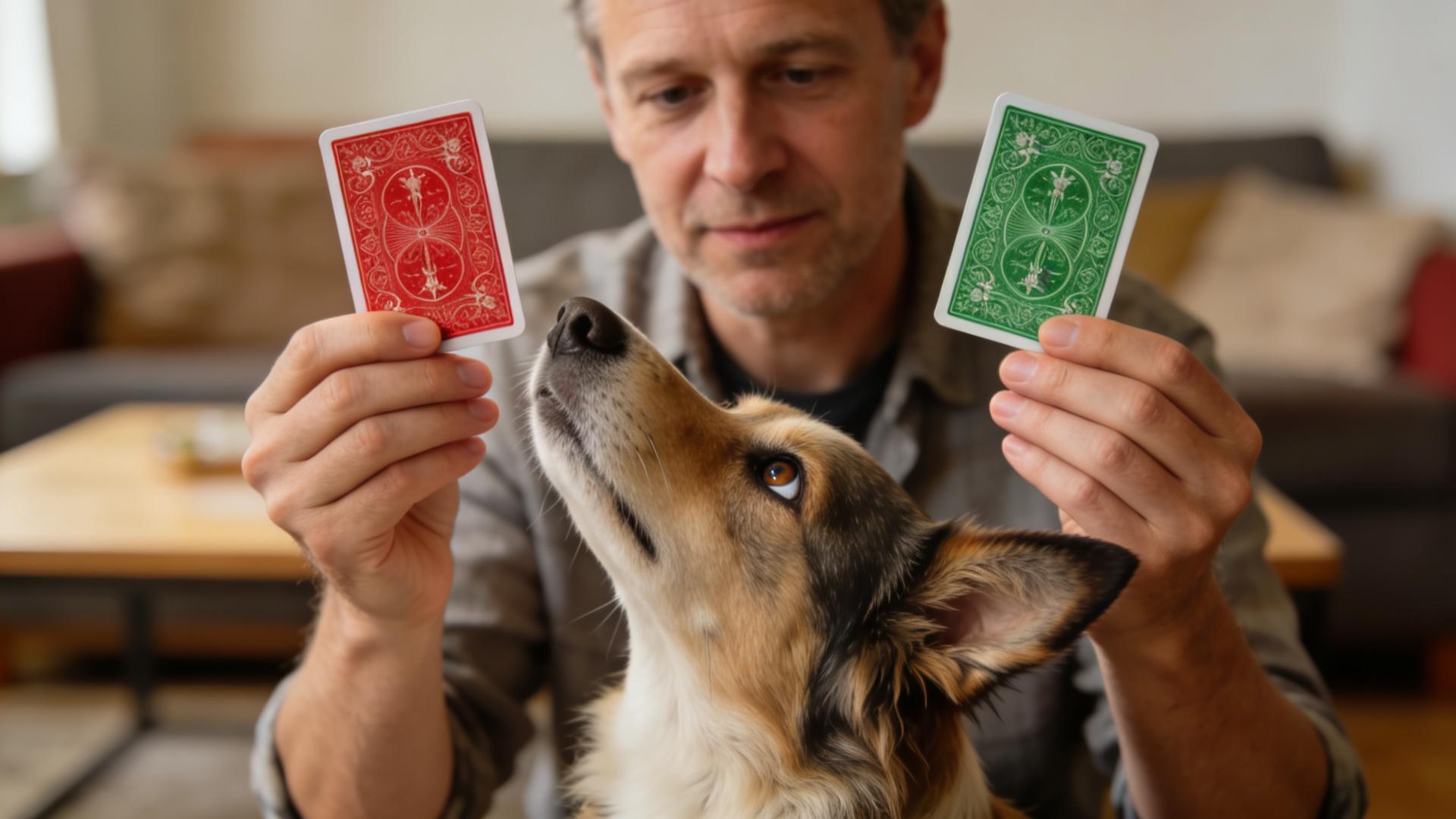
Traffic light training at intersections: Establishing visual signals for "stop" and "go".
Navigating busy urban intersections with your dog can transform a relaxing walk into a nerve-wracking game of chance. The honking cars, bustling pedestrians, and unpredictable movements create a minefield of distractions and dangers. What if you could introduce a common language of safety, one your dog understands as clearly as you understand a red or green light? This article delves into the powerful method of traffic light training for dogs, a system of visual signals that establishes crystal-clear "stop" and "go" cues. Our purpose is to provide you with a proven, step-by-step methodology to enhance your intersection safety for canines, forging not only a safer companion but a deeper bond built on communication and trust.
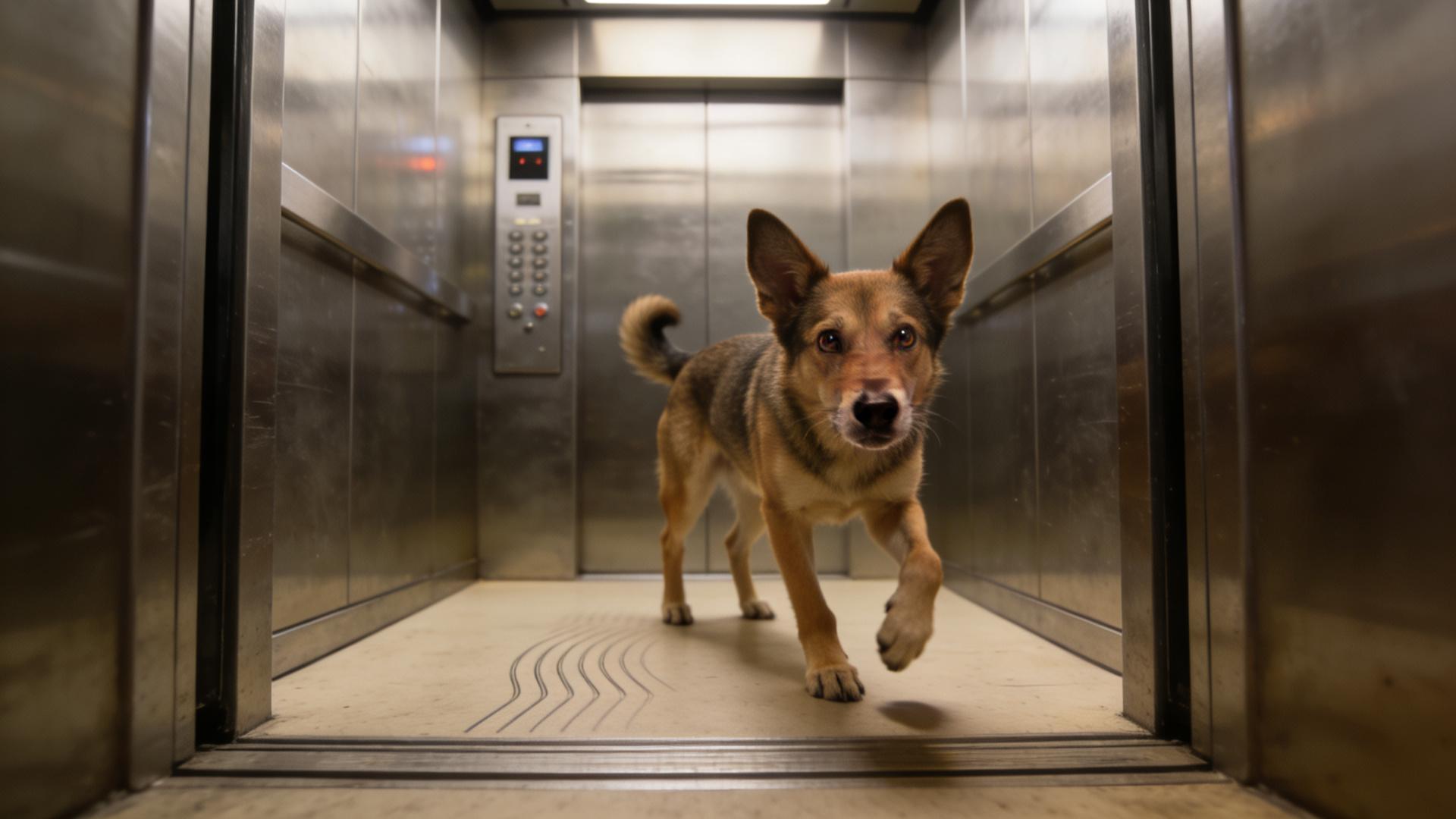
Elevator etiquette training: Calm control when entering confined spaces
The doors slide shut with a soft whoosh, the floor gives a slight lurch, and suddenly, the world feels very small. For many dogs, an elevator ride is a confusing cocktail of strange sounds, confined space, and unpredictable movement. Imagine your dog, panting heavily, pulling on the leash, or even trying to bolt as the doors open. This common scenario isn't just stressful—it can be a safety risk for everyone involved. Training your dog for elevator etiquette is not a luxury; it's a crucial skill for urban living that ensures safety and comfort for your pet, you, and fellow passengers. With patience and the right approach, you can transform this daunting experience into a calm, controlled routine.
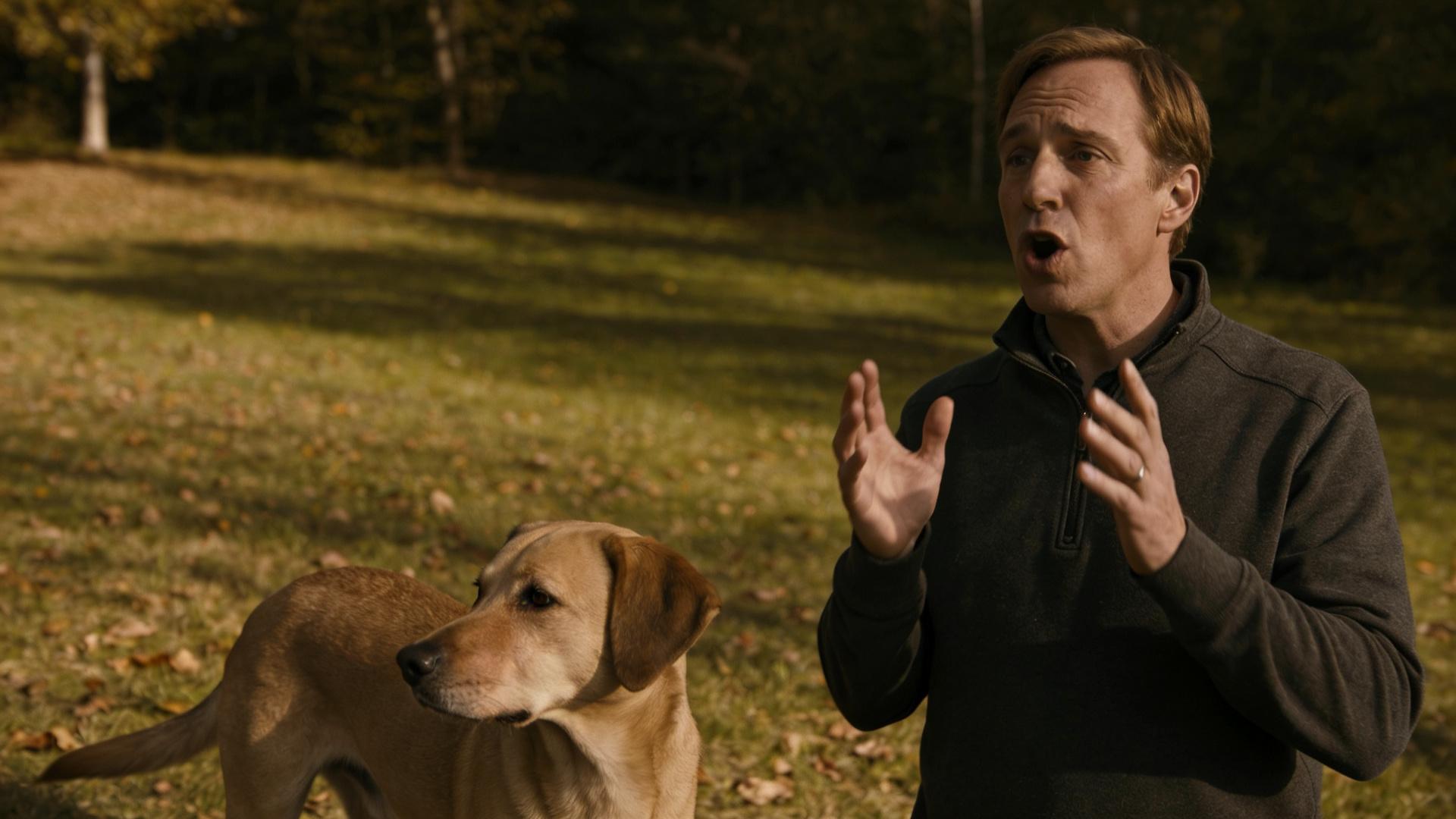
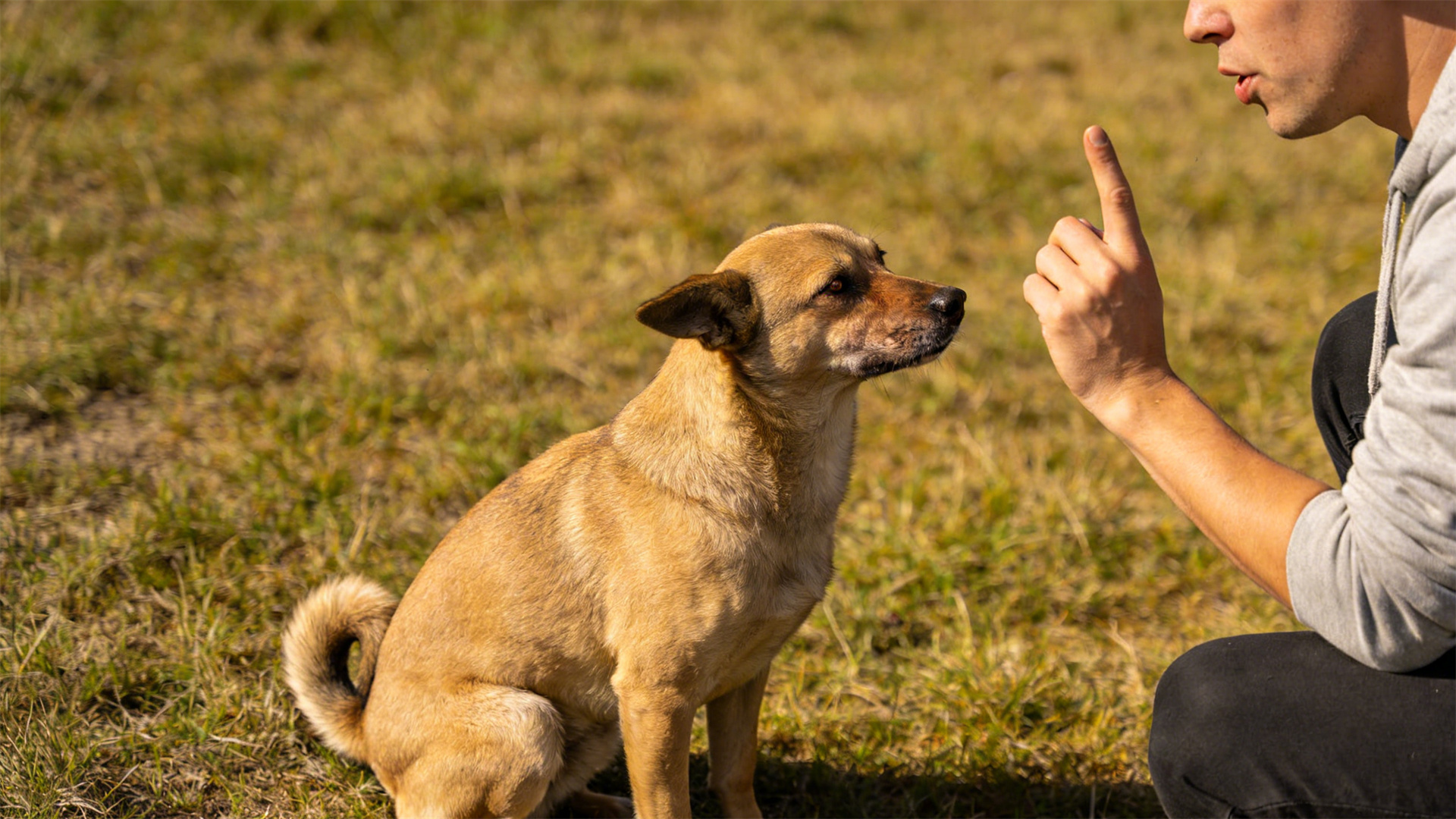
The first "Sit down": How to use gestures to quickly establish command awareness
Welcome, fellow dog lover. If you're standing there, repeating "sit, sit, SIT!" while your dog looks blissfully past you, you're only using half of your communication toolkit. You're speaking, but your dog's native language is visual. This guide will fundamentally transform how you connect with your canine companion, starting with the foundational command: the "sit." We're going beyond the basic verbal cue to unlock the power of silent gestures, building an instant, unwavering layer of command awareness that cuts through noise, distance, and distraction. Let's begin the conversation your dog has been waiting for.
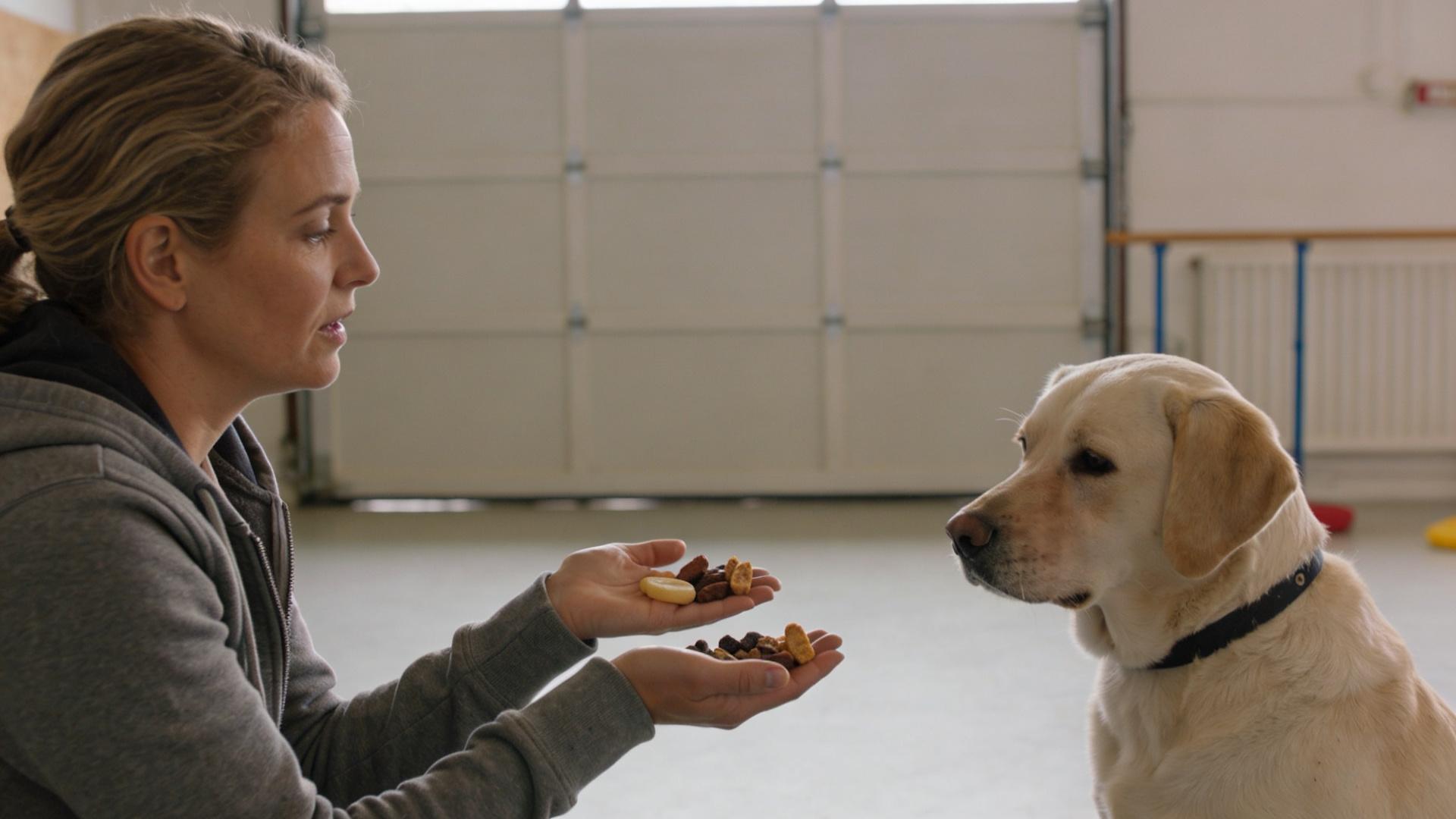
Randomizing rewards: How to keep your dog looking forward to commands
You’ve nailed the basics. Your dog can sit, stay, and come on command. But lately, you’ve noticed a lag—a reluctant plop into a "sit," a distracted glance during "stay." The spark of enthusiastic obedience seems to have dimmed. You’re not alone. This training fatigue, for both owner and dog, is a common hurdle. The culprit is often predictability. The solution? Mastering the art of randomizing rewards. This article will transform your approach to dog training by introducing you to the powerful psychological principle of variable reinforcement, a method that will reignite your dog’s motivation and forge an unshakeable, joyful response to your commands.