
You May Have Missed
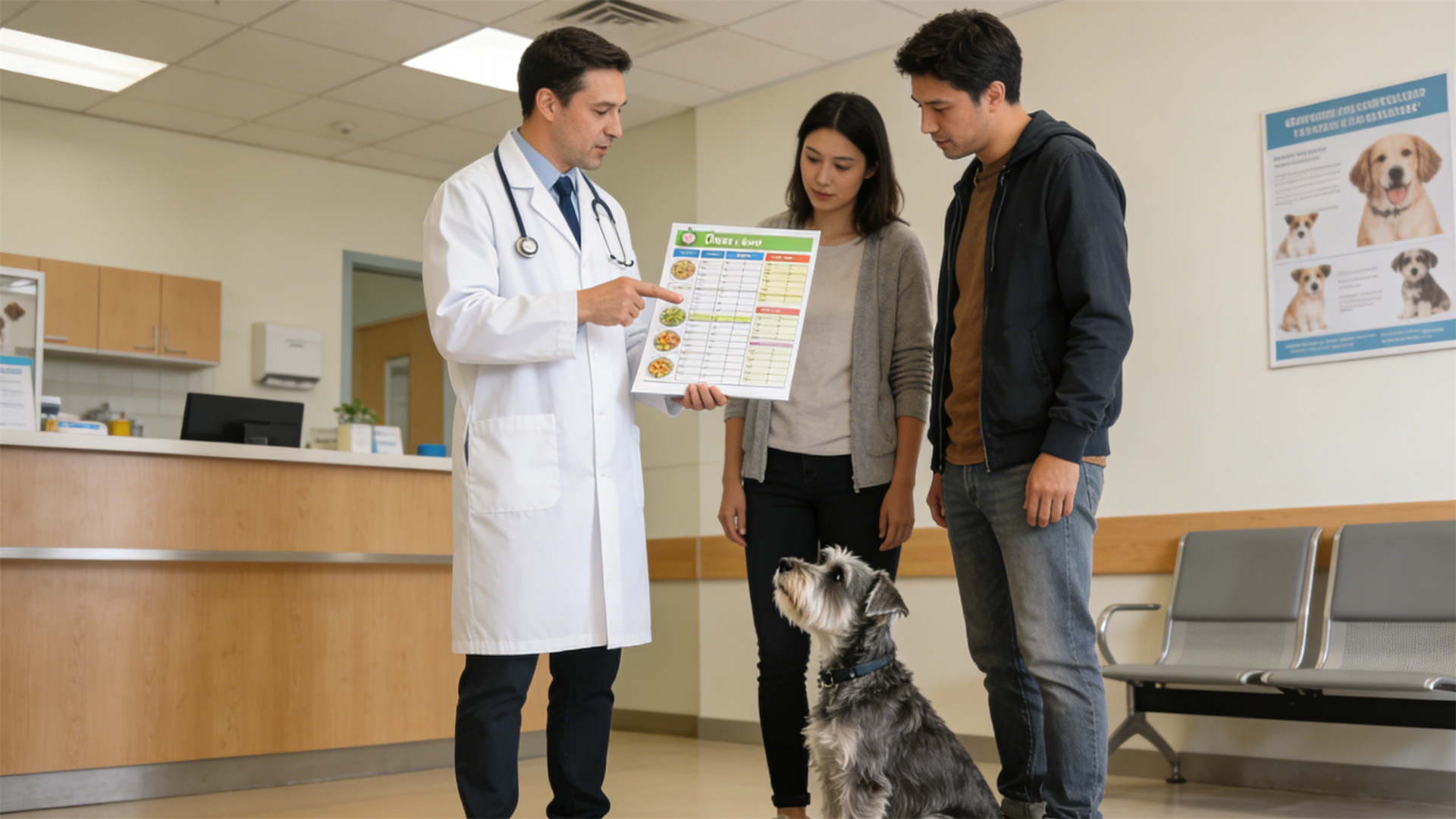
Schnauzer's hyperlipidemia: Why does this breed require a stricter diet with less oil?
With their iconic beards, bushy eyebrows, and spirited personalities, Schnauzers have captured the hearts of dog lovers worldwide. Whether it’s the spunky Miniature, the standard-bearer Standard, or the regal Giant, this breed family is renowned for its intelligence and loyalty. However, beneath that wiry coat lies a hidden, breed-specific metabolic quirk that demands vigilant attention from owners: a profound predisposition to hyperlipidemia. This condition makes a tailored, low-fat Schnauzer diet less oil not just a recommendation, but a critical component of lifelong health. This article delves into the genetic reasons, the potential health fallout, and the practical Schnauzer dietary requirements to manage this silent threat.

Corgi and Dachshund Spinal Insurance: Home Taboos for Protecting Intervertebral Discs (IVDD)
For the devoted owner of a Corgi, Dachshund, or similar short-legged breed, that joyful, wiggly gait is a constant source of delight. Yet, beneath that charming exterior lies a hidden vulnerability: a significant risk for Intervertebral Disc Disease (IVDD). This condition, where the cushioning discs between the vertebrae degenerate or herniate, can lead to pain, nerve damage, and even paralysis. The financial and emotional toll of treating IVDD can be overwhelming. This comprehensive guide addresses two critical pillars of proactive care: understanding the home taboos essential for prevention and demystifying the vital safety net of Corgi and Dachshund spinal insurance. By mastering both, you can dramatically improve your dog's quality of life and be financially prepared should a crisis arise.

Hypoglycemia in Small Dogs: Details of Managing Small, Frequent Meals in Puppies
For owners of tiny companions—a Chihuahua, Yorkie, Pomeranian, or any other petite breed—the joy of a new puppy is immense. Yet, this joy comes with a significant responsibility unique to their size: guarding against hypoglycemia, or dangerously low blood sugar. This condition isn't just a minor concern; it's a potentially life-threatening emergency that can escalate with frightening speed. The cornerstone of prevention and management lies in a deceptively simple strategy: small, frequent meals. This article is your comprehensive guide to understanding why this is non-negotiable for toy and small breed puppies and exactly how to implement it to ensure your furry friend thrives.

Canine Gut Microbiota: The Practical Role of Probiotics and Prebiotics in Improving Soft Stools
If you're here, you've likely been on the less glamorous end of dog ownership. You're not just a pet parent. You're a poop detective. The sight of a soft, unformed stool where a firm, healthy one should be is a common but frustrating concern. Before you spiral into worry about serious illness or dietary dead-ends, take a deep breath. More often than not, the answer lies not in a dramatic medication, but in the microscopic world within your dog's digestive tract. The solution is often about nurturing balance. This article will guide you through the practical, actionable science of your dog's gut health. We will demystify the canine gut microbiota and explain exactly how two powerful tools—probiotics and prebiotics—can work together to transform your dog's digestion and finally firm up those stools.
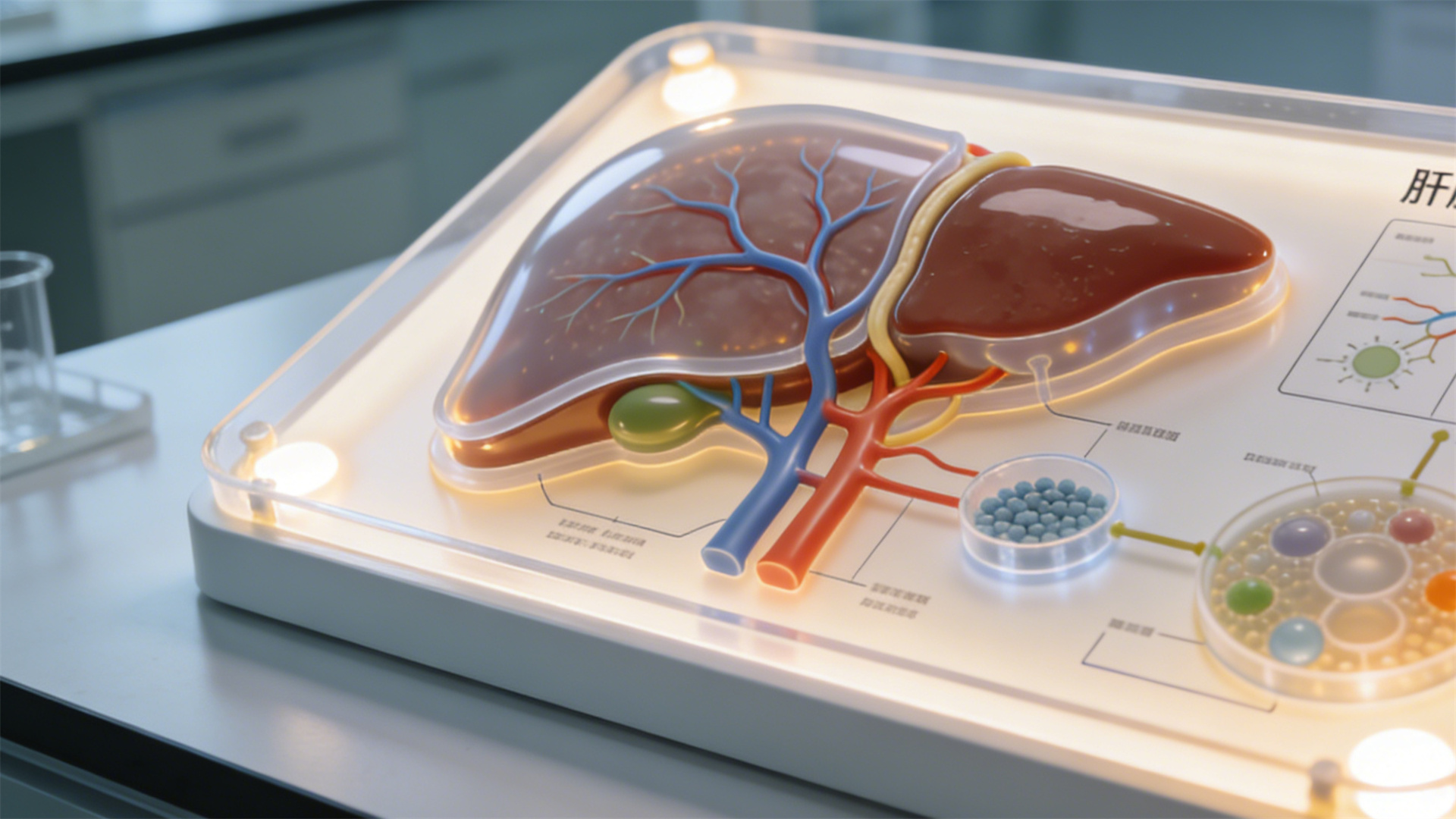
Metabolic stress of deworming medication: How to find a balance between high-frequency deworming and liver protection
As a devoted dog owner, you know that parasite prevention is a non-negotiable pillar of responsible pet care. The image of a healthy, playful pup is one free from the burden of internal worms. But in our quest to protect them, could we be inadvertently stressing another vital system? The very medications designed to safeguard our dogs must be processed by their bodies, primarily through the liver. This creates a scenario of metabolic stress—a hidden cost that demands our attention. This article delves into the science behind this process, explores the debate on deworming frequency, and provides a practical roadmap to balance effective parasite control with robust liver protection for dogs.
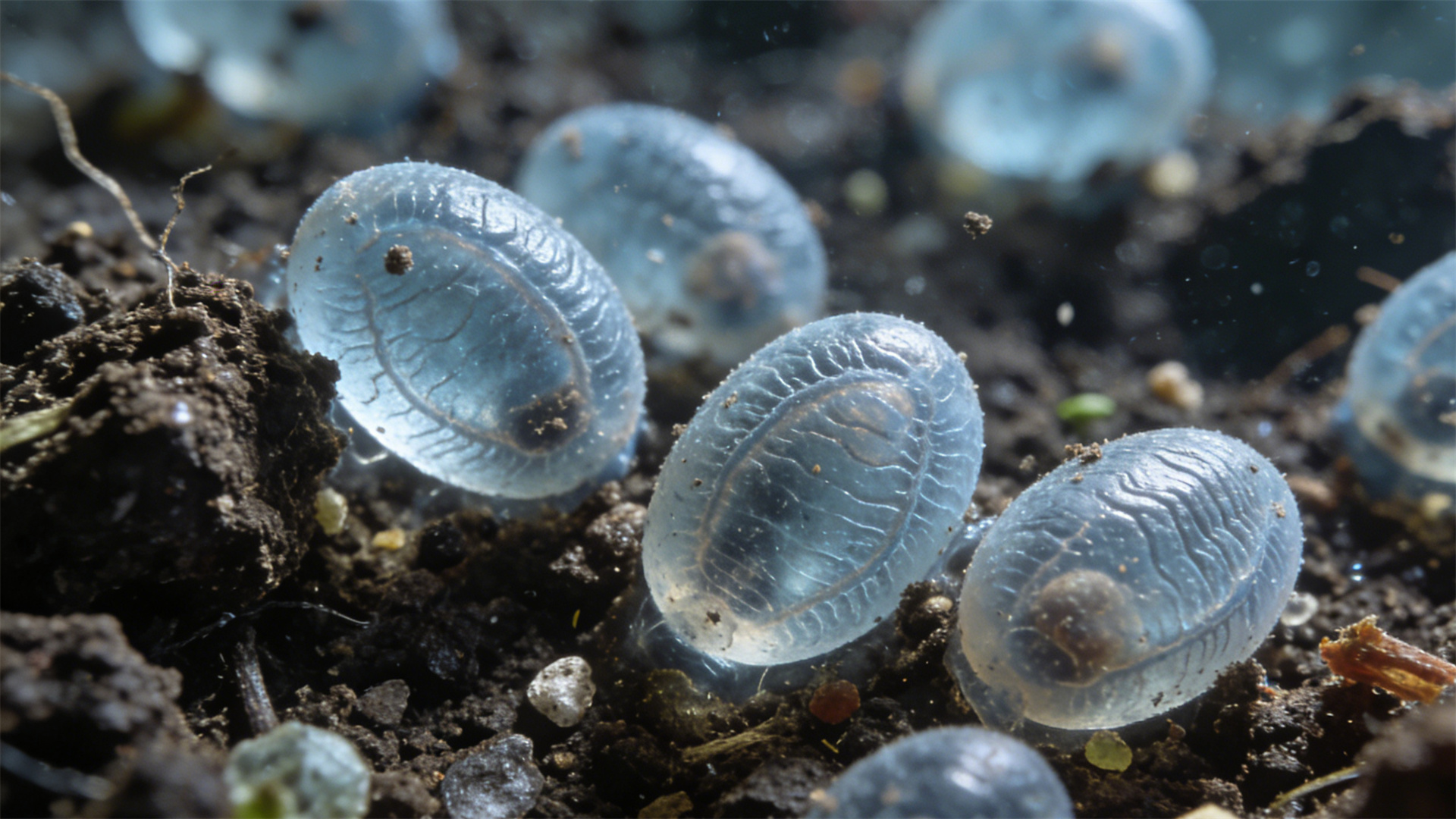
Warning about zoonotic diseases in cats and dogs: How to prevent cross-infection of parasites in multi-pet households
Welcome to your essential guide for safeguarding your furry family and yourself! If your home is blessed with the pitter-patter of both canine and feline paws, you're part of a vibrant multi-pet household. However, this wonderful coexistence comes with a heightened responsibility: managing the risk of zoonotic diseases. These are infections that can transfer from animals to humans, and parasites are often the culprits. The close quarters of a shared home create perfect conditions for parasite cross infection. But fear not—with knowledge and proactive steps, you can create a fortress of safety. This article will equip you with everything you need to know about common threats and actionable zoonosis prevention tips.