
You May Have Missed
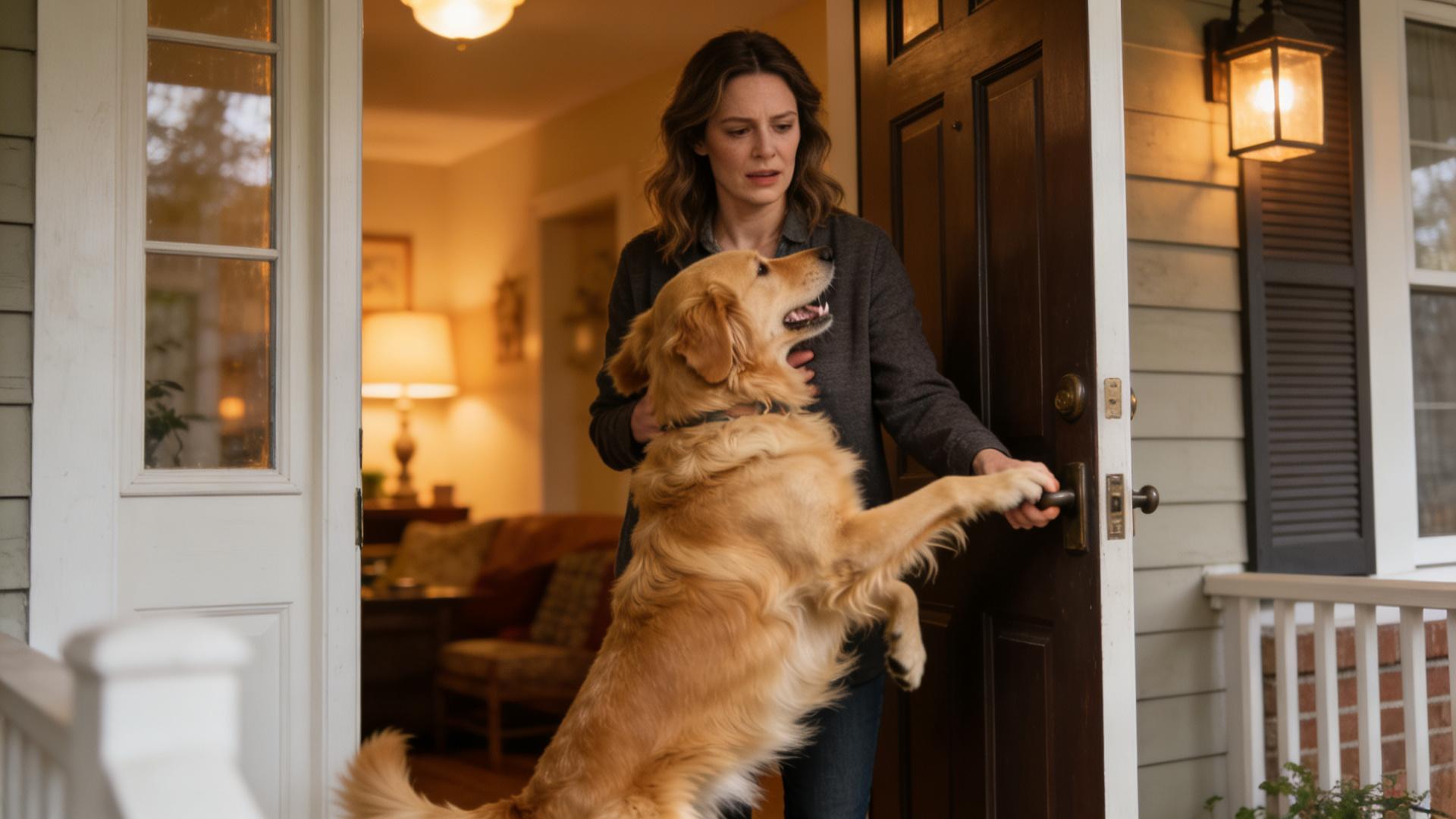
Refrain from jumping on people: Correcting a dog's social etiquette of jumping to greet people when excited.
For many dog owners, the joyful pitter-patter of paws is the soundtrack of homecoming. Yet, that joy can quickly turn to embarrassment or concern when those paws leave the ground and land squarely on a guest’s chest. A dog jumping to greet is a universal challenge, born from pure canine enthusiasm but fraught with social and safety implications. Correcting this instinctual behavior isn't about suppressing your dog's spirit; it's about channeling that excitement into a form of communication that humans understand and appreciate. This comprehensive guide delves into the why behind the jump and provides a detailed, step-by-roadmap for teaching a polite, four-on-the-floor greeting.
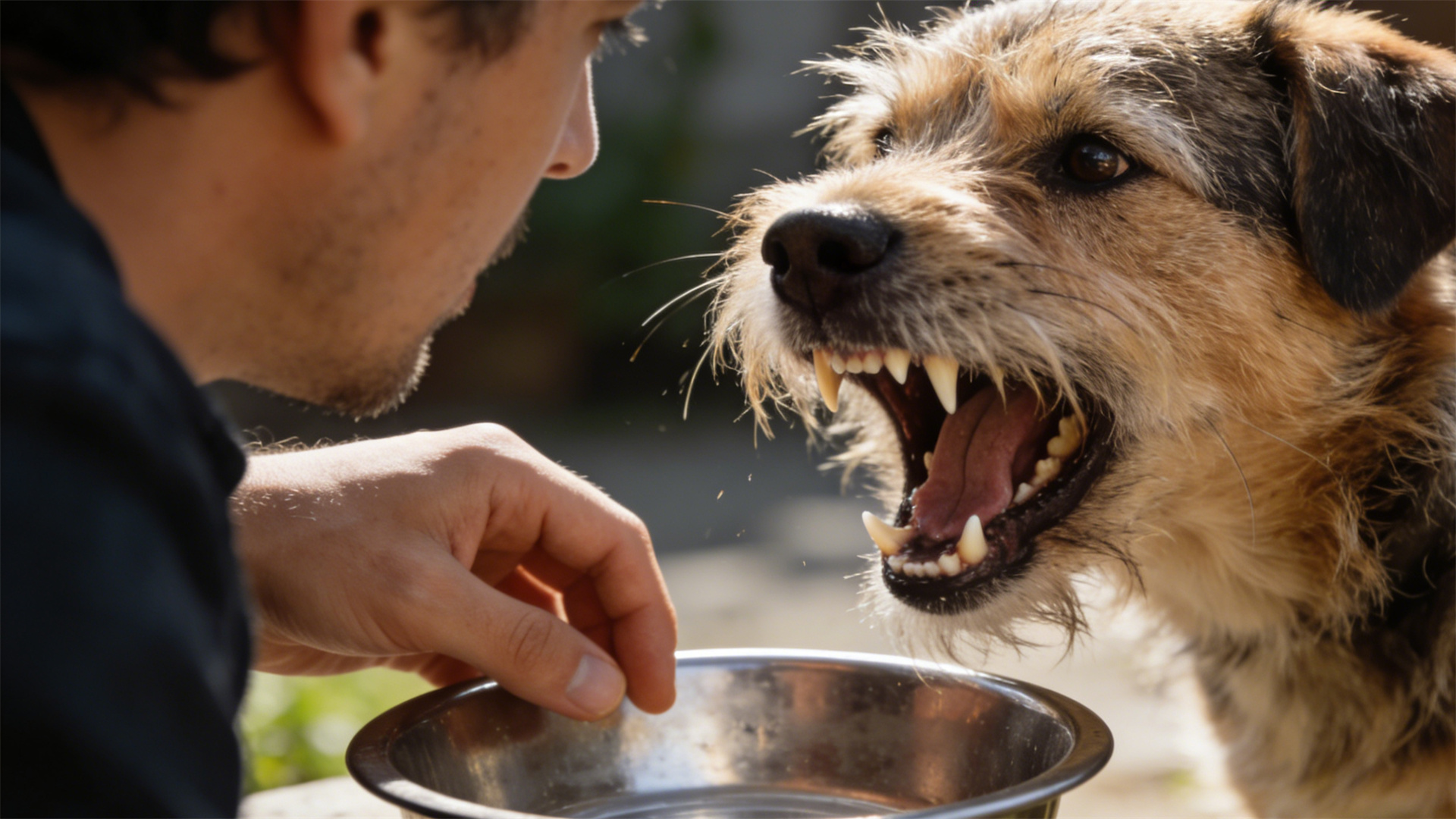
Level 4: Behavioral Modification and Psychological Counseling
The journey of canine companionship reaches its most profound stage when we move beyond basic obedience and address the complex inner world of our dogs. Canine behavioral modification and dog psychological counseling represent this advanced tier of understanding and intervention. This stage is not about teaching commands. It is a dedicated therapeutic process focused on diagnosing and rehabilitating deep-seated emotional and psychological disorders. It addresses the root causes of behaviors like aggression, severe anxiety, phobias, and compulsive disorders. Engaging in this level requires a shift from viewing a dog as "disobedient" to recognizing it as an individual experiencing significant distress. This article serves as a comprehensive guide for dedicated owners and aspiring professionals. It delves into the principles, techniques, and compassionate framework necessary for true severe dog behavior rehabilitation.
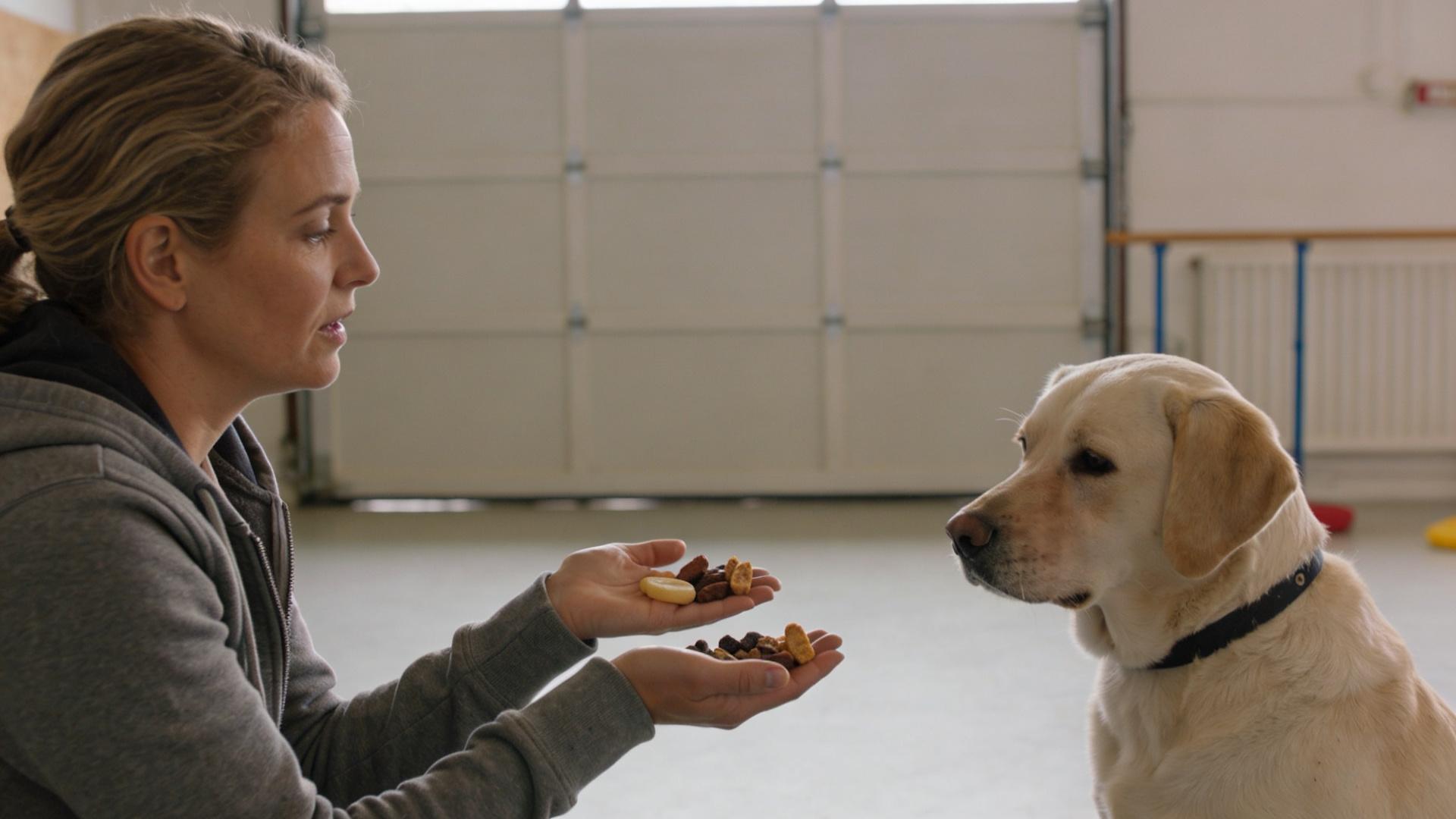
Randomizing rewards: How to keep your dog looking forward to commands
You’ve nailed the basics. Your dog can sit, stay, and come on command. But lately, you’ve noticed a lag—a reluctant plop into a "sit," a distracted glance during "stay." The spark of enthusiastic obedience seems to have dimmed. You’re not alone. This training fatigue, for both owner and dog, is a common hurdle. The culprit is often predictability. The solution? Mastering the art of randomizing rewards. This article will transform your approach to dog training by introducing you to the powerful psychological principle of variable reinforcement, a method that will reignite your dog’s motivation and forge an unshakeable, joyful response to your commands.

Happy Bath Training: Techniques to Make Your Dog Love Playing in Water and Blow-drying
Does your dog dive under the bed at the mere mention of a bath? You're not alone! But what if bath time could be filled with wagging tails and happy splashes? Welcome to the world of happy bath training—a systematic, positive approach designed to transform grooming from a stressful ordeal into a fun, trust-building activity. This comprehensive guide will equip you with proven techniques to help your dog not only tolerate but genuinely enjoy water and blow-drying. Embracing happy bath time is a game-changer for your dog's health and your peace of mind. Let's turn that fear into fun! 🐾
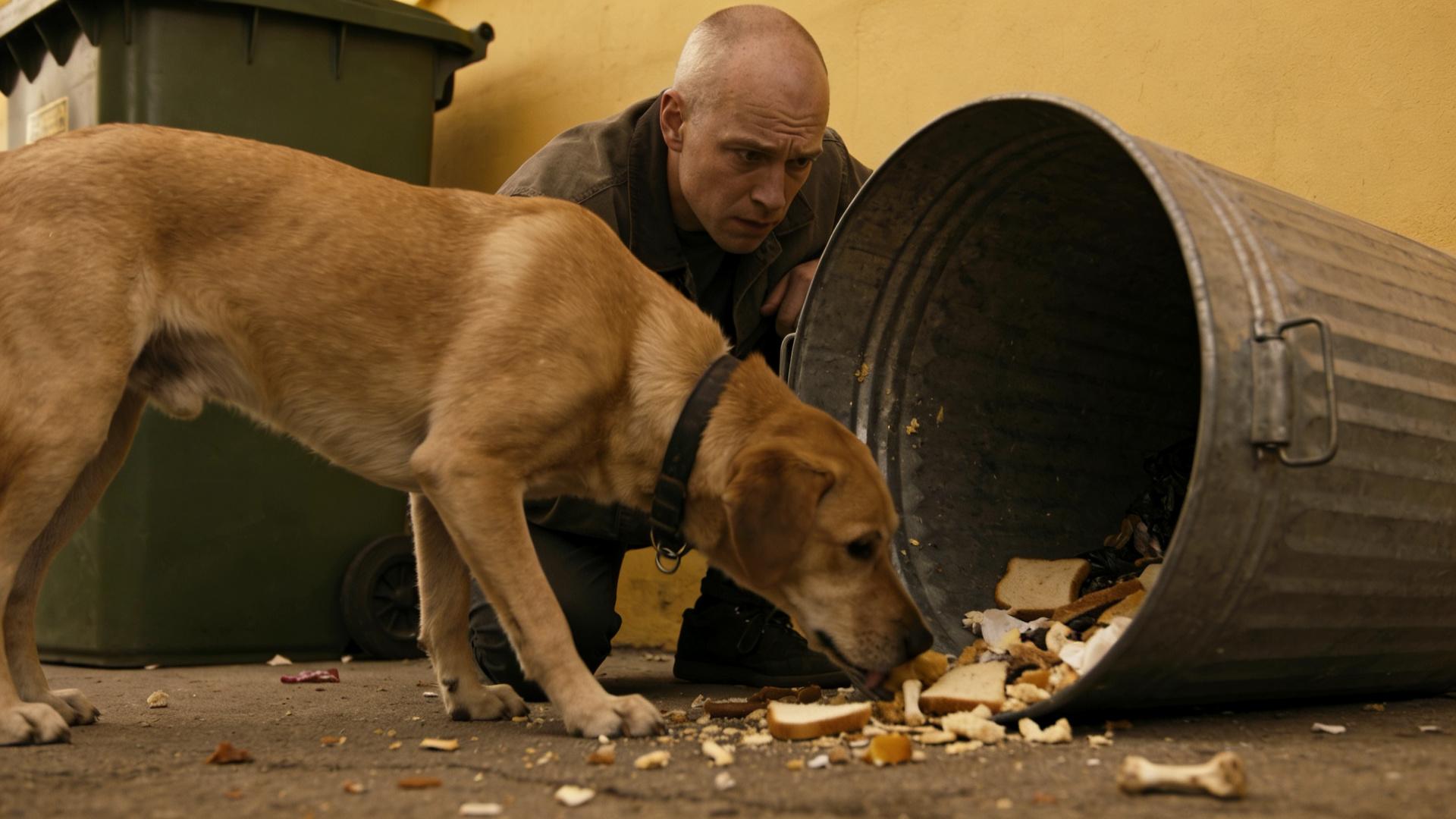
Habitual rummagerer in trash cans: How to correct this behavior through environmental setup and aversion therapy
Does your otherwise perfect pup transform into a trash bandit the moment you turn your back? You're not alone. This frustrating, messy, and potentially dangerous behavior is one of the most common complaints among dog owners. The good news is that it's highly manageable—but not through scolding or punishment. Successfully reclaiming your garbage requires a smart, two-pronged strategy: environmental management and behavior modification. This comprehensive guide will walk you through exactly how to implement both, creating a cleaner home and a safer, happier dog.

Solving a dog's "fetish": Why does it always steal its owner's socks?
You’ve just finished folding the laundry, or perhaps you’re rushing to get dressed for work. One crucial item is missing: a sock. You search under the bed, behind the couch, to no avail. Then, you spot it. There, nestled in your dog’s bed, is the missing sock—slightly damp, covered in slobber, but seemingly cherished. If this scene is a daily drama in your home, you’re not alone. The dog sock stealing behavior is a universal, baffling, and often frustrating canine quirk. But what if this isn't just mischievous defiance? What if your dog’s sock obsession is a window into its canine mind? This article will delve into the instinctual drives behind this habit and provide a clear, actionable roadmap to reclaim your hosiery and restore harmony.