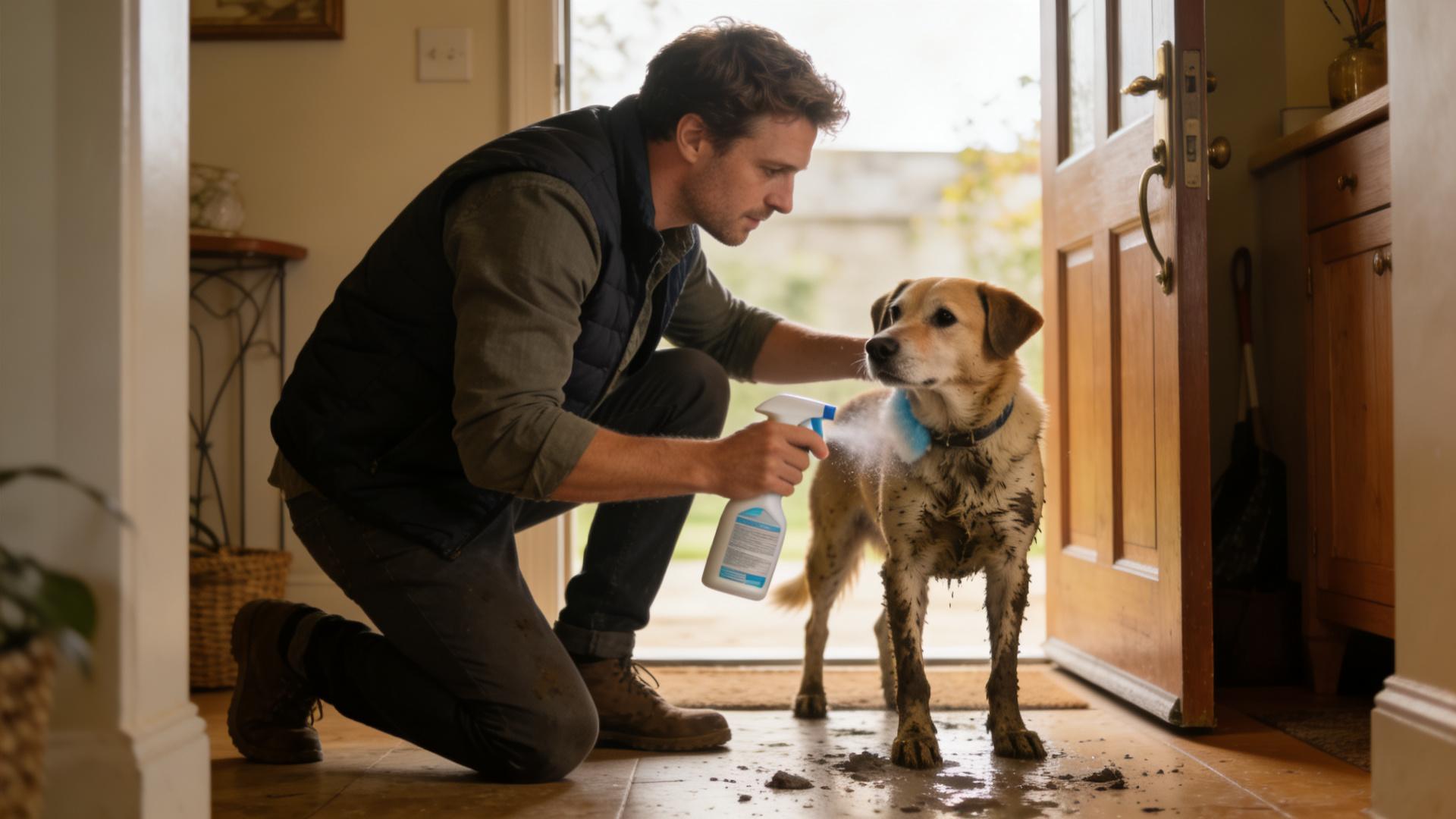
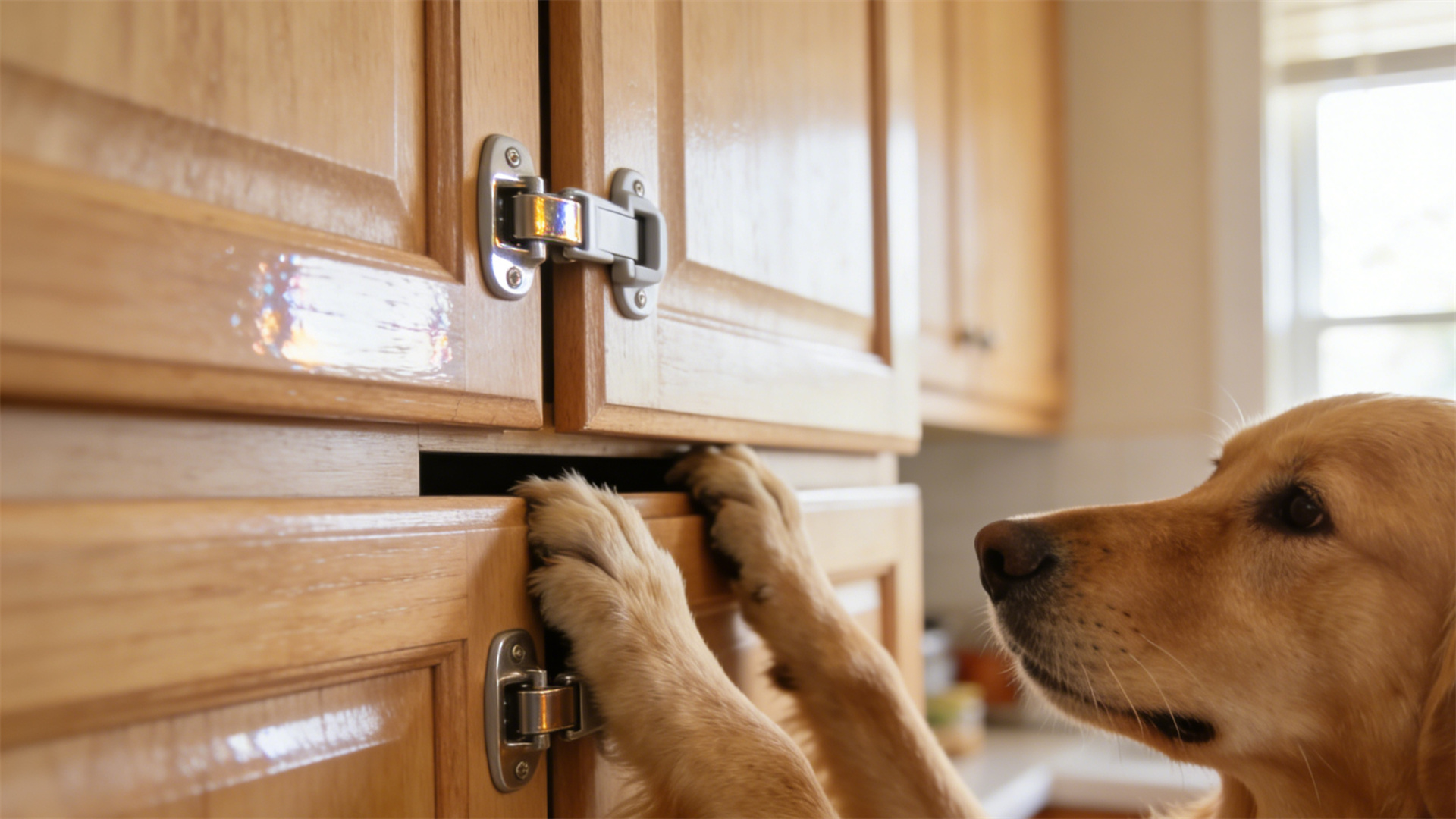
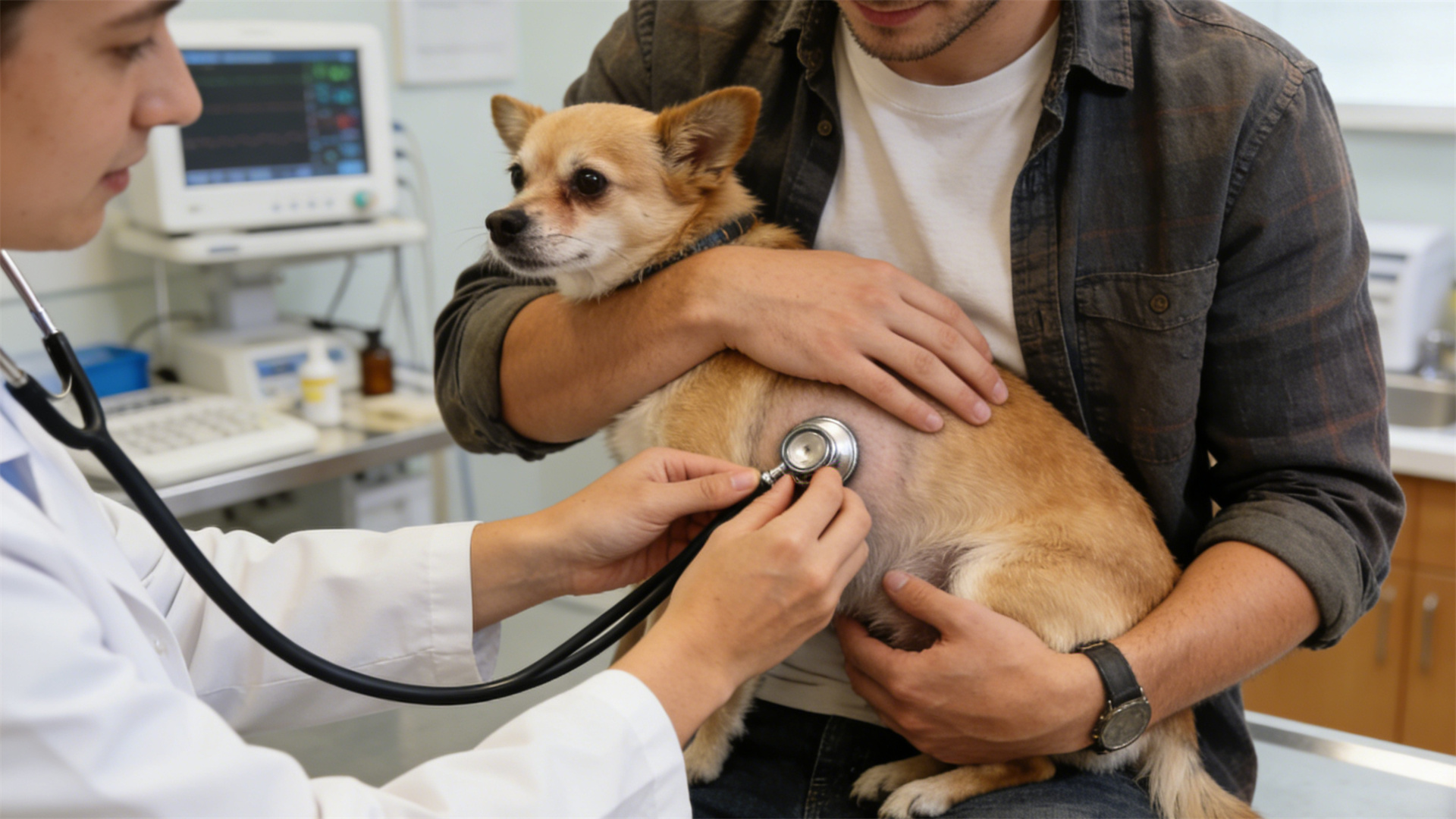
As devoted dog owners, we cherish the joy and energy our furry friends bring back from their outdoor adventures. Yet, hidden in that joy is a common, muddy (and germy) problem. From park playdates to sidewalk strolls, our dogs' paws and fur act as miniature transporters, collecting dirt, bacteria, pesticides, pollen, and even parasites like hookworms or giardia. This isn't just about muddy floors—it's about the invisible pathogens that can affect your household's health. The goal of this article is simple: to provide you with a practical, step-by-step guide for creating an effective entry-level cleaning station right in your entryway. This dedicated zone acts as a hygienic checkpoint, stopping contaminants at the door and safeguarding your living area.
✨ Key Benefits of a Dedicated Dog Cleaning Station
Implementing a structured cleaning zone is more than a convenience; it's a proactive measure for your home's ecosystem. Let's delve into the core advantages:
🧼 1. Drastically Improved Household Hygiene
A designated station contains the mess at your home's threshold. By cleaning your dog before they bound into the house, you prevent the spread of dirt, saliva, and dander across carpets, furniture, and bedding. This is crucial for maintaining a truly clean environment, not just a superficially tidy one.
🦠 2. Reduced Spread of Allergens and Pathogens
Outdoor environments are rich with potential irritants. A dog paw cleaning station for entryway directly addresses this by removing allergens like pollen and mold spores that cling to your pet's coat. More importantly, it minimizes the risk of bringing in harmful bacteria (e.g., E. coli, Salmonella) and parasites, protecting both human and pet health.
🧹 3. Easier Home Maintenance and Cleaner Floors
Say goodbye to constant mopping and vacuuming trails of paw prints. A routine stop at the station means your floors stay cleaner longer, saving you time and effort on daily chores. This is a game-changer for owners of large or active breeds, or those living in areas with frequent rain or snow.
🐶 4. Establishes a Calming, Consistent Routine for Your Dog
Dogs thrive on predictability. A consistent post-walk ritual at the same spot helps your dog understand what's expected, turning a potentially fussy cleaning session into a calm, expected part of their day. This reinforces positive behavior and strengthens your bond.
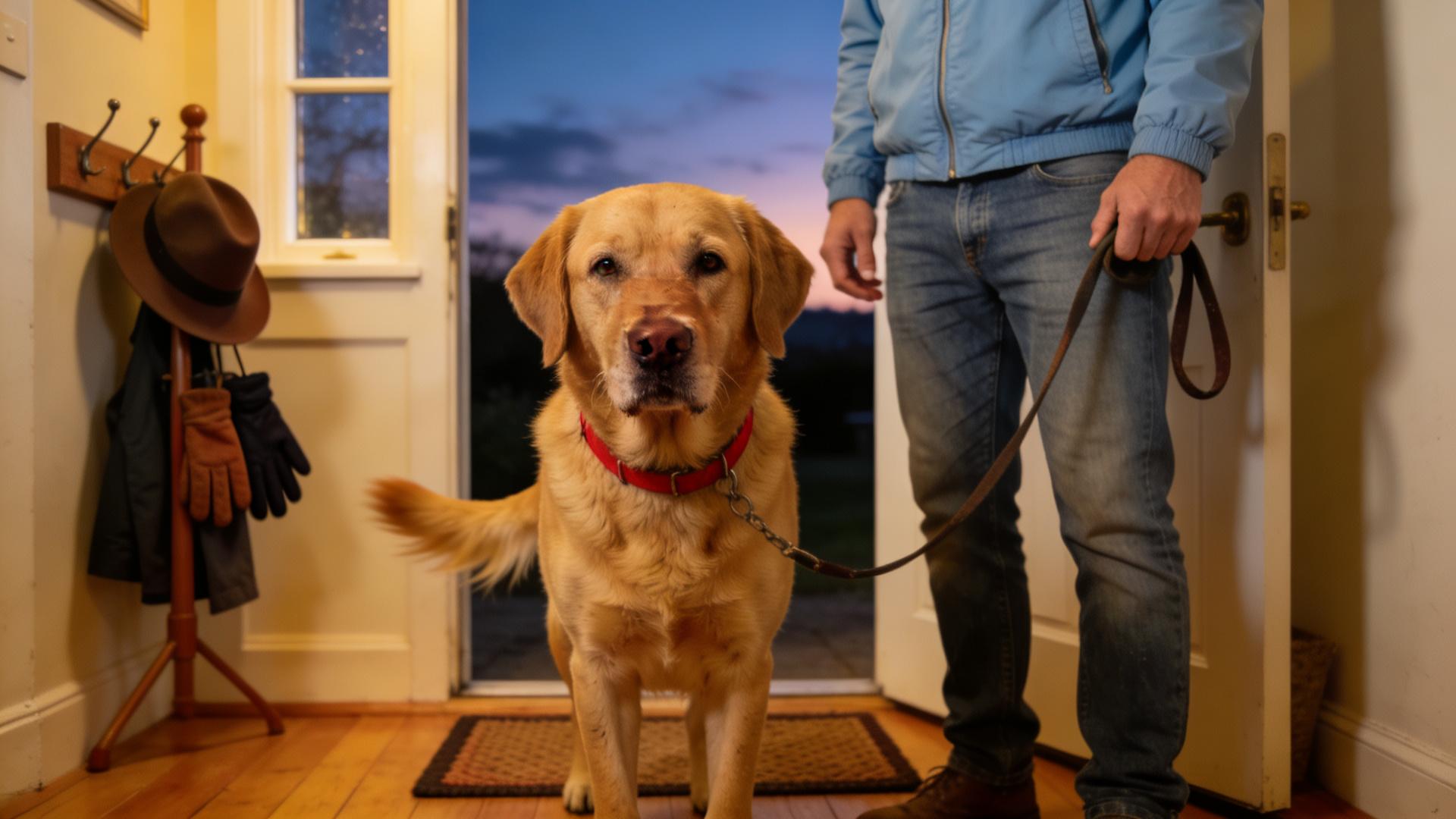
📦 Essential Supplies for Your Entry-Level Cleaning Station
You don't need a luxury mudroom or a big budget. An effective affordable dog cleaning station is built on a few key, multi-purpose items. Here’s your shopping list:
The Foundation:
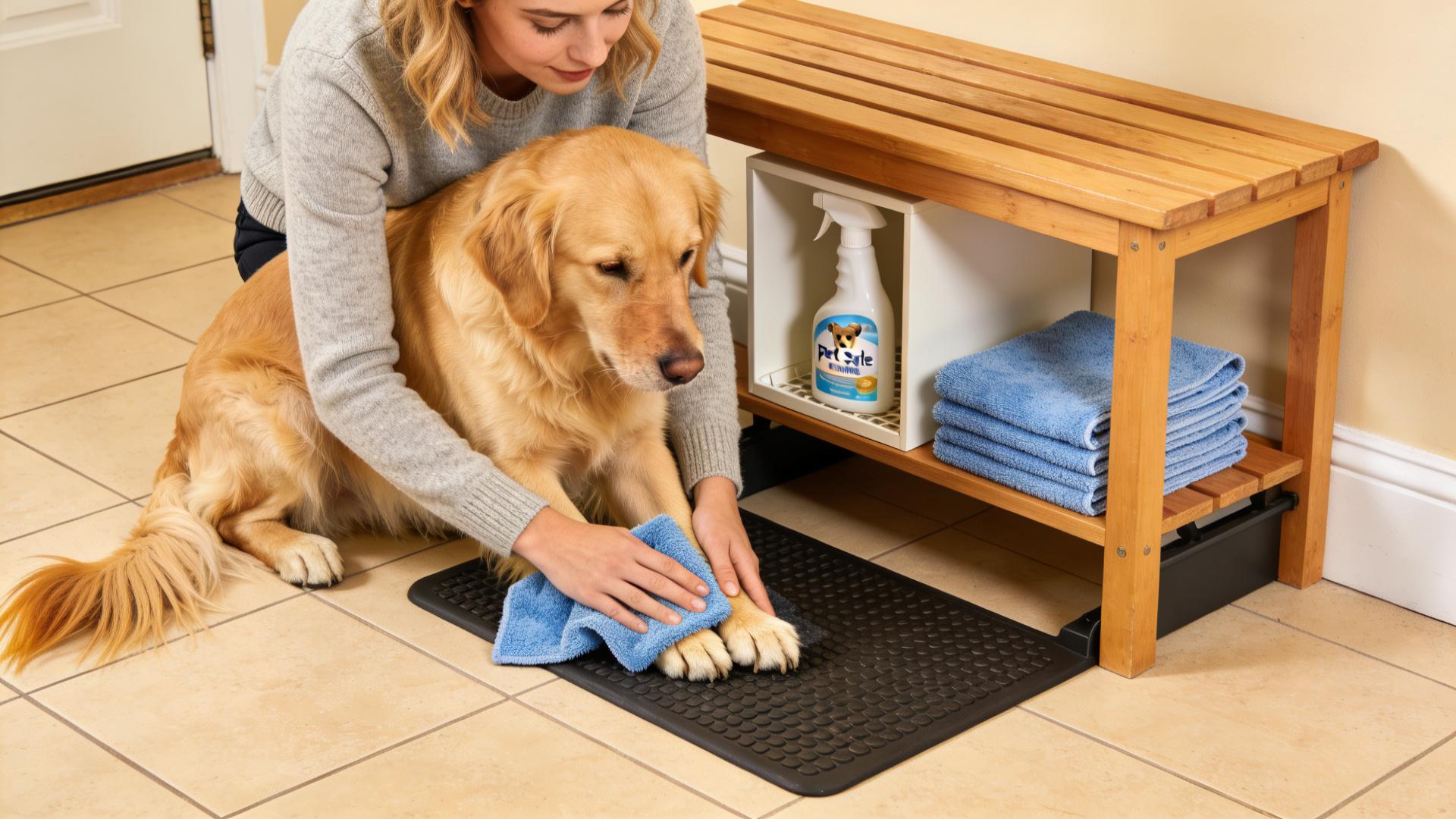
- Absorbent, Machine-Washable Mat: This is your station's anchor. Choose a heavy-duty, rubber-backed mat or a specialized absorbent "doggy" bath mat that traps moisture and dirt. (Size recommendation: At least 3'x5' to give your dog room to stand.)
- Soft, Absorbent Microfiber Towels: Keep a stack dedicated to paw and fur wiping. Microfiber is superior for trapping dirt and drying quickly.
- Pet-Safe Disinfectant Wipes or Spray & Rag: For a quick wipe-down of paws, avoiding harsh chemicals. Look for biodegradable, non-toxic formulas.
The Tools:
- A Sturdy Brush or Mitt: A silicone grooming mitt or a soft-bristled brush is perfect for flicking off dried mud, leaves, and loose fur before it hits the mat.
- A Small, Lidded Trash Bin: For disposing of used wipes, paper towels, or collected debris. A lid contains odors.
The Organizer:
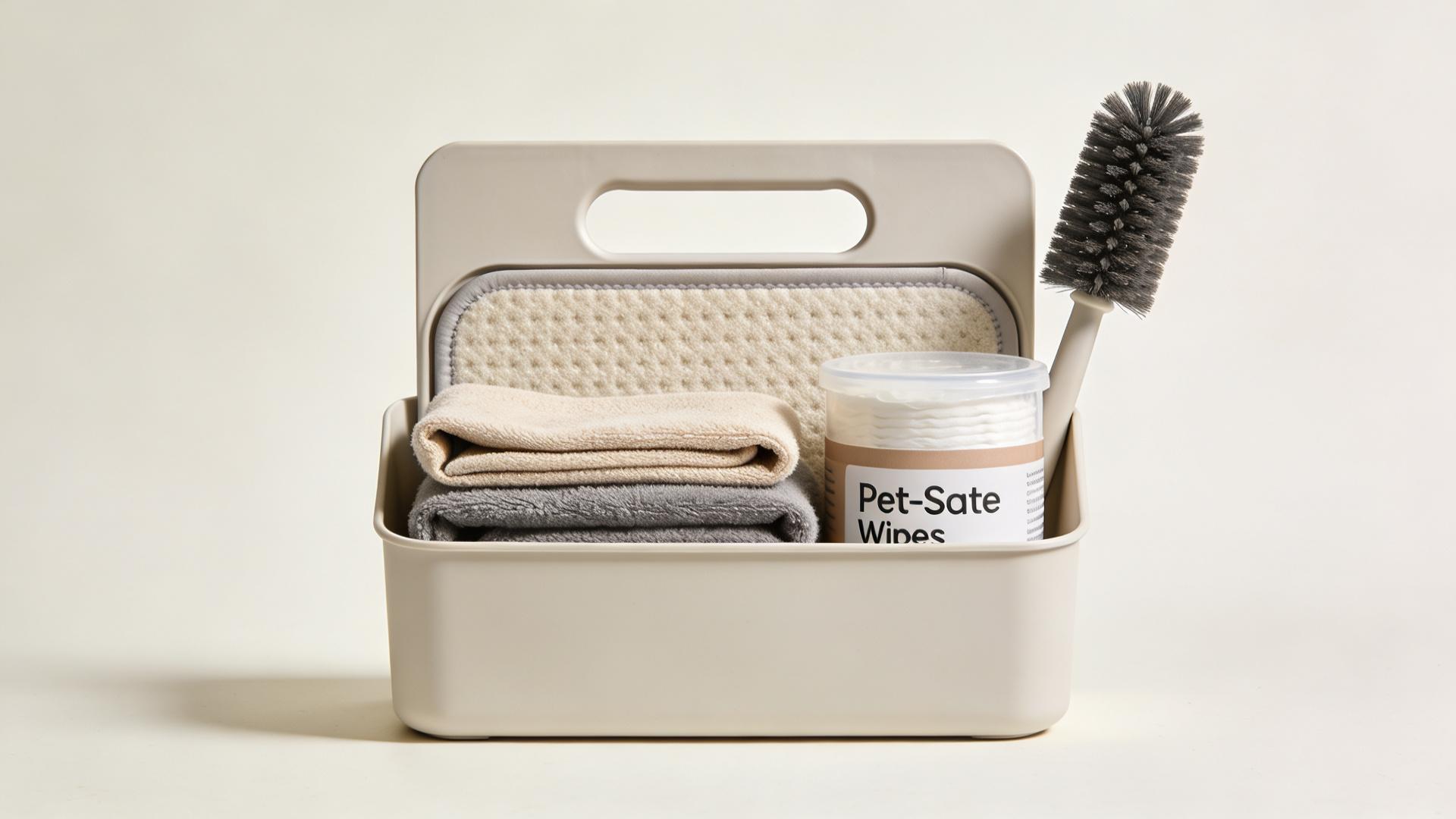
- Storage Caddy or Wall-Mounted Organizer: A simple bin, shelf, or over-the-door caddy keeps all your dog entryway hygiene station supplies neat, accessible, and out of the main walkway.
🏗️ Step-by-Step Setup Instructions
Now, let's transform those supplies into a functional station. Follow these steps for an optimal entryway dog cleaning station setup.
📍 Step 1: Select the Optimal Location
Choose the first available space inside the door your dog uses most often. It could be a corner of the foyer, a section of a laundry/mudroom, or even the garage entry. The key is consistency—it must be the first stop after every walk.
🧽 Step 2: Lay the Foundation Mat
Place your absorbent mat directly in this spot. For added protection, especially in high-traffic areas, consider a dual-mat system: a coarse, scrape-off mat outside the door and the absorbent mat immediately inside.
🗄️ Step 3: Organize Supplies for Easy Access
Load your caddy or shelf with towels, wipes, and brush. Place it next to the mat, at your comfortable standing height. Position the lidded trash bin within arm's reach. The goal is to have everything you need without moving your feet.
💡 Step 4: Ensure Good Lighting and Clutter-Free Space
You need to see what you're cleaning! Ensure the area is well-lit. Keep the space around the mat clear of shoes, bags, or other clutter to give you and your pet room to maneuver safely and calmly.
🎓 Dog Training Guidance: Patience and Positive Reinforcement
The success of your pet entryway cleaning zone hinges on your dog's cooperation. Force creates stress; patience builds habit.
🍖 1. Introduce with High-Value Treats & Praise
Before even attempting to clean, lure your dog onto the mat with treats and happy praise. Let them get comfortable standing there. Repeat this until they willingly step onto the mat when you enter.
✋ 2. Break Down the Process
Introduce one tool at a time over several sessions. Start by simply touching their paw with a towel, then treat. Progress to holding the paw gently, then treat. Finally, mimic a wiping motion. Use the same gradual process for the brush. Keep sessions short (2-3 minutes) and positive.
🎯 3. Create a Clear "All Done" Cue
Once cleaning is finished, give a clear release cue like "All done!" and shower them with praise or a quick play session. This marks the end of the task and their permission to enter the clean house, reinforcing the entire routine.
Special Reminder: Never scold your dog for pulling away. If they show stress, take a step back in the training process. The goal is to associate the station with positive outcomes, not pressure.
♻️ Maintenance and Upkeep for Long-Term Success
A clean cleaning station is an effective one. Here’s how to maintain your DIY pet cleaning station entryway.
Daily Tasks:
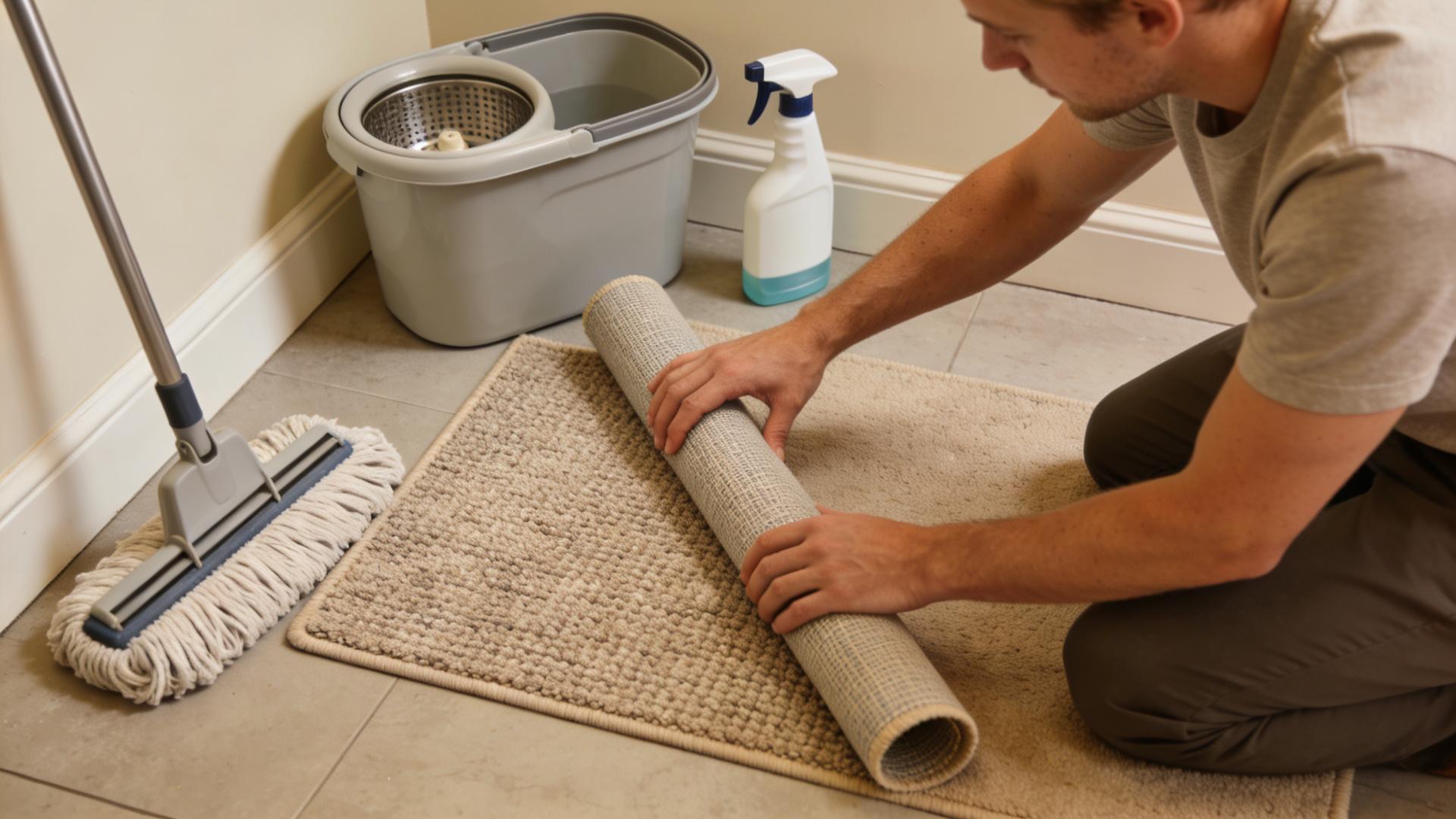
- Shake out the mat outside.
- Empty the small trash bin of used wipes and debris.
- Hang used microfiber towels to dry (wash weekly).
Weekly/Bi-Weekly Tasks:
- Wash the absorbent mat and all microfiber towels on a hot, sanitary cycle to eliminate germ buildup.
- Wipe down the storage caddy and trash bin with a disinfectant.
- Check supplies and restock as needed.
✅ Conclusion & Call to Action
An entry-level cleaning station for dogs is one of the simplest, most impactful investments you can make for your home's hygiene and your family's health. It transforms a daily challenge into a manageable, even bonding, routine. By taking control at the doorway, you effectively create a barrier, keeping living area clean with pets and ensuring your home remains a sanctuary for everyone.