The pitter-patter of rain might be soothing, but for dog owners, the wet season brings a silent, sneaky challenge: the battle against a damp, musty dog bed. That cozy nest your furry friend loves can quickly become a haven for mold, mildew, and harmful bacteria. This isn't just about a smelly inconvenience; it's a direct threat to your dog's health, potentially leading to skin infections, allergic reactions, and respiratory issues. The core objective of this guide is simple: to arm you with a practical, step-by-step strategy to win this battle. We'll transform you from a reactive cleaner into a proactive protector of your pet's sleeping environment, ensuring their sanctuary stays dry, fresh, and healthy, no matter how high the humidity climbs. Let's dive into the ultimate playbook for mastering the art of how to keep dog bed dry.
☔ Section 1. Understanding the Enemy: Moisture and Mold
Before we can defend, we must understand what we're up against. Moisture in your dog's bedding doesn't always come from an obvious soak; it's often a slow, insidious accumulation.
How Moisture Invades the Bed
The primary culprits are:
- Wet Paws & Fur: The most direct source. A quick bathroom break in the drizzle or a full walk in the rain brings water directly into the fabric.
- Ambient Humidity: In rainy seasons, air moisture levels are high. Porous bedding materials, like some foams or cottons, act like sponges, absorbing this dampness from the air itself.
- Condensation & Poor Airflow: Placing a bed against a cool exterior wall or in a poorly ventilated corner can cause condensation to form within the bed's layers.
- Your Dog's Own Body: Dogs release body heat and moisture (through light sweating from paw pads and minimal skin perspiration) as they sleep, which gets trapped.
Why Mold is a Serious Foe
Mold spores are everywhere, but they need moisture and organic material (like skin cells, dirt, and food particles in the bed) to grow. A damp bed is the perfect petri dish. The dangers are real:
- Canine Health Risks: Prolonged exposure can cause skin irritation, hot spots, and allergic dermatitis. Inhaled spores may aggravate or lead to respiratory problems, especially in brachycephalic breeds or dogs with existing conditions.
- Structural Damage to the Bed: Mold breaks down and stains fabrics and foam, forcing premature replacement.
- Persistent Odors: That "wet dog" smell that won't go away is often a sign of microbial growth.
The goal of dog bed mold prevention isn't just cleaning up mold; it's creating an environment where it can't start growing in the first place.
🛡️ Section 2. The First Line of Defense: Bed and Mat Selection
Your first and most powerful weapon is choosing the right bedding from the start. Think of it as building a fortress against moisture.
Material Matters: What to Look For
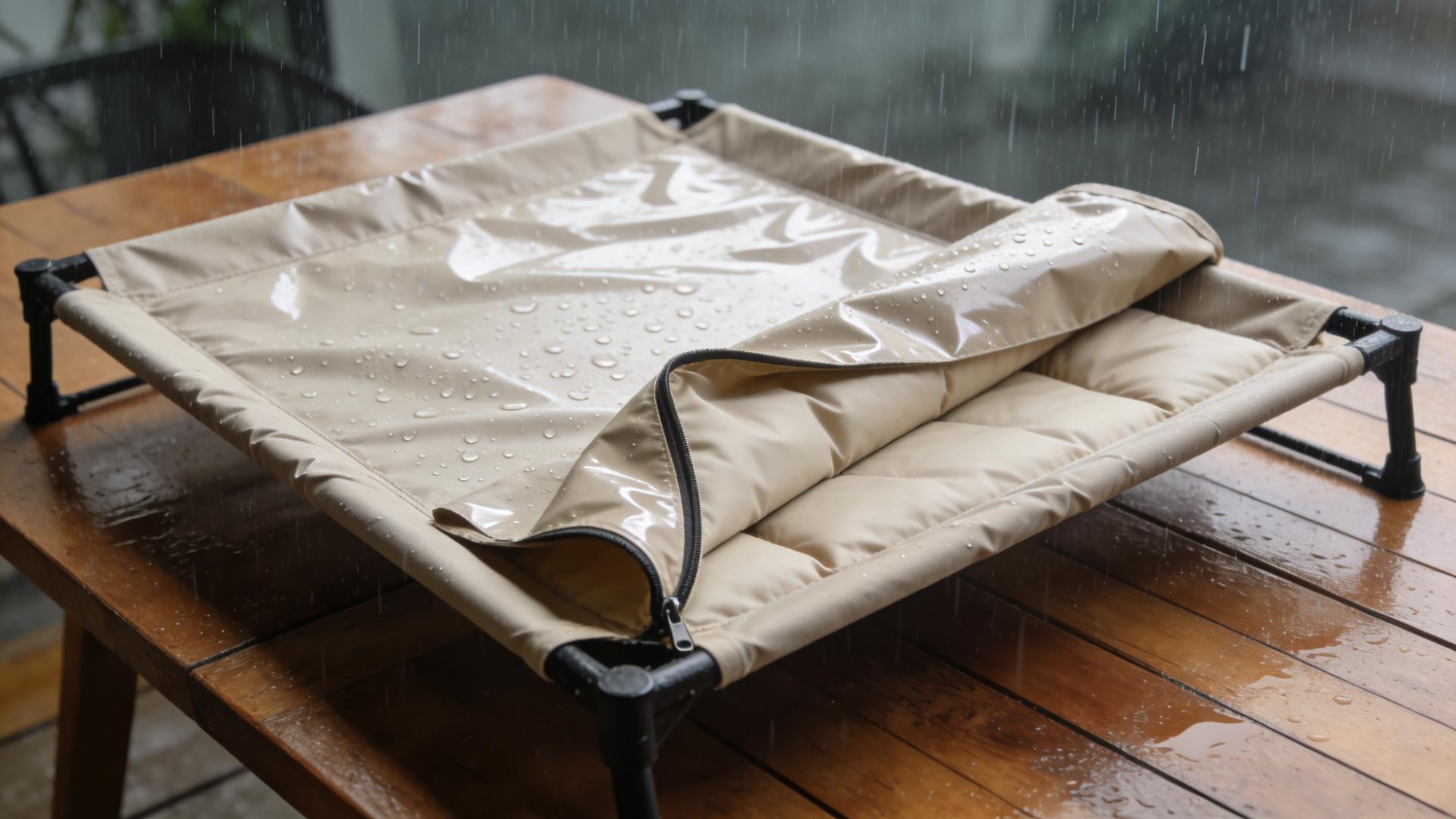
- Waterproof or Water-Resistant Covers: This is non-negotiable for rainy season dog care. A high-quality, zip-off waterproof liner or cover creates a barrier that prevents liquid from seeping into the core cushion. Look for durable, PEVA or TPU-backed fabrics that are also breathable.
- Moisture-Wicking Fabrics: For the top layer, choose covers made from performance fabrics like certain microfibers or specialized pet bed materials. These pull moisture away from your dog's body and toward the surface where it can evaporate.
- Elevated or Cot-Style Beds: These allow air to circulate underneath and around your dog, preventing heat and moisture buildup. They are exceptionally effective in humid climates.
- Quick-Dry Foam Fills: Some modern beds use open-cell or shredded foam that dries much faster than traditional solid, porous foam blocks.
Materials to Avoid or Use with Caution
- Highly Porous, Thick Fabrics like some fluffy, faux-fur or excessively plush materials that trap water and take forever to dry.
- Solid, Low-Quality Foam Cores that act like a sponge and can mold from the inside out, often without visible signs on the cover.
- Beds without removable, machine-washable covers.
Investing in the right waterproof dog bed or accessories sets the stage for all other maintenance to be far more effective.
🔧 Section 3. Daily and Weekly Maintenance Routines
Consistency is key. Small, regular actions prevent small moisture problems from becoming big, moldy ones.
Daily Habits (The 2-Minute Drill)
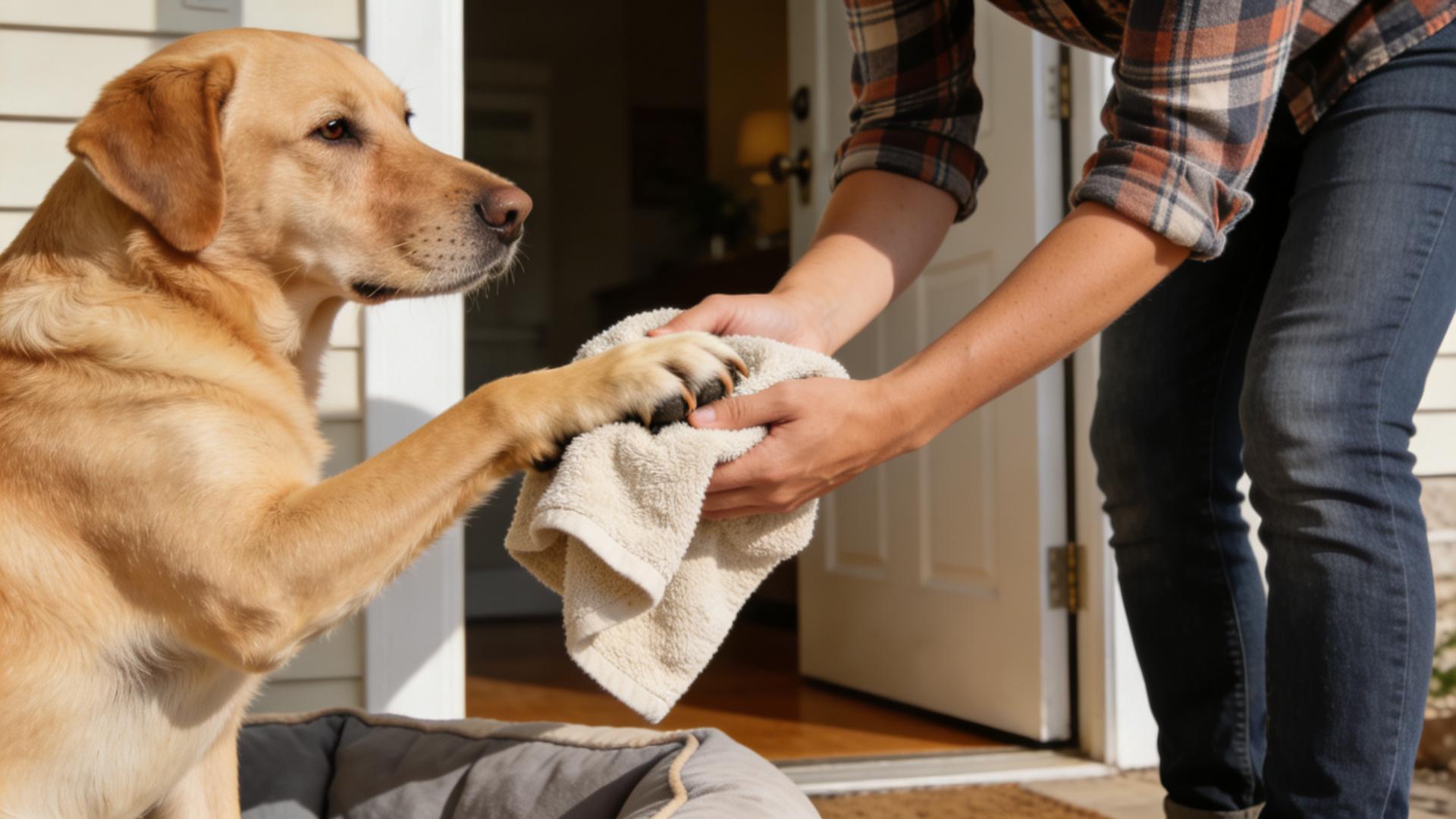
- The Paw Wipe: Make it a non-negotiable ritual. Keep absorbent towels by every entrance and thoroughly dry your dog's paws, belly, and legs before they have access to their bed.
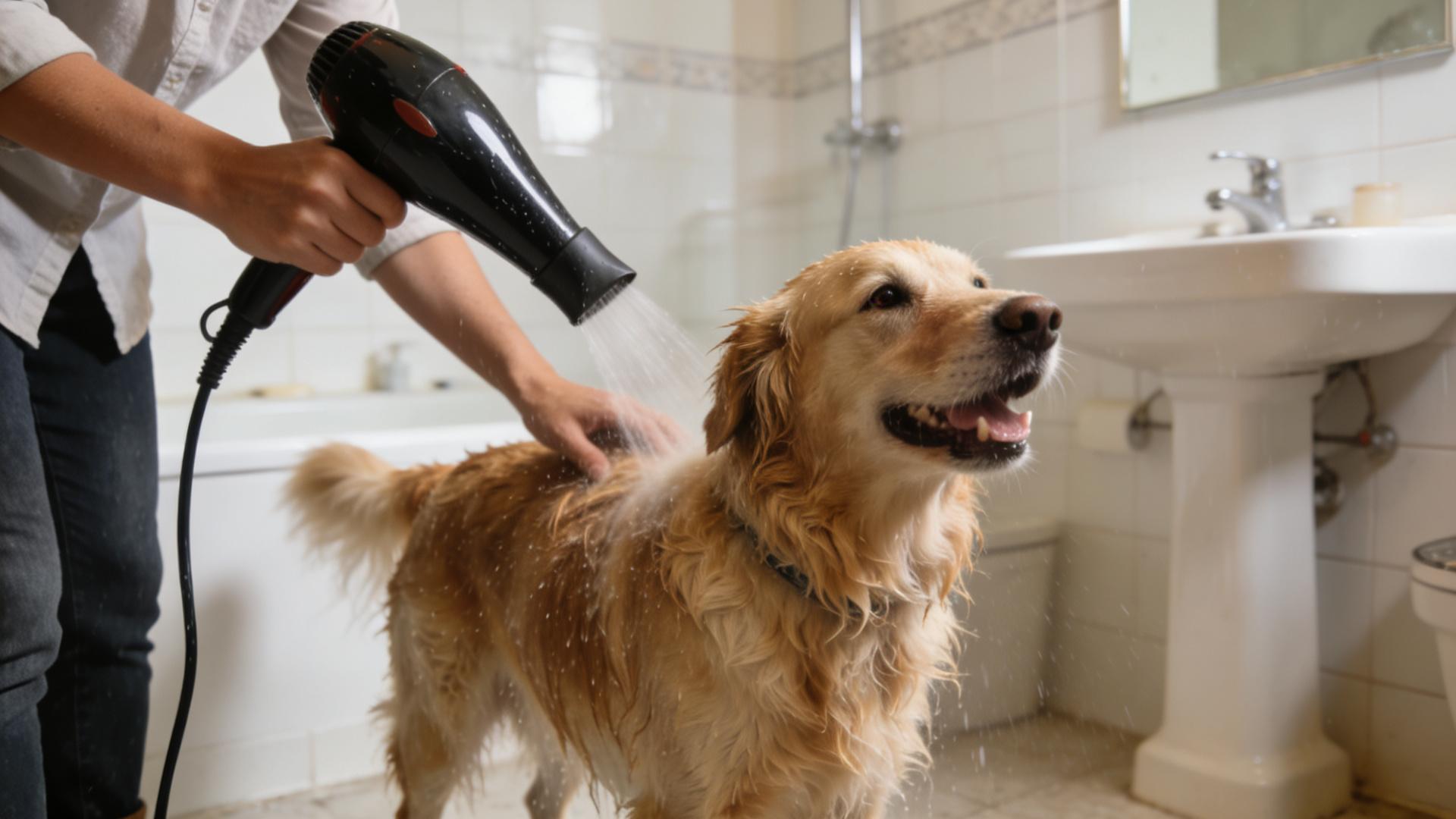
- The Spot Check & Dry: Do a quick visual and touch inspection of the bed. If you feel a damp spot (from drool, a damp paw, or spilled water), blot it immediately with a dry towel. For quick drying, a handheld fabric steamer on a dry setting or a hair dryer on cool can be used briefly from a distance.
Weekly Routines (The Foundation)
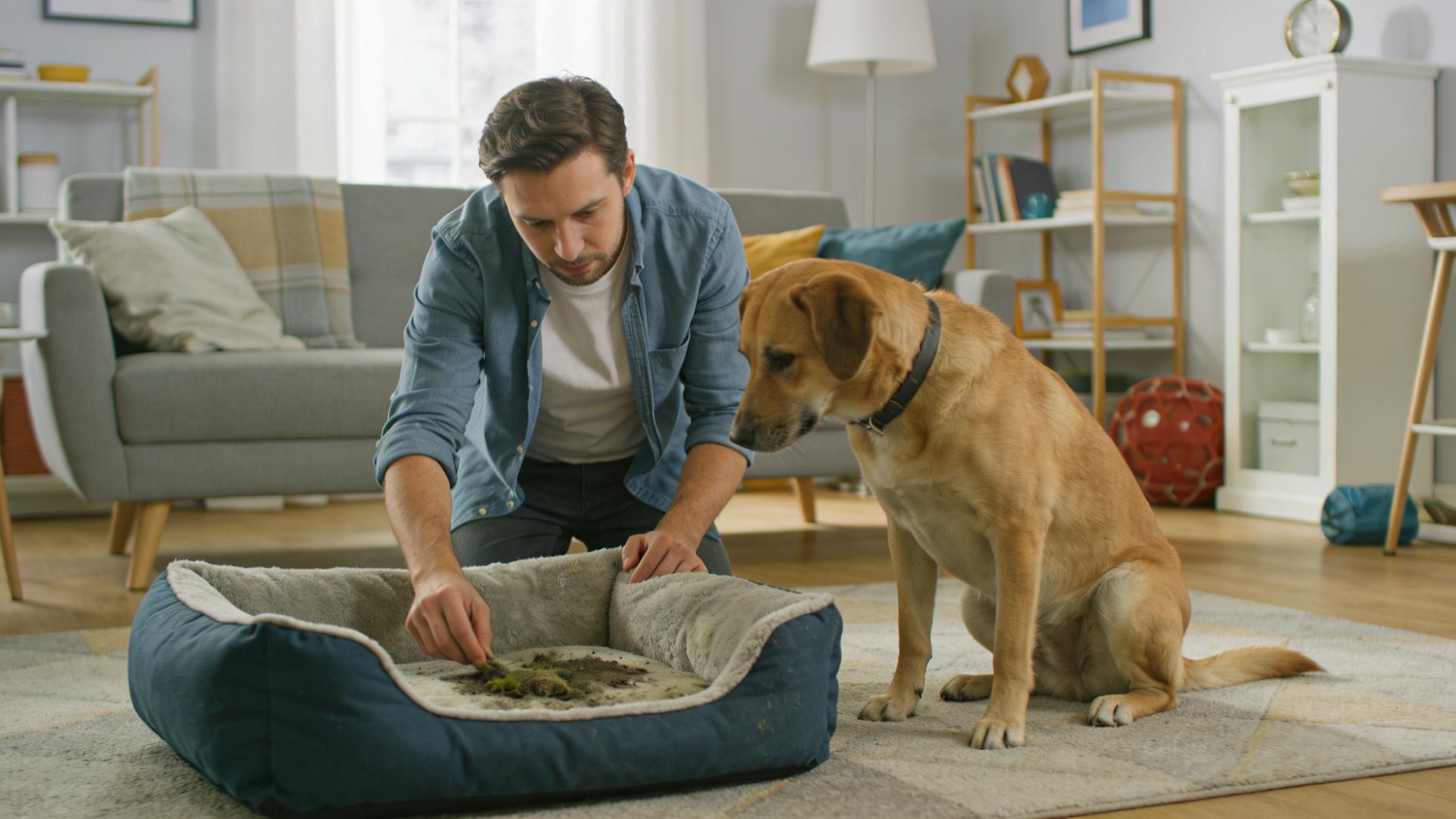
- Thorough Vacuuming: Use a upholstery attachment to remove hair, dander, and dirt. This debris retains moisture and feeds mold. This is a critical step in moisture control for pet bedding.
- Air it Out: On a dry, breezy day (even if it's cloudy), take the cover off and place the bed base near an open window or under a covered patio for a few hours to let fresh air circulate through it.
- Deodorize Naturally: Lightly sprinkle baking soda over the bed, let it sit for 15-20 minutes to absorb odors and moisture, then vacuum it up thoroughly. This is a great interim freshener between washes.
🧼 Section 4. Deep Cleaning and Drying Protocols
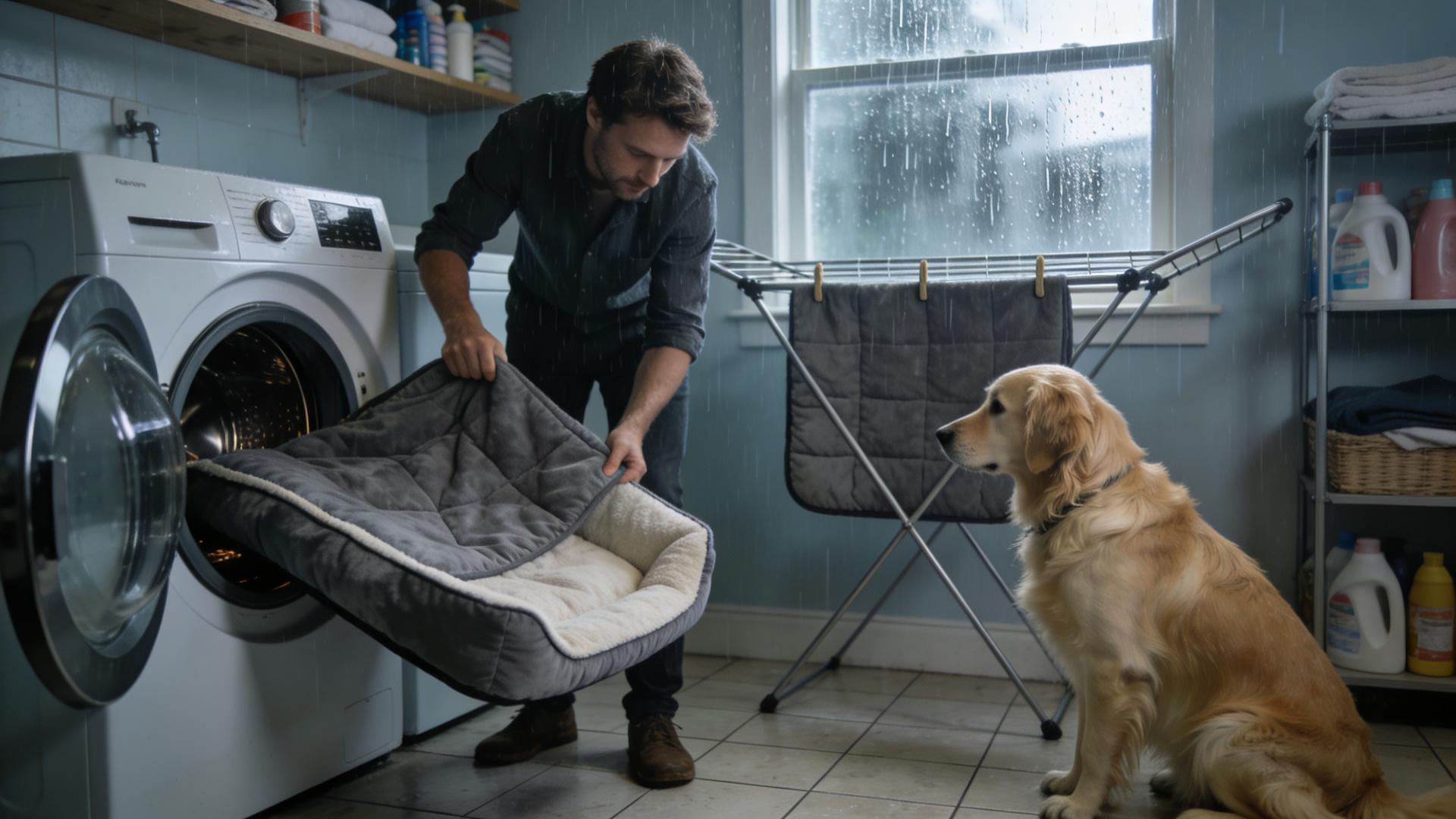
Regular washing is essential, but how you wash and, more importantly, dry is what truly prevents mold.
Washing Instructions
- Follow Care Labels: Always check the manufacturer's instructions first.
- Use Pet-Safe Detergent: Avoid harsh chemicals, heavy fragrances, or fabric softeners which can irritate your dog's skin and reduce fabric moisture-wicking abilities. Opt for hypoallergenic or enzymatic detergents.
- Disinfect: Add a cup of white vinegar to the rinse cycle during rainy seasons. It's a natural deodorizer and mild disinfectant that helps kill mold spores without harsh chemicals.
- Wash Cover & Base Separately: If the inner cushion is machine-washable, wash it separately to ensure both get thoroughly clean.
The Crucial Drying Process: How to Dry Dog Bed Thoroughly
This is the most critical step in dog bed mold prevention. Special Reminder: Never, ever store or reassemble a bed that is even slightly damp.
- High Heat Tumble Dry (if allowed): Use the highest heat setting the fabric allows to kill any remaining spores. Throw in a couple of dry, clean towels to help absorb moisture and bounce the bed around.
- Sun Dry When Possible: UV rays from direct sunlight are a fantastic natural disinfectant and deodorizer. It's one of the best methods for how to dry dog bed quickly and safely.
- Indoor Accelerated Drying: For rainy weeks, create a drying station.
- Use multiple fans to create cross-ventilation around the bed components.
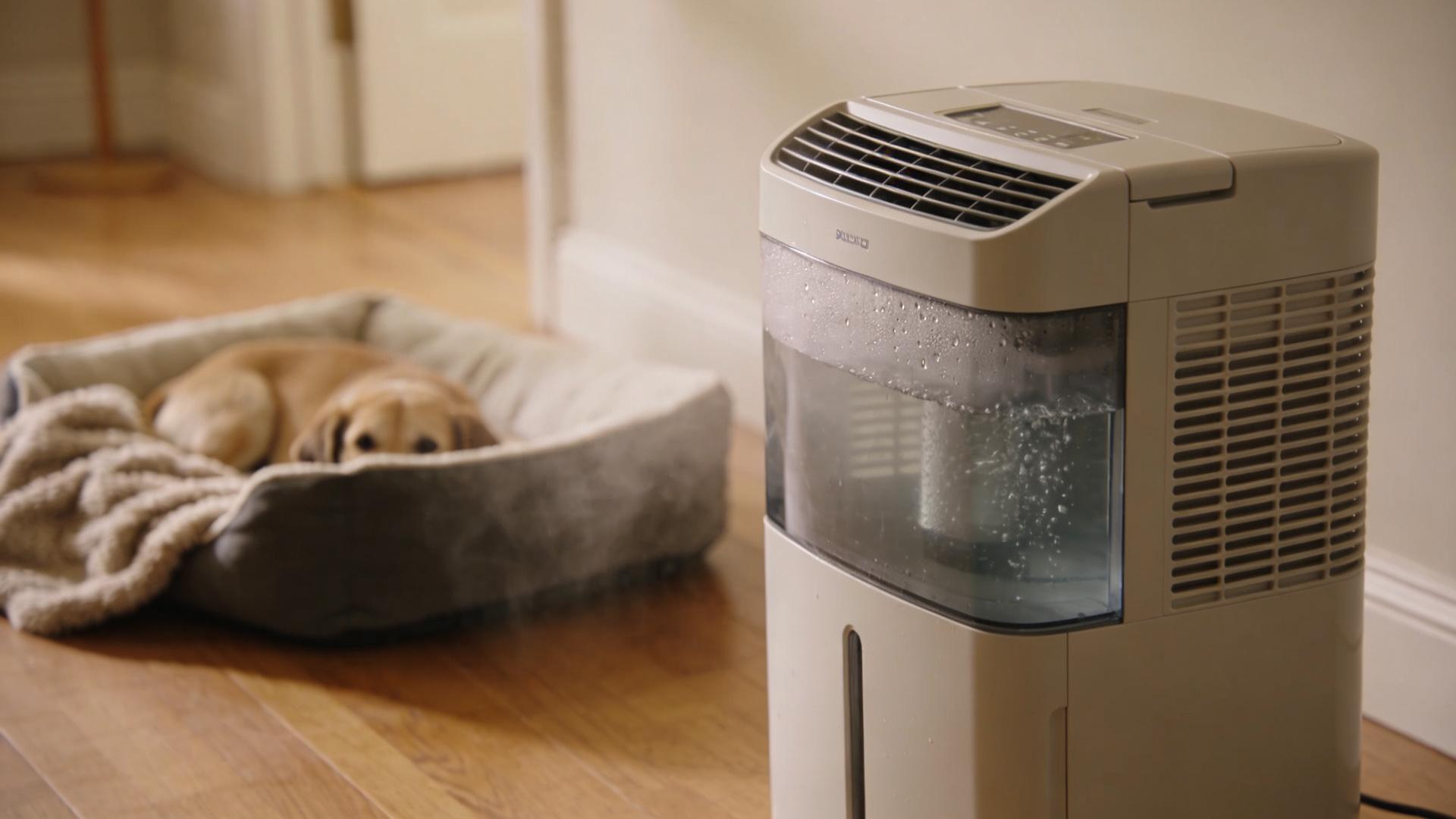
- Run a dehumidifier in the room to pull moisture from the air and the bedding.
- Place the bed components on a elevated rack, not directly on the floor, to allow air to flow underneath.
- The "Bone-Dry" Test: Before putting the cover back on, feel the inner cushion at its very center. It must feel completely warm and dry to the touch. If there's any coolness or doubt, continue drying.
🌬️ Section 5. Proactive Environmental Controls
Manage the room, and you make the bed's job much easier. This is about strategic humidity control for dog beds.
- Deploy a Dehumidifier: This is a game-changer in basements, mudrooms, or any room with poor airflow. Keeping room humidity below 50% dramatically reduces the risk of mold growth on everything, including your dog's bed.
- Maximize Air Circulation: Use ceiling fans on low or a small oscillating fan pointed away from the bed to keep air moving in the room. Crack windows on opposite sides of the room when weather permits to create a cross-breeze.
- Choose the Bed Location Wisely:
- Away from drafty doors/windows where rain might blow in.
- Away from damp exterior walls.
- Off cold, concrete floors (use a raised bed or a mat underneath).
- In a well-trafficked, airy part of your home, not a forgotten, stagnant corner.
🚨 Section 6. Emergency Measures for Soaked Beds
When the inevitable happens—a storm door left open, a soaked dog making a dash for bed—act fast with this rapid response plan.
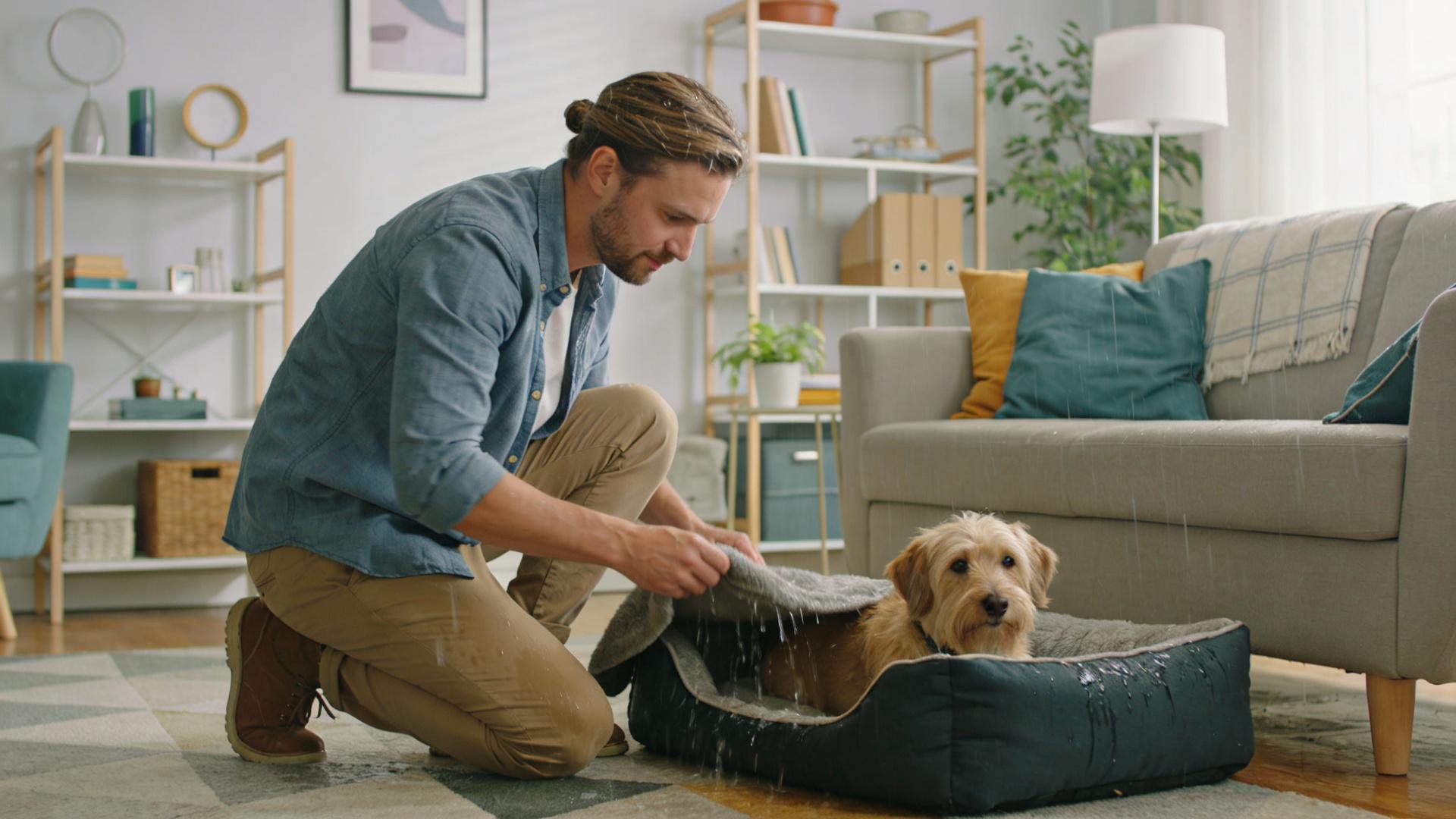
- Remove the Dog & Strip It Down: Get your dog onto dry towels and immediately remove the bed cover and any inserts.
- Blot, Don't Rub: Use absorbent towels or cloths to press down firmly and soak up as much standing water as possible.
- Apply Pressure: For cushions, place dry towels on both sides and stand or place heavy books on top to squeeze out embedded moisture.
- Begin Accelerated Drying Immediately: Implement the indoor drying station protocol from Section 4 with maximum effort. Point multiple fans directly at the components. Run the dehumidifier on high. If the cushion is safe for it, use a wet/dry vacuum on the upholstery setting to extract moisture.
- Wash ASAP: Once excess water is removed, launder the cover and wash/clean the insert according to its guidelines to prevent bacterial growth.
The first 24 hours are critical to prevent mold from taking hold after a major soak.
❓ FAQ: Your Rainy Season Bed Care Questions Answered
Q: Can I use baking soda on my dog's bed?
A: Absolutely. Baking soda is a safe, effective deodorizer and mild moisture absorber. Sprinkle liberally, let sit for at least 15 minutes, and vacuum thoroughly. Ensure your dog isn't present to inhale the powder during application.
Q: How often should I wash the bed cover in the rainy season?
A: Increase your frequency. Instead of a monthly wash, aim for every two weeks, or weekly if your dog is often wet or has allergies. The inner cushion should be aired and cleaned at least seasonally.
Q: Are there any natural mold inhibitors I can use?
A: Yes, two effective options are:
- White Vinegar: Add ½ to 1 cup to the rinse cycle during washing. Its acidity inhibits mold growth.
- Tea Tree Oil (with extreme caution): Add a few drops (5-10) to your wash cycle. Warning: Tea tree oil is toxic to dogs if ingested in concentrated form. Ensure the bed is completely, utterly dry before use so your dog cannot lick concentrated residue.
Q: Is it safe to use a hair dryer on my dog's bed?
A: With precautions, yes. Only use the COOL or NO-HEAT setting. High heat can melt synthetic fabrics, damage waterproof coatings, or be a fire hazard. Keep the dryer moving and at a distance to gently air out damp spots. It's best for spot treatment, not fully drying a soaked bed.
🎯 Conclusion
Mastering rainy season dog bed care boils down to a blend of smart product selection, consistent routines, and swift emergency action. By understanding that moisture is the enemy, choosing mold-resistant dog bedding, implementing daily wipe-downs and weekly vacuums, committing to thorough drying after every wash, and controlling your indoor environment, you build an impregnable defense. The effort of proactive moisture control for dog beds is minimal compared to the stress, cost, and health risks of dealing with a mold-infested bed. Your vigilance ensures your beloved companion has a safe, dry, and healthy haven to rest and recharge—a small but profound way to express your care during every downpour.