Your canine athlete thrives on action. Whether navigating an agility course, herding livestock, or accompanying you on long hikes, their powerful physique is their engine. But just like human athletes, working dogs and sporting dogs are susceptible to muscle fatigue, stiffness, and micro-injuries. Proactive muscle relaxation for working dogs isn't a luxury; it's a cornerstone of responsible performance care. This guide empowers you, the dedicated handler, with safe, effective home massage techniques for dogs and heat therapy skills for dogs to enhance recovery, prevent injury, and deepen your bond.

🐾 The Foundation: Why Muscle Care is Non-Negotiable
Active dogs utilize their muscular system to its peak. Without proper care, lactic acid buildup, tension, and decreased flexibility can hinder performance and lead to compensatory injuries. Regular canine sports massage and targeted heat application promote blood flow, reduce soreness, and increase range of motion. Think of it as essential maintenance for a high-performance vehicle. Ready to become your dog's personal recovery specialist?
✋ The Art of Touch: Home Massage Techniques for Canine Athletes
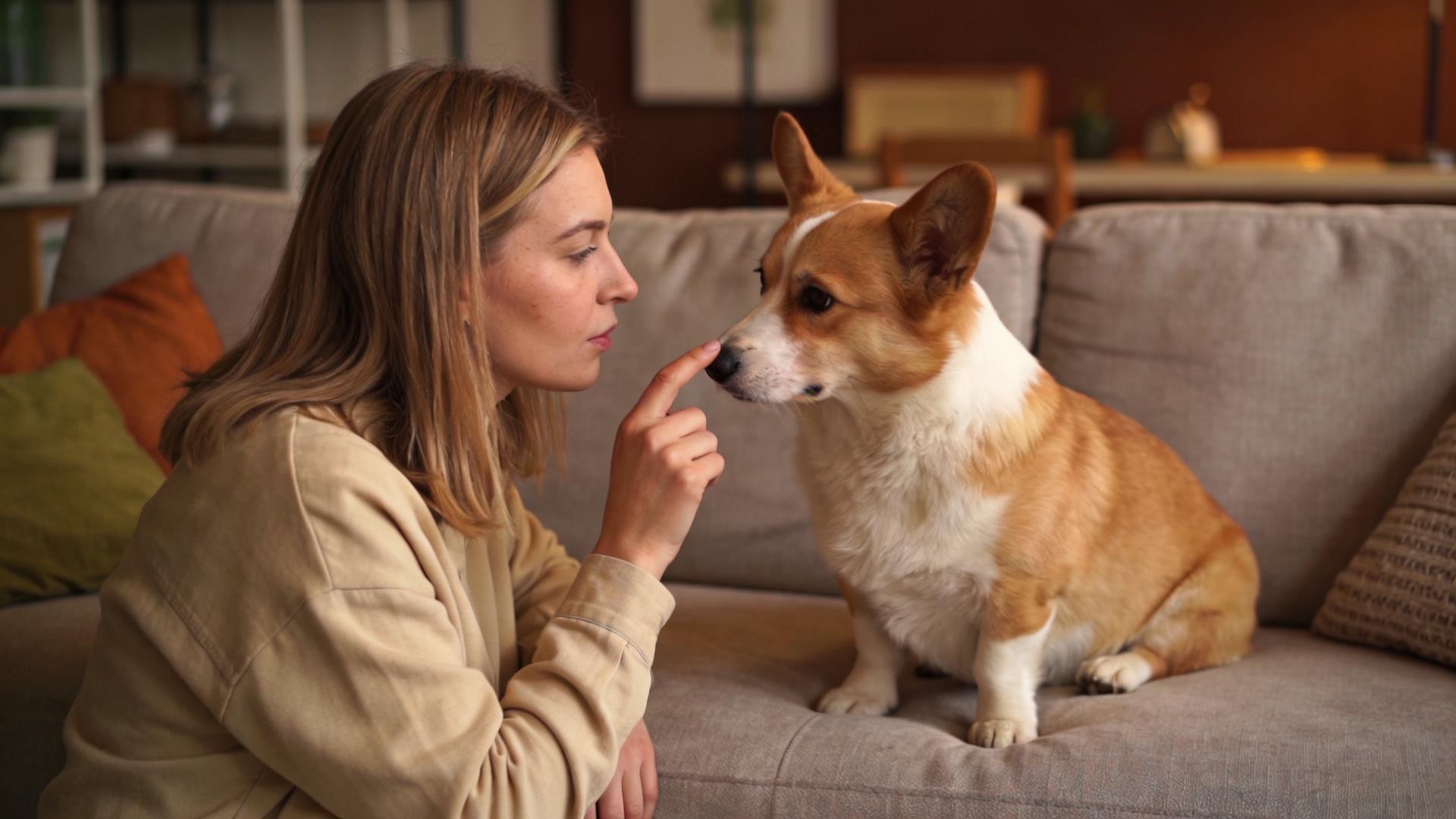
Canine massage is a powerful tool for dog muscle recovery. It should always be performed when your dog is calm, in a warm, quiet space. Begin with gentle petting to establish connection. Always observe your dog's body language; if they tense, move away, or vocalize, stop immediately.
Core Massage Techniques:
Effleurage (Gliding Strokes): The cornerstone of how to massage a dog. Use flat hands in long, gentle, gliding strokes following the direction of muscle fibers, from distal to proximal (e.g., paw toward hip). This warms the tissue, promotes circulation, and is ideal for starting and ending a session.
Petrissage (Kneading): This involves gently lifting, rolling, and squeezing muscle groups, like kneading dough. Use your fingers and palm to apply moderate, rhythmic pressure. It helps break up adhesions and relieve deeper muscle tension in dogs. Focus on large muscle groups like shoulders, thighs, and back.
Tapotement (Rhythmic Tapping): A light, rapid, cupped-hand tapping or "pounding" motion. This stimulates muscles and nerves, often invigorating. Use very lightly and avoid bony areas. It's excellent for pre-activity warm-up but often avoided on sore areas.

Practical Application & Timing:
Pressure: Start with feather-light pressure, gradually increasing only as the muscle relaxes. The goal is relaxation, not deep tissue work.
Duration: A full body session can last 15-30 minutes. Even a focused 5-minute session on key areas post-exercise is beneficial.
Ideal Timing: For post-exercise canine care, wait 1-2 hours after intense activity. For pre-activity, a light 5-minute effleurage session is perfect.
🔥 Soothing Warmth: Safe Heat Therapy Skills for Dogs
Heat therapy for working dogs is a superb way to prepare muscles for activity or enhance massage for dog sore muscles. Heat increases blood flow, relaxes tissues, and alleviates stiffness. Critical Rule: Heat should be MOIST, not dry, and always CONTROLLED.
Safe Heat Application Methods:
Warm Towel or Washcloth: Soak a towel in warm water, wring it out completely. Test the temperature on your inner wrist—it should feel comfortably warm, not hot. Apply for 10-15 minutes. This is the simplest form of dog warm compress therapy.
Rice Sock: Fill a clean sock with uncooked rice, tie the end. Microwave in 30-second intervals, shaking between, until warm. Always wrap in a thin towel before applying. It conforms well to body contours.
Commercial Pet-Safe Heat Pads: If using a heat pad therapy for dogs, choose one designed for pets with automatic shut-off. Never use a human electric blanket unattended. Always place a barrier (like a towel) between the pad and your dog's skin.

Temperature & Duration Guidelines:
The universal test is your own skin. The compress should feel pleasantly warm, never hot. Maximum application time is 15-20 minutes. After heat therapy, muscles are pliable and ready for gentle stretching or dog muscle recovery massage.
⚠️ Safety and Contraindications: When to Pause and Consult
Special Reminder: These techniques are for preventative muscle care for dogs and general soreness. They are not a substitute for veterinary diagnosis and treatment.
Absolute Contraindications:
Do NOT apply massage or heat to any area with:
• Acute Injuries: Sprains, strains, or fractures in the first 48-72 hours (use cold therapy instead).
• Open Wounds, Infections, or Skin Conditions.
• Suspected Internal Issues: Such as pancreatitis or fever.
• Cancerous Tumors or Undiagnosed Lumps.
• Deep Vein Thrombosis (Blood Clots).
If your dog shows signs of pain (limping, yelping), has a pre-existing condition like arthritis, or if you are ever in doubt, consult your veterinarian or a certified canine rehabilitation therapist before proceeding. This is the gold standard for safe canine physical therapy.

🔄 Creating a Cohesive Routine: Combining Massage & Heat
Integrating these therapies maximizes their benefits for working and sporting dog wellness.
Pre-Activity/Event Routine (30-60 mins before):
1. Apply heat treatment for working dogs to major muscle groups (shoulders, hindquarters) for 10 minutes.
2. Follow with 5-10 minutes of light effleurage and petrissage to awaken muscles.
3. Finish with gentle range-of-motion movements. This routine prepares the body for peak performance!
Post-Activity/Recovery Routine (1-2 hours after):
1. Ensure your dog is fully cooled down and hydrated.
2. Begin with 5 minutes of gentle effleurage to assess for tension or sensitivity.
3. Apply a warm compress to any specific tight areas for 10-15 minutes.
4. Perform a full, gentle massage focusing on relieving muscle tension in dogs, using primarily effleurage and light petrissage. This is crucial for dog injury recovery support and overall muscle relaxation for sporting dogs.

💚 Conclusion: A Partnership in Performance and Health
Mastering these home massage techniques for dogs and at-home heat therapy for dogs transforms you from a passive owner to an active partner in your dog's athletic journey. Regular practice promotes faster dog muscle recovery, helps prevent injuries, and offers priceless one-on-one bonding time. You become attuned to subtle changes in their body, allowing for early intervention.