
You May Have Missed
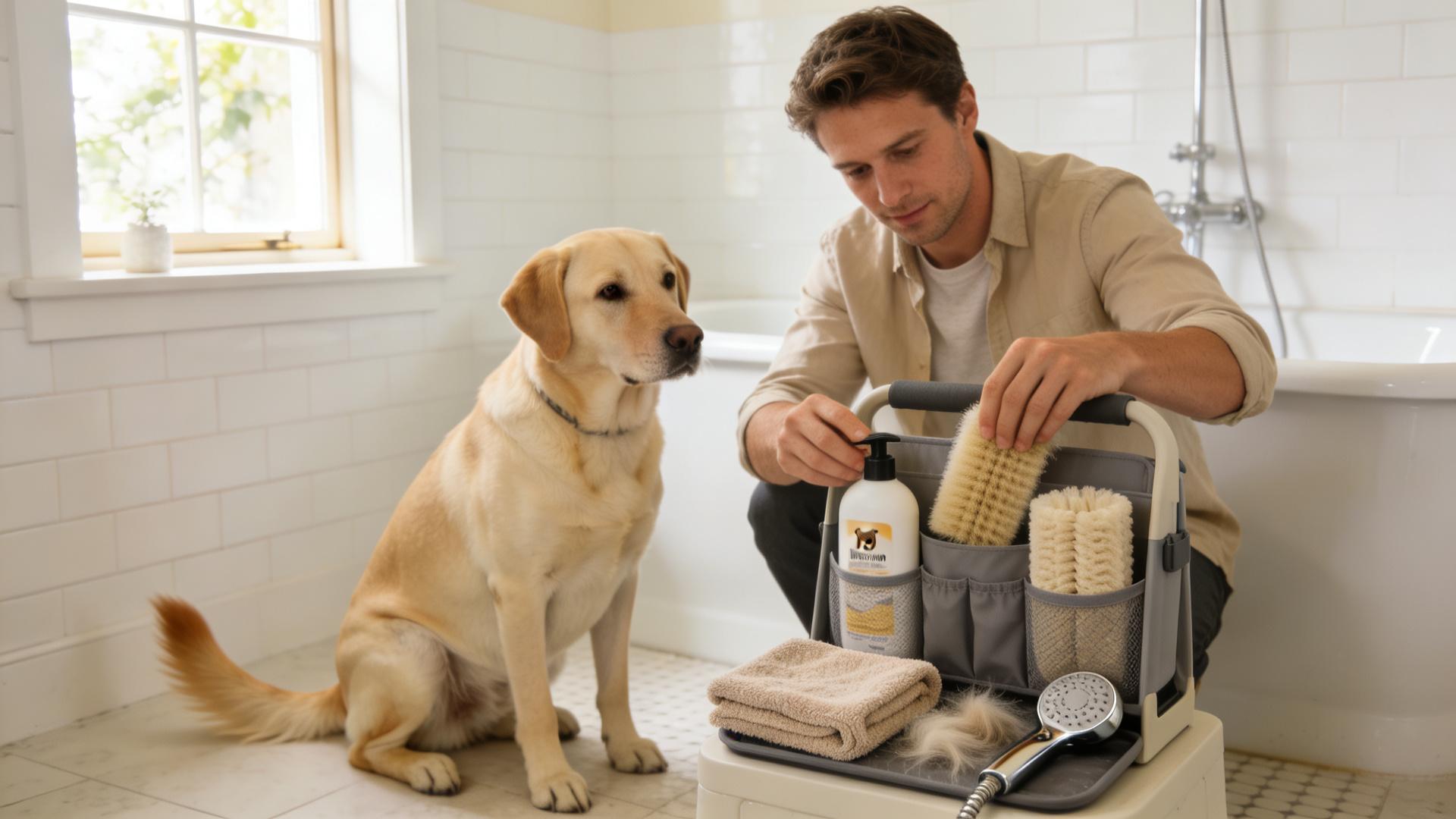
No more need for help with dog washing at home: 5 steps to turn your bathroom into a professional pet grooming studio
Tired of the chaotic, soggy struggle of bathing your dog. Wrestling with a wet, slippery pup in a cramped tub is a chore for both of you. But what if you could transform that ordinary bathroom into a serene, efficient, and professional pet grooming at home studio. Imagine achieving a salon-quality wash and dry in the comfort of your own home, saving money and reducing stress for your canine companion. It's not a fantasy. With these five strategic steps, you can create the perfect environment for a successful, mess-controlled, and even enjoyable dog washing at home experience. Say goodbye to needing an extra pair of hands and hello to your new role as your dog's personal groomer.

Pet-friendly flooring options: a balance of slip resistance, durability, and easy cleaning.
If you share your home with a four-legged friend, you know the unique challenges they bring to your floors. From the frantic “zoomies” that send them skidding around corners to the muddy paw prints after a rainy walk, and the occasional accident or spilled water bowl—our floors take a beating. Choosing the right surface isn't just about aesthetics; it's about creating a safe, durable, and livable environment for the entire family. Your mission, should you choose to accept it, is to find flooring that expertly balances three non-negotiable criteria: slip resistance for safety, durability against claws and impact, and easy cleaning for simple maintenance. Let's dig into the best options that stand up to the "paw-test" of time.
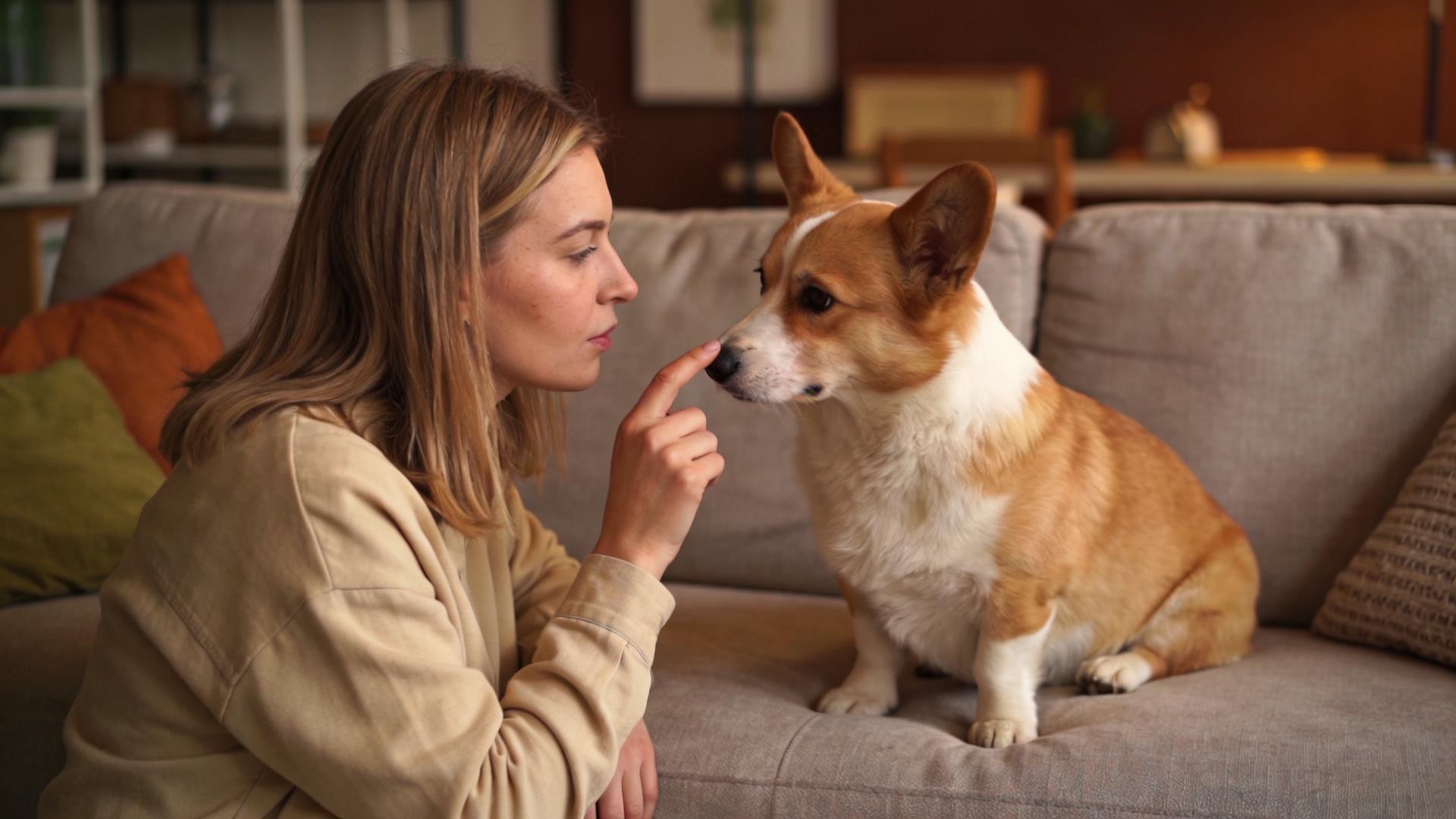
Is your dog's nose dry and faded? Learn how to get a shiny black nose.
As a devoted dog owner, you notice every little detail about your furry friend. So, when that cold, wet nose you love to boop starts feeling dry, rough, or even loses its rich black pigment, it’s natural to feel concerned. You’re not alone. A dry or faded nose is a very common observation, and the good news is that it’s often harmless. However, understanding why it’s happening is the first and most crucial step toward restoring your dog’s nose to its healthy, shiny black dog nose glory. This guide will walk you through the common causes, safe home care strategies, and the clear signs that it’s time to call your vet.

Dryness and itchiness in dogs in heated rooms: Using humidifiers and moisturizing sprays
As the winter chill sets in or we rely on constant heating to stay cozy, a hidden discomfort often plagues our canine companions. Have you noticed your dog scratching more frequently, perhaps with flaky skin or a dull coat? You're not alone. The same artificial heat that keeps us warm can create an arid indoor environment that wreaks havoc on your dog's skin health. This article delves into the root causes of this common issue and provides a detailed, actionable plan centered on two powerful tools: humidifiers and moisturizing sprays. Let's restore comfort to your furry friend's life.
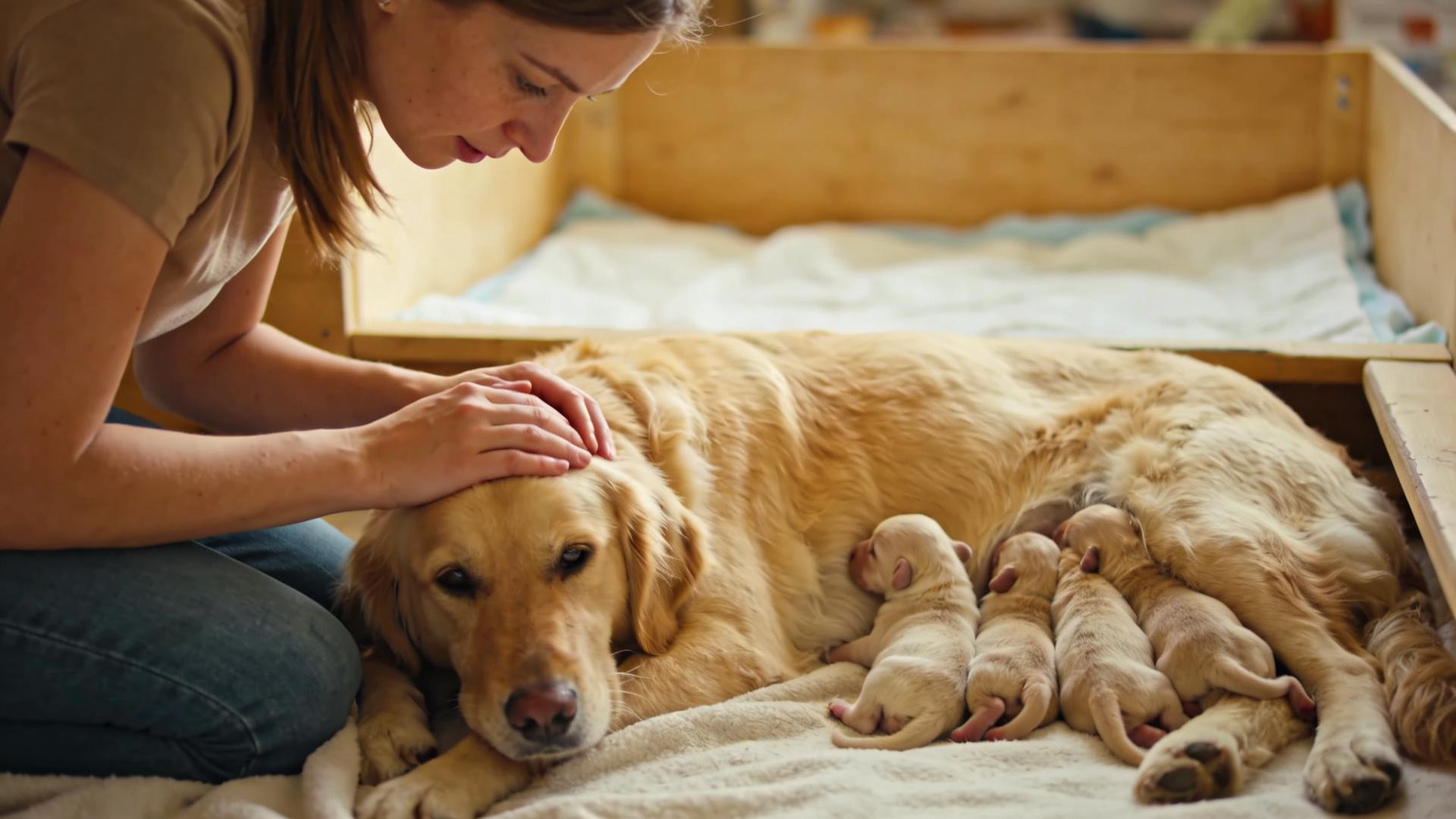
Dry fur in postpartum bitches: Effective calcium supplementation and hair repair
The arrival of a litter of puppies is a joyous occasion, but for the new canine mother, it marks the beginning of an incredibly demanding physical journey. As a dog owner, you may notice your bitch’s once-lustrous coat becoming dull, brittle, and dry in the weeks following whelping. This is more than a Grooming concern; it is a visible signal from her body, a flag raised to indicate significant nutritional and physiological stress. Addressing dry fur postpartum isn't just about restoring shine—it's a critical component of holistic health recovery. This comprehensive guide delves into the root causes, with a particular focus on the pivotal role of calcium, and provides a actionable blueprint for effective supplementation and hair repair.

Rust removal from dog fences and cages: to prevent poisoning from ingesting rust.
For dog owners, pet care professionals, and kennel operators, maintaining a safe environment is paramount. One often-overlooked hazard is the silent creep of rust on metal dog fences, cages, and crates. Curious dogs may lick, chew, or ingest flaking rust, leading to potential heavy metal poisoning and other serious health complications. Proactive rust removal from dog fences and enclosures is not just about aesthetics; it's a critical component of responsible pet care. This authoritative guide will walk you through the why and how, providing actionable, dog-safe methods to eliminate this danger.