Dog "crime" scene on the spot: From funny cases to scientific dog training guide

S

Caden

Feb 20,2026 • 24 Min Read

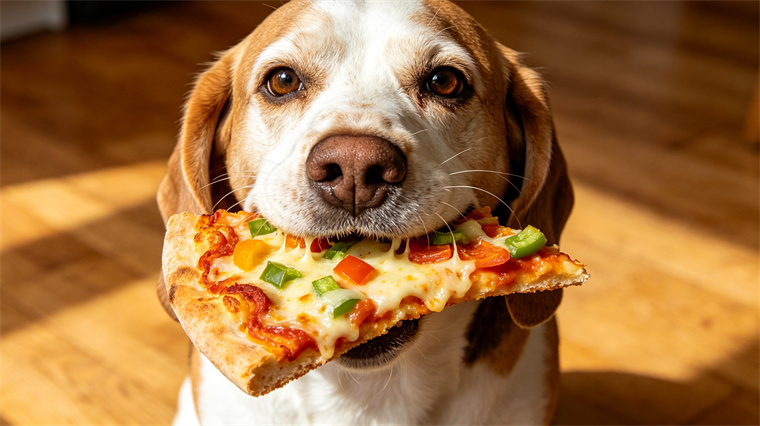
🐾 Has your dog ever secretly swiped your socks or shoes, or even "pilfered" a slice of pizza right off the dining table? Recently, a compilation of pet "thefts" went viral online, featuring countless moments of dogs "committing crimes" that left viewers in stitches. But behind the laughter, why are dogs so keen on "stealing"? Is it mere mischief, natural instinct, or an actual behavioral issue? In this article, we will delve deep into the root causes of canine thievery, analyzing it through the three key dimensions of canine behavior, training techniques, and general care and management.
Dog

🐶 I. Iconic Canine "Theft" Moments

Below are real "criminal records" shared by netizens—each photo hides a story so funny it’ll leave your sides splitting. We’ve categorized these incidents by the type of stolen item and reconstructed every detail within the images—from the look in the dog's eyes to the level of chaos at the "crime scene"—making you feel as though you are witnessing these "furry felons" being caught red-handed in person.

🧦 Category #1: Sock & Shoe Obsessives—The "Fetishist" Thieves

Dogs in this category harbor a mysterious obsession with their owners' footwear. They don't chew them up; instead, they collect them, carry them around, or even treat them as "tokens of affection."
Dog

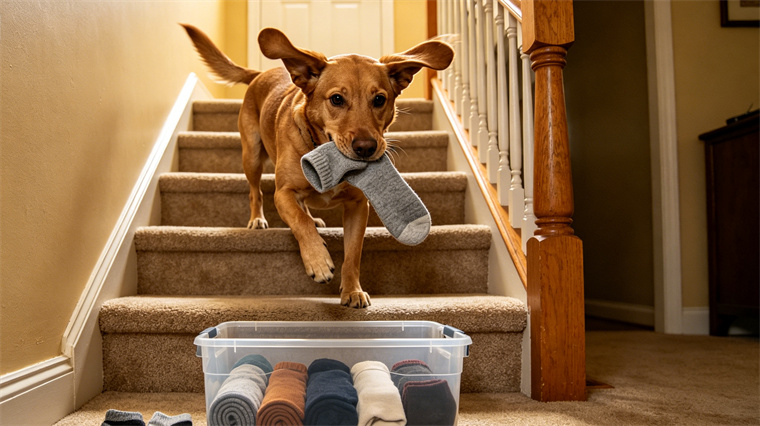
📸 Case #1: Maze’s Sock Box—The Most Organized "Collector"

[Image Description] The photo was taken at the foot of a staircase in an ordinary home. Beneath the stairs sits an open, transparent plastic storage bin, inside of which are neatly stacked at least 12 socks of various colors and styles—some rolled into balls, others laid flat—looking as if they had been meticulously organized. Scattered next to the bin are two additional socks that the canine culprit apparently didn't have time to stash away.

The owner captioned: “This is Maze’s sock box. She steals socks from the bedroom, then immediately runs downstairs to deposit them into this box. She has kept this up for two years now.”

[Behavioral Analysis] Maze’s behavior is a classic example of a combination of “hoarding instinct” and “attention-seeking.” She isn’t trying to destroy the socks; rather, she treats the act of collecting them as a game and a ritual. For her, successfully stealing a sock and placing it in the box provides a sense of satisfaction—a feeling of “mission accomplished.”
Next Page→
Advertisement

Found this article helpful?

Share it with more new dog owners and raise pets scientifically together.

You May Have Missed

Elevator etiquette training: Calm control when entering confined spaces
Training

Elevator etiquette training: Calm control when entering confined spaces

The doors slide shut with a soft whoosh, the floor gives a slight lurch, and suddenly, the world feels very small. For many dogs, an elevator ride is a confusing cocktail of strange sounds, confined space, and unpredictable movement. Imagine your dog, panting heavily, pulling on the leash, or even trying to bolt as the doors open. This common scenario isn't just stressful—it can be a safety risk for everyone involved. Training your dog for elevator etiquette is not a luxury; it's a crucial skill for urban living that ensures safety and comfort for your pet, you, and fellow passengers. With patience and the right approach, you can transform this daunting experience into a calm, controlled routine.

Preventing Puppies from Biting Their Hands and Feet: Correct Feedback for Correcting Puppy Biting
Training

Preventing Puppies from Biting Their Hands and Feet: Correct Feedback for Correcting Puppy Biting

The joy of bringing home a new puppy is often quickly tempered by the sharp pinch of needle-like teeth on your fingers and toes. If you’ve found yourself asking, “Why does my puppy keep biting my hands and feet?” you are absolutely not alone. This is one of the most common and frustrating challenges for new dog owners. However, this behavior is a normal part of canine development, not a sign of an aggressive dog. The key lies in understanding the why behind the bites and implementing a consistent, positive strategy for preventing puppy biting. Timely and correct intervention is crucial for your safety, your puppy’s future social skills, and a harmonious home.

Emotional synchronization: How does the owner's anxiety interfere with training effectiveness?
Training

Emotional synchronization: How does the owner's anxiety interfere with training effectiveness?

Picture this: You’re in the backyard, treat pouch on your hip, ready to practice a solid "stay." You give the cue, take one step back, and your dog immediately breaks position. A wave of frustration rises. You try again, your voice tightening. Your dog now seems distracted, sniffing the ground, avoiding eye contact. The more you try to "get it right," the worse it gets. Your anxiety climbs, and your dog’s behavior unravels in tandem. Why does it feel like your emotional state is the invisible hand guiding—or sabotaging—your training session? The answer lies in a powerful, biological phenomenon: emotional synchronization. This is the shared emotional leash that connects your inner world directly to your dog's ability to learn, focus, and cooperate.

Alleviating grooming phobia: Helping dogs overcome their fear of scissors and clippers
Training

Alleviating grooming phobia: Helping dogs overcome their fear of scissors and clippers

For many dog owners, the simple mention of "grooming day" can induce a wave of dread. What should be a routine part of canine care—vital for health, hygiene, and comfort—can devolve into a traumatic struggle of fear, restraint, and stress. Grooming phobia is a prevalent, complex issue where a dog perceives scissors, clippers, and the entire grooming process as a significant threat. Transforming this experience from a nightmare into a manageable, even positive, routine is not only possible but essential for your dog's lifelong well-being. This comprehensive guide delves into the roots of this fear and provides a structured, empathetic path forward, strengthening the bond between you and your pet.

Randomizing rewards: How to keep your dog looking forward to commands
Training

Randomizing rewards: How to keep your dog looking forward to commands

You’ve nailed the basics. Your dog can sit, stay, and come on command. But lately, you’ve noticed a lag—a reluctant plop into a "sit," a distracted glance during "stay." The spark of enthusiastic obedience seems to have dimmed. You’re not alone. This training fatigue, for both owner and dog, is a common hurdle. The culprit is often predictability. The solution? Mastering the art of randomizing rewards. This article will transform your approach to dog training by introducing you to the powerful psychological principle of variable reinforcement, a method that will reignite your dog’s motivation and forge an unshakeable, joyful response to your commands.

2026 Puppy Training Kit: 5 Essential Training Tools for New Parents
Training

2026 Puppy Training Kit: 5 Essential Training Tools for New Parents

Bringing home your new puppy is a whirlwind of joy, cuddles, and… pure, unadulterated overwhelm. Between the excited piddles, the sharp little teeth, and the sudden midnight serenades, it’s easy for first-time pet parents to feel lost. Traditional training advice is plentiful, but the future of puppy parenting is here, blending timeless canine psychology with smart technology and innovative design. Welcome to the 2026 Puppy Training Kit, a curated collection not just of supplies, but of solutions. This guide cuts through the noise to present five essential tools designed to make your training journey more efficient, effective, and deeply connected. Let’s transform that adorable handful of chaos into a well-mannered companion with tools that empower you both.