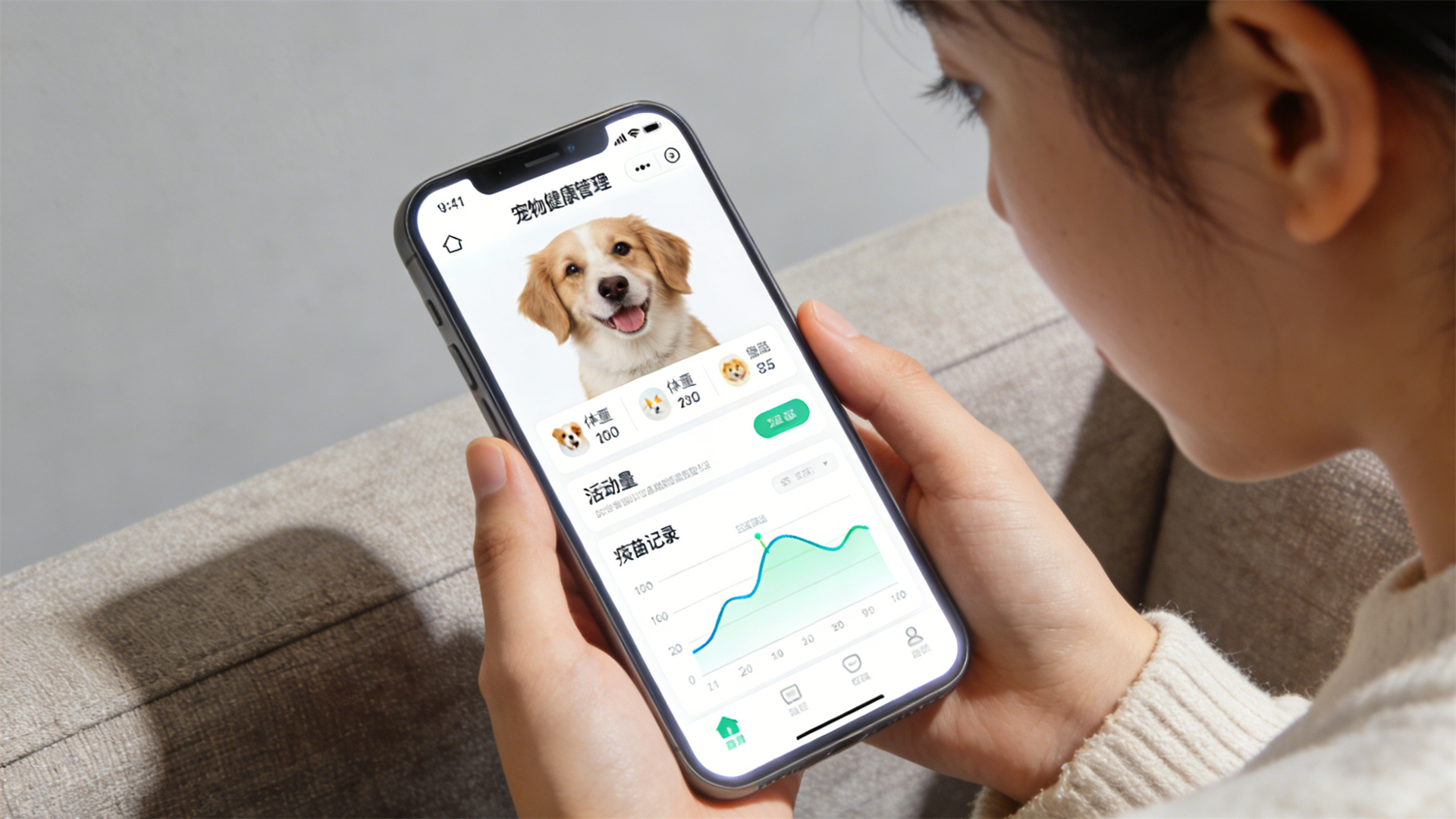
Authoritative insights from the 2026 Global Dog Consumption White Paper reveal a paradigm shift. Dog ownership is no longer just about love and basic care; it's an integrated, data-informed lifestyle. This report, synthesizing data from over 50 markets, demonstrates that smart dog ownership—leveraging technology for enhanced well-being—is now the defining standard for modern pet parents.
📊 Executive Summary: The New Era of Canine Care
The 2026 Global Dog Consumption White Paper marks a watershed moment for the pet industry. Global spending on dogs has surged to an unprecedented $350 billion annually, but the story is not just about growth—it's about transformation. The modern dog owner is increasingly tech-savvy, health-conscious, and views their pet as a full-fledged family member whose well-being can be optimized. This has catalyzed the rise of an entire ecosystem built around smart dog ownership 2026, moving from niche curiosity to mainstream expectation. This article distills the white paper's key findings into actionable insights for owners, professionals, and enthusiasts alike.
🔍 Pillar One: White Paper Key Findings & The 2026 Landscape
The 2026 data paints a clear picture of a sophisticated, global market driven by deeper human-canine bonds and technological adoption.
Global Spending & Demographic Shifts
Overall Expenditure: The global dog consumption market has grown 40% since 2022, with the Asia-Pacific region leading in growth rate. Spending is no longer concentrated on food and toys; services and technology now claim over 35% of the average owner's budget.
Owner Profile Evolution: The primary demographic is now Millennials and Gen Z (aged 25-44), who comprise 64% of new dog adoptions. This cohort drives demand for convenience, personalization, and digital integration. Furthermore, single-person households and empty-nesters are significant segments, often investing heavily in companion technology and premium care solutions.
Defining Consumption Trends of 2026
1. The Quantified Canine: Over 60% of new product launches have a digital or connected component. Health is paramount.
2. Hyper-Personalization: From DNA-tailored nutrition to AI-generated training plans, one-size-fits-all is obsolete.
3. The Wellness Priority: Spending on preventive health monitoring, mental stimulation, and emotional well-being outpaces reactive sick-care.
4. Sustainability as Standard: 72% of owners consider environmental impact when purchasing, favoring products with circular economy credentials.
⚙️ Pillar Two: Deconstructing The Smart Dog Ownership Ecosystem
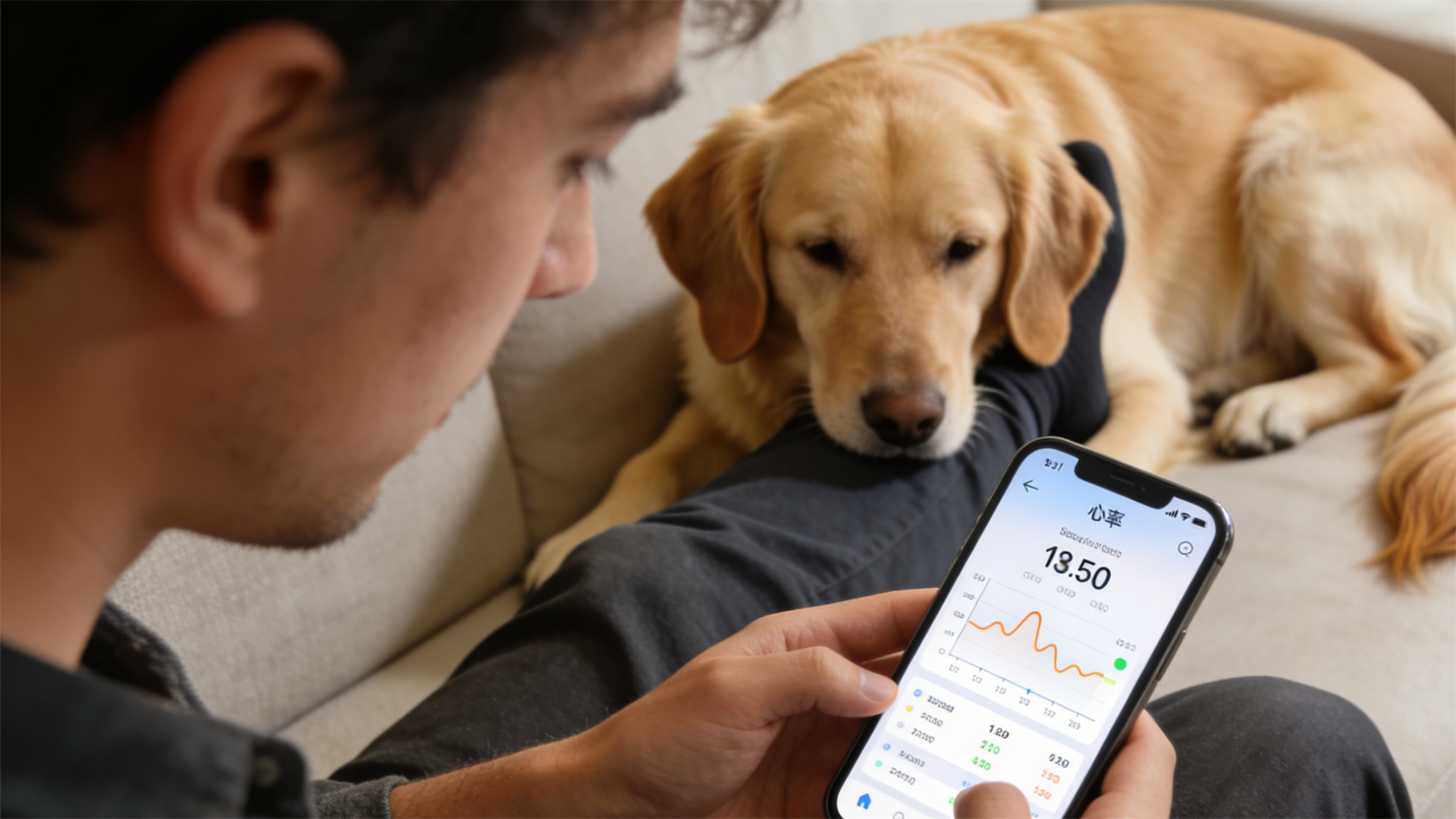
Smart dog ownership in 2026 is not a single gadget but a seamless, interconnected system designed to enhance every aspect of a dog's life. The white paper identifies four core components.
🏠 Connected Living & Safety Devices
This forms the digital "home" for your dog. Smart collars with GPS and geofencing are baseline. The new standard integrates with smart home ecosystems: automated dog doors triggered by collar microchips, smart feeders that sync with health apps, and interactive cameras that dispense treats or initiate play sessions remotely. These devices create a safe, stimulating environment even when the owner is away, addressing separation anxiety and providing peace of mind.
🥩 Smart Nutrition & Feeding Solutions
Feeding has evolved from simple kibble to a data-driven ritual. Smart bowls weigh portions and track consumption in real-time, alerting owners to changes in appetite. Subscription services use algorithms to adjust food blends based on activity data from a dog's tracker, age, breed predispositions, and even local weather. Fresh, pre-portioned, and customized meal delivery is the fastest-growing segment in dog food, blurring the lines between nutrition and medicine.
❤️ AI-Driven Health & Biometric Monitoring
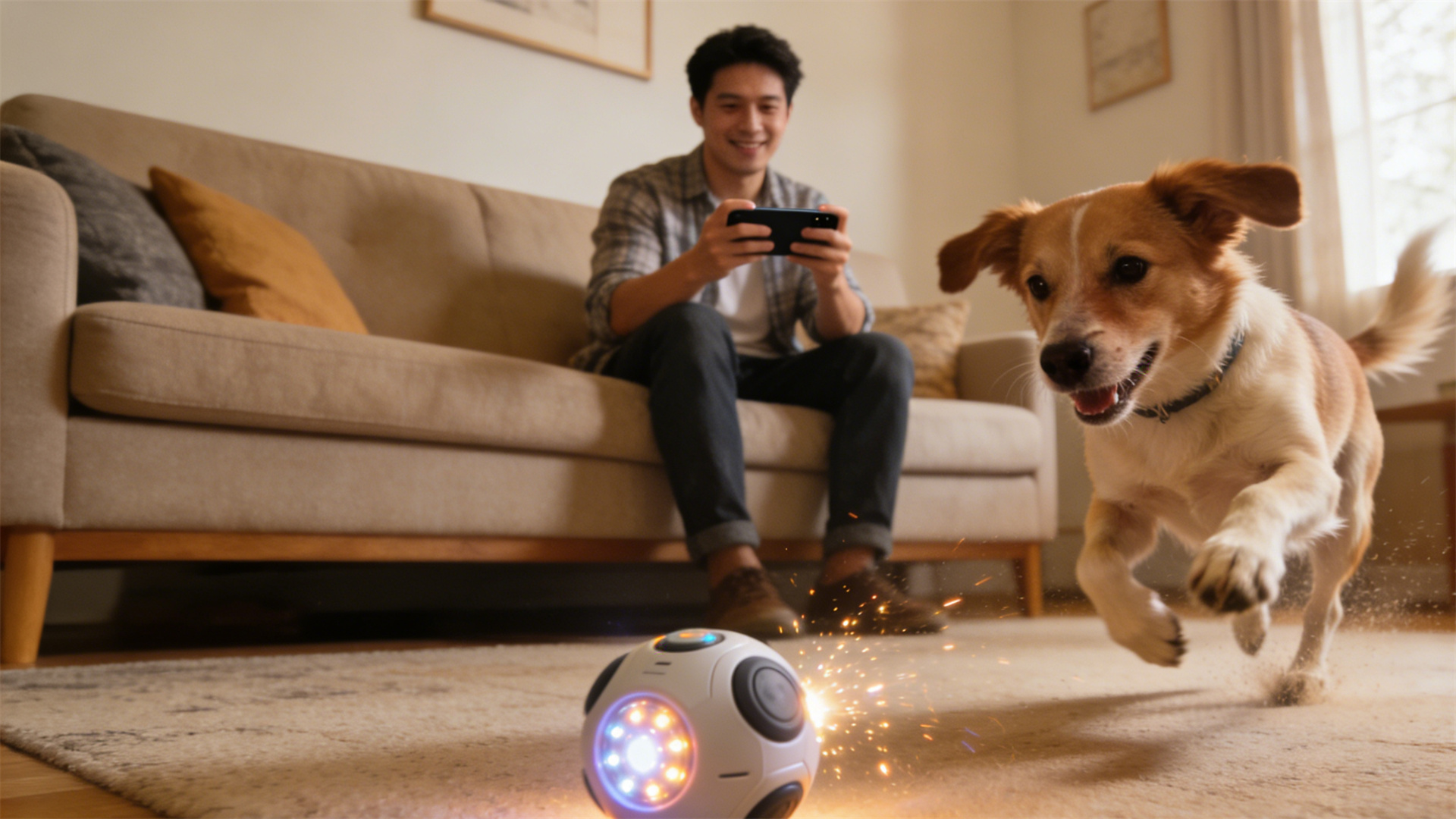
This is the heart of the ecosystem. Advanced wearables now monitor vital signs far beyond step counts: continuous heart rate, heart rate variability (HRV), respiratory rate, skin temperature, and sleep quality. AI algorithms establish individual baselines and flag anomalies, potentially detecting conditions like early-stage heart issues or signs of stress. These platforms often offer direct telehealth vet consultations, creating a closed-loop health management system. The white paper notes a 200% increase in veterinary clinics integrating this patient-generated data into their records.
🎓 Data-Informed Training & Enrichment Tools
Training is personalized and efficient. Apps analyze bark patterns to interpret needs, while smart toys adjust difficulty based on the dog's performance. Virtual reality (VR) and augmented reality (AR) are emerging for cognitive enrichment, providing mentally stimulating games. Furthermore, data from activity monitors helps identify optimal training times based on a dog's energy cycles, making sessions more effective.

🛠️ Pillar Three: Actionable Guidance for the Modern Owner
Adopting a smart dog ownership philosophy can be overwhelming. Here’s how to implement these insights responsibly and effectively.
📲 Adopting Smart Tech: A Strategic Approach
Start with a Foundation: Begin with a single, multi-functional device like a quality health and GPS tracker. Master its data before adding more layers.
Prioritize Interoperability: Choose devices that integrate via common platforms (like iOS/Android apps) to avoid data silos. Seek open API systems.
Security First: Ensure any device collecting your dog's location or health data uses strong encryption and clear privacy policies.
📈 Interpreting Your Dog's Data: From Numbers to Knowledge
Data is useless without context. The trend is your friend.
- Focus on deviations from your dog's personal baseline, not just absolute numbers. A 20% drop in activity may be more telling than a single day's count.
- Correlate data points: Did poor sleep follow a day of high stress (shown by elevated HRV)?
- Use data as a conversation starter with your vet, not a diagnostic tool. Present longitudinal data (e.g., "Her resting heart rate has trended up 15% over two weeks").

⚖️ The Essential Balance: Technology & Canine Well-being
Special Reminder: Technology should augment, not replace, the core tenets of dog ownership. The white paper strongly cautions against "tech guilt" or over-reliance.
Unplugged Bonding Time: Designate tech-free walks and cuddle sessions. Your undivided attention is irreplaceable.
Observe the Actual Dog: No device can match your intuitive bond. Always cross-reference data with your dog's physical cues, behavior, and appetite.
Avoid Analysis Paralysis: Do not stress over every minor fluctuation. Use technology to gain a broader, clearer picture of health, not to micromanage every moment.
🔮 Conclusion & Future Horizons
The 2026 Global Dog Consumption White Paper conclusively shows that smart dog ownership is the mainstream. This shift towards data-driven pet care promises longer, healthier, and more fulfilling lives for our canine companions. Looking ahead, we anticipate deeper AI integration, predictive health analytics, and even more seamless smart home integration.