A quiet revolution is happening in our homes, and it starts with a canine smile. According to the groundbreaking 2026 Canine Oral Care Survey, over 80% of pet owners now report that they are actively focusing on their dog's teeth cleaning. This staggering statistic is more than just a number. it signals a profound shift in how we care for our furry family members. Gone are the days when a dog's dental health was an afterthought. Today, it's a cornerstone of proactive pet wellness, driven by increased education and the powerful bond we share with our pets. This article delves deep into the survey's findings, unpacking what this rising tide of awareness means for the present and future of pet dental health.
🔍 A Snapshot of the Survey: Methodology and Scope
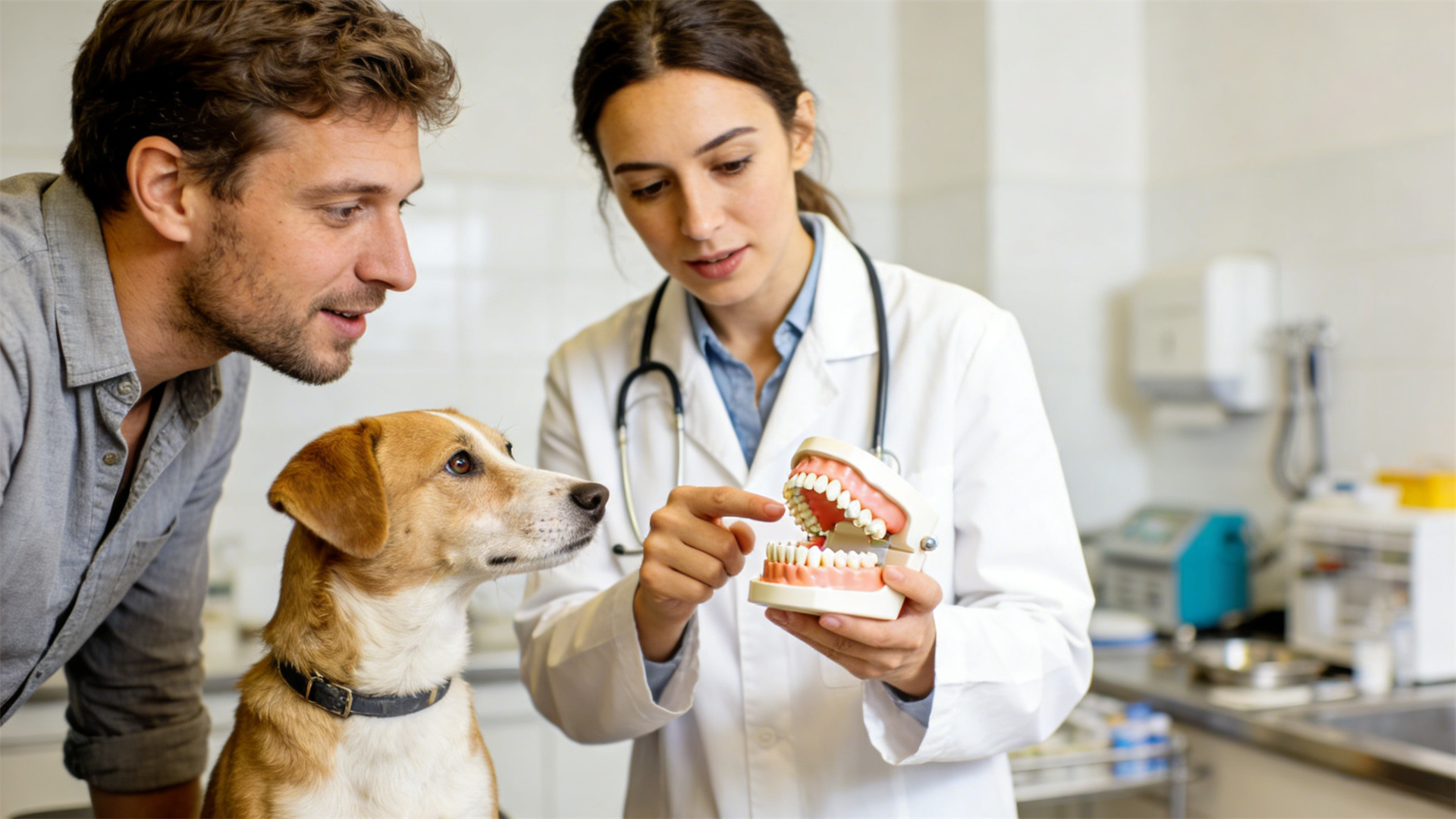
To fully appreciate the insights, understanding the foundation of the data is key. The 2026 Canine Oral Care Survey was commissioned to gauge contemporary attitudes and practices. It polled over 5,000 dog owners across North America and Europe, ensuring a diverse demographic mix of urban and rural dwellers, multi-pet and single-pet households, and owners of dogs across all age groups and sizes. Conducted in the first quarter of 2026, this survey provides a crucial, current benchmark against which future trends can be measured. Its scale and design lend significant credibility to its headline finding: that canine oral care is now a mainstream priority.
📊 Key Findings Breakdown: The Numbers Tell the Story
The survey data paints a detailed picture of modern pet care routines. The headline, of course, is the over 80% figure, indicating that the vast majority of owners are now attentive to this aspect of health. But what does this increased awareness actually look like in practice?
Beyond the 80 Percent: Diving Deeper into the Data
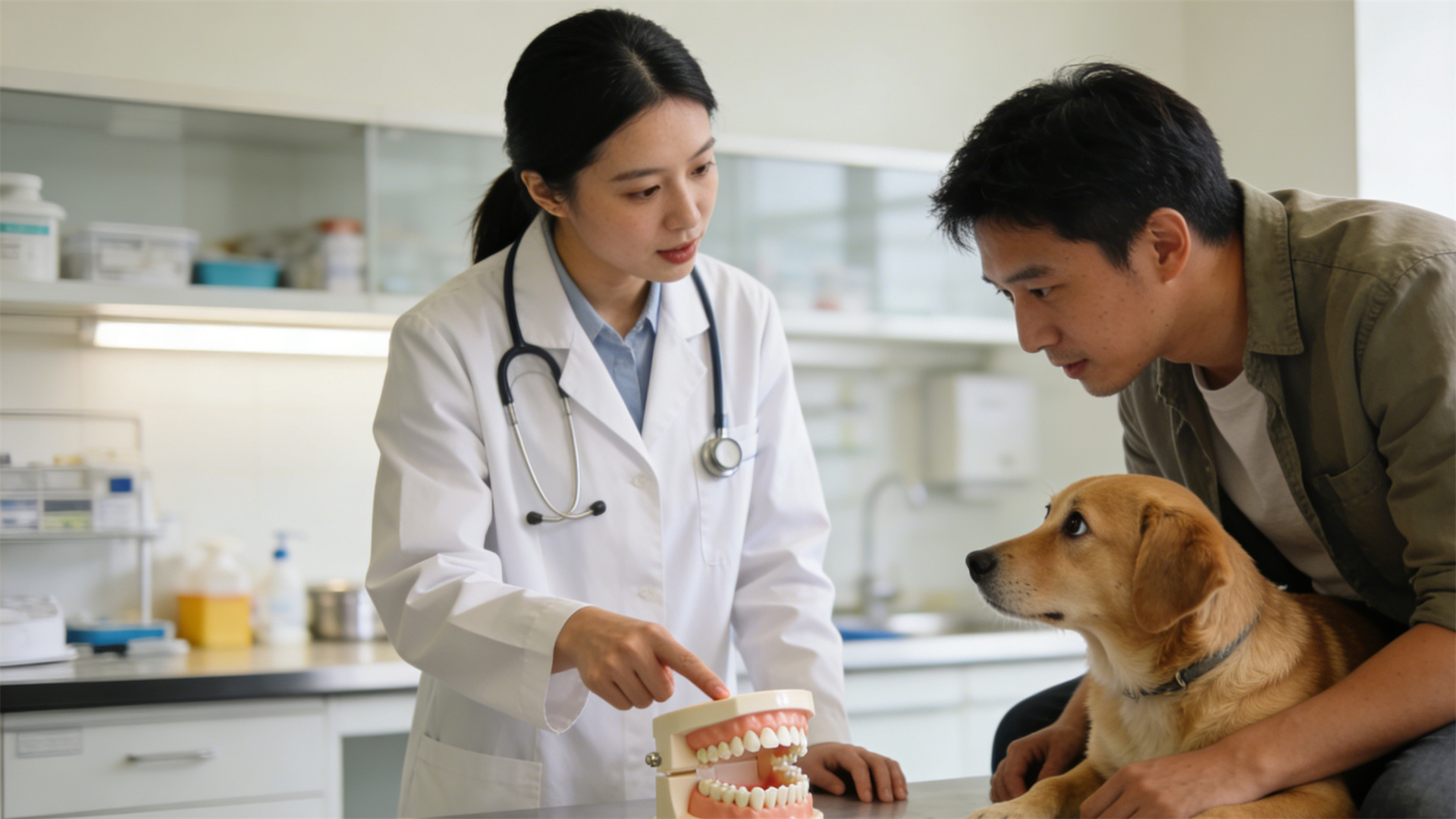
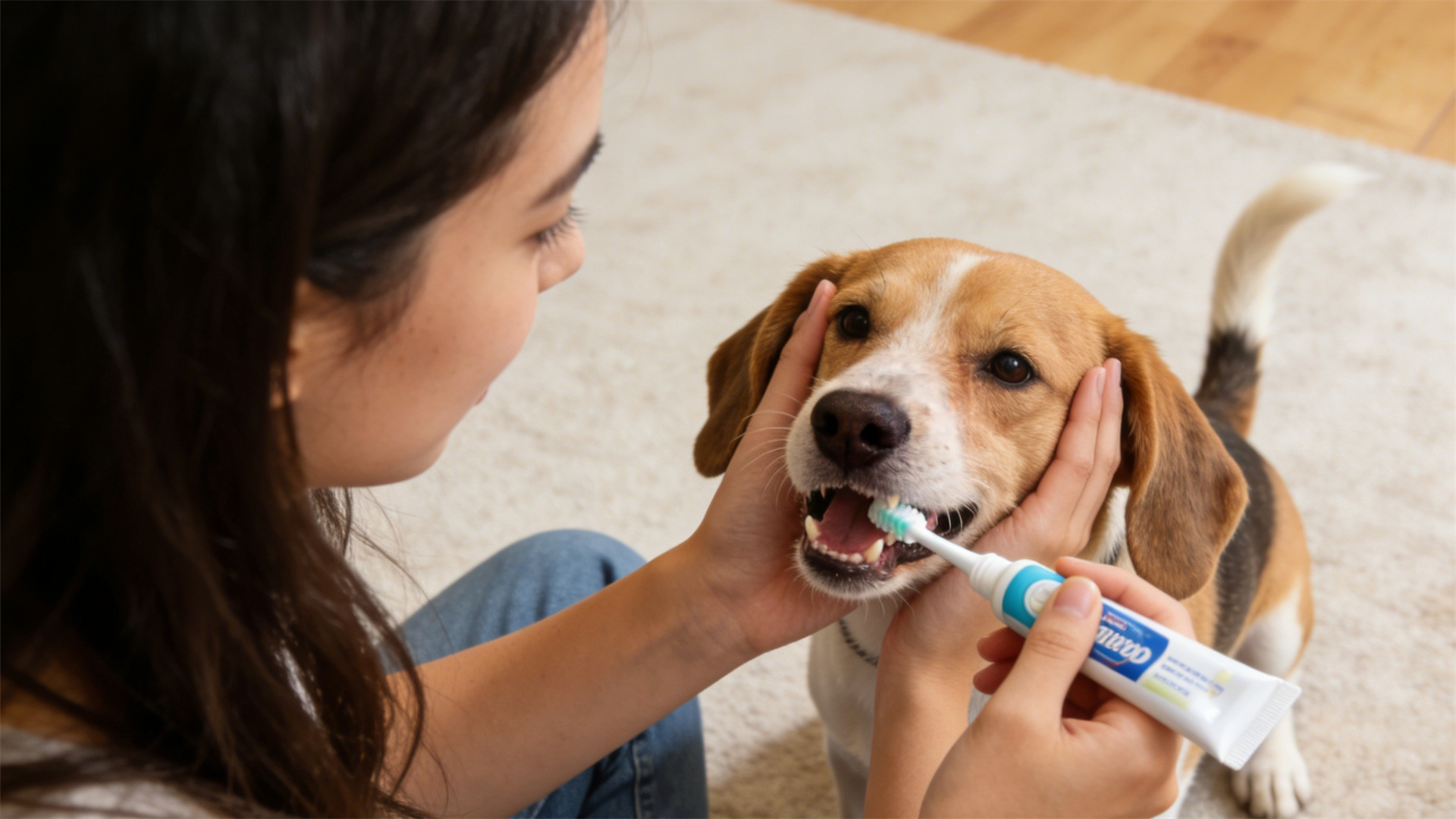
The survey revealed several other critical statistics. While awareness is high, the frequency of at-home care varies widely. Approximately 65% of respondents attempt to brush their dog's teeth, but only 30% do so daily as recommended. The use of dental chews and water additives has seen a dramatic uptick, with 75% of owners incorporating at least one supplemental dental product. Alarmingly, despite the focus on cleaning, awareness of the signs of periodontal disease—such as bad breath, bleeding gums, or difficulty eating—remained below 50%. This highlights a crucial gap between action and understanding. Furthermore, the survey noted that nearly 90% of owners consider professional veterinary cleanings important, yet cost and anesthesia concerns cause significant hesitation.
📈 Interpreting the Trend: Why the Sudden Shift?
A decade ago, the primary focus for many pet owners was nutrition and exercise. Today, the conversation has holistically expanded to include dedicated oral hygiene routines. So, what's driving this transformative shift? The reasons are multifaceted. Veterinary education has been paramount. Veterinarians now routinely include oral exams in check-ups and emphasize the systemic link between dental disease and serious issues affecting the heart, liver, and kidneys. The trend of pet humanization has also played a massive role. As dogs become integral family members, we extend our values of preventive healthcare to them. Finally, the market itself has responded. An explosion of pet-safe toothpastes, finger brushes, dental-specific diets, and innovative toys has made at-home care more accessible and less daunting for owners.
⚠️ Persistent Gaps and Misconceptions: The Roadblocks to Optimal Care
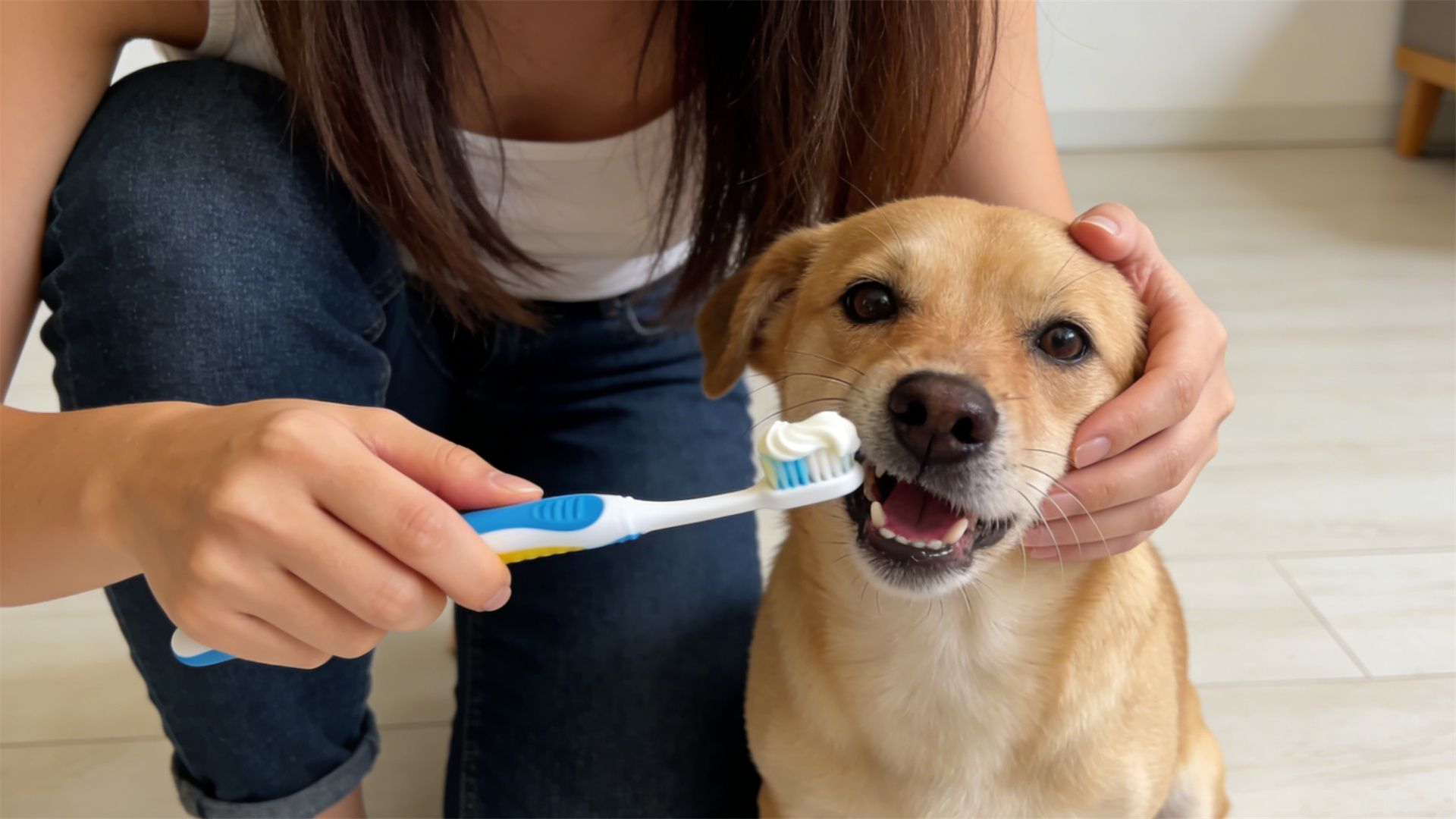
While the 80% figure is cause for optimism, the remaining 20%—and the knowledge gaps within the majority—present the next frontier in canine dental health. Several persistent myths and barriers still hinder optimal care. Many owners believe that dry food alone cleans teeth, or that a dog's natural chewing behavior is sufficient to prevent plaque. Special Reminder: These are dangerous misconceptions. Another major barrier is the perceived difficulty of brushing, especially for dogs resistant to the process. The cost and fear associated with professional, anesthesia-assisted dental cleanings at the vet also deter many from taking this essential step. As one fictionalized veterinarian, Dr. Alisha Reed, explains, "We often see owners who are doing the right things at home but are unaware that tartar below the gumline is invisible to them and requires professional scaling to address. This is where the true battle against periodontal disease is won."
🛠️ Actionable Guidance for Owners: From Awareness to Action
Knowledge is power, but action is results. Here is a clear, step-by-step framework for implementing a winning canine oral care strategy, combining at-home diligence with professional partnership.
Building an Effective At-Home Routine
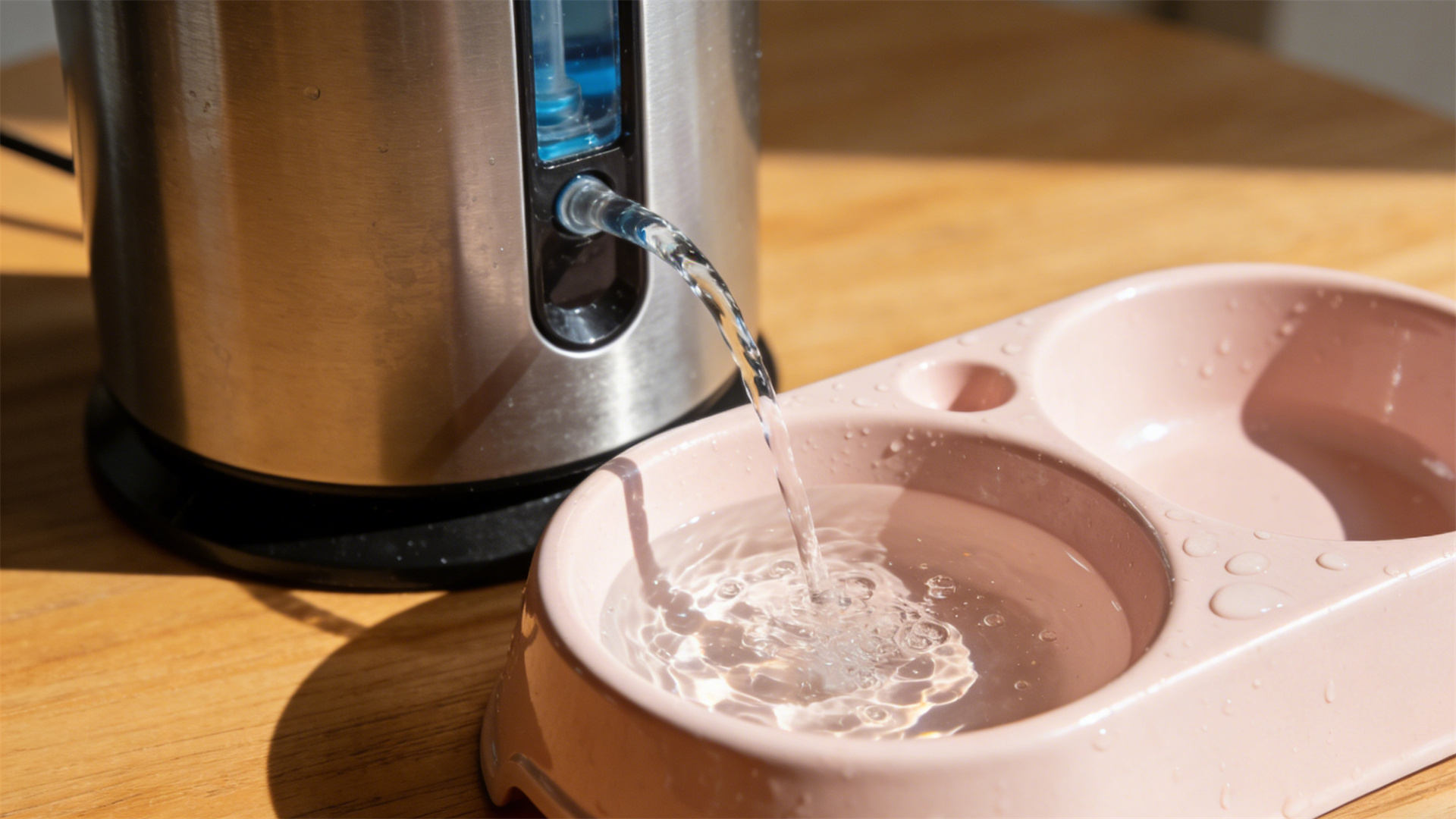
Start slowly and positively. Introduce dog-specific toothpaste in a tasty flavor. Let your dog lick it off your finger before gently introducing a soft-bristled toothbrush or finger brush. Aim for brief, daily sessions, rewarding calm behavior. For dogs who absolutely won't tolerate brushing, alternatives can help. The market offers a range of effective products. Look for Veterinary Oral Health Council (VOHC) approved dental chews, which are tested and proven to reduce plaque and tartar. Consider adding a water additive to your dog's bowl—it's an effortless way to fight bacteria. Dental toys designed to scrape teeth during play are another excellent supplement. Remember, these are supplements, not replacements, for brushing when possible.
The Non-Negotiable Role of Professional Care
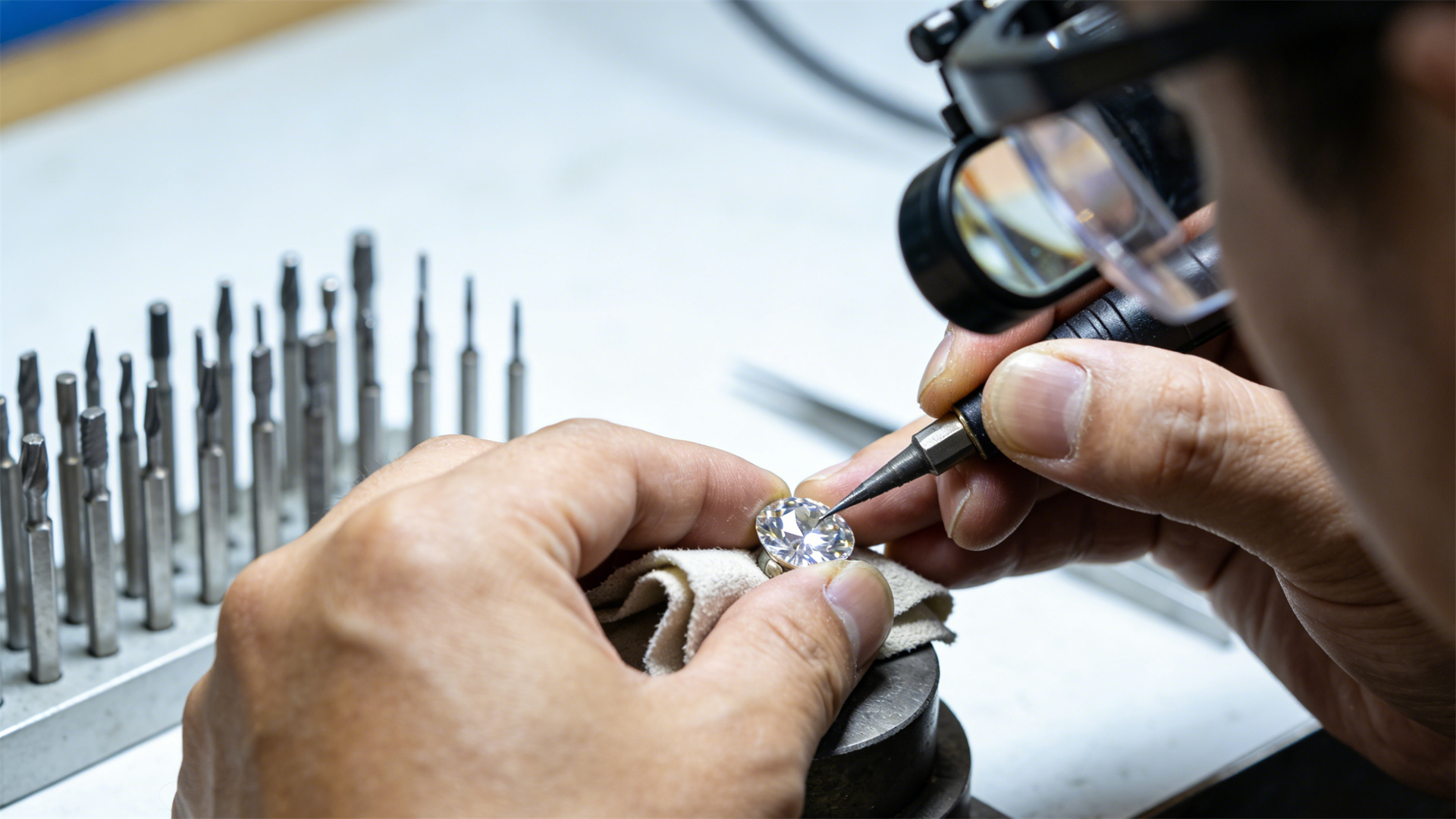
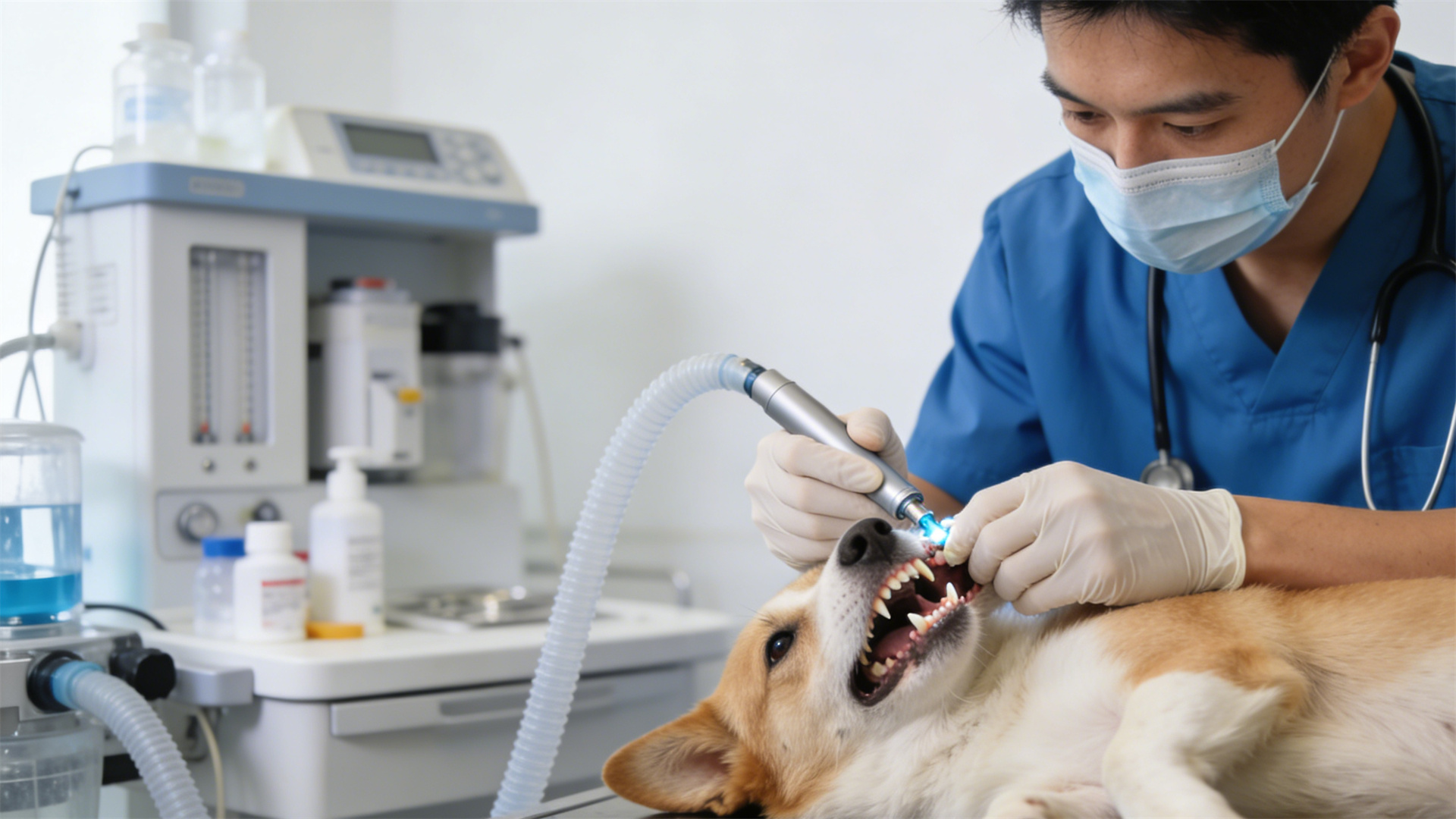
No at-home regimen can replace the need for periodic professional teeth cleaning for dogs. This is a medical procedure performed under anesthesia, allowing the veterinary team to thoroughly examine each tooth, probe for pockets of disease, take dental X-rays (crucial for assessing health below the gumline), and scale and polish all tooth surfaces. Be wary of "anesthesia-free cleanings" offered by non-veterinary providers. While they may Groomingally clean the visible crown, they do not address disease under the gums, can be stressful for the pet, and may provide a false sense of security. Your veterinarian is your partner in creating a tailored schedule for these cleanings based on your dog's breed, age, and individual health.

🚀 The Future of Canine Dental Care: Innovations on the Horizon
The 2026 survey data marks a pivotal turning point in consumer awareness, which will inevitably accelerate innovation. We can expect to see smarter products, such as chew toys with built-in sensors that monitor bite force and gum health, or enzymatic gels with longer-lasting efficacy. Telehealth may expand to include preliminary oral consultations. Furthermore, the growing awareness of the oral-systemic health link will drive more integrative care approaches, with veterinarians collaborating more closely with veterinary dental specialists. The future is one where comprehensive canine oral care is seamlessly woven into the fabric of responsible pet ownership from puppyhood through the senior years.

💎 Conclusion: A Healthier Smile for a Healthier Life
The central takeaway from the 2026 Canine Oral Care Survey is unequivocally positive: we are paying more attention than ever before. This collective awakening to the importance of canine dental health is a testament to the evolving, deepening bond we share with our dogs. However, awareness is just the first step. The goal is to translate that awareness into consistent, effective action that combines daily home care with regular professional veterinary oversight. By doing so, we do more than just fight bad breath. we safeguard our dogs' overall vitality, comfort, and longevity. Let this survey be your inspiration. Commit today to making your dog's oral health a priority—their brighter smile and healthier body will be your reward.