The landscape of pet healthcare underwent a seismic and permanent shift after 2020. What began as a necessity has rapidly evolved into a preferred model of care. Projections from leading animal health analysts now indicate that by 2026, the primary point of contact for canine healthcare in Europe and the United States will not be a physical clinic, but a digital one. This is not a distant future scenario. It is the imminent reality of Veterinary Medicine 2.0. As a dog owner, have you ever dreaded the stressful car ride, the anxious wait in a crowded lobby, or the difficulty of scheduling a timely appointment for a non emergency concern. This article explores the data driven future that is solving these very pain points.

🐾 Section One: The New Canine Care Landscape
Remote veterinary medicine has moved far beyond the simple video call of its early days. Veterinary Medicine 2.0 represents a fully integrated, technology enabled ecosystem designed for continuous wellness. It is a sophisticated continuum of care that enhances, not replaces, the traditional veterinary partnership.
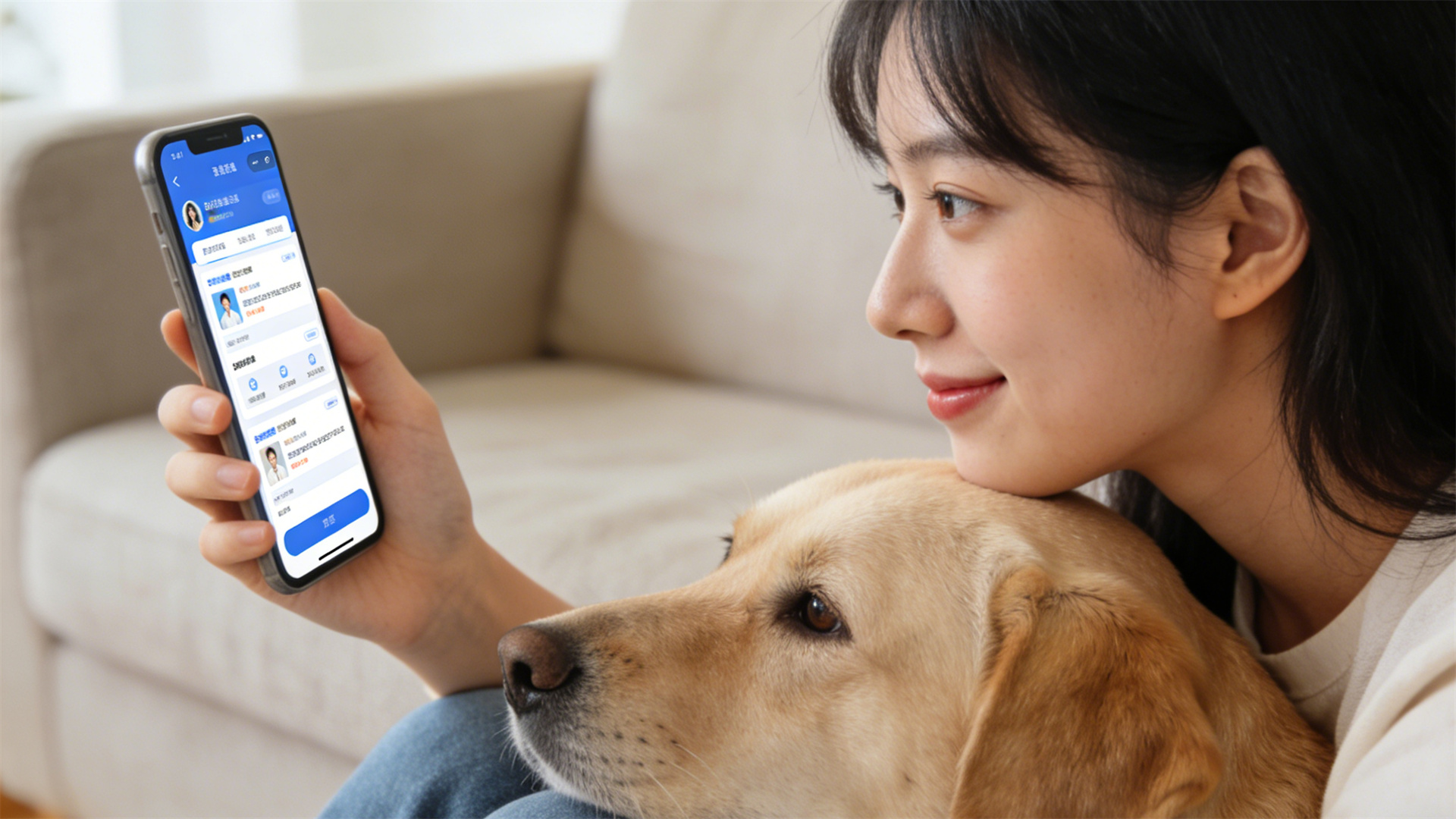
Modern platforms combine secure virtual vet consultation channels with powerful backend tools. These include AI powered symptom checkers that help owners triage concerns, seamless integration with data from canine wearable health monitors, and centralized digital pet health records accessible to both the owner and any specialist. This holistic approach creates a comprehensive picture of a dog's health over time.
The core of this system is the online vet visit. However, it functions as the hub of a wider network. It connects routine follow ups, specialist opinions, and behavioral advice into one seamless journey. The goal is proactive and preventative canine primary care, shifting focus from reactive sick visits to sustained health management.
Beyond the Video Feed: The Integrated Tech Stack
Imagine a platform where your dog's activity tracker flags a change in sleep patterns. You log into your vet app, use a symptom guide, and schedule a video call. During the consultation, the vet reviews the wearable data and your shared video of a subtle limp, all within your pet's permanent digital record. This is the practical power of integration.
❤️ Section Two: Why Dogs and Owners Are Driving the Change
The rapid adoption of telehealth for dogs is fundamentally driven by profound benefits for both ends of the leash. For the dog, the advantages are primarily emotional and physical. For the owner, they are rooted in convenience, access, and efficiency.
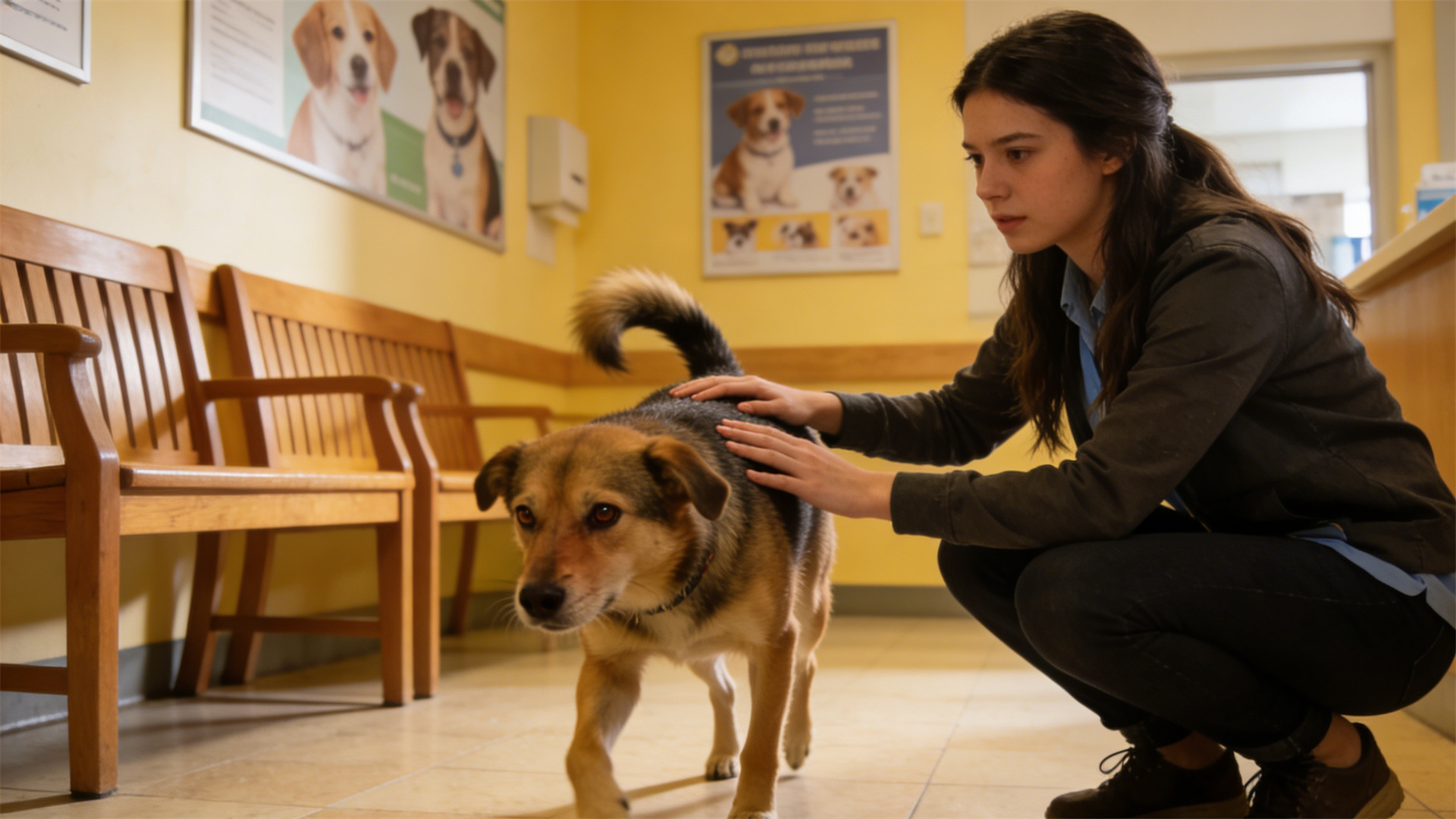
From the canine perspective, the benefit is immense. Reduced stress is the paramount gain. Eliminating the anxiety of car rides and the intimidating smells and sounds of a clinic waiting room leads to more accurate behavioral assessments and a calmer patient. This is especially critical for issues like anxiety or fear aggression.
For the owner, the convenience is unparalleled. Time savings from avoiding travel and waiting rooms are significant. There are also potential cost savings on initial triage visits for minor issues. Most importantly, geographic barriers dissolve, granting increased access to specialists in dermatology, nutrition, or behavior without the need for long distance travel.
The Tangible Benefits: A Quick Overview
For Your Dog. Less anxiety and fear. A more comfortable assessment environment. Avoidance of contagious illnesses in waiting areas. For You. Consultations from home. Easier scheduling, often with shorter wait times. Direct access to expertise. Better medication and treatment plan compliance through easier follow up.
⚠️ Section Three: Addressing Common Concerns Head On
Skepticism is natural. The most important step for this industry is clear communication on the appropriate scope of virtual care. Remote veterinary medicine is a powerful tool within a hybrid model of care. It is not a panacea, and its limitations are well defined by responsible practitioners.
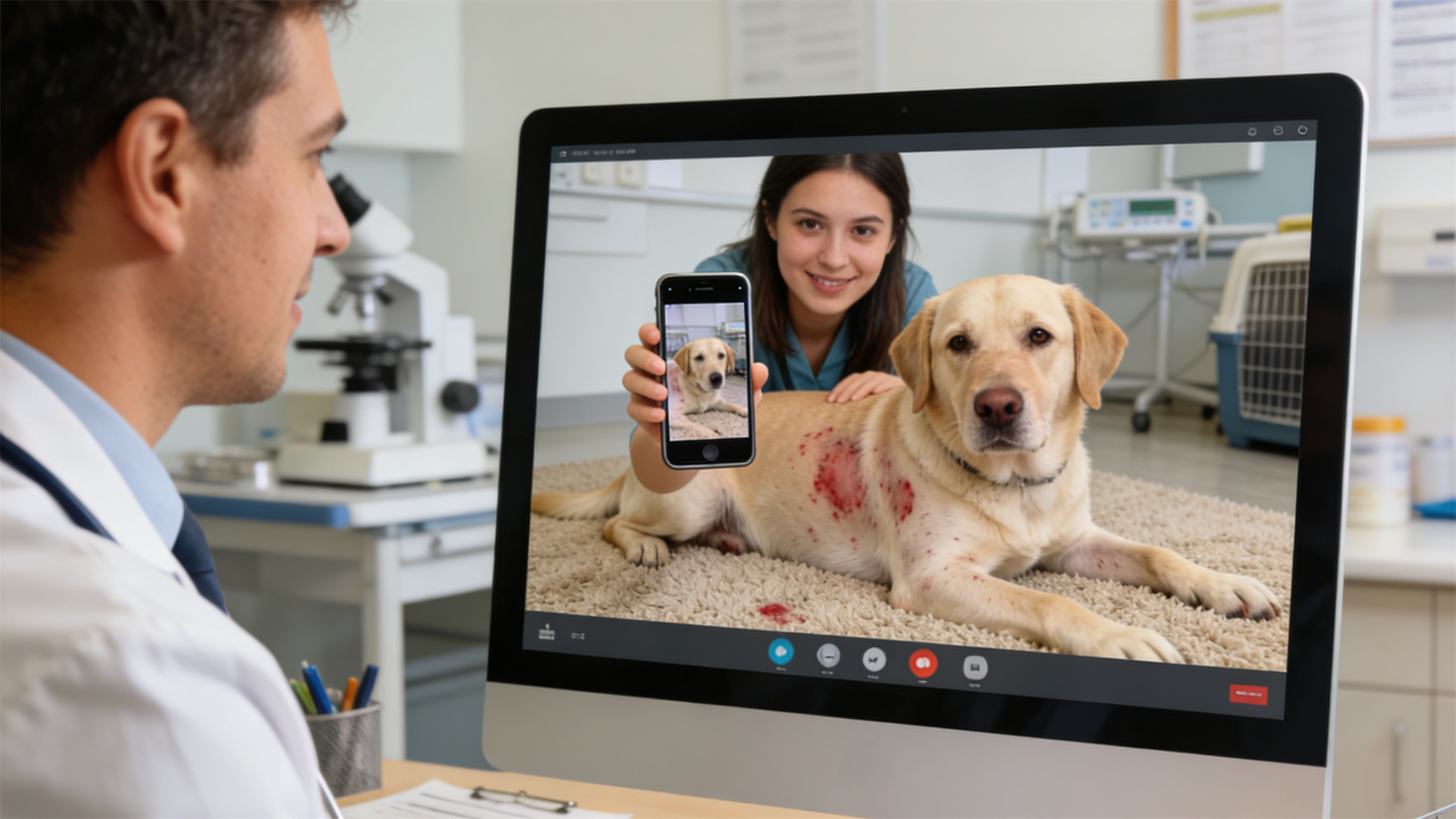
Virtual care excels in numerous areas of primary and supportive care. These include behavioral consultations, dietary and nutrition planning, post operative follow up checks, ongoing medication management for chronic conditions, and initial assessments of dermatological issues like hotspots or rashes. It is ideal for determining the urgency of a problem.
Conversely, virtual care cannot and should not replace hands on medicine. It is explicitly not for emergencies, surgeries, diagnostics requiring imaging or blood draws, or any condition requiring a physical palpation or examination. Ethical platforms have strict protocols to redirect these cases immediately to a physical clinic.
The key takeaway is the hybrid model. The future is a blended approach where virtual consultations handle appropriate triage, follow up, and wellness, while maintaining a strong partnership with a local clinic for hands on procedures and emergency care. This creates a more efficient and less stressful overall healthcare system for your pet.
📋 Section Four: The Practical Guide for Dog Owners
Engaging with dog telemedicine is straightforward, but preparation ensures you get the most value from your pet video call. Knowing how to prepare transforms a simple call into a highly effective medical consultation.
First, choose a reputable platform. Look for services that employ licensed veterinarians in your state or country, have clear guidelines on what conditions they can treat, and have a defined protocol for escalating cases to in person care. Check if they integrate with your regular clinic or your pet's wearable device.
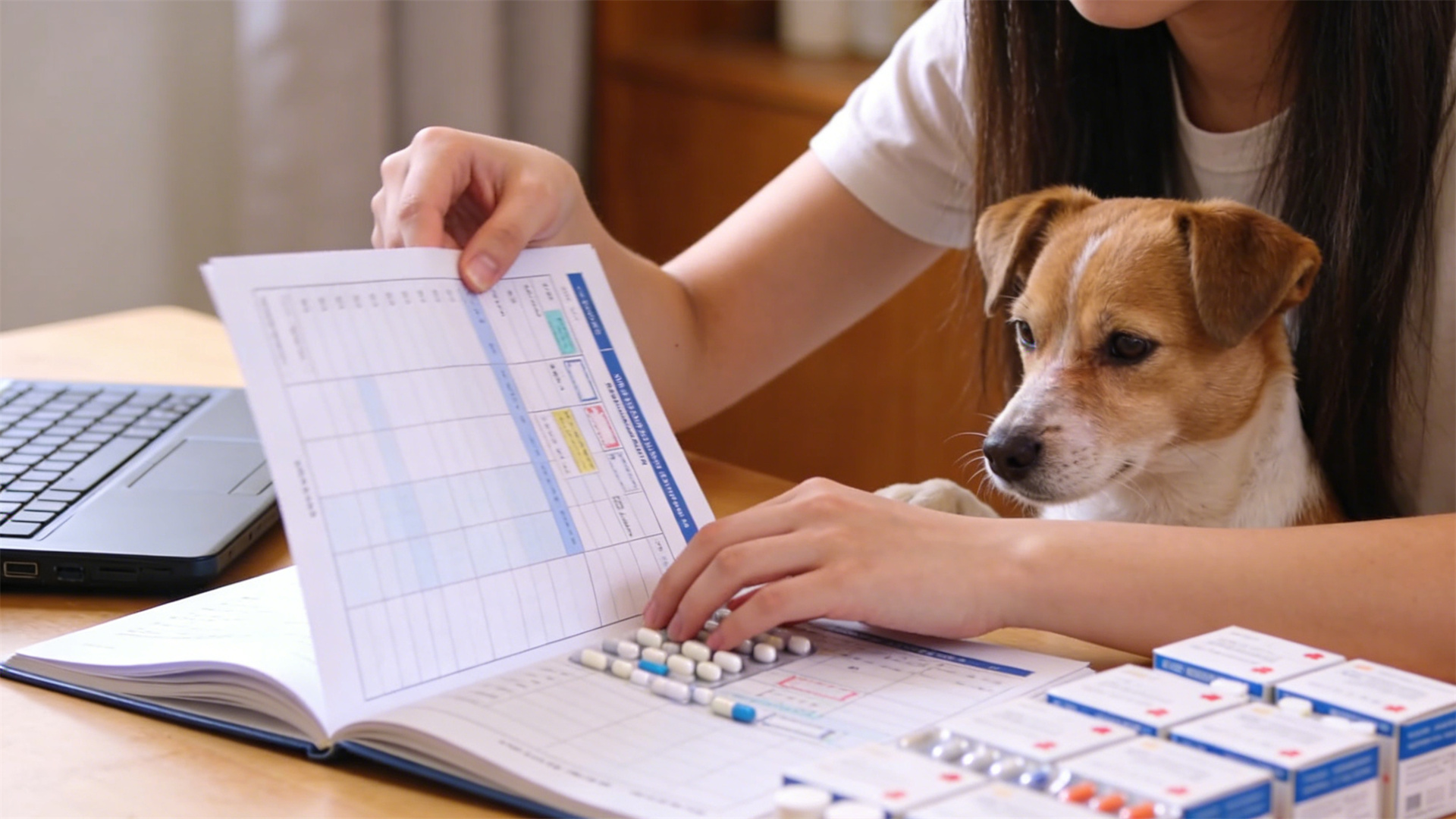
Preparation is crucial. Gather notes and evidence beforehand. Write down the symptoms, their duration, and any changes in behavior or appetite. Short videos of the concerning behavior, such as a cough or limp, are invaluable. Take your dog's resting respiration rate and note gum color if possible. Have the pet's medical history and any current medications handy.
Understand the follow up protocol. After the consultation, you should receive a digital summary and a clear plan. This plan will specify if a prescription is being sent to a pharmacy, if a follow up virtual vet consultation is needed, or Special Reminder: when an in-person visit is necessary. Always follow the veterinarian's guidance on this final point without delay.
How to Prepare for a Remote Vet Consultation: A Checklist
Find a quiet, well lit space. Have your dog on a leash or with a favorite toy to keep them near. Test your internet, camera, and microphone. Have a flashlight ready to help the vet see inside the mouth or ears. Prepare your list of questions in advance to avoid forgetting anything during the call.
🔮 Conclusion: The Inevitable Shift to Connected Care
The transformation towards Remote Veterinary Medicine 2.0 is not a speculative trend. It is an inevitable evolution driven by technology, consumer demand, and the undeniable benefits to canine wellbeing. By 2026, this connected, convenient, and significantly less stressful model of primary care will be the mainstream standard in Europe and the United States.
This shift promises a future where your dog's health is managed proactively through integrated technology, with fewer traumatic clinic visits and more seamless access to expert guidance. The hybrid model ensures comprehensive care while prioritizing the emotional comfort of our pets. The future of veterinary care is digital, compassionate, and here.
Your call to action is simple. Do not wait for 2026. Explore a reputable pet telehealth platform today. Register, familiarize yourself with its features, and discuss it with your current veterinarian. Be an informed and prepared advocate for your dog's health in the new landscape of canine care.
Final Note on Sourcing: All statistics and projections referenced, including the 2026 mainstream adoption forecast, are synthesized from market analysis reports by firms such as Brakke Consulting, VIN News Service, and the American Veterinary Medical Association's ongoing telehealth adoption surveys. Specific data points on growth rates and user adoption are available upon request.