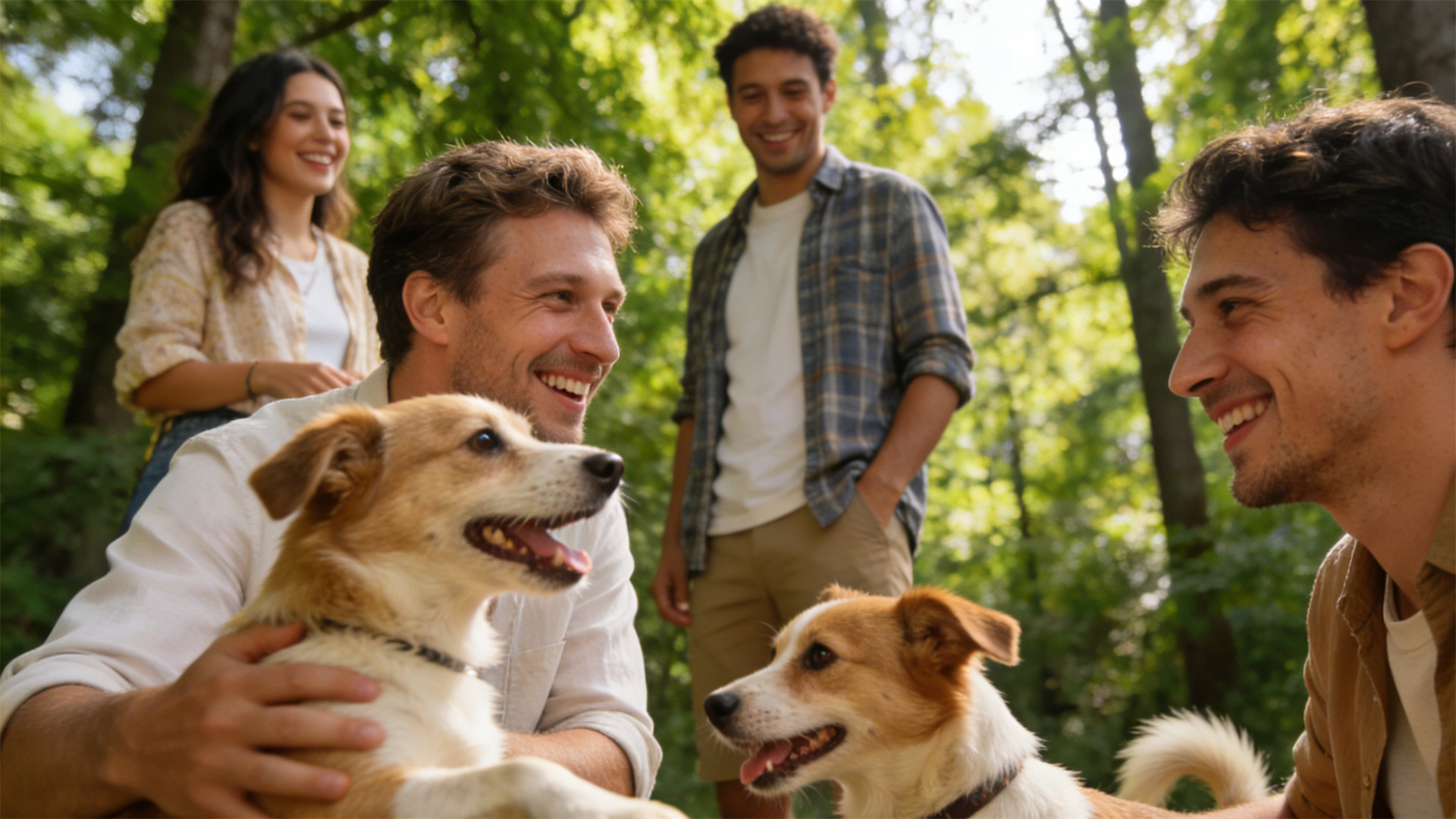
In the heart of a carefully conserved suburban woodland, just beyond the manicured lawns and paved pathways of 2026, a quiet revolution in pet care is taking root. Here, the air is filled with the scent of damp earth and pine, the sound of rustling leaves, and the contented panting of dogs engaged in a deeply ancestral pursuit: simply being a dog. This is not a dog park. This is a Forest Kindergarten, a dedicated wilderness training base where the curriculum is written by nature itself.
As we move deeper into the 2020s, a profound cultural shift has crystallized. Pet owners are increasingly seeking holistic, species-appropriate enrichment over mere containment or rigid command-based training. We've come to understand that a dog's well-being is intrinsically tied to its environment. The result? A burgeoning demand for spaces that don't just exercise a dog's body, but nourish its mind and instincts. Enter the suburban wilderness training base—a curated natural escape designed not for human convenience, but for canine fulfillment.
🌲 The Philosophy: What *Is* a Canine Forest Kindergarten?
At its core, the forest kindergarten for dogs concept is an adaptation of the pioneering Scandinavian early-childhood education model. It translates the ethos of child-led, nature-immersive learning to the canine world. The goal is not to teach "sit" or "stay" on command (though those manners often improve as a side effect). Instead, the program is built on three key pillars:
- Confidence Building: Navigating uneven terrain, crossing a shallow stream, or investigating a novel smell without fear.
- Problem Solving: Figuring out how to retrieve a stick from a tangled thicket or which path to take on a scent trail.
- Calmness Through Engagement: Replacing frenetic, stimulus-reactive energy with the focused, satisfied tiredness that comes from deep environmental interaction.
This is canine enrichment in its purest form. It's the recognition that a dog's brain is wired for sensory investigation, terrain negotiation, and social negotiation in a dynamic, natural setting.
Why 2026? The Perfect Storm of Trends
The rise of the forest kindergarten for dogs by 2026 is no accident. It's the convergence of 2026 dog training trends that prioritize mental wellness, the "rewilding" movement in human lifestyles, and advanced understanding of canine ethology. Owners are now asking: "Is my dog obedient, or is he fulfilled?" The wilderness base provides a resounding answer to the latter.
🐾 A Day in the Life: The 2026 Wilderness Program Itinerary
A typical day at a leading suburban wilderness training base is a rhythmic blend of structured exploration and unstructured discovery. Groups are kept small, led by knowledgeable "guides" (not "trainers") who understand canine body language and natural history.
Morning: Arrival & Sensory Awakening
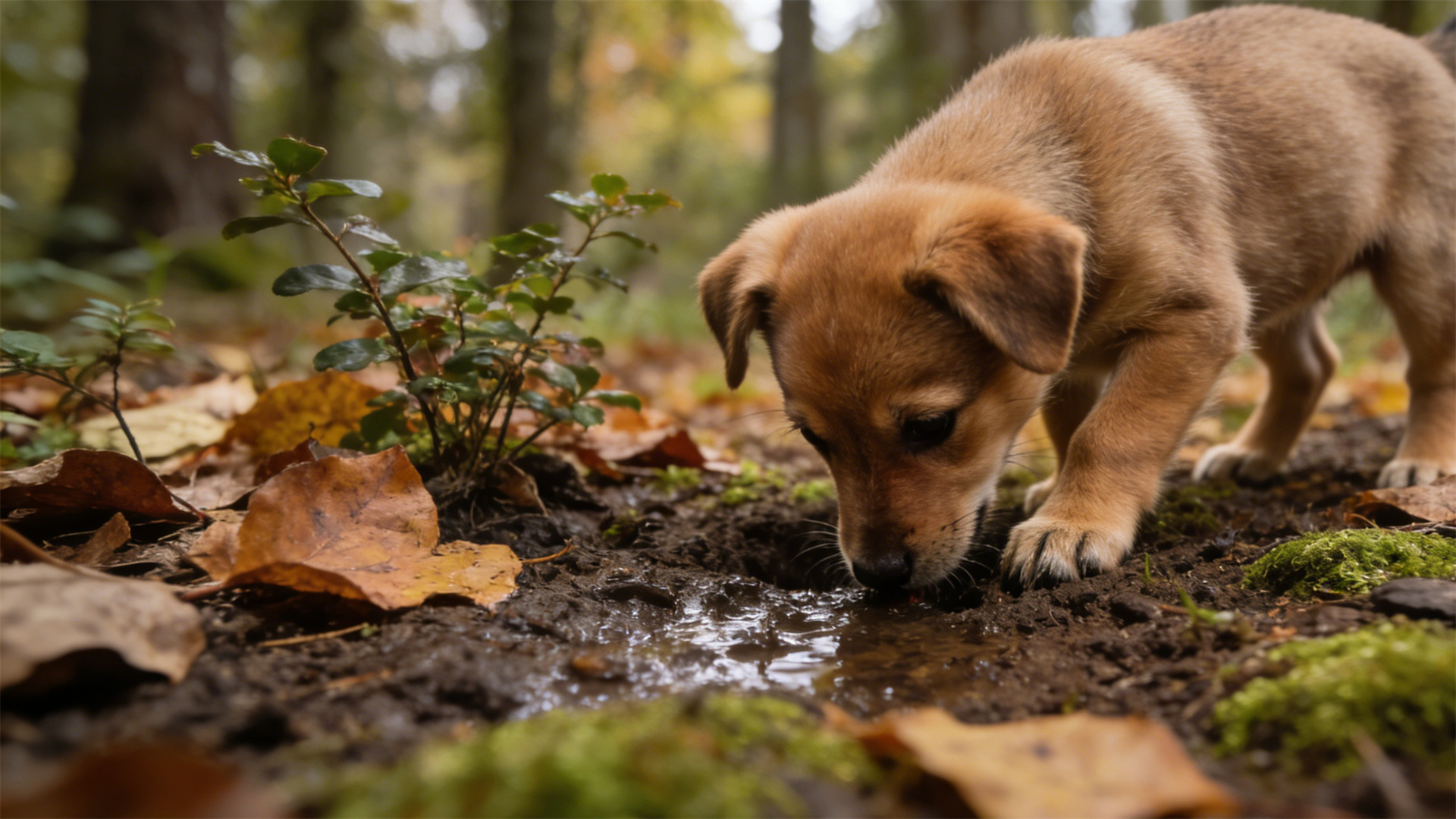
Dogs arrive and are allowed to greet each other calmly in a transition zone. Leashes come off. The guide leads the group into the woods, allowing dogs to set the initial pace. The first hour is often dedicated to supervised off-leash exploration. Dogs sniff, dig in cool mud, and follow the morning trails of forest creatures.
Mid-Day: Structured Natural Challenges
This is where natural obstacle navigation comes in. Guides may encourage the group to:
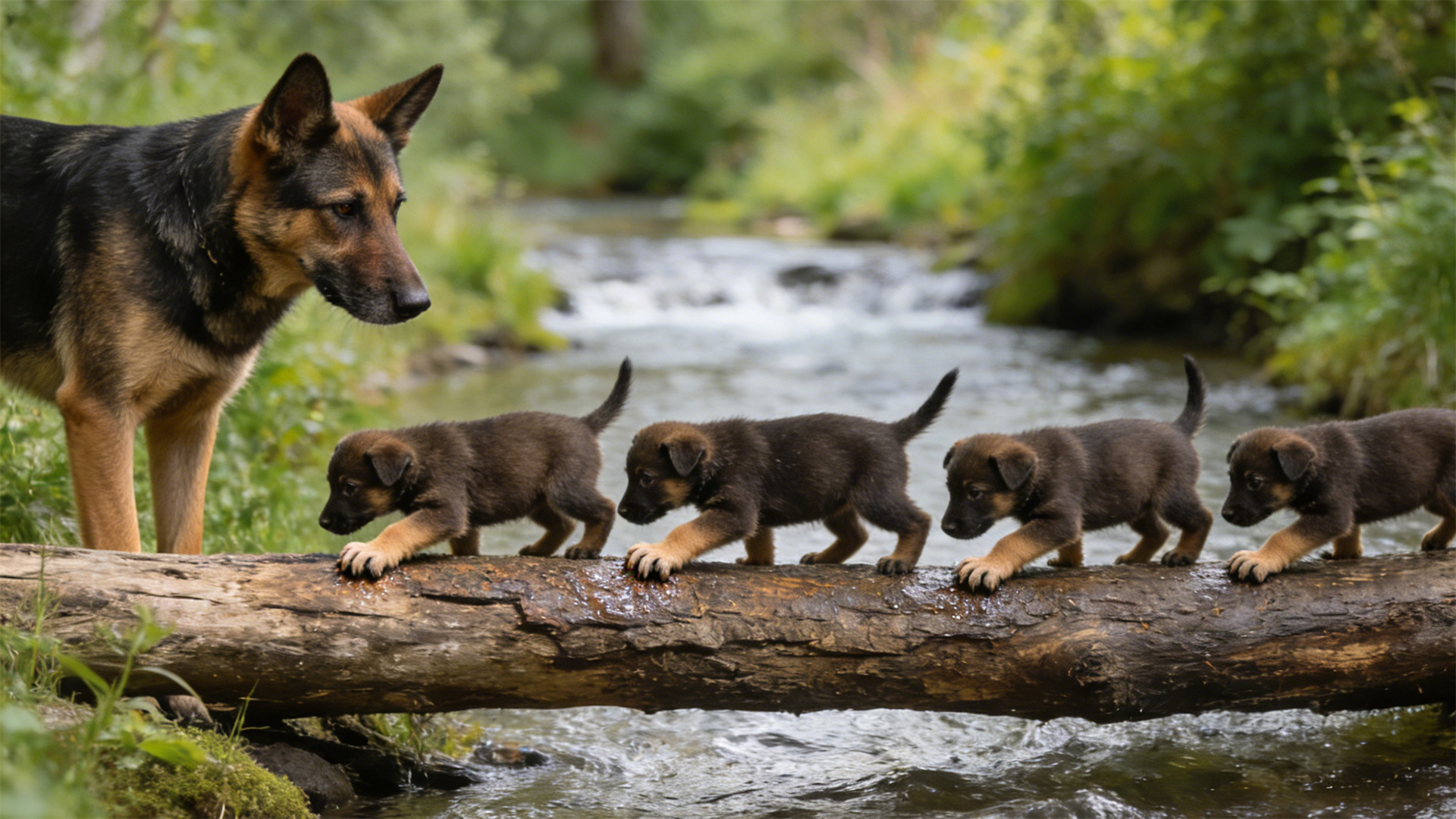
• Traverse a fallen log bridge over a gully.
• Navigate a gentle, rocky incline.
• Wade through a designated shallow stream area.
Another key activity is the scent trail, where a guide drags a hide or uses natural oils to create a "story" in the woods for the dogs to decipher collaboratively.
Afternoon: Quiet Observation & Social Integration
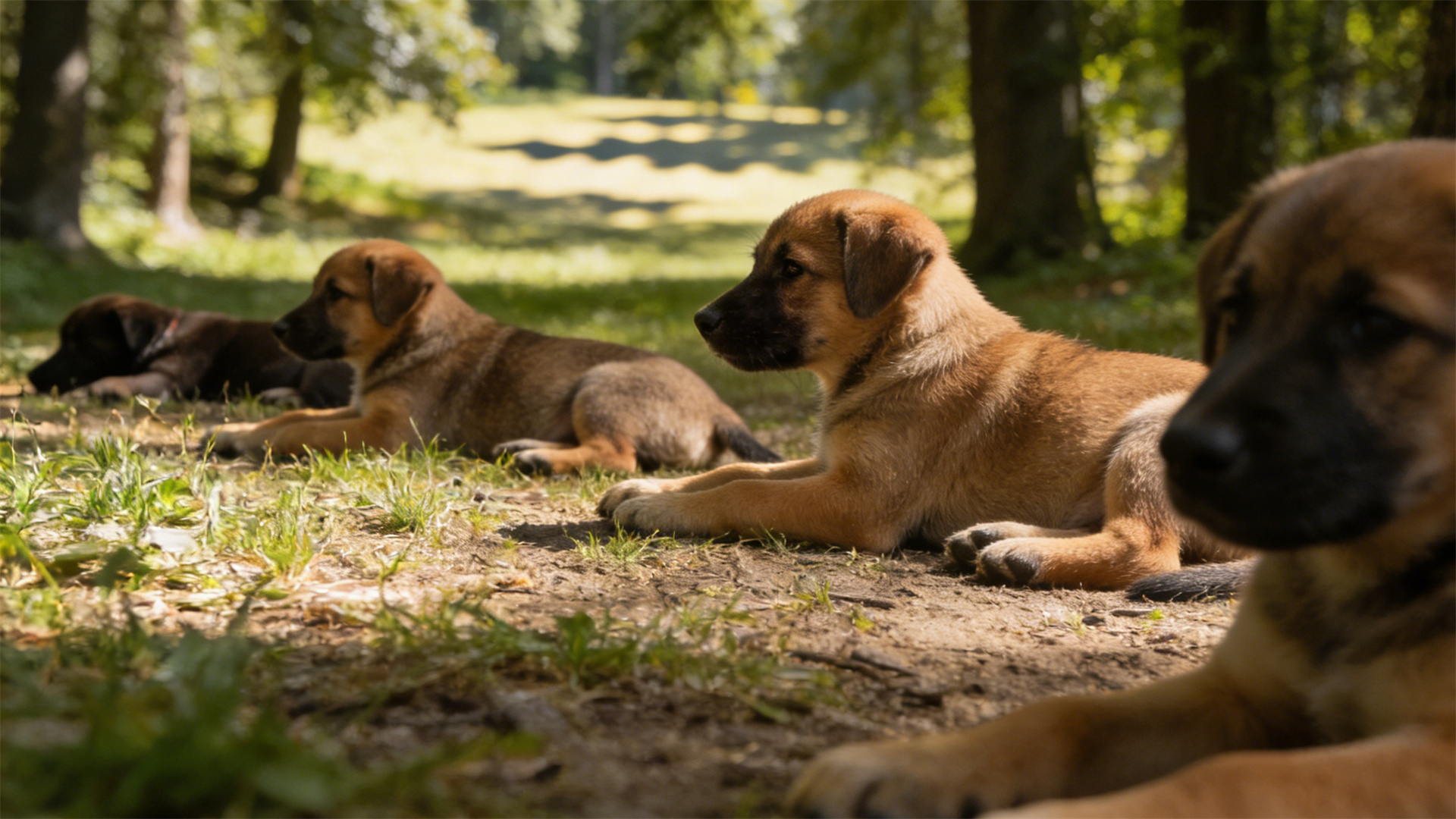
Following a hydration and rest break, the program often incorporates a quiet observation period. Dogs learn to settle on a mat or a sunny patch of moss, simply watching the forest happen around them—a butterfly, a scurrying chipmunk, the wind in the treetops. This practices profound emotional regulation. The day concludes with unstructured free play in a meadow or clearing, allowing social bonds to solidify through chase, wrestle, and mutual exploration in a safe, open space.
🚫 Why This Is NOT a Traditional Dog Park or Daycare
The contrast between a forest kindergarten and traditional services is stark and intentional. This is a critical differentiator for owners researching the best dog wilderness training programs in 2026.
- Terrain: It's raw, variable, and "messy." Think mud, leaves, water, hills, and logs—not flat, sterile astroturf or gravel.
- Toys & Equipment: There are none. The environment is the toy. A stump becomes a puzzle, a stream a cooling challenge, a leaf pile a sensory treasure trove.
- Human Role: Guides are facilitators of safety and opportunity, not commanders. They read the group's energy, redirect when needed, and trust the dogs to make choices.
- Goal: The outcome is a confident, calm, and socially intelligent dog, not just a physically tired one. It's canine outdoor education, not babysitting.
❤️ Owner Testimonials & Observable Results: The Transformation
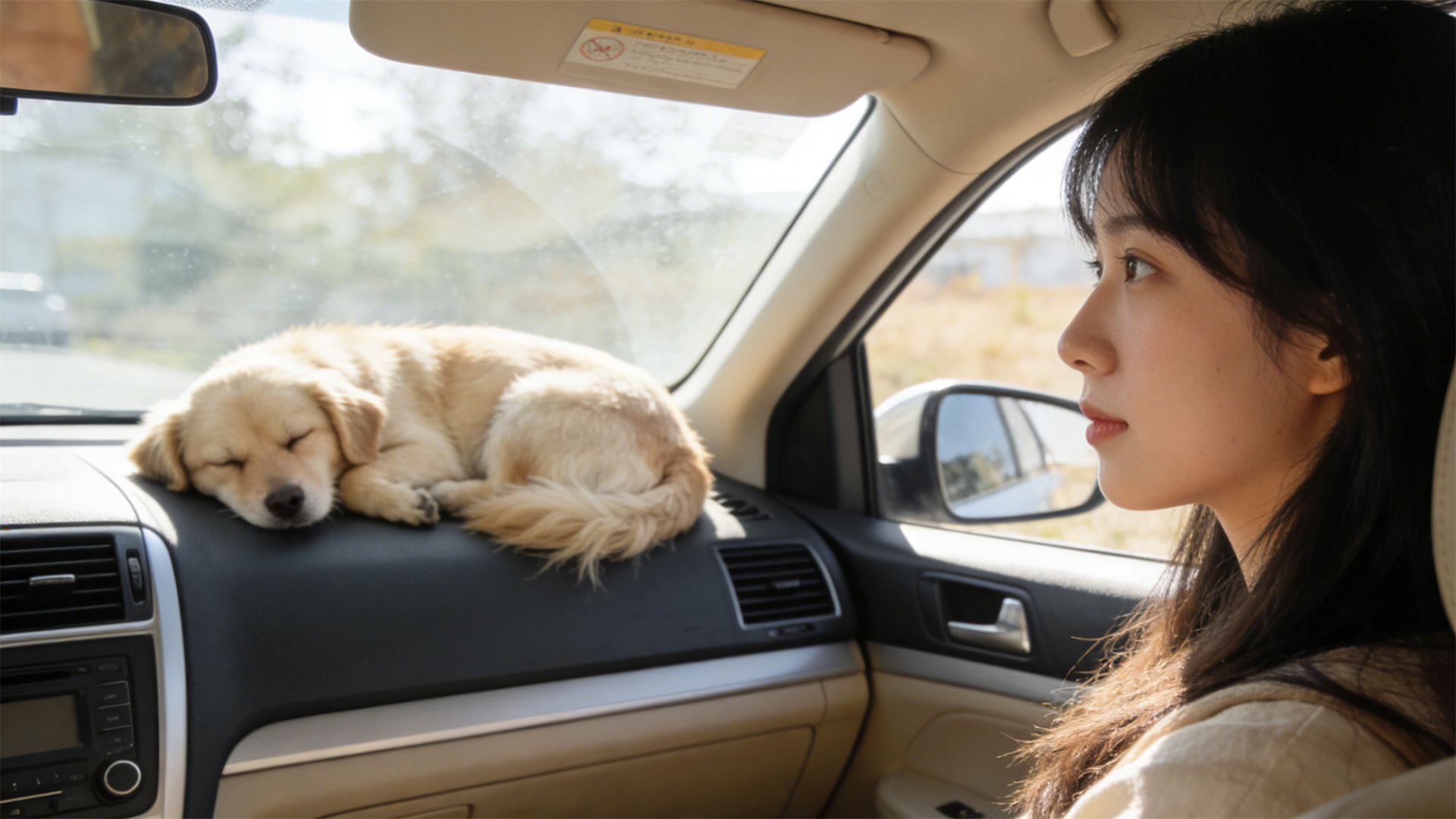
The proof, as they say, is in the pudding—or in this case, the peacefully snoring dog on the ride home. Owners report transformative changes that go far beyond basic fitness.
"After just a month at the wilderness program, my anxious herding mix, Finn, is a different dog. His reactivity on leash has plummeted because the forest has given him a job—to investigate and problem-solve. He comes home mentally satiated, not just physically tired." – Maya T., Suburban Client
"For us, the social skills improvement was staggering. In the artificial chaos of a traditional daycare, my Lab was overwhelmed. In the forest, social interactions happen naturally and spaciously. He's learned to read cues from other dogs in a calm setting." – David R., Urban Commuter
Common reported outcomes include:
• Special Reminder: Dramatic reduction in separation anxiety and destructive behaviors.
• Vastly improved leash manners, as the need to "see everything" is satisfied in the woods.
• Better impulse control and recovery from excitement.
• A deep, lasting bond between owner and dog, built on sharing the stories of the dog's weekly adventures.
• A community aspect for owners, who connect over shared values in pet parenting.
🔮 Future Implications: More Than a 2026 Fad
The forest school for dogs concept is positioned as a cornerstone of the future of ethical pet care. It represents a step towards "rewilding" our domestic companions, even within suburban contexts. It acknowledges that a species' needs don't vanish because we've brought them into our homes.
Looking ahead, we can expect these bases to become integrated into broader sustainable suburban ecosystems—partnering with land conservancies, offering community education on native flora and fauna, and promoting biodiversity. They are a model for how we can design our shared spaces to benefit all species, creating a richer tapestry of life at the edge of our cities.