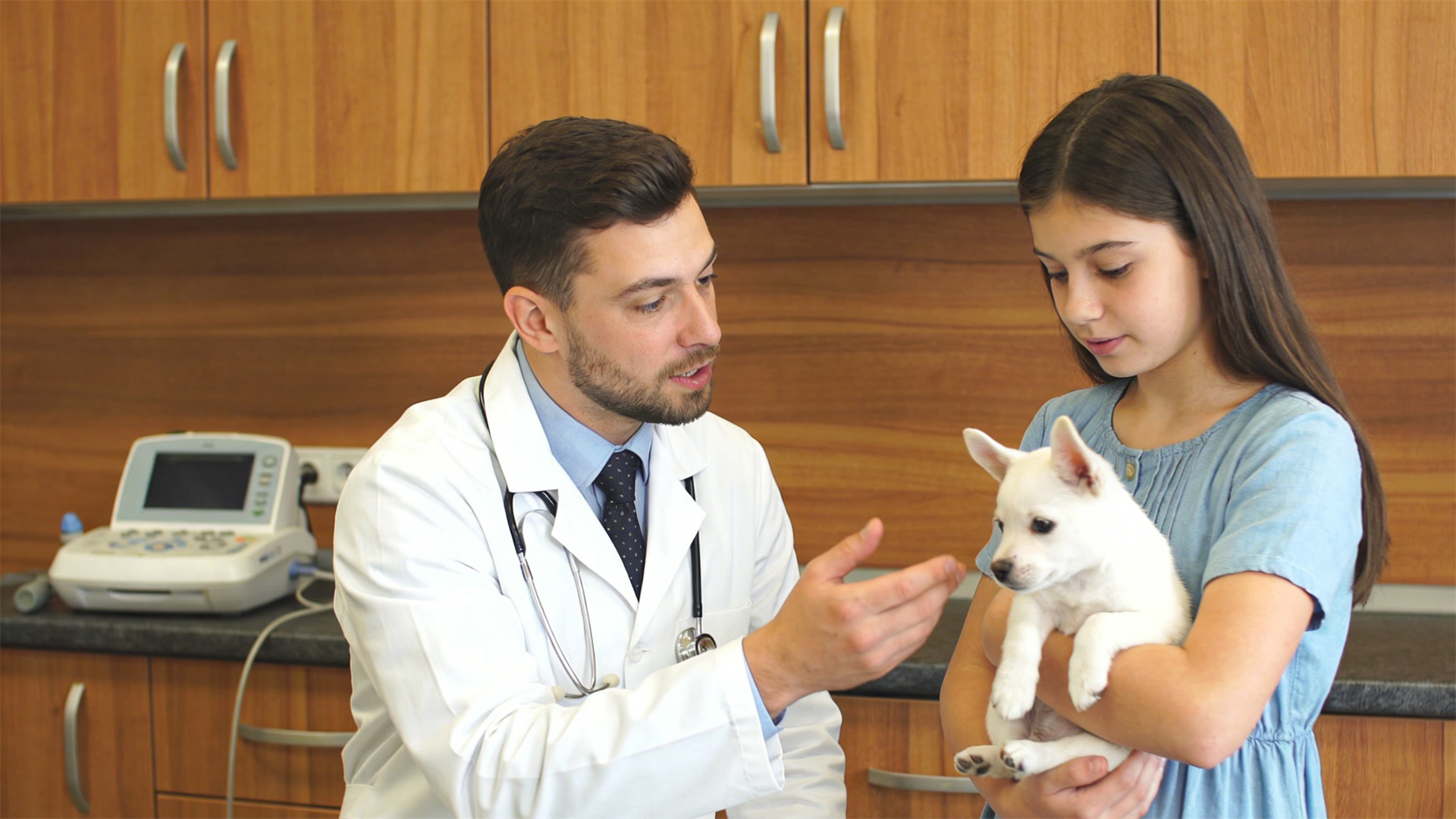
For every proud Dachshund owner, the iconic long back and spirited personality are sources of endless joy. Yet, that very silhouette carries a hidden vulnerability. By 2026, canine healthcare is advancing rapidly, shifting from reactive treatment to predictive and preventative health. For Dachshunds, this means the power to safeguard their spines is increasingly in our hands. Spinal problems, particularly Intervertebral Disc Disease (IVDD), are not an inevitable fate but a manageable risk. This comprehensive guide merges the latest 2026 health screening protocols with scientifically-backed exercise regimens, empowering you to build a resilient, vibrant life for your long-backed companion. The time for proactive care is now.
🧬 The Unique Dachshund Spine: Understanding the Why
The Dachshund's charming form is a product of selective breeding for hunting badgers and other tunnel-dwelling game. This resulted in a chondrodystrophic body type: shortened limbs and an elongated spinal column. While perfect for digging, this anatomy creates biomechanical stress.
Anatomy of Risk: More Than Just a "Long Back"
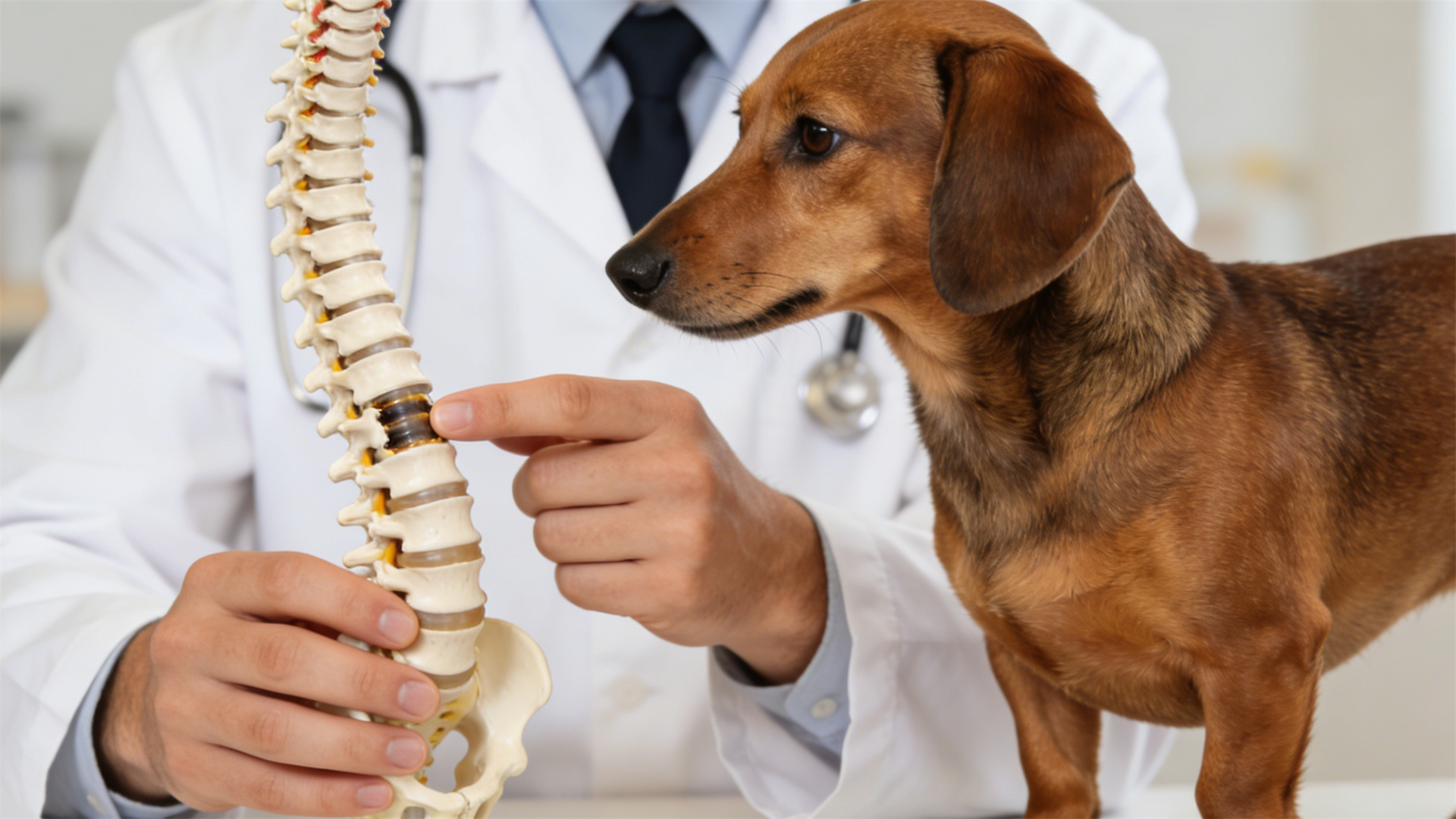
Imagine the spine as a chain of vertebrae, with cushioning discs in between. In chondrodystrophic breeds like Dachshunds, these discs undergo premature calcification, often beginning as early as one year of age. They lose their spongy, shock-absorbing quality and become brittle, like hardened gum. A simple jump or twist can cause part of this hardened disc to extrude, pressing on the delicate spinal cord. This is IVDD, which can range from mild pain to complete paralysis.
Special Reminder: Genetics play a dominant role. A 2025 study in the Journal of Veterinary Internal Medicine reaffirmed that Dachshunds have the highest odds ratio for IVDD among all dog breeds. This isn't meant to scare, but to highlight that knowledge is your first line of defense.
🔬 2026 Health Screening: Beyond the Annual Check-Up
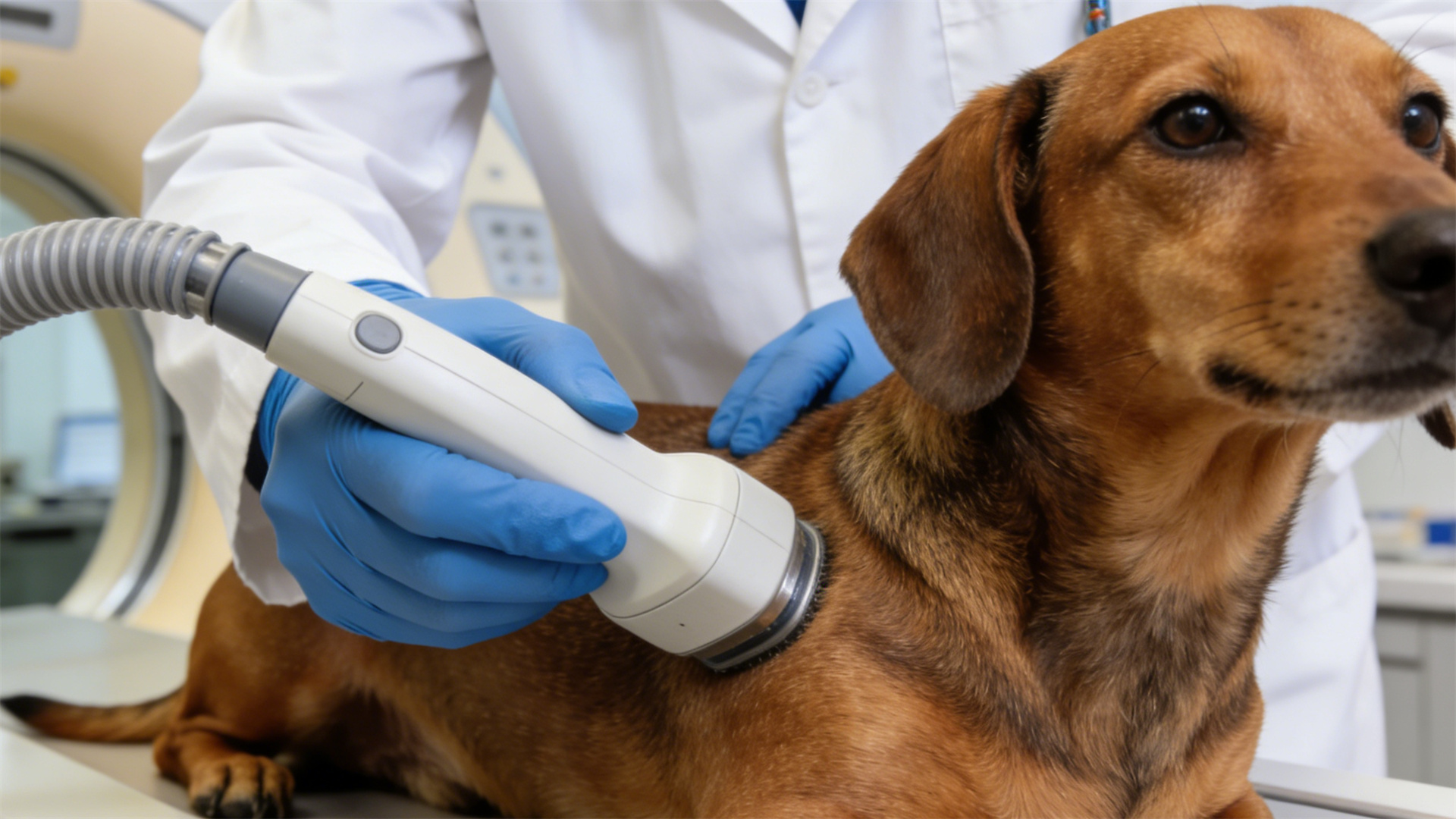
The standard veterinary exam remains crucial, but by 2026, screening for Dachshund spinal health has become more sophisticated, personalized, and accessible. Think of it as a "spine forecast" that allows you to tailor care precisely.
Advanced Imaging: A Window to the Spine
- Dynamic Radiography (Stress-View X-rays): Moving beyond static images, this involves taking X-rays with the spine in flexed and extended positions. It can reveal subtle instabilities or early disc space narrowing that standard X-rays miss.
- High-Field MRI (Magnetic Resonance Imaging): The gold standard for visualizing soft tissue. An MRI can show the exact condition of the discs, the spinal cord, and even predict discs at high risk of herniation. By 2026, increased availability and targeted "spine screen" packages are making this tool more feasible for proactive screening.
Genetic and Biomarker Testing
Research is actively identifying genetic markers associated with IVDD susceptibility. While not yet a definitive diagnostic, a 2026 health screening consultation may include a discussion of available genetic panels. More immediately impactful are biomarker tests analyzing cerebrospinal fluid or blood for signs of early, subclinical neurological inflammation, offering a truly early warning system.
The 2026 Screening Protocol Recommendation: A proactive plan for an adult Dachshund might include a baseline MRI at maturity (age 2-4), supplemented by annual physical exams with a neurological focus and weight monitoring. Discuss this layered approach with a veterinarian specializing in orthopedics or neurology.

💪 The Exercise Prescription: Building a Fortified Back
Exercise is not the enemy; incorrect exercise is. The goal is to build powerful, supportive musculature around the spine—creating a "living back brace"—while minimizing axial compression and torsional stress.
Green Light: Safe, Preventative Exercises
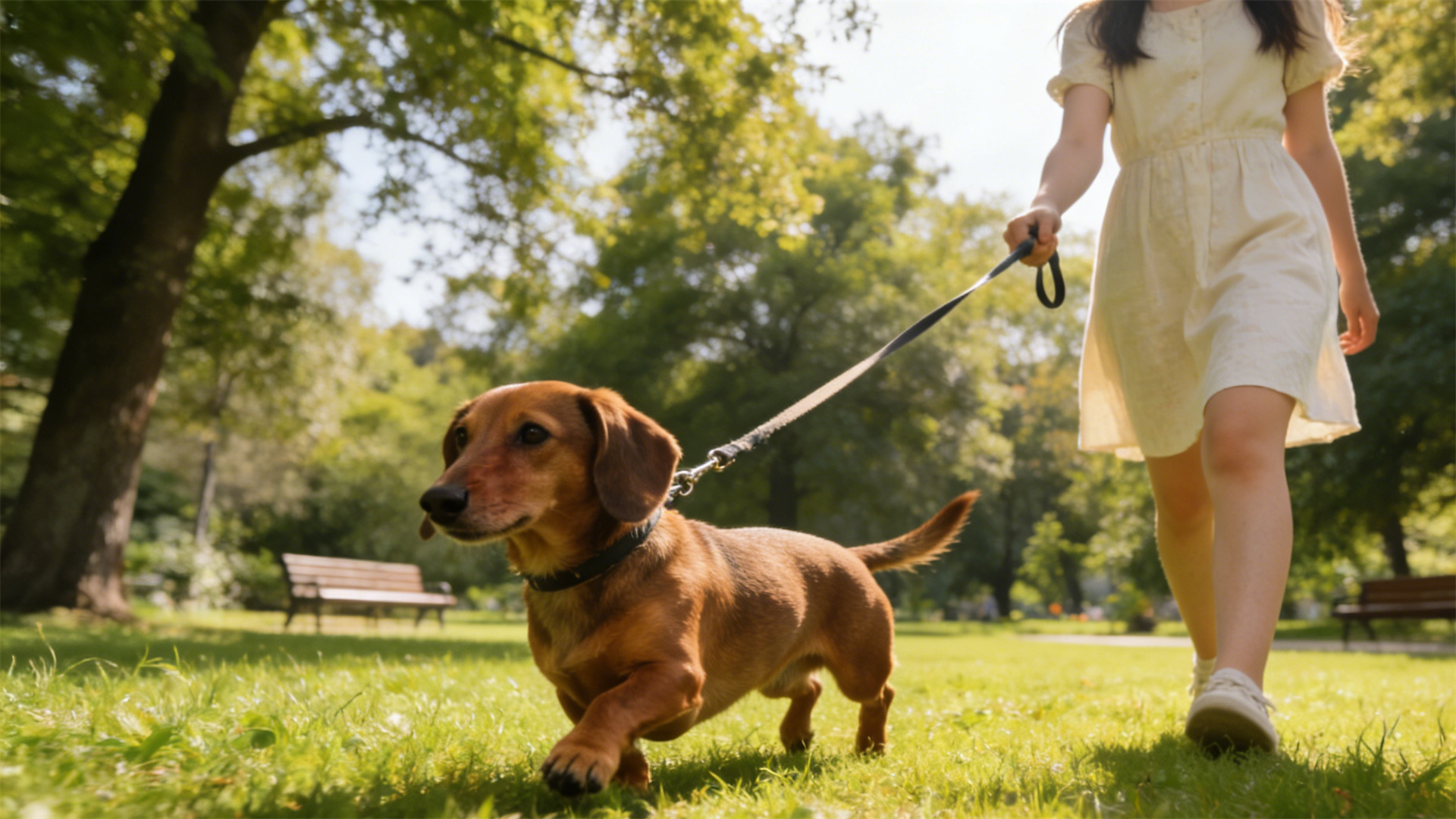
- Controlled, Leash-Walking: The cornerstone of Dachshund spine health. Use a harness (never a collar) to avoid neck pressure. Aim for consistent, moderate-paced walks on even ground. Think "marathon, not sprint"—two 20-minute walks are better than one erratic, high-energy hour.
- Swimming & Hydrotherapy: The ultimate low-impact exercise. Water supports body weight, allowing for full range of motion and muscle building without spinal compression. Many rehab centers offer canine swimming pools or underwater treadmills.
- Balance & Proprioception Work: Using balance discs, cushions, or gentle, guided exercises on unstable surfaces strengthens the deep core stabilizers. Simple "sit-to-stand" repetitions and controlled "begging" (only if comfortable) can also engage core muscles.
Core Strength is Key: A strong abdomen acts as a sling, supporting the lower back. Exercises that encourage gentle tucking of the abdomen during movement are highly beneficial.
Red Light: Exercises to Avoid
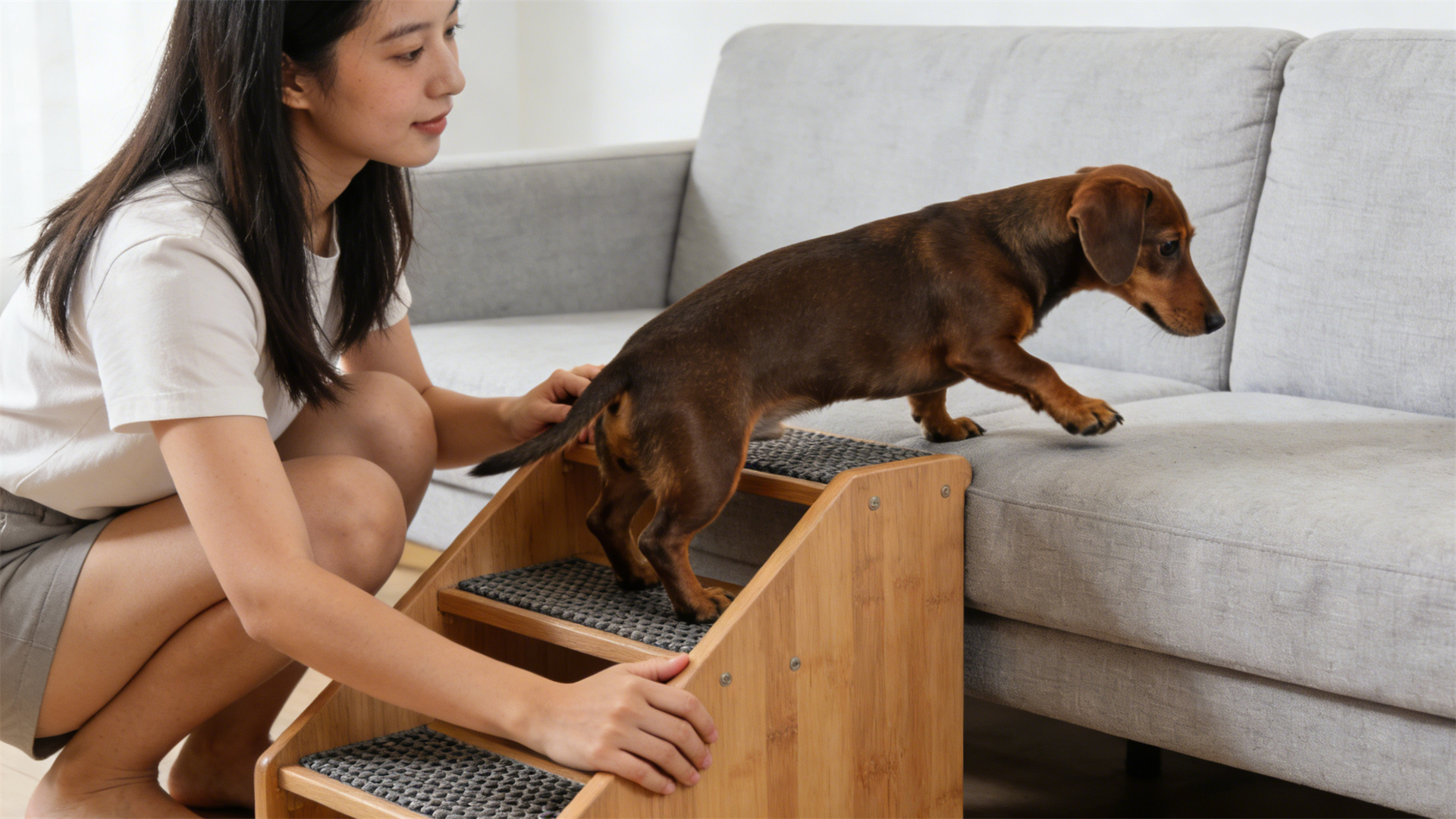
- Jumping On/Off Furniture: This is the #1 preventable risk. The impact of landing can violently compress discs. Invest in ramps or pet stairs for every bed and couch they access.
- High-Impact Play: Avoid frenetic games like intense fetch with sharp turns, tug-of-war where they wrench their neck, or wrestling that puts their spine in a twisted position.
- Stair Navigation: Repeated stair climbing, especially going down, puts immense shear force on the spine. Carry them or use a ramp for full flights.
⚖️ The Critical Synergy: Diet and Weight Management
No amount of exercise can offset the burden of excess weight. Every extra pound exponentially increases the load on the spinal column. A lean Dachshund is a healthier Dachshund.
The Rib Test: You should be able to easily feel (but not see) their ribs. From above, you should see a defined waist behind the ribs. From the side, the abdomen should tuck up. Consult your vet for an ideal target weight and a tailored diet plan. High-quality, portion-controlled nutrition is non-negotiable for IVDD prevention.
Recognizing Early Warning Signs
Vigilance saves mobility. Act immediately if you observe:
• Reluctance to jump or climb (a change in habit)
• Hunched back or tense neck muscles
• Shivering, especially when not cold
• Sudden yelping when touched or moving
• Wobbliness or weakness in the hind legs
• Dragging paws or knuckling over
🚀 Your 2026 Action Plan: A Future of Vibrant Health
The landscape of Dachshund wellness is one of empowerment. By embracing the 2026 health screening mindset and integrating a spine-conscious lifestyle, you are not just preventing problems—you are actively enhancing your dog's quality of life, mobility, and joy.
Your Proactive Call to Action:
- Schedule a Veterinary Consultation: Don't wait for symptoms. Book a visit to discuss a personalized health screening plan and Dachshund exercise routine tailored to your dog's age, current condition, and lifestyle.
- Environment-Proof Your Home: Get ramps, secure rugs to prevent slipping, and create a safe, low-impact play zone.
- Join the Community: Share your journey, ask questions, and find support in dedicated Dachshund owner forums or local clubs like the Dachshund Club of America. Your experiences can help others!
Looking ahead to 2026, the bond we share with our Dachshunds is only deepened by our commitment to their long-term health. With informed care, their future is bright, active, and full of the spirited adventures they were born to enjoy—safely, by your side. 🐾