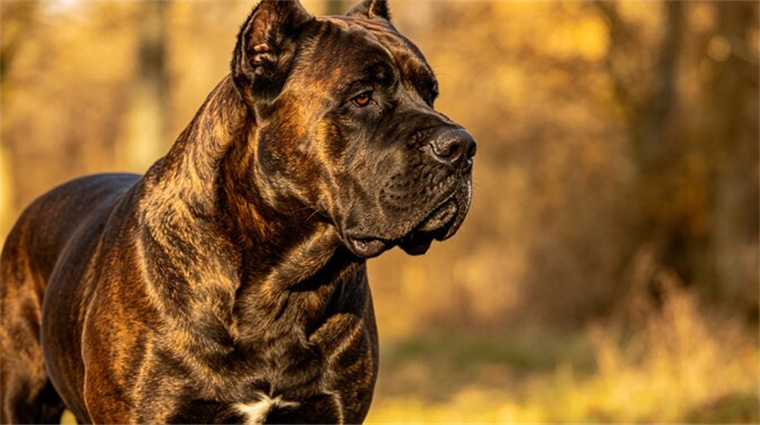
The blossoms are blooming, the grass is greening, and the world is waking up in a symphony of color. For many of us, spring is a joyous season. But for countless dogs, this beautiful transformation brings an unseen torment: spring allergies in dogs. If you've noticed your canine companion scratching more than usual, shaking their head, or licking their paws incessantly, you're not alone. While humans often suffer from sneezing and watery eyes, our dogs experience allergies in a profoundly different, often skin-centric way. This guide will help you recognize the signs, understand the culprits, and build an actionable plan to bring your best friend comfort all season long.
🌸 Recognizing the Signs: It's Not Just Sneezing
Unlike their humans, a dog with seasonal allergies will rarely present with just a runny nose or repetitive sneezing. Their symptoms are predominantly dermatological, making "dog itchy skin" the most common complaint. Knowing what to look for is the first step to providing relief.
🔍 The Top Symptoms of Spring Allergies in Dogs:
Focused Itching and Chewing: This is the hallmark sign. You may see your dog:
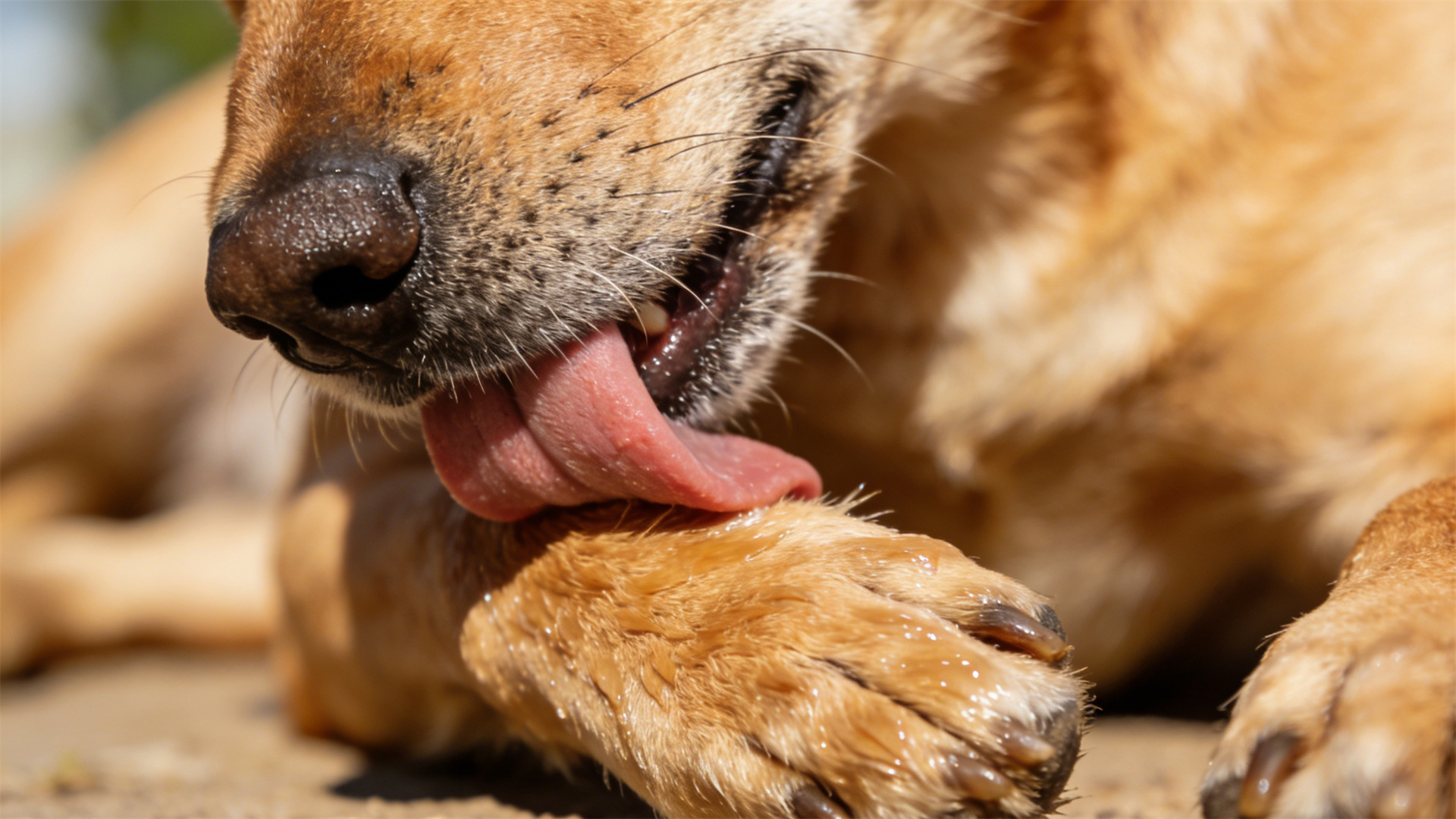
- Licking or chewing their paws until they are stained red or brown.
- Scratching relentlessly at their ears, armpits, groin, or muzzle.
- Rubbing their face against furniture or the carpet.
- Scooting their rear end on the ground.
Skin and Ear Changes: The constant irritation leads to visible changes:
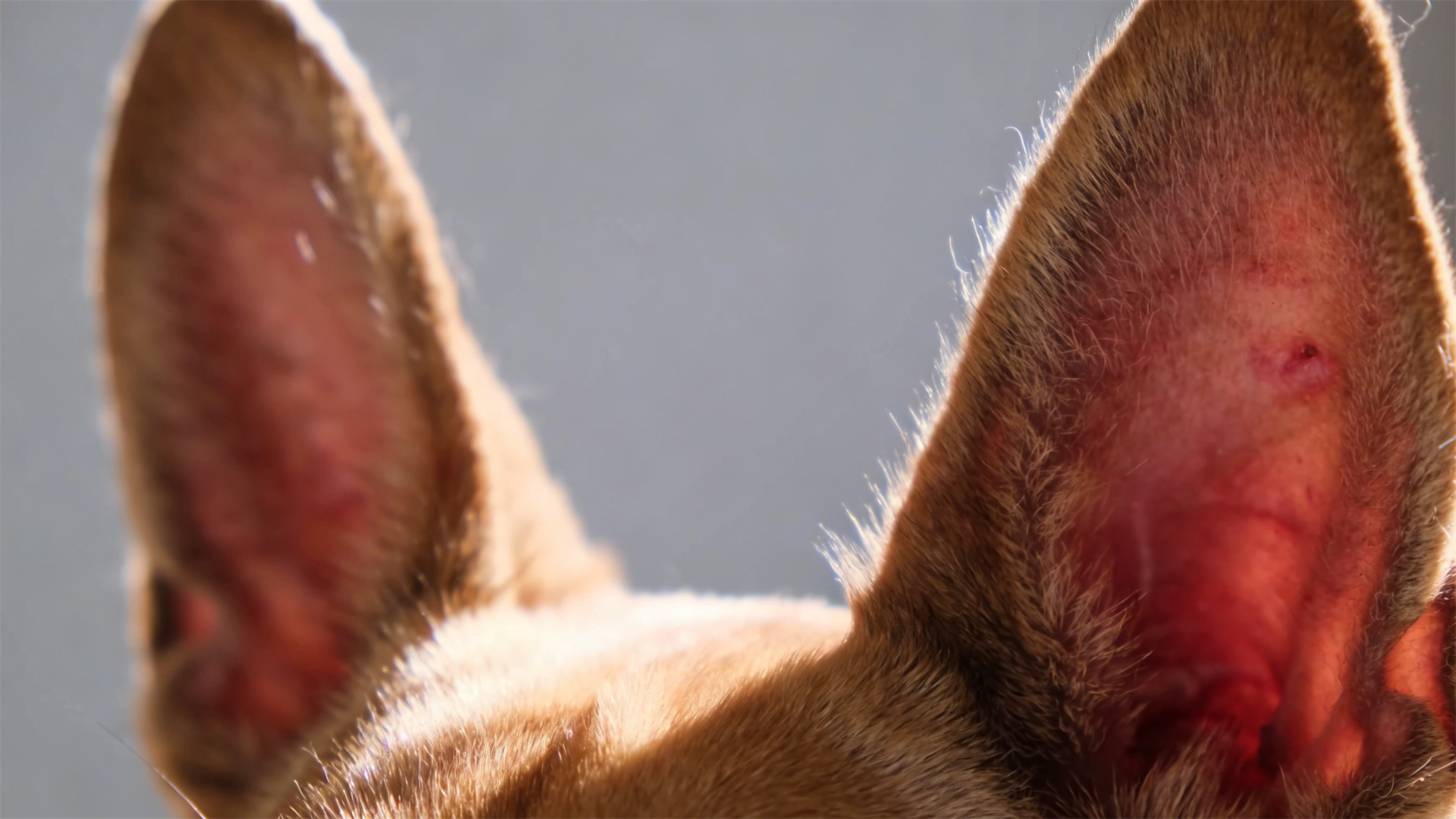
- Red, inflamed skin, especially on the belly, between the toes, and inside the ears.
- Recurrent ear infections—characterized by head shaking, odor, and dark discharge. This is one of the most frequent reasons for a vet visit due to pollen allergy in dogs.
- Hair loss or hot spots (moist, infected skin lesions) from traumatic scratching.
Special Reminder: While possible, respiratory signs like sneezing, coughing, or watery eyes are far less common in dogs than skin issues. If your dog's primary symptom is itchy skin in spring, environmental allergies are a prime suspect.
🌳 Common Springtime Culprits: What's Triggering the Reaction?
So, what exactly is causing this misery? The primary offenders are microscopic and ubiquitous during spring. When your dog goes outside, they are bombarded by:
- Tree Pollens: From oak, maple, birch, cedar, and pine.
- Grass Pollens: A major trigger as lawns begin to grow.
- Weed Pollens: Later in the season, but ragweed starts its rise.
- Mold Spores: Thriving in the damp, decaying leaves and soil from winter.
These allergens don't just float in the air to be inhaled; they land directly on your dog's coat, belly, and paws. Each walk is a direct contact event, allowing the allergens to penetrate the skin barrier and trigger an exaggerated immune response, leading to the intense itch.

🛡️ Your Action Plan: Protection and Management Strategies
While you can't eliminate pollen from the world, you can significantly reduce your dog's exposure and bolster their defenses. Think of this as a multi-layered approach to managing spring allergies in dogs.
🗺️ Tier 1: Environmental Control (Your First Line of Defense)
These simple habits can dramatically reduce the allergen load in your home and on your pet.
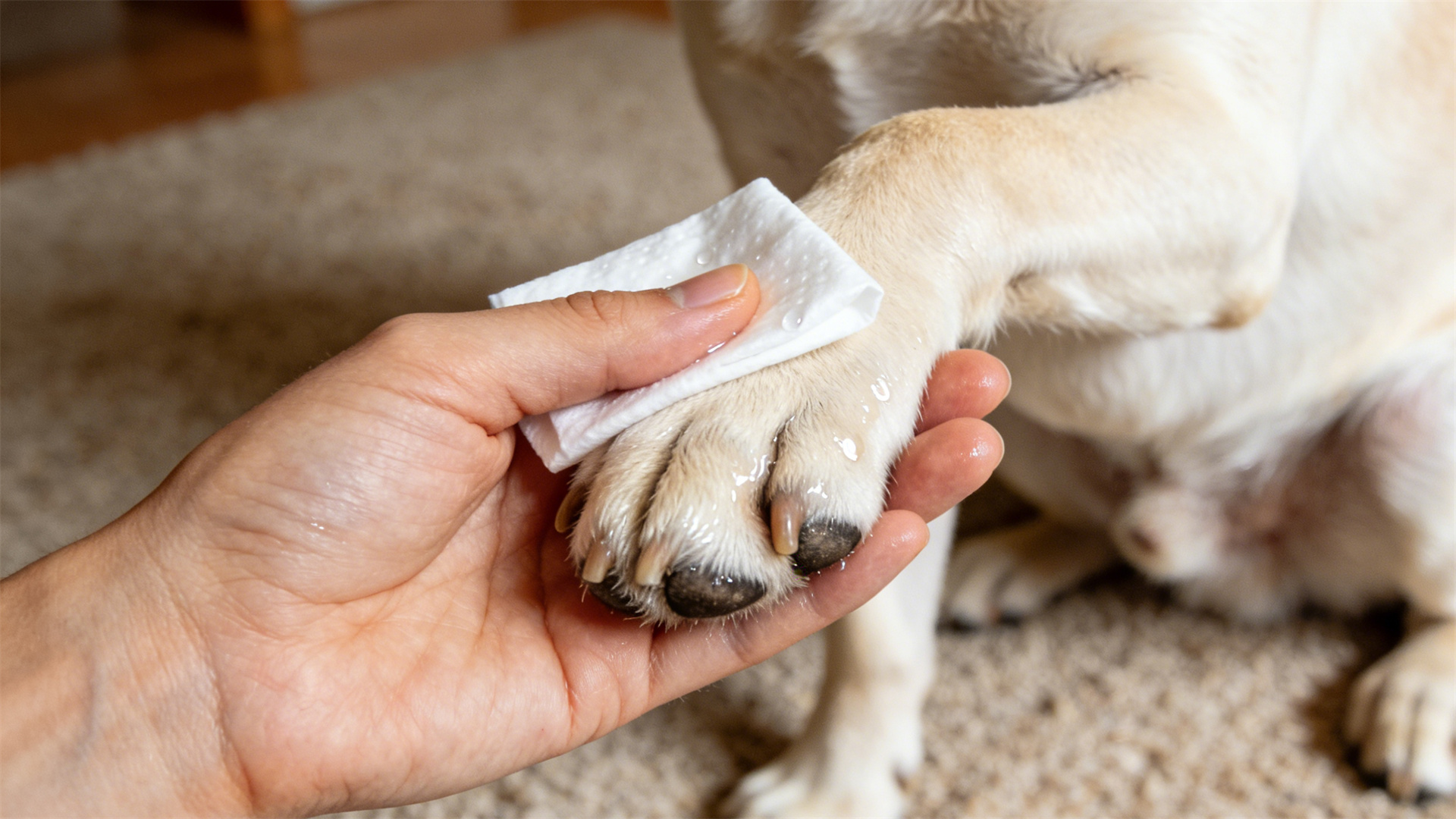
- Paw & Coat Wipes: This is the single most effective thing you can do at home. After every walk, use a damp cloth, hypoallergenic baby wipe, or dedicated pet wipe to thoroughly clean your dog's paws, legs, belly, and muzzle. This physically removes pollen before it can cause trouble.
- Frequent Bedding Wash: Wash your dog's bed, your own bedding, and any blankets they use in hot water weekly to kill allergens.
- Keep Windows Closed: On high pollen count days (check your local weather report), keep windows and doors shut and use air conditioning.
- Use an Air Purifier: A HEPA filter air purifier in the rooms where your dog spends the most time can capture airborne allergens.
- Regular Vacuuming: Use a vacuum with a HEPA filter to clean floors and upholstery frequently.
✂️ Tier 2: Grooming and Skin Care
Strategic grooming soothes the skin and removes allergens.
- Regular Bathing: Bathing every 1-2 weeks with a veterinary-recommended, soothing shampoo (e.g., oatmeal, chlorhexidine, or phytosphingosine-based) can wash away allergens and calm inflamed skin. Always consult your vet for the best product for your dog's specific condition.
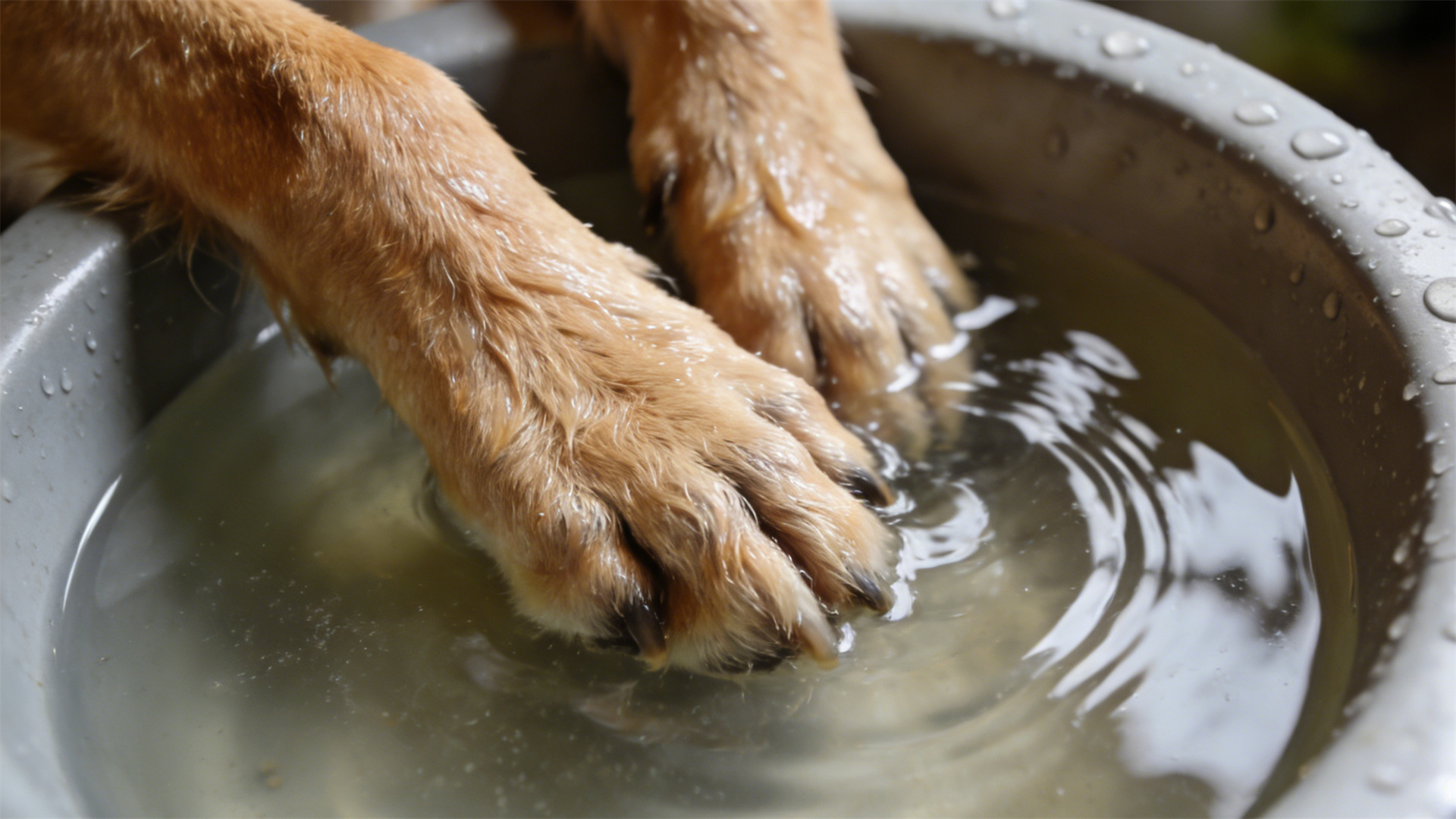
- Paw Soaks: For quick relief, a simple soak in lukewarm water with a bit of Epsom salt can soothe irritated paws.
- Maintain Coat Health: Regular brushing helps distribute natural skin oils and remove loose hair and debris.
🥣 Tier 3: Dietary Support for Skin Health
A strong skin barrier is better at keeping allergens out.
- Quality Nutrition: Ensure your dog is on a complete and balanced, high-quality diet.
- Omega Fatty Acid Supplements: Many vets recommend supplements rich in Omega-3 (from fish oil) and Omega-6 fatty acids. These act as natural anti-inflammatories and can help fortify the skin's protective barrier. Always discuss dosage with your veterinarian.
CRITICAL FIRST STEP: Before you start any new supplement, shampoo, or treatment, you must consult your veterinarian. Symptoms like itching and ear infections can mimic other conditions (like parasites, fungal infections, or food allergies). A proper diagnosis is essential for effective and safe management of dog allergy symptoms.
🏥 Veterinary Interventions: Professional Solutions for Relief
When environmental control isn't enough, your veterinarian has a powerful toolkit to help your dog. What can you expect from a vet visit for suspected allergies?
💊 Medications for Immediate Relief:
- Prescription Antihistamines: While over-the-counter human versions are often ineffective for dogs, vets can prescribe specific types and dosages that may help some pets. (Want to know more? We have an article on dog-safe antihistamines here).
- Corticosteroids: Drugs like prednisone are potent anti-itch medications used for short-term relief during severe flare-ups, but they are not ideal for long-term management due to potential side effects.
- Targeted Therapies: Modern veterinary medicine offers advanced, non-steroidal options:
- Apoquel (oclacitinib): A daily tablet that specifically targets the itch and inflammation pathway.
- Cytopoint (lokivetmab): An injectable "biologic" that works like a monoclonal antibody to neutralize a key itch signal. A single injection can provide relief for 4-8 weeks.
🎯 Long-Term Management Strategies:
- Allergy Testing: For dogs with severe, year-round, or difficult-to-manage allergies, your vet may recommend allergy testing (via blood or intradermal skin test) to pinpoint the exact triggers.
- Immunotherapy (Allergy Shots or Drops): This is the closest thing to a "cure." Based on test results, a custom serum is made containing tiny amounts of your dog's specific allergens. Over time, this gradually desensitizes their immune system, reducing or eliminating the allergic response. It's a commitment but can be life-changing for severe cases.
💖 Conclusion: A Manageable Journey Together
Seeing your dog uncomfortable is heart-wrenching. But here's the empowering truth: while spring allergies in dogs may not be curable, they are highly manageable. By combining vigilant at-home care with a trusted veterinary partnership, you can reclaim the joy of spring for your furry friend.
Start by becoming a detective—observe their symptoms, note when they seem worse, and implement those simple paw-wiping and bathing routines. Then, take that crucial step: schedule a vet visit to create a personalized plan. Your dog's tail wags and comfortable snoozes are worth it.