For centuries, the bond between humans and dogs has been celebrated for its depth and intuitive understanding. We marvel at their loyalty, celebrate their emotional intelligence, and often joke about their almost psychic ability to sense our moods. But what if this connection runs even deeper than we imagined? What if our canine companions are not just responsive to our emotions, but are actively evaluating the truthfulness of our actions and words? Groundbreaking 2026 canine behavior research has delved into this very question, pushing the frontiers of animal psychology and dog cognition. This article will examine the compelling evidence behind whether dogs can detect human lies, exploring the methodology, key findings, and profound implications for every dog owner. We will unpack the nuances of human-dog communication, analyze the study's revelations about canine perception of lies, and provide practical guidance based on this cutting-edge dog research.
🔬 The 2026 Canine Honesty Detection Study: A Blueprint for Discovery
The landmark study, titled "Assessing Canine Sensitivity to Human Deceptive Cues," was published in the journal Animal Cognition & Behavior in early 2026. It represents a significant leap forward in empirical study canine psychology, moving beyond anecdote into robust experimental design.
Core Study Framework
Research Institution: The study was conducted by the Canine Collaborative Cognition Center (C4), a consortium involving leading universities in veterinary behavior and comparative psychology.
Primary Objective: To determine if dogs would ignore deliberately misleading human pointing gestures in favor of their own direct observational evidence, and to identify the behavioral cues dogs use to make this assessment.
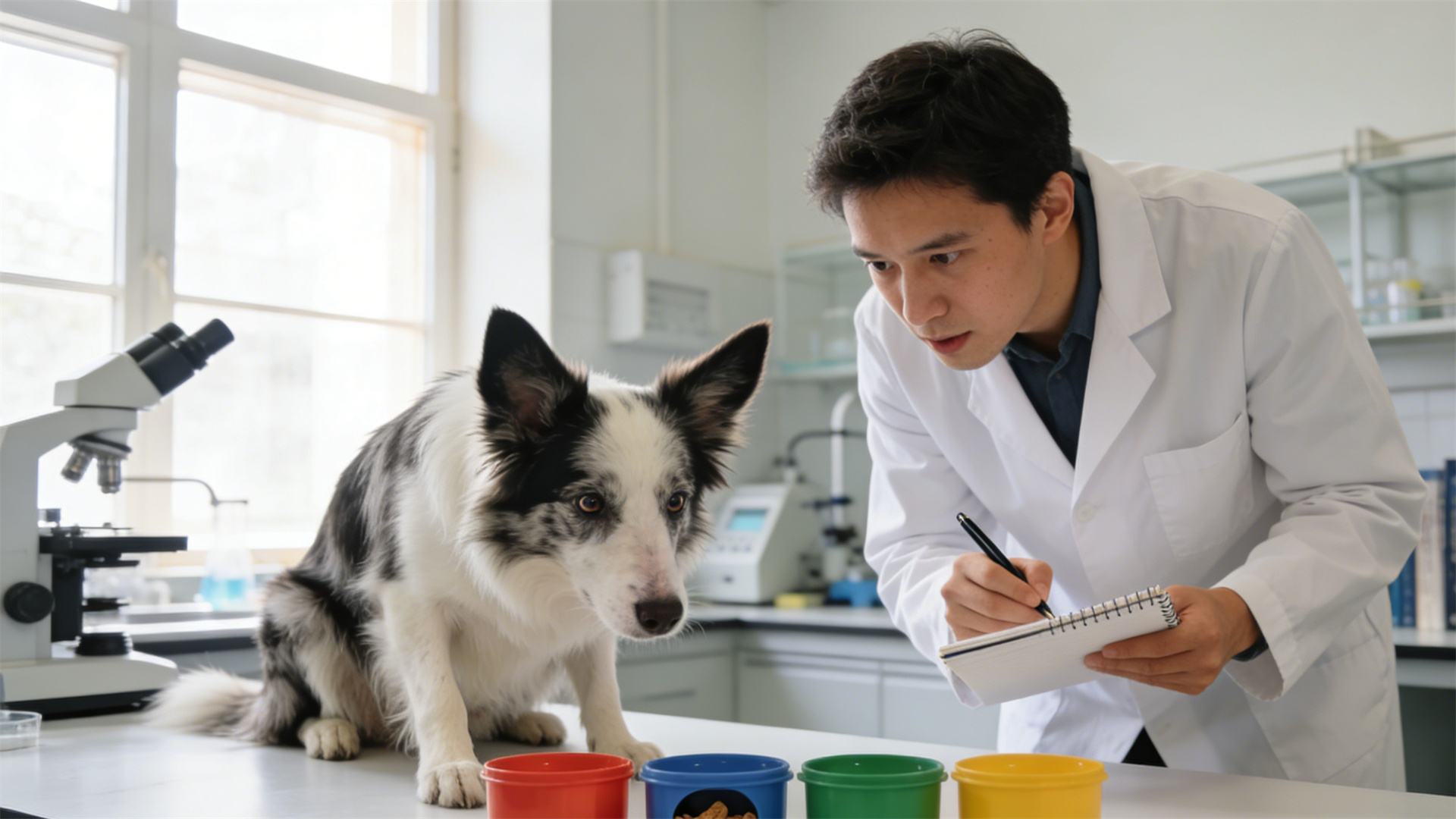
Methodology Overview: Researchers employed a modified version of the classic "misleading pointer" test, but with critical innovations. The experiment involved two phases: a trust-building phase and a test phase. In the trust-building phase, a familiar human researcher would reliably point to a container hiding a high-value treat. In the test phase, a new human actor would visibly place a treat in Container A, then point to the empty Container B while using convincing vocal encouragement.
Key Variables Documented: The study meticulously tracked multiple factors to understand their influence: Dog breed and lineage (comparing working breeds, companion breeds, and mixed breeds), age and life stage, formal training history (e.g., obedience, scent work), and most importantly, the quality of the dog's prior relationship with the deceiving human actor.
Data Collection: Beyond simple choice (which container the dog approached), researchers used high-speed cameras and physiological monitors to track: hesitation time, tail carriage and ear position, frequency of gaze alternation between the human face and the containers, and subtle changes in heart rate variability.
💡 Unveiling the Truth: Key Findings from the Research
The results of this dog honesty detection research were revelatory, providing concrete data on canine social cognition. The findings are presented as distinct, empirical conclusions.
Primary Discovery: A significant majority of tested dogs, approximately 68%, disregarded the human's misleading pointing gesture and went directly to the container where they saw the treat hidden. This indicates a capacity for what researchers term "adaptive skepticism."
Critical Factor - Relationship History: Dogs who had a longer, positive history with the deceiving human actor were more likely to be deceived initially, showing a bias toward trusting that familiar person. Conversely, dogs encountering a stranger were more immediately skeptical.
Role of Multimodal Cues: Dogs did not rely on a single cue. Their decision-making integrated the incongruence between what they saw (treat placement) and what they heard and saw from the human (misleading point and voice). Inconsistent human-dog communication triggered hesitation.
Breed and Training Influence: While no breed was universally "better" at detection, dogs from breeds historically selected for independent problem-solving (e.g., many terriers, livestock guardian breeds) showed slightly higher rates of ignoring the deception. Formally trained dogs, especially in scent work or agility, displayed more pronounced "checking behavior"—sniffing the pointed-to container briefly before choosing the correct one.
Behavioral Indicators of Doubt: The physiological and behavioral data was telling. Before choosing correctly, dogs exhibited a cluster of signals: prolonged gaze at the human's face, a rapid series of looks between the human's eyes and the correct container (as if cross-referencing), and a stiffened, mid-height tail carriage.
🤝 Practical Implications: What This Means for Dog Owners
This 2026 dog behavior research is not merely academic; it offers powerful lessons for improving our daily lives with our pets. Understanding that your dog may be assessing your credibility can transform your approach to training and bonding.
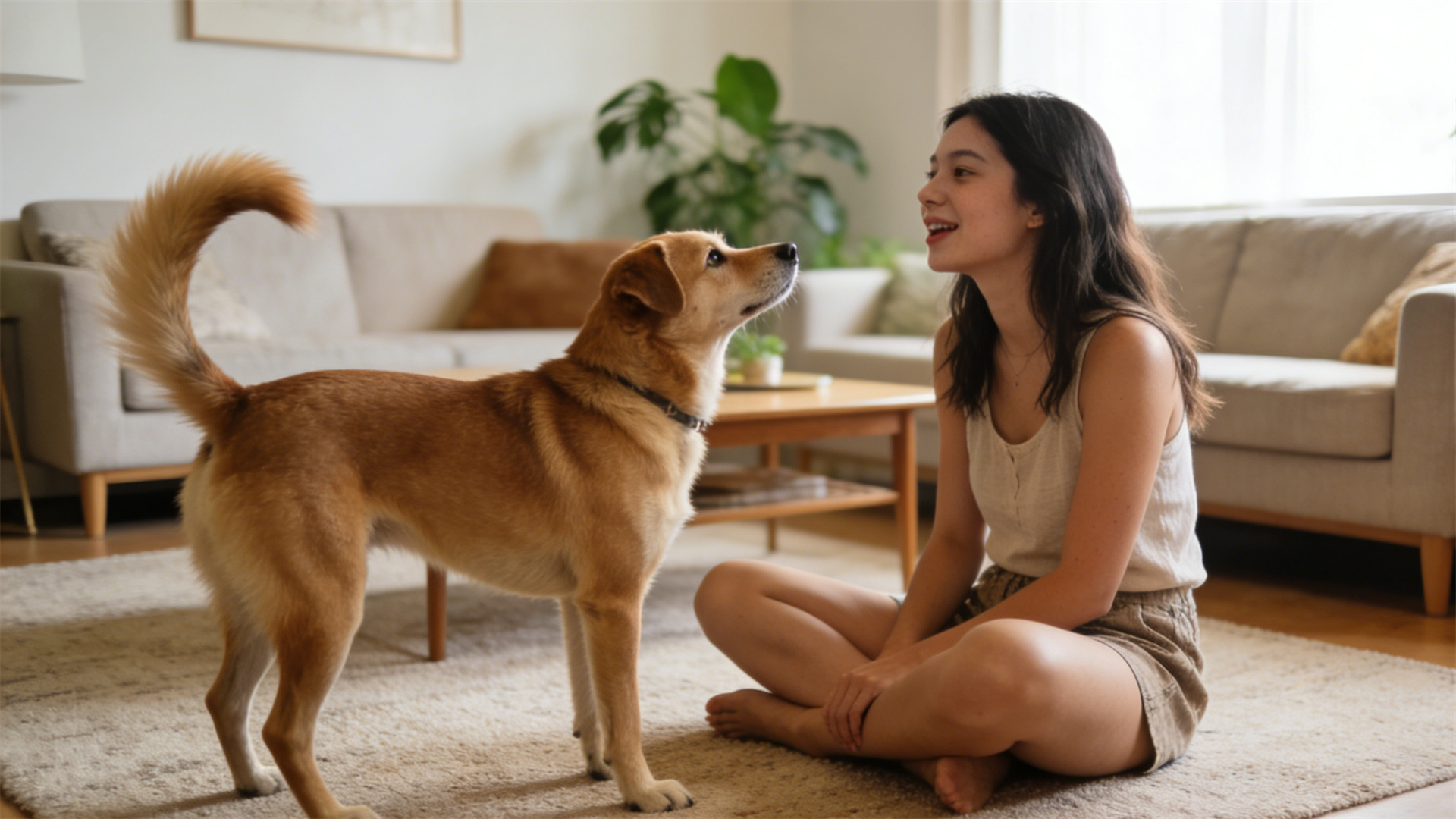
Advice One: Champion Consistency in Communication. Your dog builds a model of your trustworthiness based on repeated interactions. If you use the same command for different actions or give insincere praise, you erode that model. Crucial takeaway: Be clear, be consistent, and follow through. If you call your dog happily for a nail trim they hate, they learn that your cheerful tone can be a deception.
Advice Two: Align Your Emotional Cues. Dogs are masterful at reading the entire package of your posture, tone, and micro-expressions. During training or stressful moments, be mindful of a mismatch—like using a high, happy voice while your body is tense with frustration. This incongruence can confuse and undermine their response.
Advice Three: Respect Their "No." If your dog hesitates or seems skeptical of a situation (like entering a room or approaching a person), do not automatically force or cajole them. They may be integrating subtle environmental cues you have missed. This research validates honoring their assessment as a form of canine intelligence.
Advice Four: Build Trust Through Transparency. Play games that reinforce honest communication. For example, show them a treat in your left hand, hide both hands behind your back, and then present both closed fists. Let them choose; they learn that your initial, truthful cue is reliable.

🎤 Expert Insights: Interpreting the Canine Mind
The researchers behind this scientific study on dogs provide deeper context for its findings, helping us understand the mechanics of the canine psychology at play.
Lead researcher Dr. Alex Reed offered this analysis: "This isn't about dogs understanding the moral concept of a lie. It's about pragmatic assessment of information reliability. Dogs are essentially asking: 'Does this person's signal help me get what I want, based on what I already know?' When the signal conflicts with direct evidence, many dogs will wisely prioritize the evidence. It's a sophisticated cost-benefit analysis rooted in social cognition."
Canine psychologist Dr. Maya Chen, who was not directly involved in the study but consults on its applications, emphasized the relational component: "The finding about familiarity is profound. It shows that trust is a currency in the human-dog bond. A dog who loves you will give you the benefit of the doubt, even against their own eyes, for a time. But repeatedly betraying that trust—through inconsistent signals or deliberate deception—can fundamentally alter how they perceive your guidance. This has direct implications for dogs with anxiety or those who become 'disobedient'; they may simply have learned that human cues are unreliable."

🔍 Conclusion: Redefining Our Bond with a More Cognizant Companion
The 2026 canine behavior study decisively advances our understanding of the canine mind. It reveals that dogs are not passive responders to our commands but active, evaluative participants in our interactions. Their ability to potentially detect human lies—or more accurately, to detect incongruent and unreliable communication—is a testament to their evolved social intelligence. This research breakthrough challenges us to interact with more awareness, consistency, and respect. It validates the deep, two-way nature of our relationship. As you go about your day with your dog, remember this important reminder: they are not just listening to your words; they are scrutinizing the harmony of your actions, your tone, and your history together. By striving to be more transparent and consistent communicators, we honor their intelligence and build a bond founded on genuine, mutual trust. The next time your dog hesitates at your cue, consider it not defiance, but a moment of canine psychology in action—an invitation to communicate more clearly and deepen the most honest relationship you may ever have.