When we say “dangerous,” we don’t mean inherently evil — we mean breeds with the physical strength, protective instincts, or bite statistics that can cause serious harm if not properly trained and socialized. Any dog can become aggressive due to poor breeding, abuse, or neglect. Below are 20 breeds that consistently appear in fatality studies, attack reports, and expert lists. Read carefully before you choose.
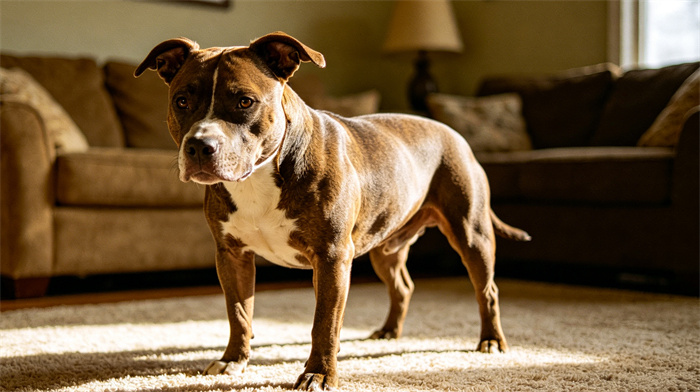
🐕 1. Pit Bull Terrier (American Pit Bull Terrier)
No list of dangerous dogs is complete without the Pit Bull. They were originally bred for bull‑baiting and dog fighting. Today, many are loving family pets, but statistically, Pit Bulls are responsible for the majority of fatal dog attacks in the U.S. Their powerful jaws, high pain tolerance, and tenacity require an experienced owner.
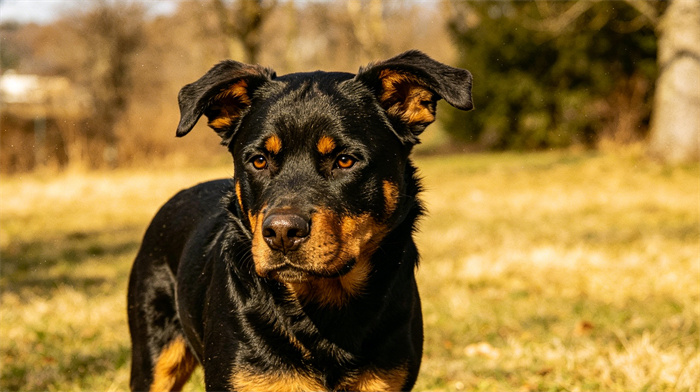
🐕 2. Rottweiler
Rottweilers are natural guard dogs with immense strength and a protective nature. They are intelligent and loyal, but without firm leadership and early socialization, they can become overprotective and aggressive toward strangers. Rottweilers rank second in many fatal bite studies.
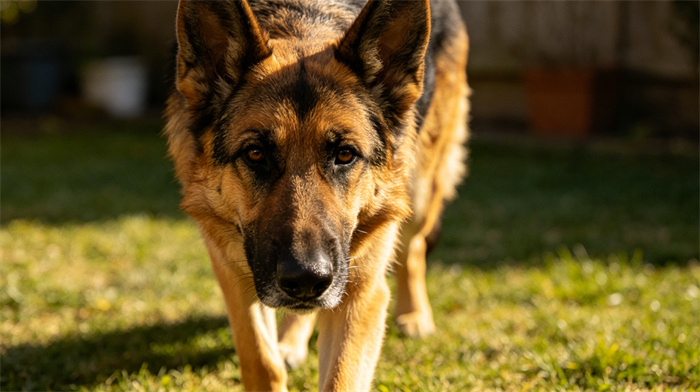
🐕 3. German Shepherd
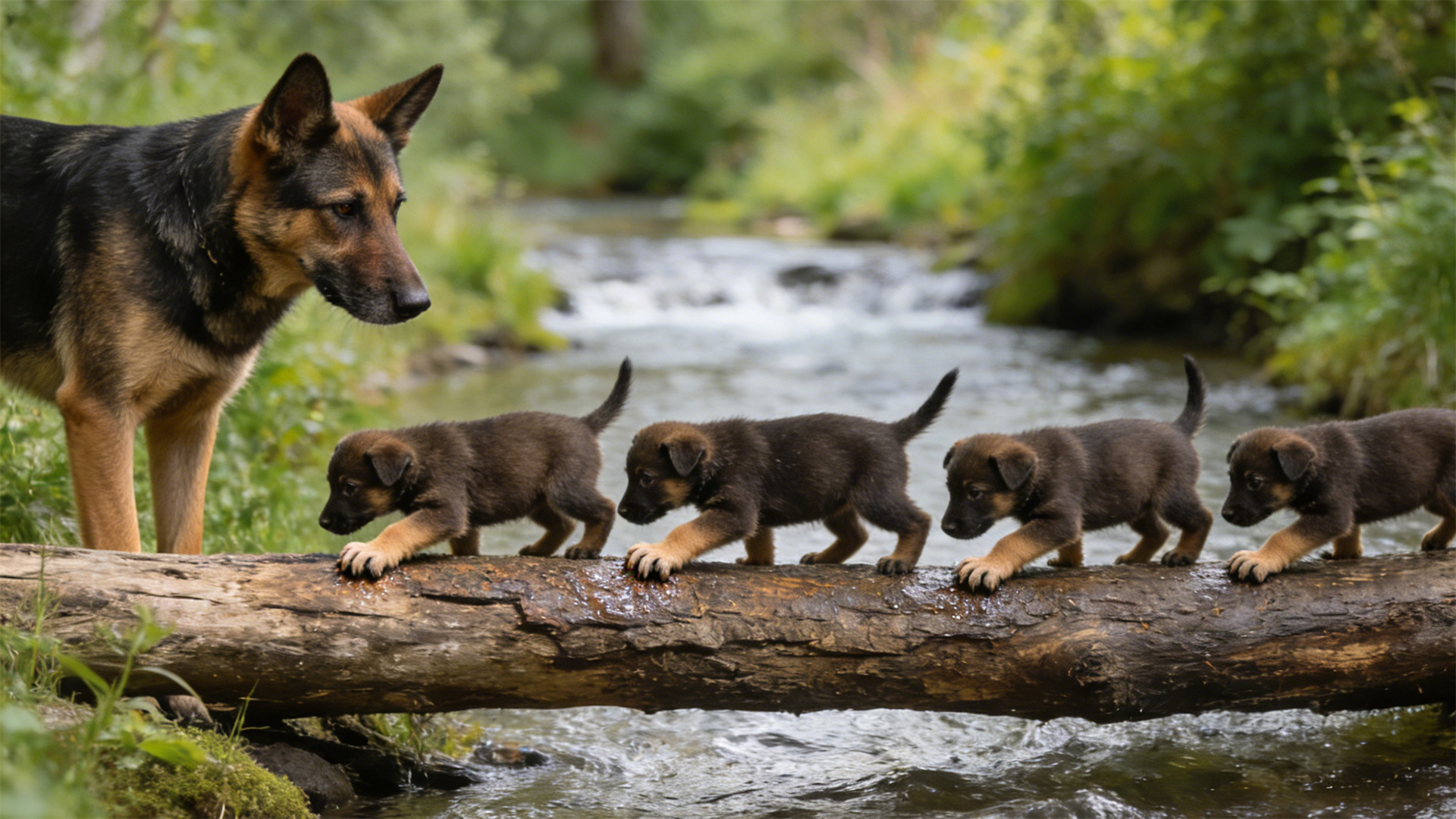
One of the most popular police and military breeds, the German Shepherd is highly trainable but also very territorial. Poorly bred or poorly socialized individuals can become nervous and reactive. Their large size and bite force make them dangerous when mishandled.
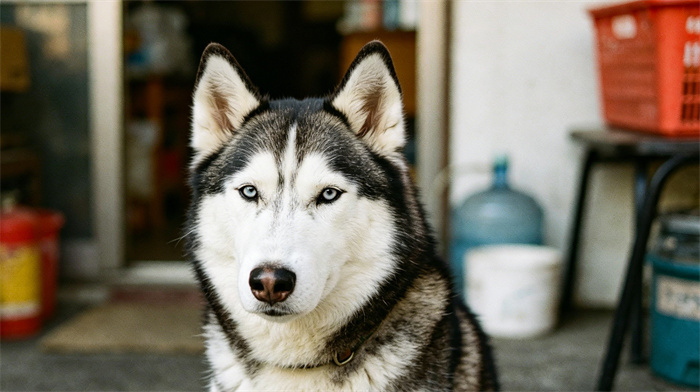
🐕 4. Siberian Husky
Though often friendly, Huskies have a strong prey drive and pack mentality. They are responsible for a surprising number of serious attacks, especially on small children. Their unpredictable nature and high energy can turn into aggression without proper outlets.
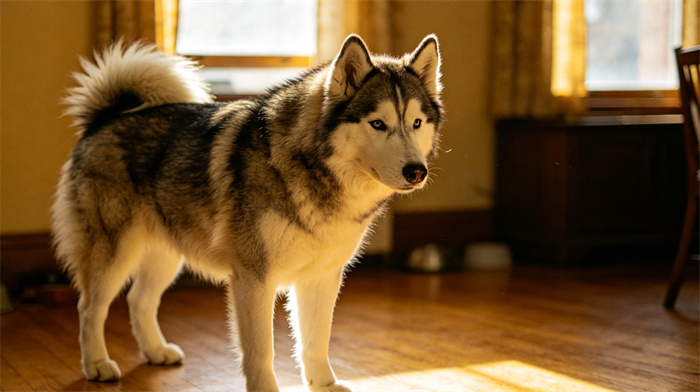
🐕 5. Alaskan Malamute
Larger and more powerful than Huskies, Malamutes were bred to haul heavy loads in harsh conditions. They are dominant, independent, and have a strong prey drive. Without a confident owner, they may challenge leadership and become dangerous to other animals or strangers.
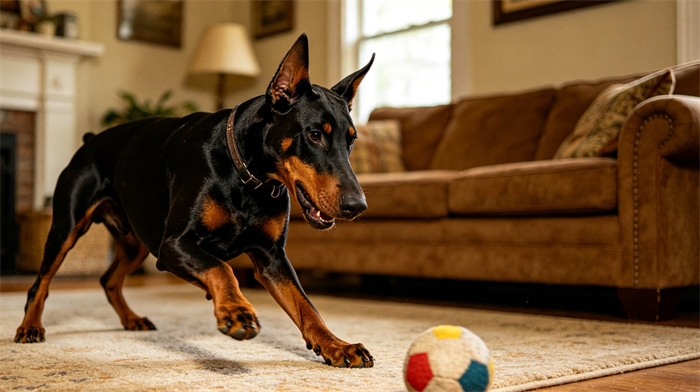
🐕 6. Doberman Pinscher
Dobermans were created as personal protection dogs. They are incredibly loyal, fast, and intelligent. However, if not properly socialized, they can be suspicious of strangers and prone to defensive biting. A well‑trained Doberman is a wonderful companion — a poorly trained one is a liability.
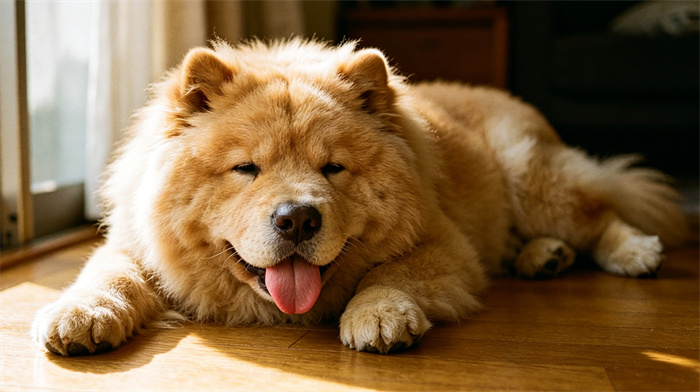
🐕 7. Chow Chow
Chow Chows look like fluffy teddy bears, but they have a fiercely independent and territorial temperament. They are known to be aloof and can become aggressive without early socialization. Unlike many other breeds, Chows often give very little warning before biting.
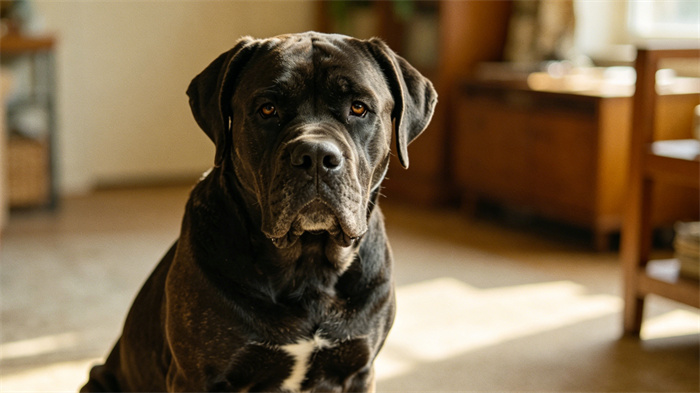
🐕 8. Cane Corso (Italian Mastiff)
This large mastiff breed was used as a Roman war dog and later as a farm guardian. The Cane Corso is powerful, protective, and confident. They require extensive training and a strong owner. Their bite force is among the strongest of any domestic dog.
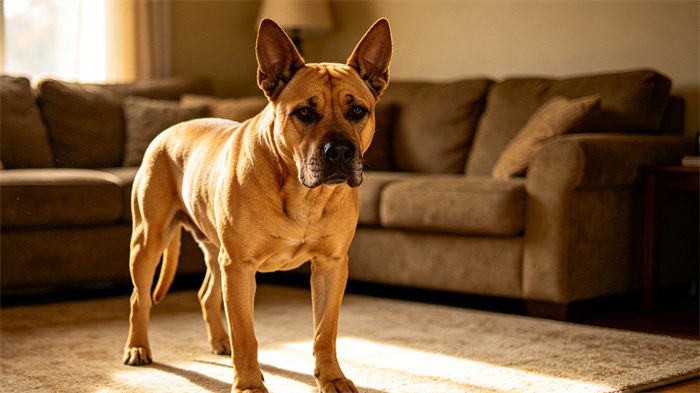
🐕 9. Presa Canario (Canary Mastiff)
Originally bred for herding and guarding livestock, the Presa Canario is a massive, dominant breed. They have been involved in several high‑profile fatal attacks. This breed is not for first‑time owners and is banned in some countries.
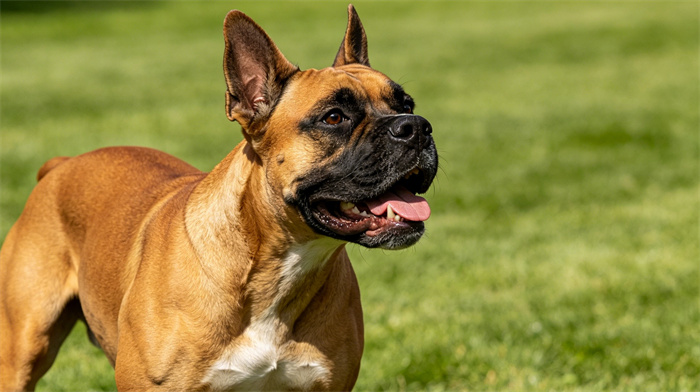
🐕 10. Boxer
Boxers are energetic and playful, but they can also be stubborn and territorial. Their strength and powerful jaws mean that any aggressive incident can be serious. Early obedience training is essential to curb their natural protectiveness.
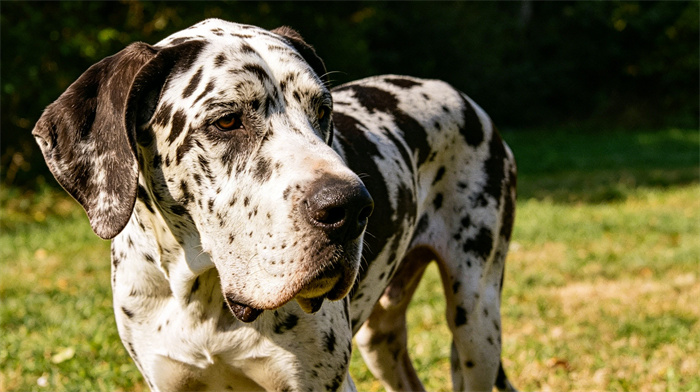
🐕 11. Great Dane
Known as gentle giants, Great Danes are usually calm, but their sheer size alone makes them dangerous. A frightened or aggressive Great Dane can knock down an adult with ease. Poorly trained individuals have caused severe bites and even deaths.
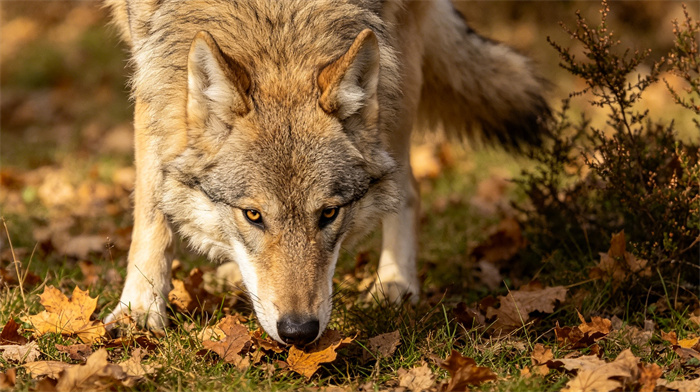
🐕 12. Wolf‑Dog Hybrid
Any cross between a domestic dog and a wild wolf is unpredictable. Wolf‑dogs retain pack instincts, fear of humans, and a high prey drive. They are banned in many states and countries because of their potential for sudden, severe aggression.
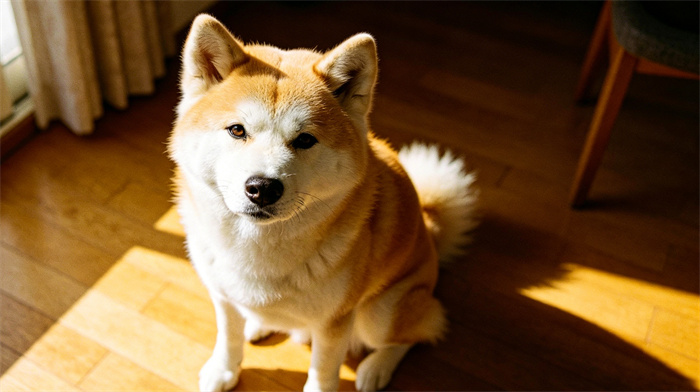
🐕 13. Akita Inu
The Akita is a Japanese breed known for unwavering loyalty and a dominant nature. They are often intolerant of other dogs and can be aggressive toward strangers. Akitas require an experienced handler and have been involved in multiple fatal attacks.
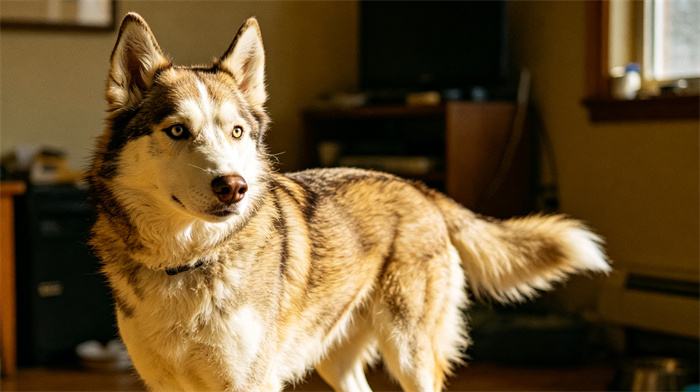
🐕 14. Husky Mix (especially with Pit or Malamute)
Mixed breeds that combine the prey drive of a Husky with the power of a Pit Bull or Malamute can be extremely dangerous. Unpredictable temperament and unknown lineage make these mixes a risk without rigorous socialization and training.
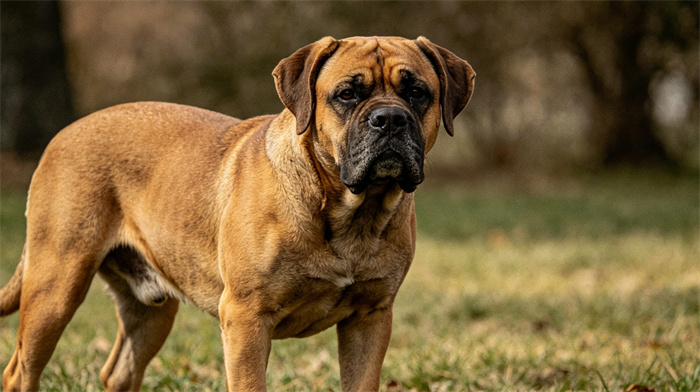
🐕 15. Bullmastiff
Bred to guard estates from poachers, the Bullmastiff is powerful, brave, and protective. They are generally calm but will not hesitate to knock down or bite a perceived threat. Their large size and weight make them capable of causing serious injury.
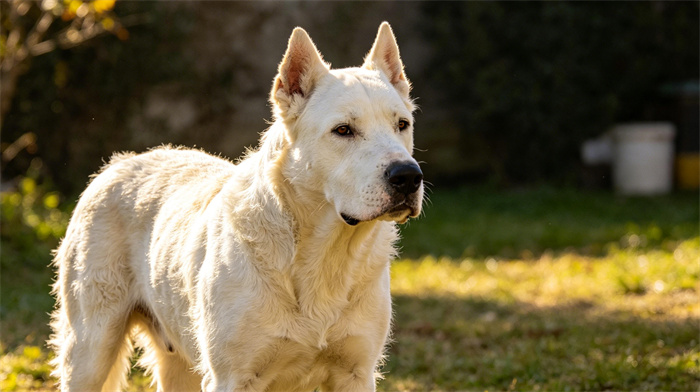
🐕 16. Argentine Dogo (Dogo Argentino)
Developed for big‑game hunting (wild boar and puma), the Dogo Argentino is a fearless, strong, and athletic breed. They have a high prey drive and require an experienced owner. This breed is banned in several countries, including the UK and Australia.
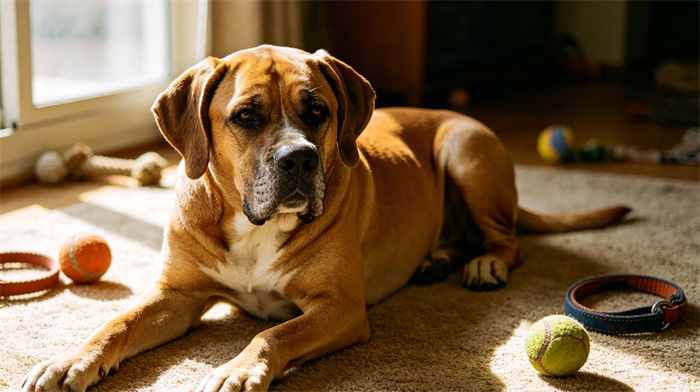
🐕 17. Fila Brasileiro (Brazilian Mastiff)
The Fila Brasileiro is known for its extreme suspicion of strangers and natural guarding instinct. They are powerful, agile, and will not hesitate to attack. Many insurance companies refuse coverage to Fila owners because of the breed’s liability risk.
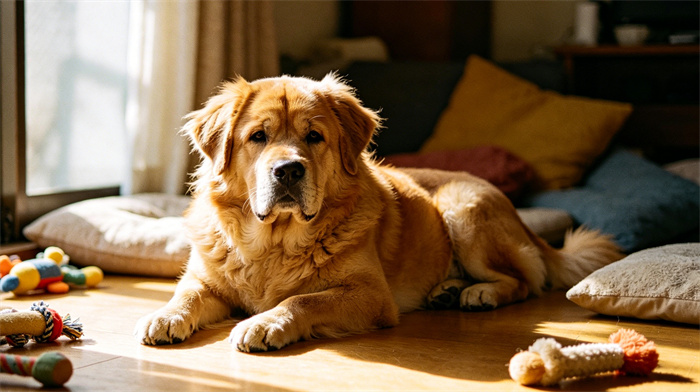
🐕 18. Tosa Inu (Japanese Mastiff)
Bred for dog fighting in Japan, the Tosa Inu is a rare but very powerful breed. They are quiet, patient, but capable of sudden, intense aggression. Tosas are banned in the UK, Norway, Denmark, and several other countries.
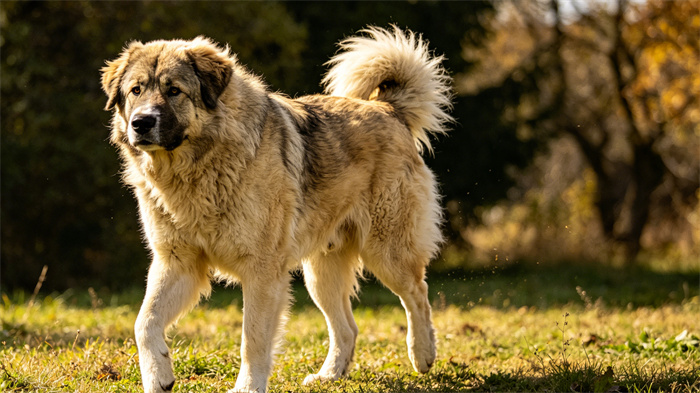
🐕 19. Caucasian Shepherd Dog (Ovcharka)
This enormous livestock guardian breed from the Caucasus Mountains is fiercely protective and territorial. They are not suitable for suburban life. A Caucasian Shepherd that feels threatened will attack without warning. Their bite and size are truly dangerous.
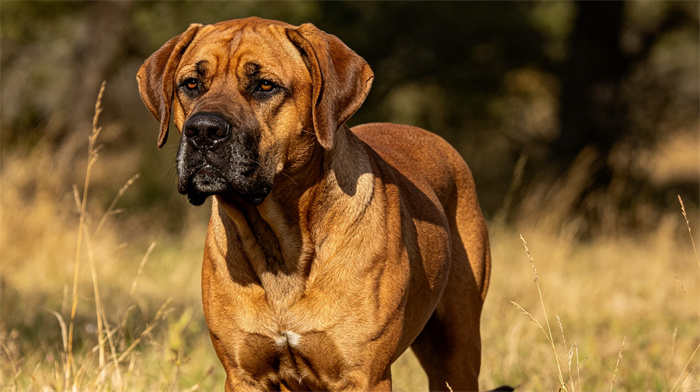
🐕 20. Boerboel (South African Mastiff)
The Boerboel was bred to protect remote farms in South Africa from lions, hyenas, and human intruders. They are large, confident, and will confront any threat. Without proper leadership, a Boerboel can become overly aggressive and difficult to control.
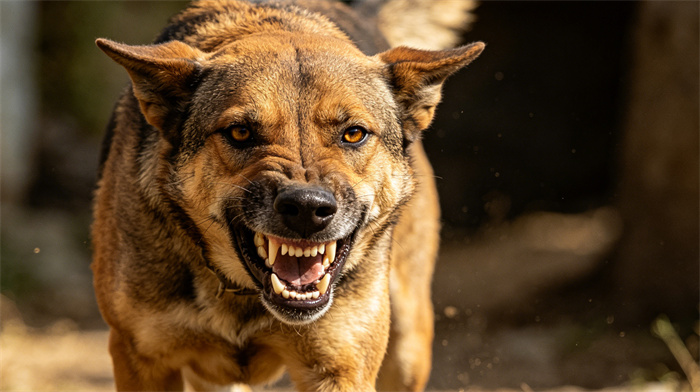
📌 Important Final Note
- No breed is “evil” by default. Most attacks result from poor breeding, lack of socialization, abuse, or irresponsible ownership.
- Always check local laws — many of the above breeds are restricted or banned in cities, counties, or entire countries.
- If you choose any of these powerful breeds, commit to professional training, early socialization, secure fencing, and liability insurance.
Knowledge and responsible ownership turn a “dangerous” dog into a loyal, manageable companion. Choose wisely.