🐾 When you decide to welcome a dog into your home, beyond their cuteness and loyalty, are you aware of the potential risks that certain breeds may harbor within a domestic environment—especially in households with young children? The following 25 dog breeds have been identified as the highest-risk choices for home ownership due to their size, temperament, or instincts. Understanding their characteristics is intended to help prevent accidents, not to diminish their inherent worth.
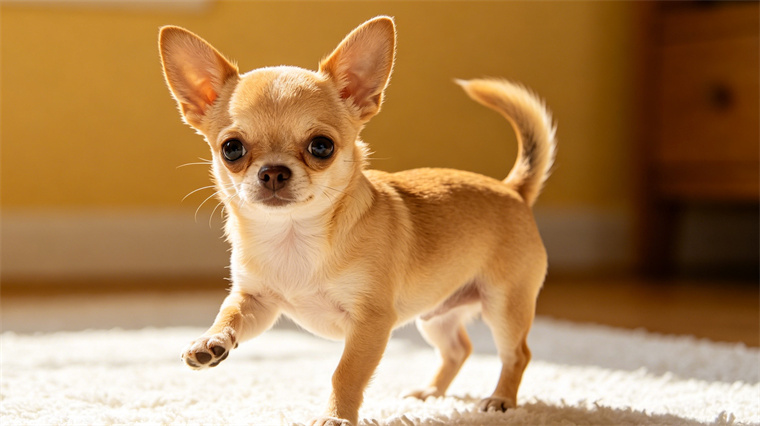
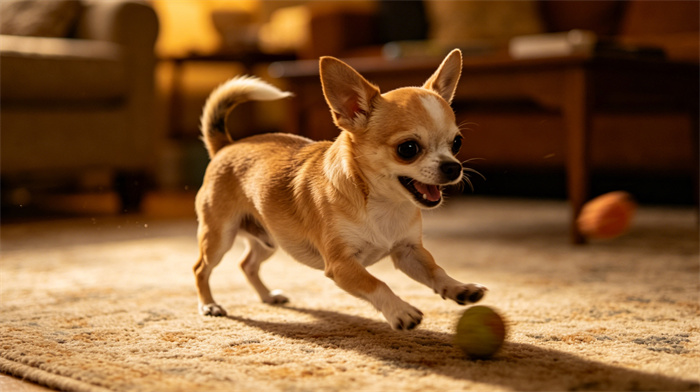
🐕 1. Chihuahua
[Risk Factor] Extremely territorial; craves being the center of attention. Often dubbed "little devils," Chihuahuas may look adorable, but they are not always the best choice for households with young children. They possess a naturally strong territorial instinct and crave being the center of attention; if they perceive their status or position as being threatened, they may display unexpected aggression and stubbornness. Driven by fear, they may snap at a child's fingers or ankles; even an innocent hug or a playful chase by a child can trigger this defensive reaction.
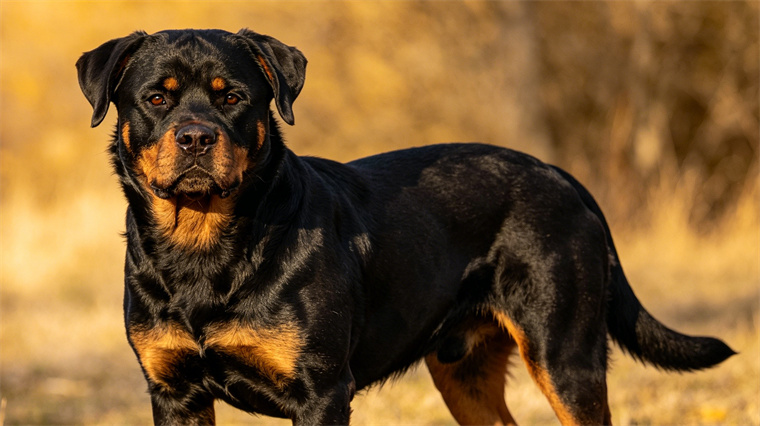
🐕 2. Rottweiler
[Risk Factor] Intense protective instincts; may misinterpret children's play. Rottweilers are renowned for their massive size and exceptional herding abilities. Naturally courageous and fiercely loyal to their owners, they often exhibit powerful protective instincts; while this instinct can be highly intimidating to strangers, it can sometimes escalate into aggressive behavior. Although Rottweilers generally get along well with children, close supervision is still essential during their interactions, as a Rottweiler may misinterpret the playful roughhousing between children as a genuine threat.
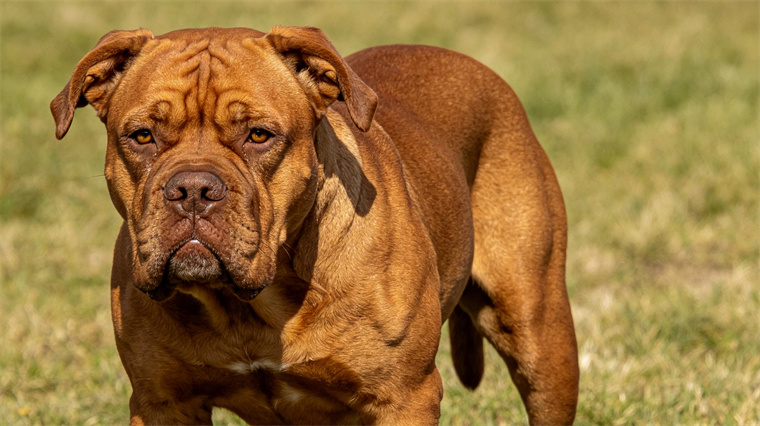
🐕 3. Bullmastiff
[Risk Factor] Massive size; requires a firm leader. Despite their massive size, Bullmastiffs often behave like smaller, mischievous dogs. While they may occasionally display aggressive tendencies, with proper training, they become loyal and fiercely protective companion dogs. They are excellent with children—especially older children who possess the confidence and maturity to handle and guide them effectively. Bullmastiffs naturally look to their owners for leadership; therefore, establishing a firm and consistent position of authority during training is absolutely crucial. Otherwise, they may attempt to "run the household" themselves.