Bringing a dog into a home with a cat — or vice versa — can be tricky. Some dog breeds have a strong prey drive and may never be safe around felines. However, many breeds are naturally gentle, patient, and even affectionate toward cats. Below are 15 dog breeds known for their cat‑friendly dispositions. With proper introductions, these dogs can become your cat’s best friend.
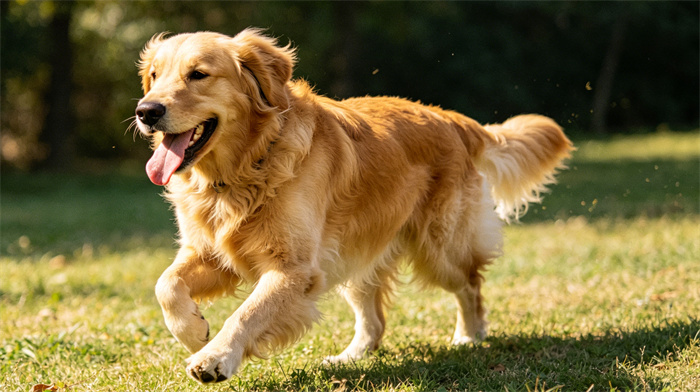
🐾 1. Golden Retriever
Golden Retrievers are famous for their gentle, patient, and friendly nature. They rarely show aggression toward other animals and are quick to learn house rules. With a cat, a Golden will usually offer a wagging tail and a calm demeanor. Early socialization makes them even more reliable.
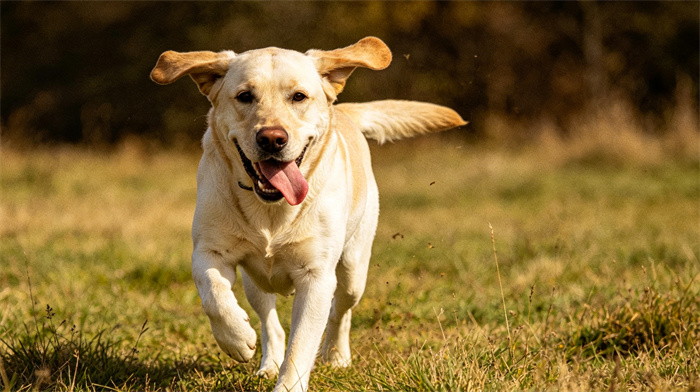
🐾 2. Labrador Retriever
Like their Golden cousins, Labs are easygoing and tolerant. They have a low prey drive compared to many other sporting breeds. A well‑exercised Labrador is content to nap next to a cat rather than chase it. Supervision is still needed during the first few meetings.
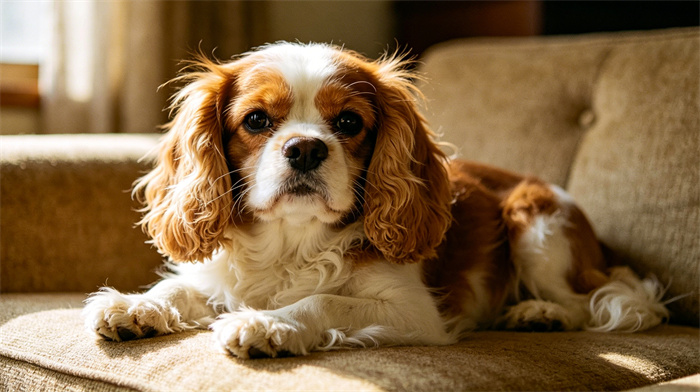
🐾 3. Cavalier King Charles Spaniel
This toy breed was literally bred to be a lap dog — and they extend that affection to cats, too. Cavaliers are small, non‑threatening, and have virtually no aggressive instincts. They often curl up with resident cats and rarely show any desire to chase.
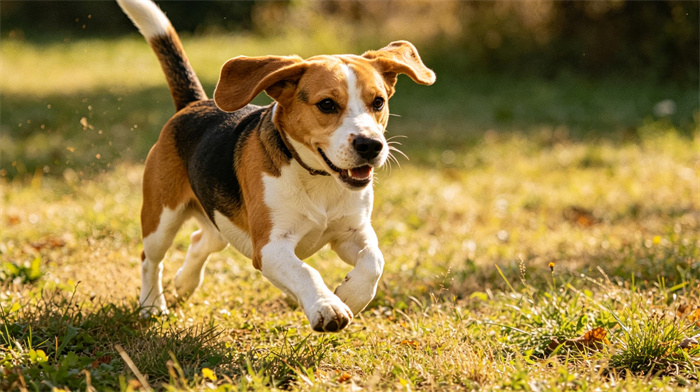
🐾 4. Beagle
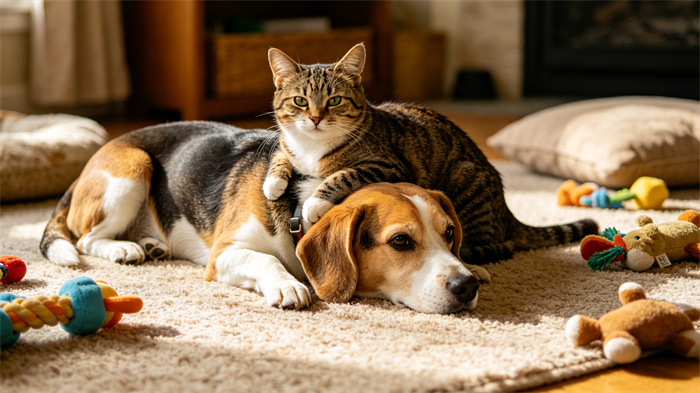
Beagles were bred to hunt in packs, so they naturally get along with other animals. While their nose can lead them on interesting trails, they are usually friendly toward cats if raised together. Be careful with adult cats that run — the chase instinct may kick in. Early training is key.
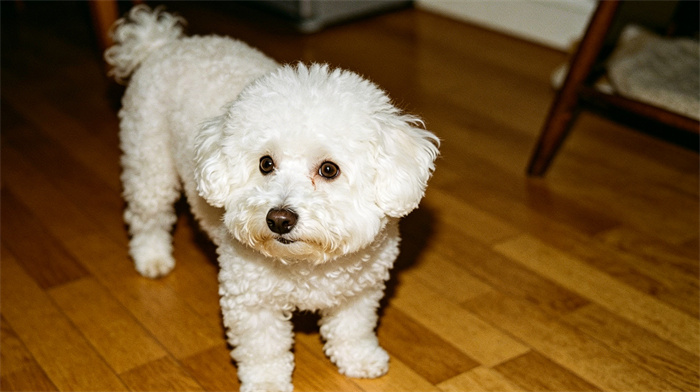
🐾 5. Bichon Frise
These fluffy white dogs have no hunting background and are known for their cheerful, non‑aggressive personalities. Bichons are small, playful, and enjoy the company of any family member — feline included. They are very unlikely to harm a cat and often become snuggle buddies.

🐾 6. Pug
Pugs were bred to be companions, not hunters. Their low energy and goofy nature make them excellent roommates for cats. A Pug would rather snooze on the couch than chase a flicking tail. They adapt quickly to multi‑pet households.

🐾 7. Shih Tzu
“Little lion” dogs, despite the name, are actually peaceful and cat‑like themselves. Shih Tzus have a low prey drive and enjoy calm indoor living. They typically ignore cats or treat them as part of the pack. Their small size also puts cats at ease.
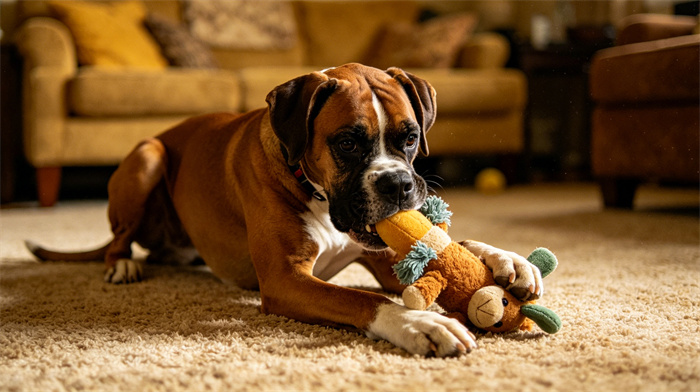
🐾 8. Boxer
Boxers are energetic and goofy, but they are also famously patient and protective of all family members — including cats. With proper introductions, a Boxer will see the household cat as a friend to play with (gently) or protect. Supervise early interactions because of their exuberance, not aggression.
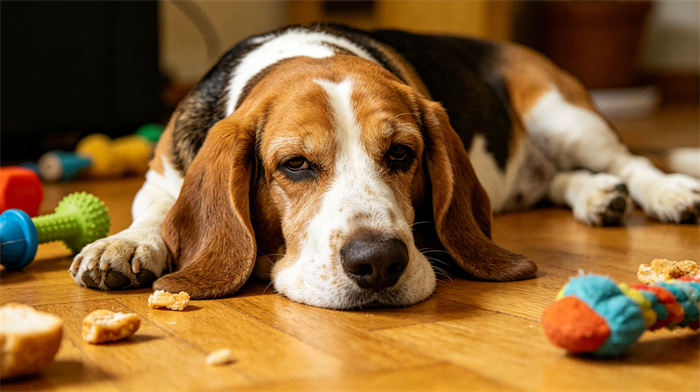
🐾 9. Basset Hound
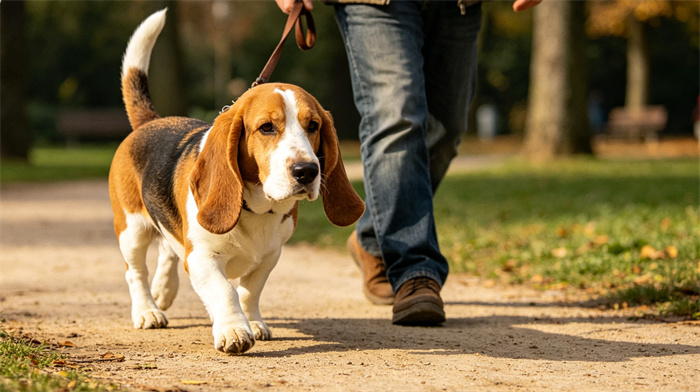
Basset Hounds are so laid‑back they barely have energy to chase anything. Their slow, easygoing nature means they rarely see cats as prey. In fact, many Bassets happily share their bed with a cat. Their strong sense of smell may lead them to follow a cat, but not to harm it.
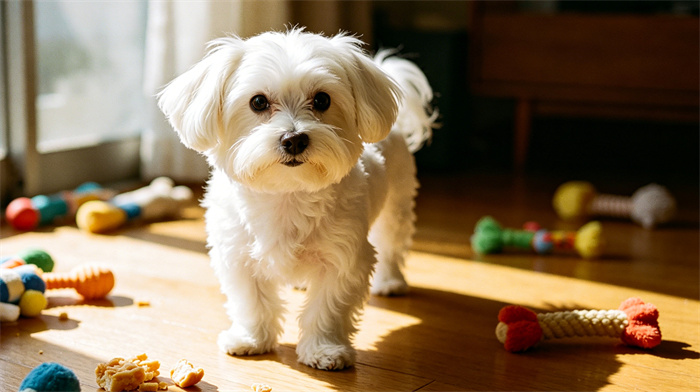
🐾 10. Maltese
These tiny white dogs are pure companions — no hunting instincts at all. A Maltese weighs only 4‑7 pounds, often less than a cat. They are affectionate and non‑threatening, making them one of the safest choices for cat households.
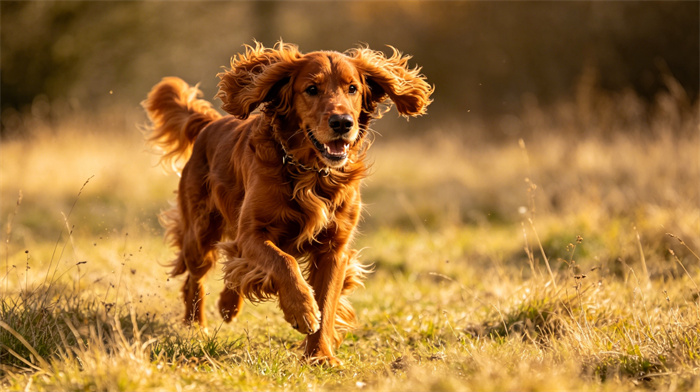
🐾 11. Irish Setter
Irish Setters are known for their friendly, playful, and bird‑dog heritage, but they are not typically aggressive toward cats. When raised together, they develop strong bonds and may even groom their feline housemates. Provide plenty of exercise to reduce any over‑excited chasing.
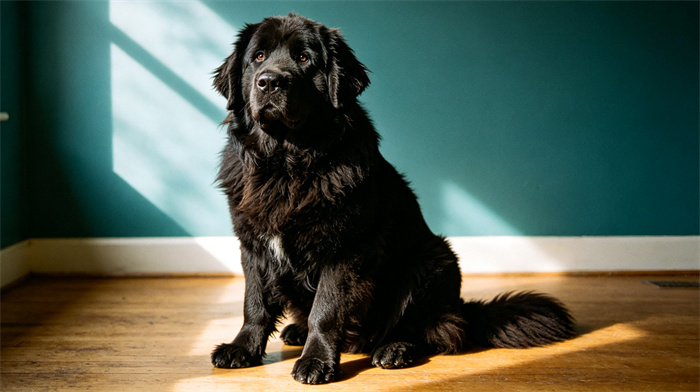
🐾 12. Newfoundland
Gentle giants in every sense, Newfoundlands have a famously sweet and patient temperament. They are often called “nanny dogs” for children — and that gentleness extends to cats. A 150‑pound Newfoundland will carefully step around a tiny kitten. Their calm presence actually reassures nervous cats.
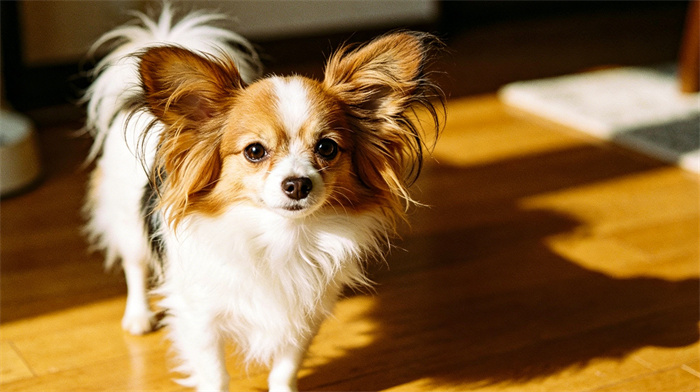
🐾 13. Papillon
Despite their small size and butterfly‑like ears, Papillons have no strong prey drive. They are alert but friendly, and they quickly learn that the family cat is not a toy. Papillons often enjoy chasing games with cats — but only if the cat initiates it.
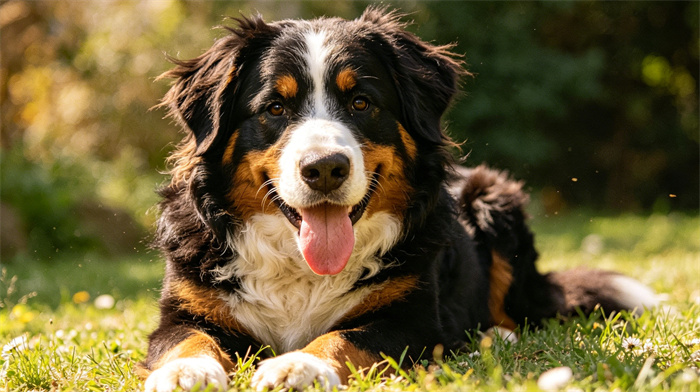
🐾 14. Bernese Mountain Dog
Berners are calm, confident, and affectionate farm dogs originally bred to work alongside other animals. They accept cats as part of their “herd” and will rarely show aggression. Their slow, deliberate movements also help cats feel safe. Early exposure to cats is still recommended.
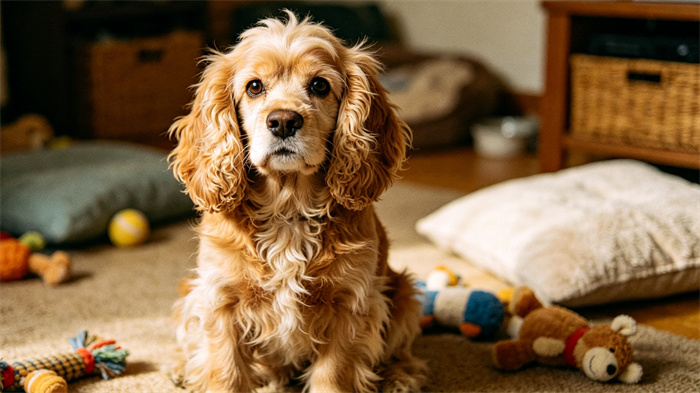
🐾 15. Cocker Spaniel
Cocker Spaniels are sweet, eager to please, and generally good with other pets. While they were bred as hunting dogs, they are softer in temperament than many spaniels. A well‑socialized Cocker will treat a cat like a member of the family. Avoid lines with high prey drive; choose a show‑bred Cocker for the safest bet.
🏠 Final Tips for a Peaceful Dog‑Cat Home
- Slow, supervised introductions are essential — even with cat‑friendly breeds.
- Provide vertical escapes (cat trees, shelves) so your cat can retreat safely.
- Never leave a new dog and cat alone together until you are 100% confident in their behavior.
- Remember: individual personality matters more than breed. Even the most cat‑friendly dog may dislike a particular cat.
Choose wisely, introduce patiently, and you may be rewarded with a beautiful cross‑species friendship that enriches your entire home.