Not all dogs fall apart when you close the front door. While no dog should be left alone for 10+ hours regularly, some breeds are naturally more independent and less prone to separation anxiety. If you work long hours but still want a canine companion, these 10 breeds are your best bet — they can tolerate solitude better than most.
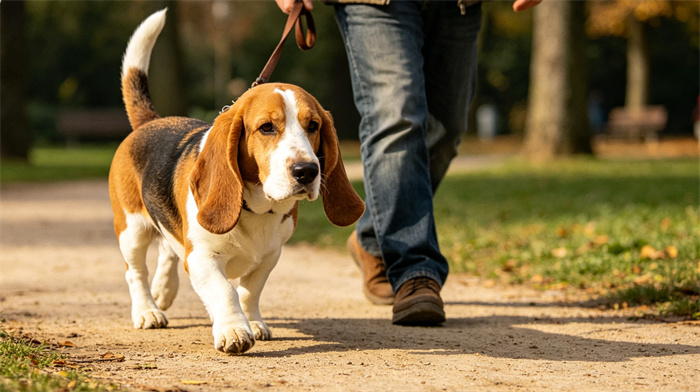
🐕 1. Basset Hound
The laid‑back Basset Hound is perfectly content to snooze the day away on the couch. They are not high‑energy nor demanding of constant attention. As long as they have a comfortable spot and maybe a toy, a Basset will happily sleep 12–14 hours while you’re gone.
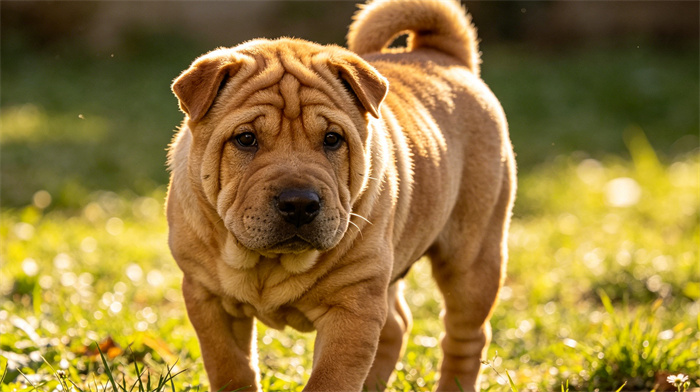
🐕 2. Shar Pei
Independent and aloof by nature, the Chinese Shar Pei does not cling to its owners. They are calm, quiet, and perfectly fine entertaining themselves. Early socialization is important, but they rarely suffer from separation anxiety.
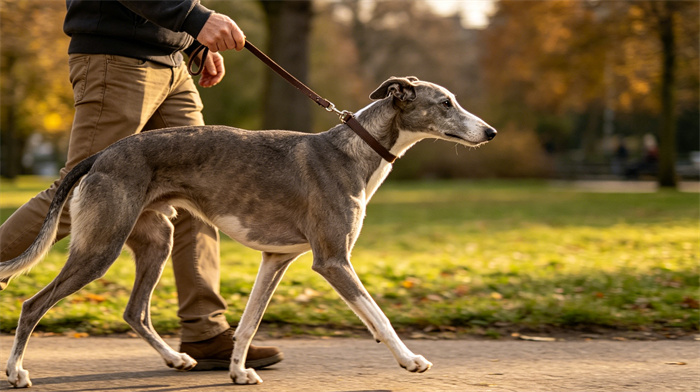
🐕 3. Greyhound
Despite their racing reputation, Greyhounds are actually champion couch potatoes. After a good walk, they will sleep for hours without fuss. They are gentle, low‑energy indoors, and adapt well to being left alone for reasonable periods.
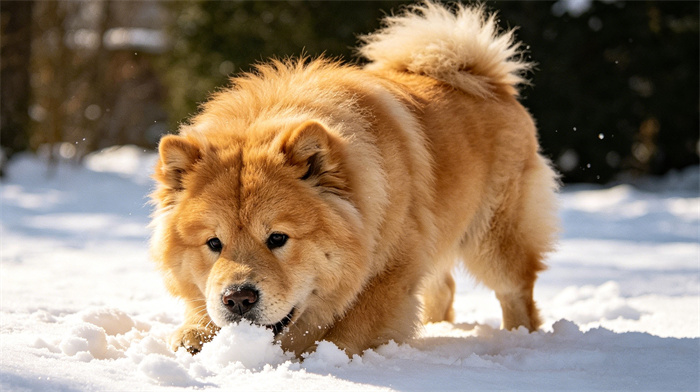
🐕 4. Chow Chow
Chow Chows are famously cat‑like in their independence and aloofness. They don’t demand constant petting or attention. A Chow will respect your space and expect you to respect theirs. Being left alone is rarely an issue for this dignified breed.
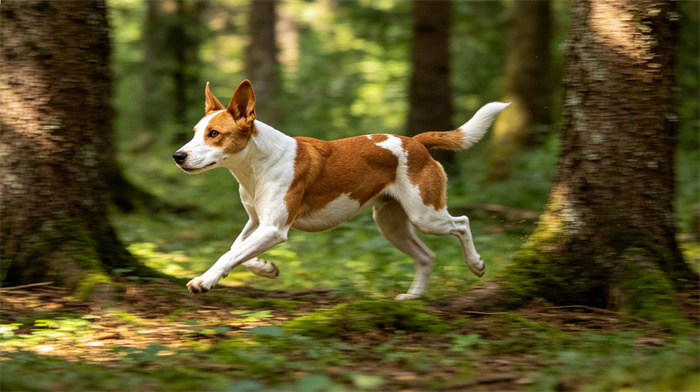
🐕 5. Basenji
Known as the “barkless dog,” Basenjis are also known for their independent, almost feline personality. They groom themselves and entertain themselves quietly. While they need exercise, they do not panic when their owner leaves.
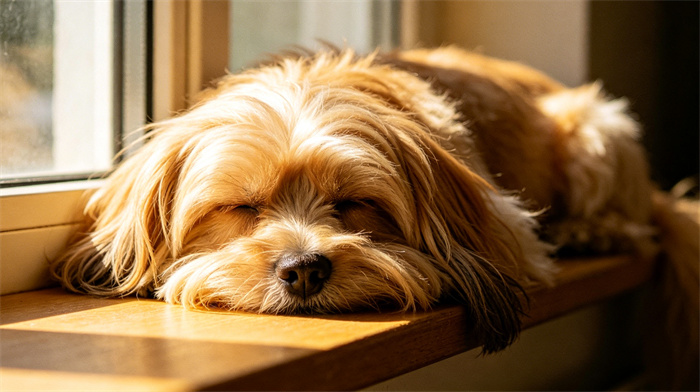
🐕 6. Lhasa Apso
Originally bred as watchdogs for Tibetan monasteries, Lhasa Apsos are self‑reliant and calm. They are not needy or destructive when left alone. Their small size and low exercise needs make them excellent for owners who work outside the home.
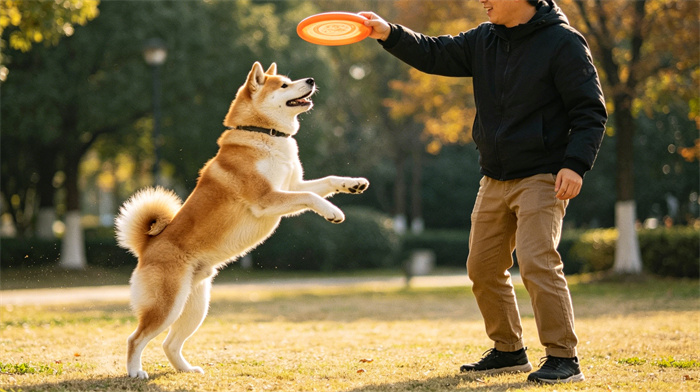
🐕 7. Akita
The Akita is a powerful, dignified breed that bonds deeply but does not demand constant interaction. They are naturally quiet and will guard the house while you’re away. Akitas tolerate solitude very well — provided they have had proper exercise beforehand.
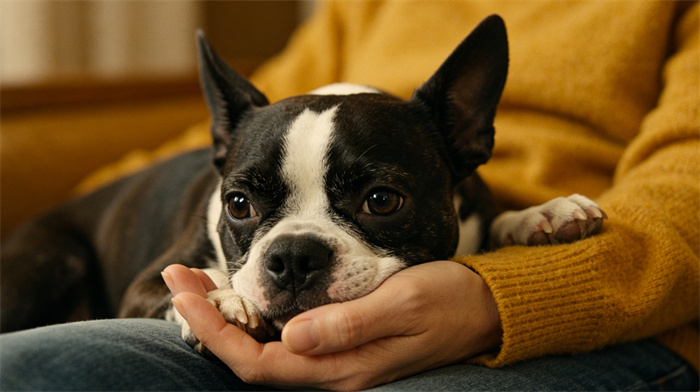
🐕 8. Boston Terrier
While affectionate, Boston Terriers are not overly needy. They adapt to their owner’s schedule and can handle a standard workday alone without developing anxiety. Their small size and low grooming needs add to their convenience. Just leave a few toys and a cozy bed.
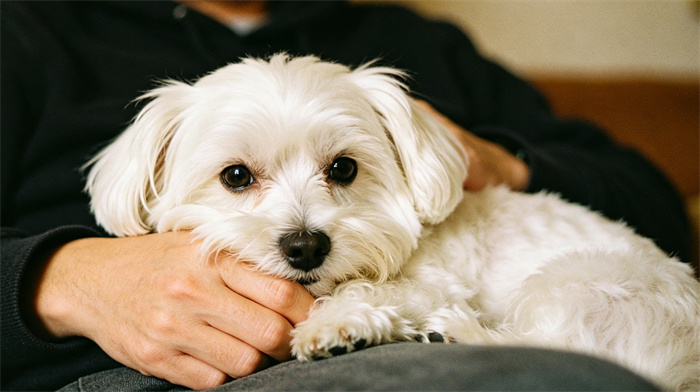
🐕 9. Maltese
Don’t let their lapdog reputation fool you — Maltese dogs are surprisingly independent. They enjoy cuddles when you’re home, but they won’t panic when you step out. As long as they have a safe space and pee pads if needed, a Maltese can remain calm and quiet alone.
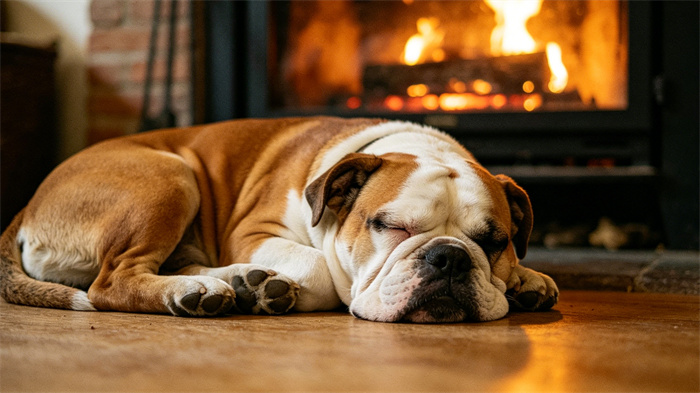
🐕 10. Bullmastiff
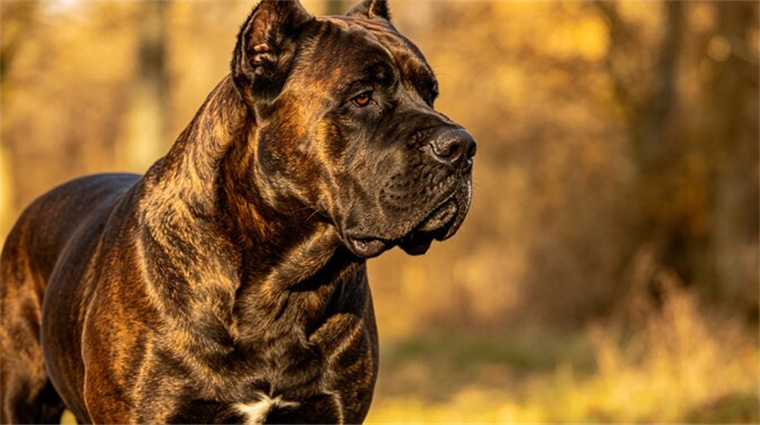
This giant breed is calm, steady, and low‑energy indoors. Bullmastiffs are confident and not prone to separation anxiety. After a short walk, they will happily nap on the floor for hours. Their size is imposing, but their need for constant company is minimal.
📌 Important Reminders
- No dog should be left alone for more than 6–8 hours regularly. Hire a dog walker or use daycare for longer days.
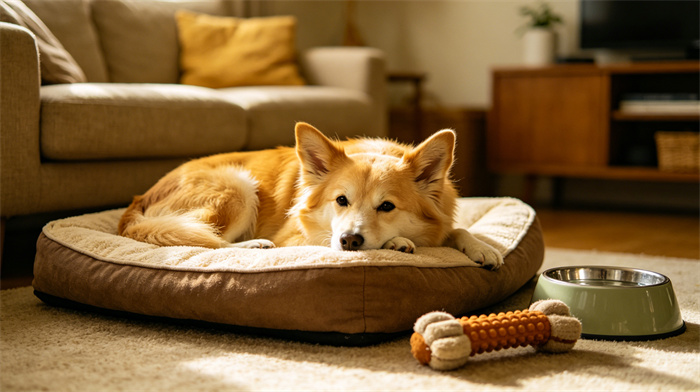
- Always provide fresh water, safe chew toys, and a comfortable resting area.
- Even independent breeds need daily exercise and mental stimulation — a tired dog is a calm dog.
- Separation anxiety can develop in any breed if not properly trained. Gradual desensitization to alone time is key.
Choosing a breed that can bear being left alone is only half the solution. The other half is responsible ownership. Pick wisely, prepare your home, and you and your independent dog can thrive together. 🐾