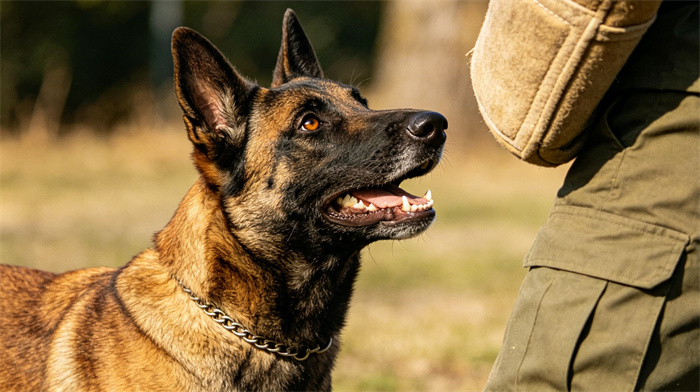
Their piercing eyes, thick coats, and proud posture remind us of wild wolves — yet these are domestic dogs. Wolf‑like breeds are strikingly beautiful, but they come with unique challenges. Before you bring one home, it’s essential to understand their temperament, exercise needs, and the legal restrictions that may apply. Here are 11 wolf‑like dog breeds to help you tell them apart and decide which, if any, is right for you.
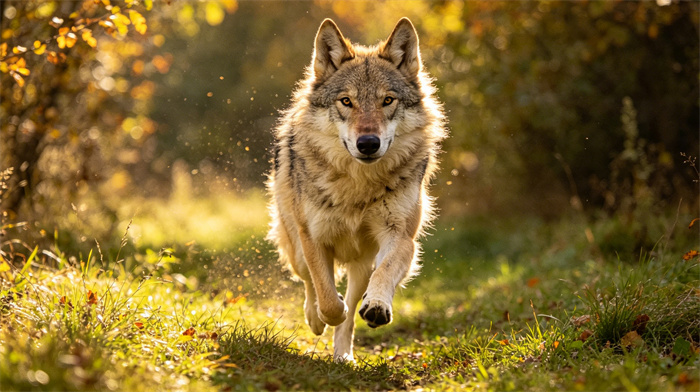
🐾 1. Czechoslovakian Wolfdog
Bred from German Shepherds and Carpathian wolves, this breed looks and acts very much like a wild wolf. They are highly intelligent, energetic, and independent. Not recommended for first‑time owners — they need firm, consistent training and hours of daily exercise.
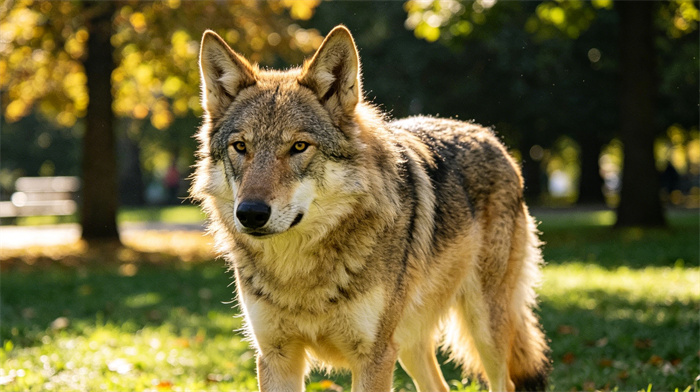
🐾 2. Saarloos Wolfdog
Created in the Netherlands by crossing a German Shepherd with a wolf, the Saarloos is more reserved and shy than the Czechoslovakian. They bond strongly with their pack but are often aloof with strangers. A large, secure yard is a must.
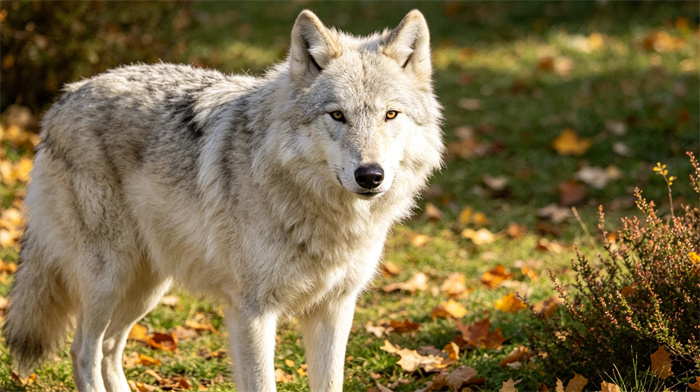
🐾 3. Tamaskan
Developed to resemble a wolf without actual wolf content, the Tamaskan is friendly, intelligent, and social. They make excellent family dogs for active households. Unlike wolf‑hybrids, they are generally legal in more areas, but always check local laws.
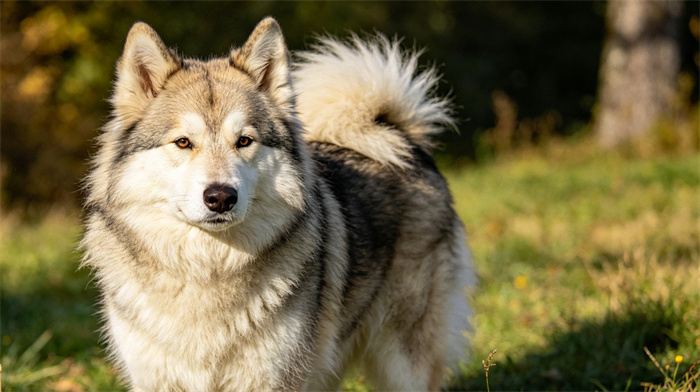
🐾 4. Northern Inuit Dog
Bred from Siberian Huskies, German Shepherds, and other northern breeds, the Northern Inuit was designed to look wolf‑like while being a gentle companion. They are known for their loyalty and calm demeanor. However, they need plenty of space and exercise.
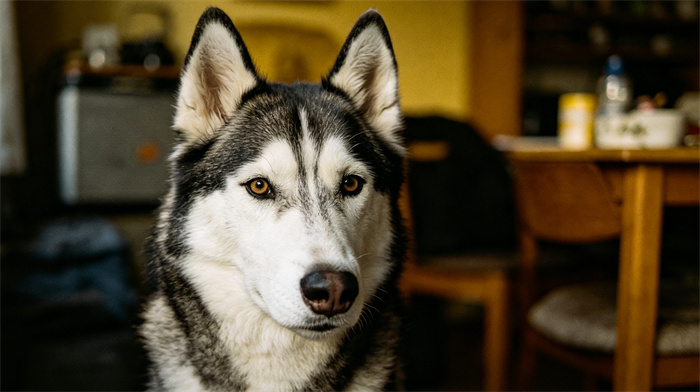
🐾 5. Siberian Husky
One of the most popular wolf‑like breeds, the Husky is playful, outgoing, and sometimes mischievous. They are not guard dogs — they love everyone. Their high energy and tendency to howl (not bark) can be challenging for apartment dwellers.
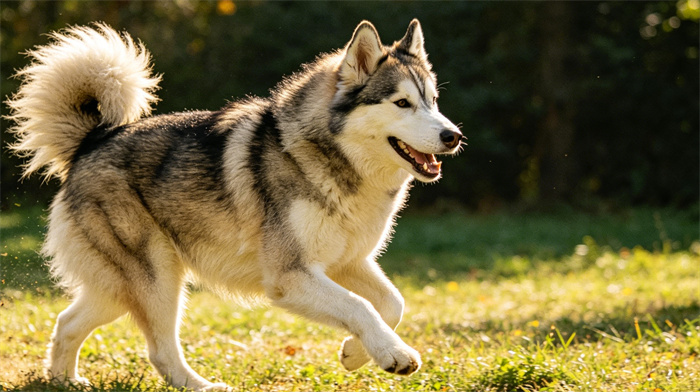
🐾 6. Alaskan Malamute
Larger and stronger than the Husky, the Malamute has a more wolf‑like face and a powerfully built body. They are independent and strong‑willed, requiring an experienced owner. Early socialization is critical to manage their dominance.
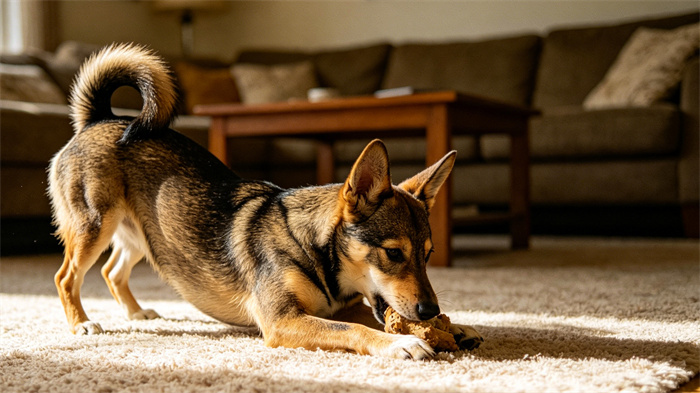
🐾 7. Swedish Vallhund
Though small and low to the ground, the Swedish Vallhund carries a wolf‑like expression and a spitz heritage. They are energetic herders, not sprinters. Their bark is sharp and frequent, so they aren’t silent — but they are excellent watchdogs.
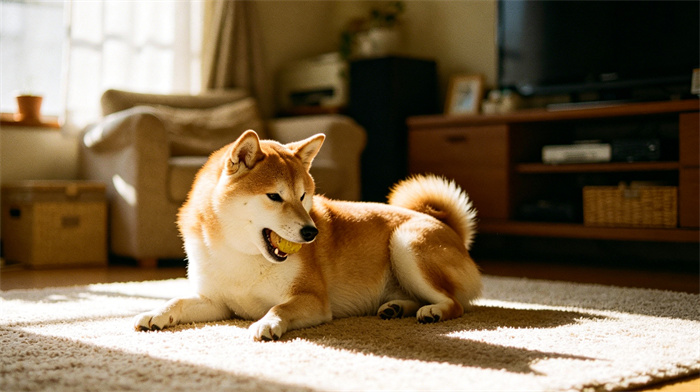
🐾 8. Utonagan
A relatively rare breed, the Utonagan was created from Huskies, Malamutes, and German Shepherds to produce a wolf‑appearance dog with a gentle, family‑oriented nature. They are affectionate and good with children, but they need long daily walks and mental stimulation.
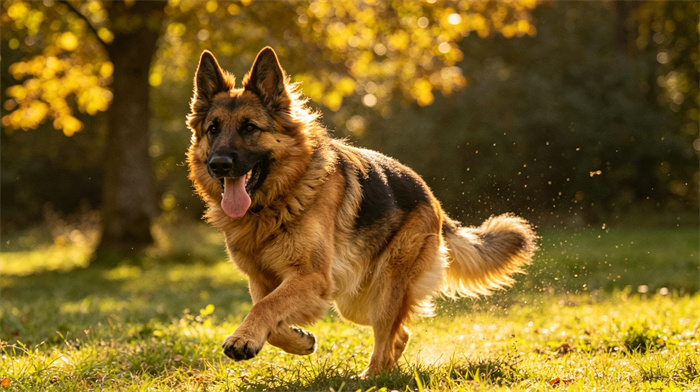
🐾 9. American Alsatian
Bred specifically to resemble the extinct Dire Wolf, the American Alsatian is a large, calm, and low‑energy wolf‑like dog. Unlike most others on this list, they are relatively laid back, making them suitable for quieter homes. Still, their size and protective instincts require training.
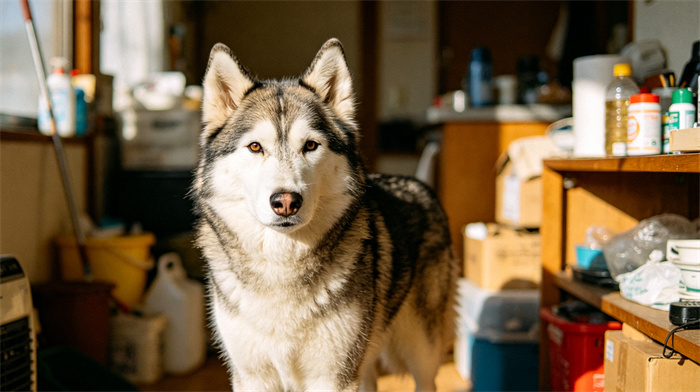
🐾 10. Kugsha (or Amerindian Malamute)
Often mistaken for a wolf hybrid, the Kugsha is a pure domestic breed developed for extreme endurance and pack loyalty. They are wary of strangers and can be aggressive if not socialized early. Not recommended for apartment living or novice owners.
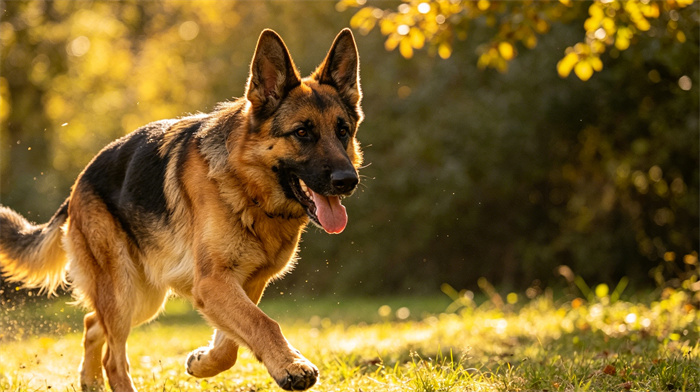
🐾 11. German Shepherd
While not the most wolf‑like in appearance, certain working‑line German Shepherds have a lupine silhouette and intense gaze. They are highly trainable, loyal, and protective. Their popularity makes them more accessible, but they still need firm guidance and daily activity.
⚠️ Before You Choose
- Legal restrictions: Many wolf‑like breeds (especially actual wolf‑hybrids) are banned in cities, counties, or entire states. Always verify your local laws.
- Exercise needs: Nearly all these breeds require 1‑2 hours of vigorous exercise daily. A bored wolf‑like dog can become destructive or escape.
- Training difficulty: High intelligence often comes with stubbornness. Professional training is highly recommended.
- Grooming: Thick double coats shed heavily — prepare for constant vacuuming and seasonal “blowouts.”
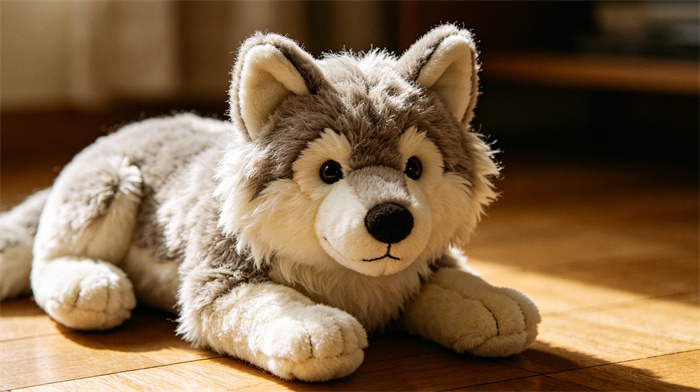
Choosing a wolf‑like dog is about much more than looks. Respect their wild side, provide structure, and you may earn the loyalty of a truly stunning companion. But if you cannot meet their demanding needs, a plush toy wolf might be the wiser choice.