
You May Have Missed
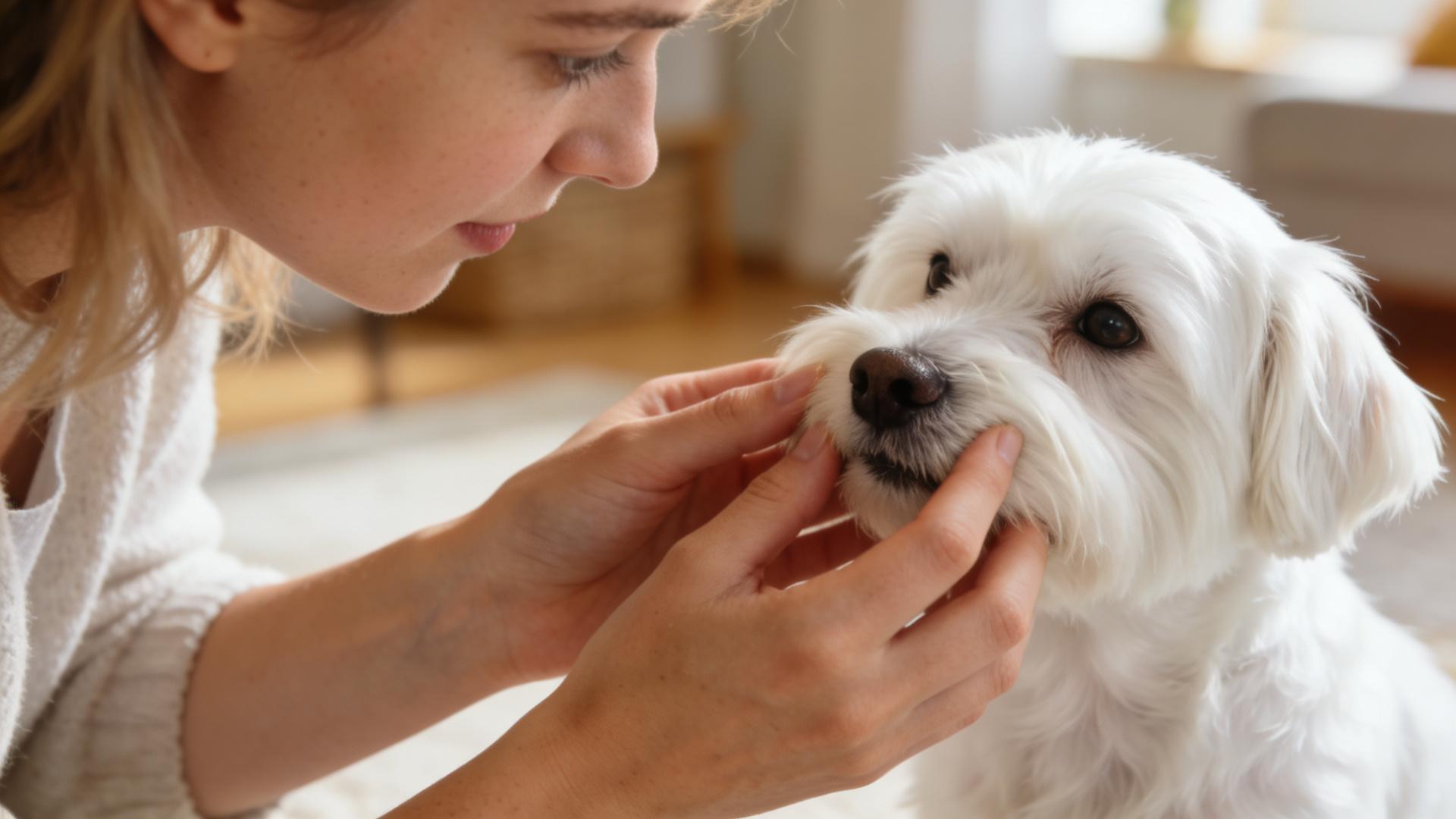
Tear Stain Removal Techniques: A Combination of Dietary Adjustments and Localized Cleansing
If you share your life with a dog, especially a light-colored breed like a Maltese, Shih Tzu, or Poodle, you've likely encountered those reddish-brown streaks beneath their eyes. These are dog tear stains, a common and often frustrating Grooming concern for pet parents. More than just a beauty issue, they can signal underlying factors worth addressing. This article cuts through the clutter of misinformation to provide a clear, actionable, and trustworthy guide. Our core thesis is that effective, long-term management of tear stains requires a dual-pronged strategy: addressing potential internal triggers through dietary adjustments and implementing a consistent, gentle localized cleansing routine. We must emphasize from the outset: sudden, severe, or persistent staining should always prompt a visit to your veterinarian to rule out medical issues like eye infections, blocked tear ducts, or anatomical problems.
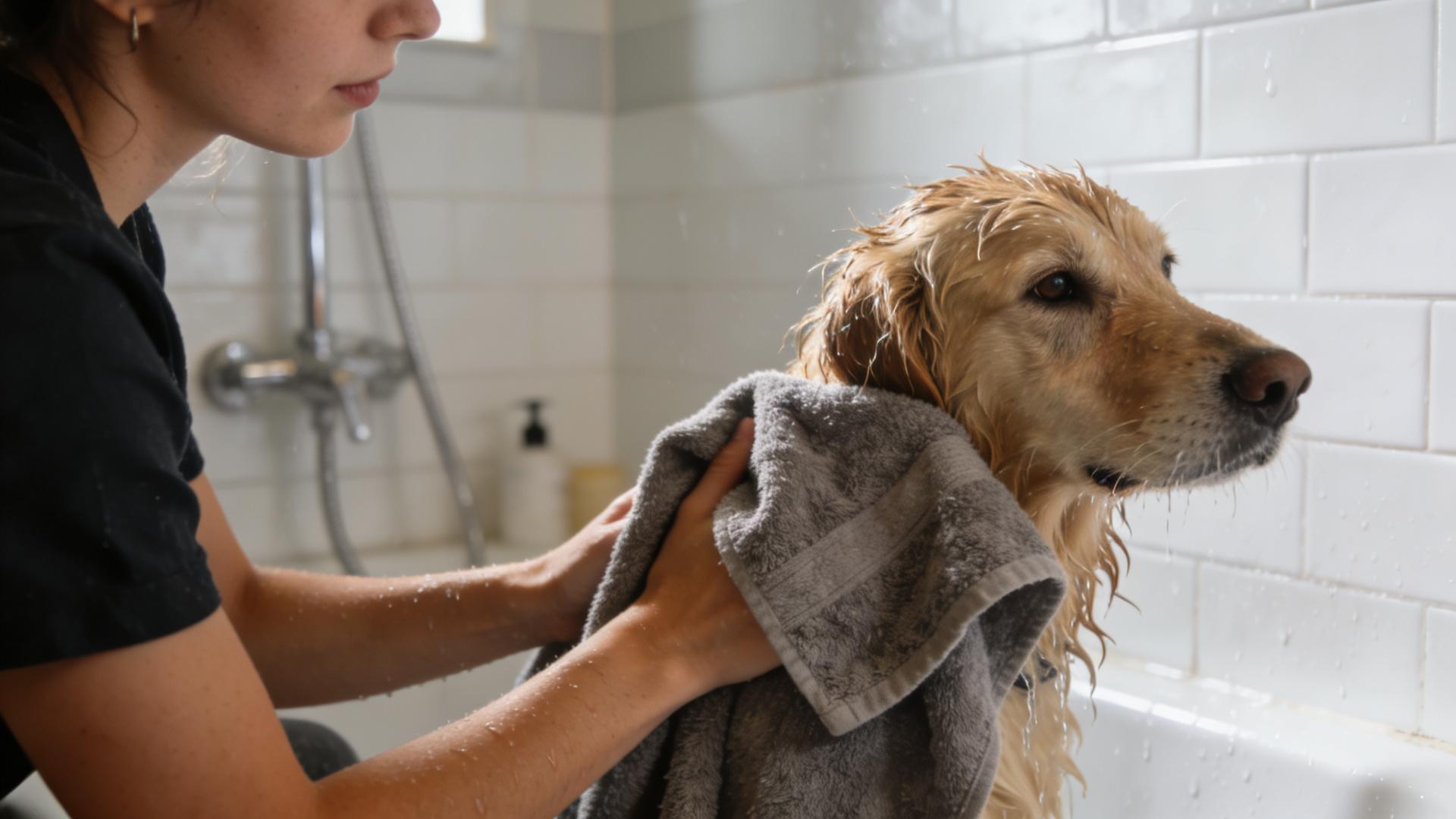
Dog-specific towel material review: Chamois cloth vs. microfiber – which is more absorbent?
You’ve just finished washing your beloved dog, and as you reach for a towel, you’re faced with a common dilemma. The regular bath towels you use are already soaked through after one pass over your Labrador’s thick coat, leaving them shivering and your bathroom looking like a splash zone. Every pet parent knows the struggle of effectively drying their furry friend. The secret weapon in this battle isn’t just any towel; it’s a towel engineered for the job. But with so many options shouting “super absorbent!” from store shelves and online listings, how do you choose? This article cuts through the wet confusion to answer one core question: In the head-to-head matchup of chamois cloth dog towel versus microfiber dog towel, which material truly reigns supreme in dog towel absorbency? Let’s wring out the facts.
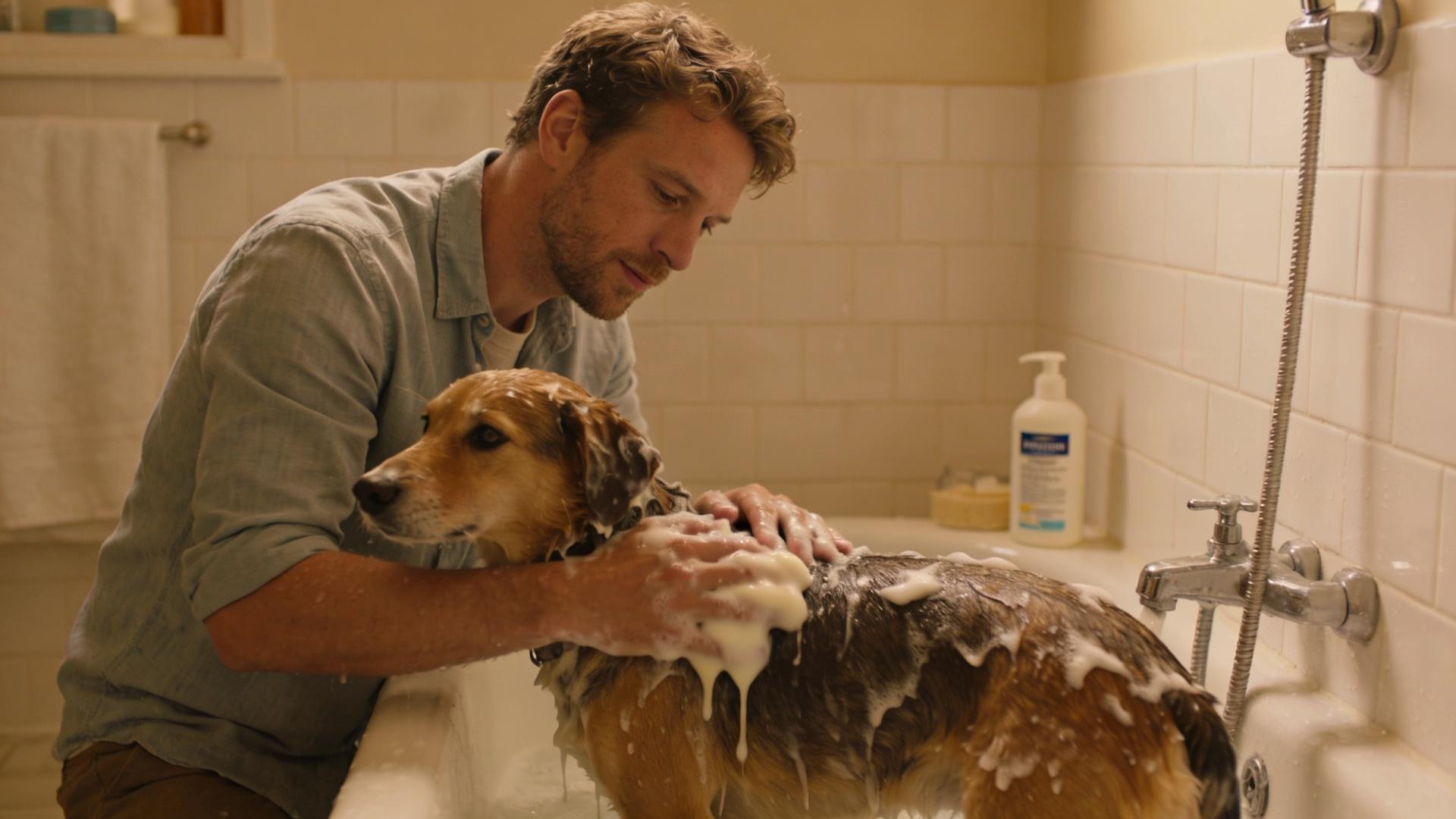
Are dog conditioners a rip-off? Scientific solutions for repairing dry, brittle fur.
As a dog parent, you want nothing but the best for your furry companion. A shiny, soft coat is often the most visible sign of a healthy dog. But when that coat turns dry, brittle, and lackluster, the search for solutions begins, often leading you to the pet care aisle and the myriad of dog conditioners. The immediate question arises: is this a genuine solution or just a clever marketing ploy? Let's dive deep into the science of canine coat health and separate fact from fiction.

Dog not cooperating with nail trimming? The whole process of "bloodline" recognition and desensitization training.
For countless dog owners, the simple act of trimming their dog's nails transforms into a high-stakes drama. The frantic scrambling, the desperate hiding under the bed, the pitiful whines, and the occasional snap of fear—it’s a scene played out in homes everywhere. You're not alone in this struggle. Many resign themselves to a lifetime of scratched floors, awkward "click-clack" sounds on tile, and expensive, stressful trips to the groomer. But what if your dog's intense resistance isn't mere stubbornness or a "bad attitude"? What if it's a profound, deep-seated instinct screaming in panic? Understanding this fundamental truth is the pivotal first step away from the battlefield and toward a peaceful, cooperative solution. This guide merges the **science of canine behavior** with a compassionate, step-by-step training protocol to finally make nail care a neutral—or even positive—experience for you and your dog.

Rinsing your dog with fresh water after playing at the beach: Salt can corrode a dog's fur.
There are few greater joys than watching your dog experience the sheer freedom of a beach. The sprint across the sand, the ecstatic leaps through the waves, the focused digging—it’s a symphony of canine bliss and fantastic exercise. As responsible pet parents, we revel in providing these moments of happiness. However, beneath the surface of this perfect day lurks a silent threat that many well-meaning owners overlook: salt corrosion. That same seawater that brings so much joy can wreak havoc on your dog’s coat and skin. Understanding this risk is the first, and most critical, step in transforming a fun outing into a truly safe and health-positive experience for your four-legged friend.
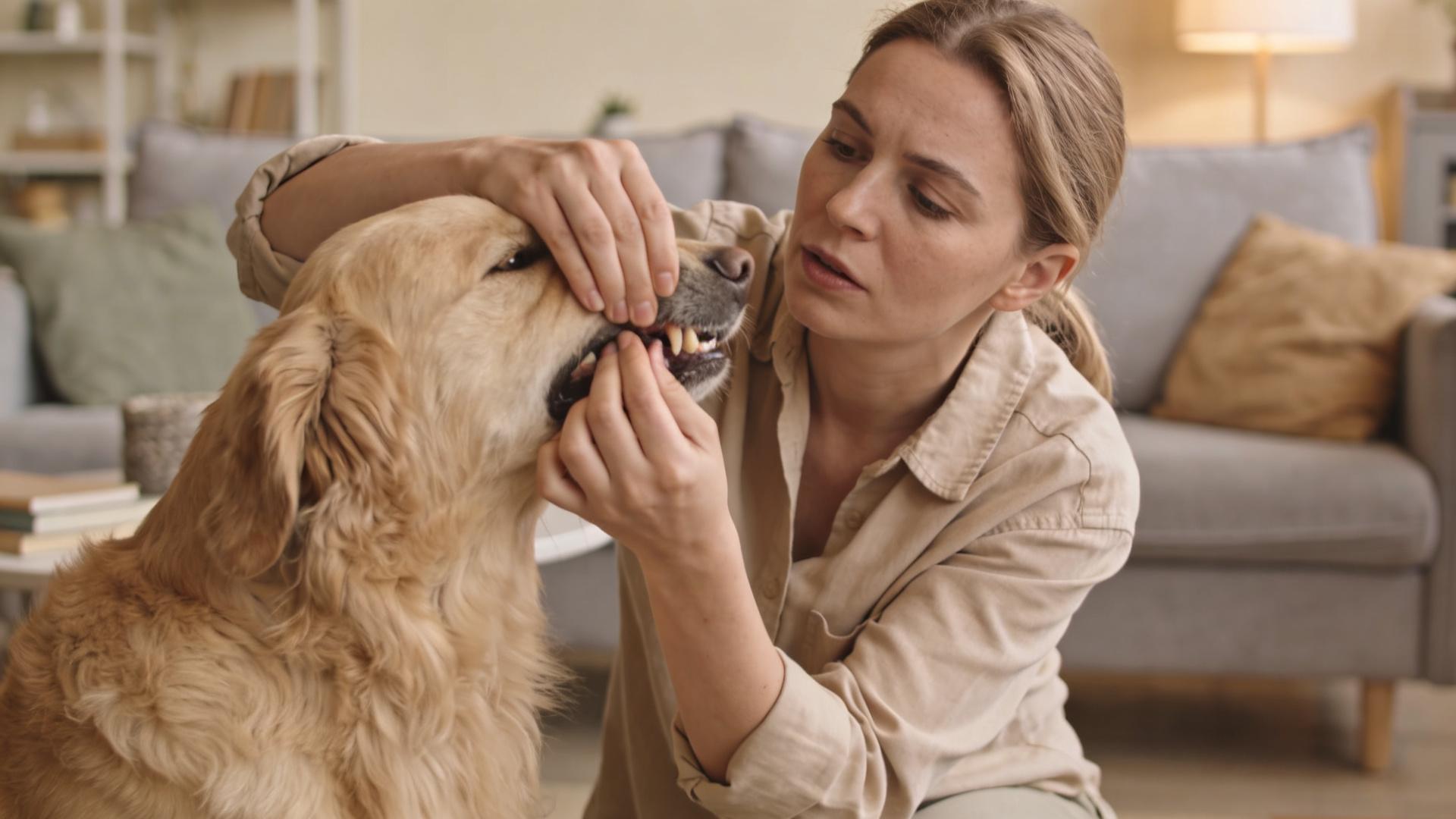
Canine oral ulcer care: How to promote healing through daily cleaning
Seeing your dog flinch while eating, drooling more than usual, or hesitating to play with their favorite toy is heart-wrenching. 🐾 Discovering an angry-looking sore inside their mouth can instantly spike any pet parent's anxiety. You're not just worried about their pain; you're overwhelmed with questions about how to help. The path to relief starts with understanding one non-negotiable truth: consistent, gentle daily cleaning is the cornerstone of healing canine oral ulcers. While a veterinarian must diagnose the root cause, your care at home creates the clean environment essential for recovery. This guide will provide you with a compassionate, step-by-step plan to confidently perform this crucial aspect of health care, turning a daunting task into a manageable, healing ritual for you and your dog.