
You May Have Missed
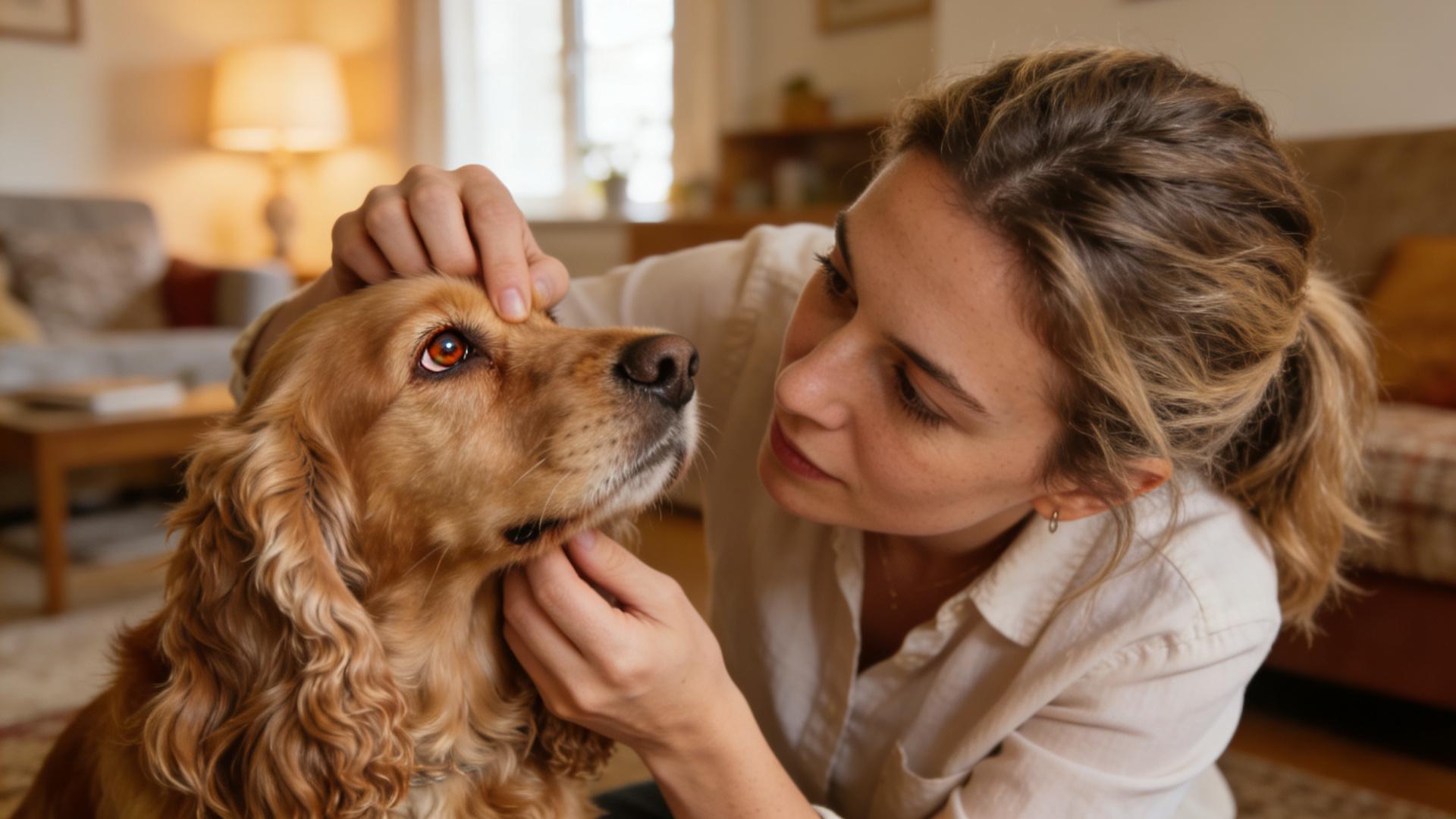
Daily care for dog's ingrown eyelashes: How to reduce eye strain and discharge
As a devoted dog owner, noticing your furry friend squinting or constantly dealing with goopy eyes can be deeply concerning. One common yet often misunderstood culprit behind such discomfort is ingrown eyelashes, a condition veterinarians call distichiasis. This occurs when eyelashes, known as cilia, grow from an abnormal spot on the eyelid margin and turn inward, brushing against the sensitive surface of the eye with every blink. Imagine the persistent irritation of a single grain of sand in your eye. Now, imagine that feeling is caused by your own eyelashes. That is the daily reality for dogs with this condition. This physical abrasion leads directly to eye strain, inflammation, and excessive eye discharge as the eye tries to protect and lubricate itself. It is crucial to understand from the outset that distichiasis is a medical condition requiring a definitive diagnosis from a veterinarian or a veterinary ophthalmologist. Daily care is a vital component of management, but it starts with professional confirmation.

Disinfecting frequency of dog bedding: Washing techniques to avoid recurrent fungal infections
For our canine companions, their bed is more than just a place to sleep—it's a fortress of solitude, a cozy den, and a personal sanctuary. Yet, this very haven of comfort can silently transform into a breeding ground for microscopic threats, primarily fungi, which can lead to frustrating and recurrent health issues. As a dedicated pet parent, understanding the science and art of disinfecting your dog's bedding is not just about cleanliness; it's a critical pillar of preventative healthcare. This comprehensive guide delves deep into the essential practices of disinfecting frequency and expert washing techniques, arming you with the knowledge to create a truly safe and hygienic sleep environment for your furry family member.

Rinsing your dog with fresh water after playing at the beach: Salt can corrode a dog's fur.
There are few greater joys than watching your dog experience the sheer freedom of a beach. The sprint across the sand, the ecstatic leaps through the waves, the focused digging—it’s a symphony of canine bliss and fantastic exercise. As responsible pet parents, we revel in providing these moments of happiness. However, beneath the surface of this perfect day lurks a silent threat that many well-meaning owners overlook: salt corrosion. That same seawater that brings so much joy can wreak havoc on your dog’s coat and skin. Understanding this risk is the first, and most critical, step in transforming a fun outing into a truly safe and health-positive experience for your four-legged friend.

Muscle relaxation for working/sporting dogs: Home massage techniques and heat therapy skills
Your canine athlete thrives on action. Whether navigating an agility course, herding livestock, or accompanying you on long hikes, their powerful physique is their engine. But just like human athletes, working dogs and sporting dogs are susceptible to muscle fatigue, stiffness, and micro-injuries. Proactive muscle relaxation for working dogs isn't a luxury; it's a cornerstone of responsible performance care. This guide empowers you, the dedicated handler, with safe, effective home massage techniques for dogs and heat therapy skills for dogs to enhance recovery, prevent injury, and deepen your bond.

Pet-friendly flooring options: a balance of slip resistance, durability, and easy cleaning.
If you share your home with a four-legged friend, you know the unique challenges they bring to your floors. From the frantic “zoomies” that send them skidding around corners to the muddy paw prints after a rainy walk, and the occasional accident or spilled water bowl—our floors take a beating. Choosing the right surface isn't just about aesthetics; it's about creating a safe, durable, and livable environment for the entire family. Your mission, should you choose to accept it, is to find flooring that expertly balances three non-negotiable criteria: slip resistance for safety, durability against claws and impact, and easy cleaning for simple maintenance. Let's dig into the best options that stand up to the "paw-test" of time.
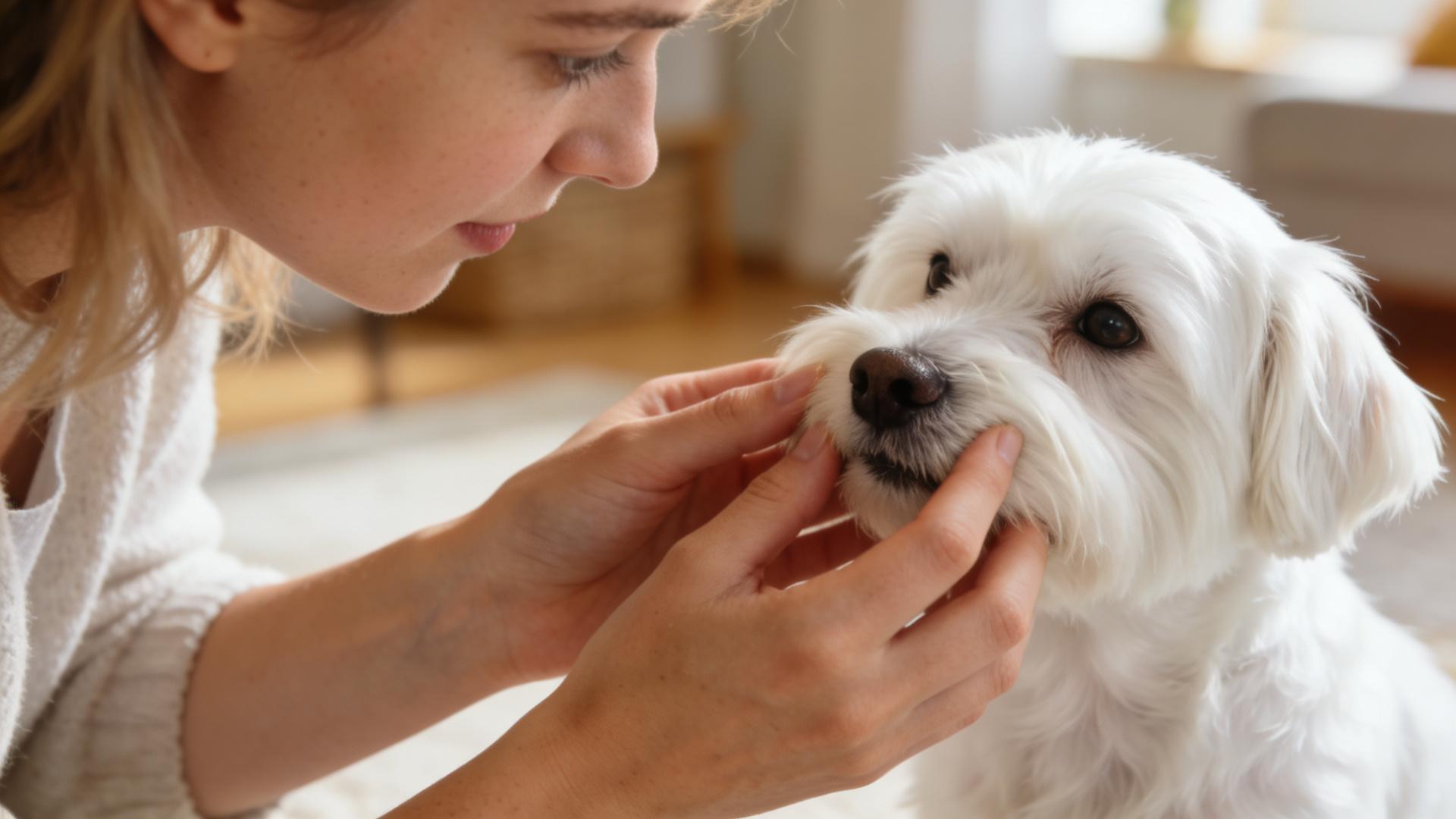
Tear Stain Removal Techniques: A Combination of Dietary Adjustments and Localized Cleansing
If you share your life with a dog, especially a light-colored breed like a Maltese, Shih Tzu, or Poodle, you've likely encountered those reddish-brown streaks beneath their eyes. These are dog tear stains, a common and often frustrating Grooming concern for pet parents. More than just a beauty issue, they can signal underlying factors worth addressing. This article cuts through the clutter of misinformation to provide a clear, actionable, and trustworthy guide. Our core thesis is that effective, long-term management of tear stains requires a dual-pronged strategy: addressing potential internal triggers through dietary adjustments and implementing a consistent, gentle localized cleansing routine. We must emphasize from the outset: sudden, severe, or persistent staining should always prompt a visit to your veterinarian to rule out medical issues like eye infections, blocked tear ducts, or anatomical problems.