
You May Have Missed
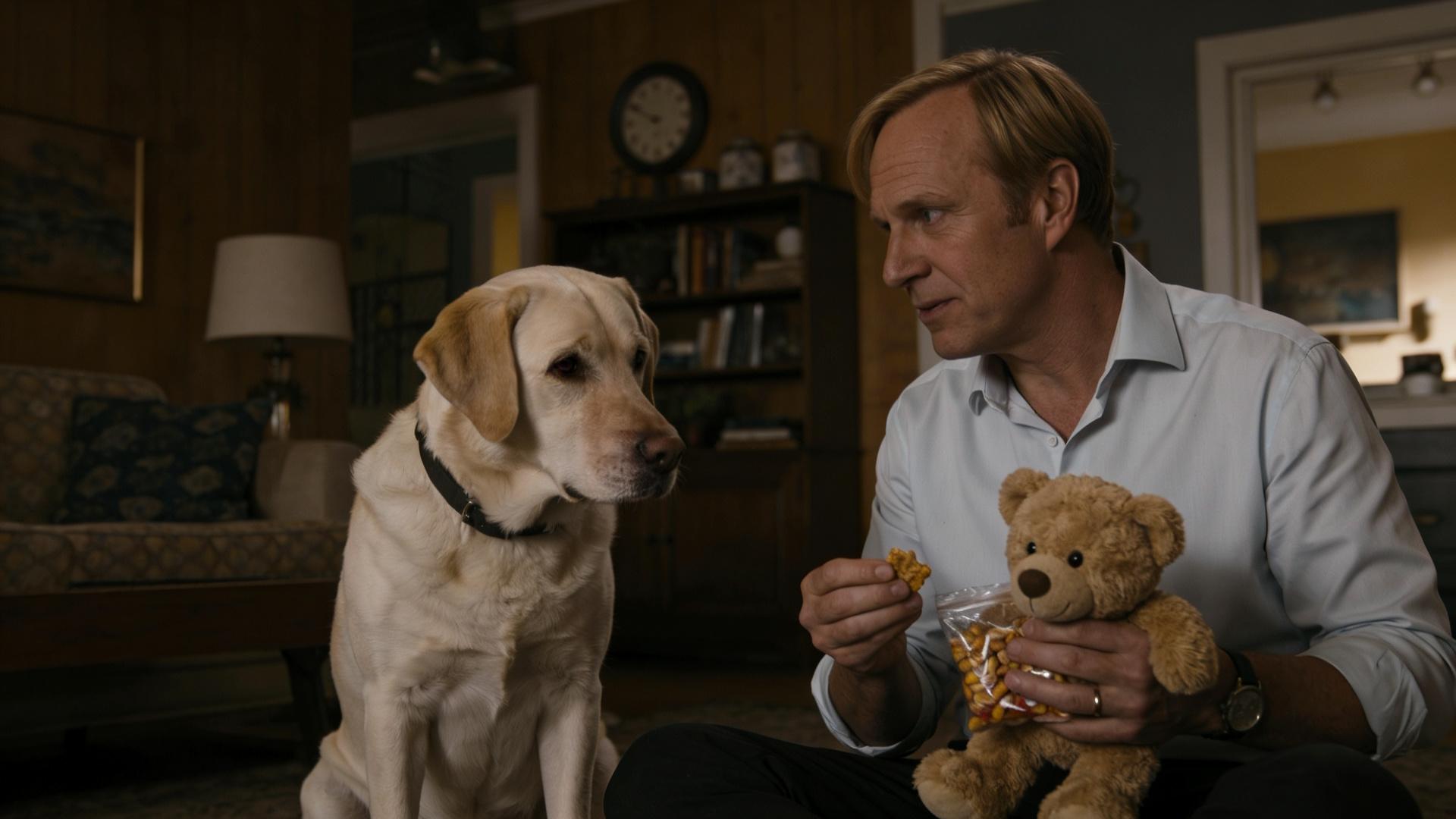
Advanced Name Recognition: Teaching your dog to find the "Teddy Bear" from a pile of toys.
The bond between a human and a dog is often built on a shared language. While basic commands like "sit" and "stay" form the foundation, advancing to advanced name recognition opens a thrilling new chapter in communication. Imagine the pure joy—and the impressed guests—when you casually ask your dog to "go find your Teddy Bear," and they confidently navigate a mountain of plush toys to bring back the correct one. This isn't mere parlor trick; it's a profound demonstration of canine cognitive ability and a deeply enriching form of mental stimulation for dogs. This comprehensive guide will walk you through the systematic process of teaching this impressive skill, turning abstract words into meaningful requests and strengthening your partnership through intelligent play.
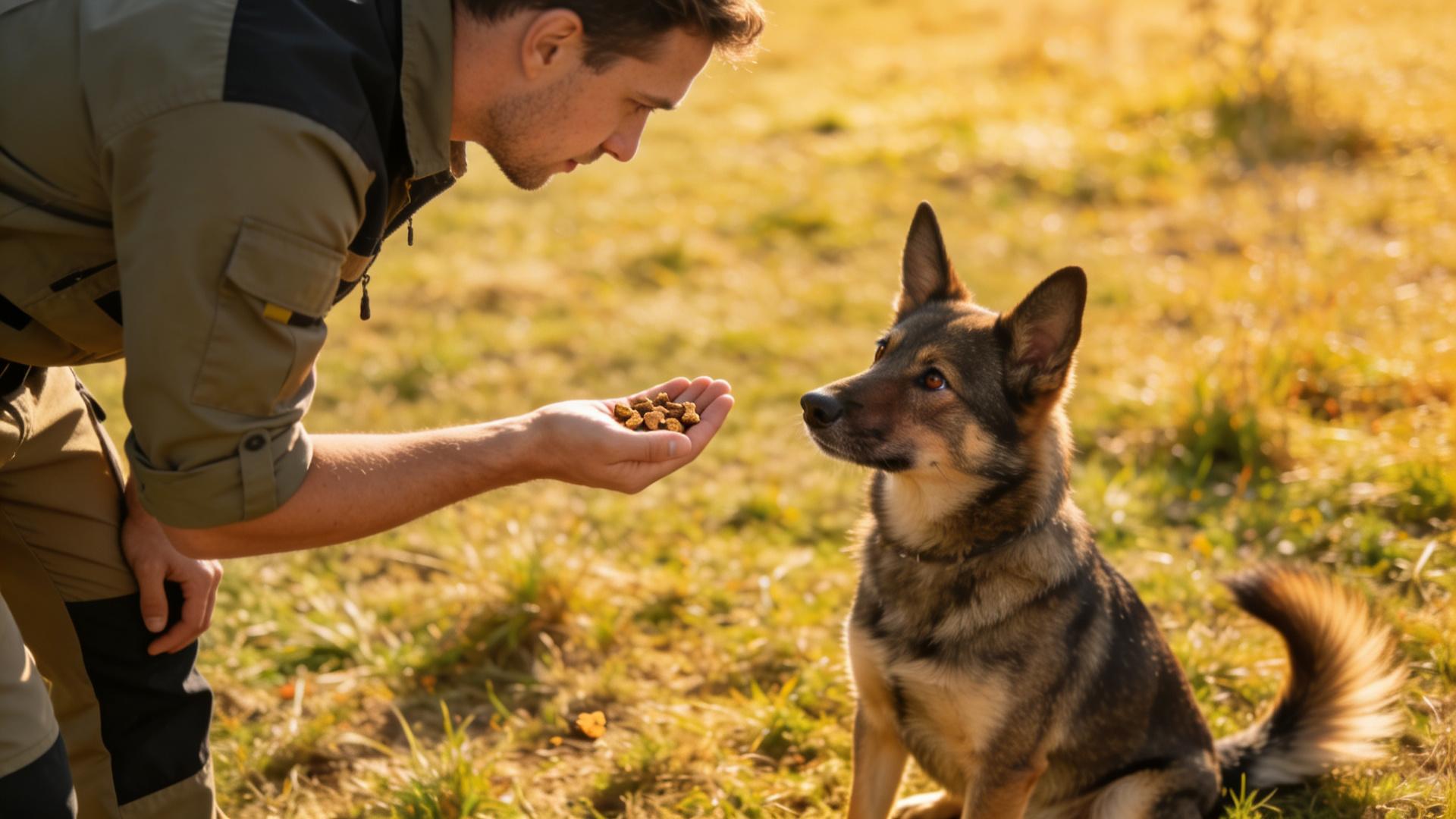
A diverse reward system: In addition to food, there are praise, petting, and toys.
At the heart of all effective dog training lies one crucial element: motivation. 🎯 Finding what truly sparks your dog's desire to learn and comply is the key to unlocking a harmonious partnership. While food is often the go-to for many owners, relying on a single reward type is like trying to build a house with only a hammer. To create a resilient, joyful, and responsive learner, you need a full toolbox. This is where cultivating a diverse reward system becomes your superpower. By strategically using food, praise, petting, and play, you can maintain your dog's high interest, cater to any training environment, and deepen your bond. Let's explore these four pillars of positive reinforcement that will transform your training sessions from repetitive chores into engaging games.

The Science of Home Destruction: Is it High Energy or Extreme Boredom?
You walk through the front door after a long day, and your heart sinks. The living room looks like a confetti bomb went off—shredded cushions, disemboweled pillows, and the leg of your favorite chair now a gnawed sculpture. Your canine companion greets you with a wagging tail and innocent eyes, oblivious to the carnage. Sound familiar? 🐾 This scene plays out in homes daily, leaving frustrated owners asking one burning question: “Why does my dog do this?” Is it a simple case of a hyperactive, high-energy dog, or is it a cry for help from a deeply bored mind? This article delves into the behavioral science behind the wreckage, separating myth from fact and providing a clear roadmap to peace and intact furniture.
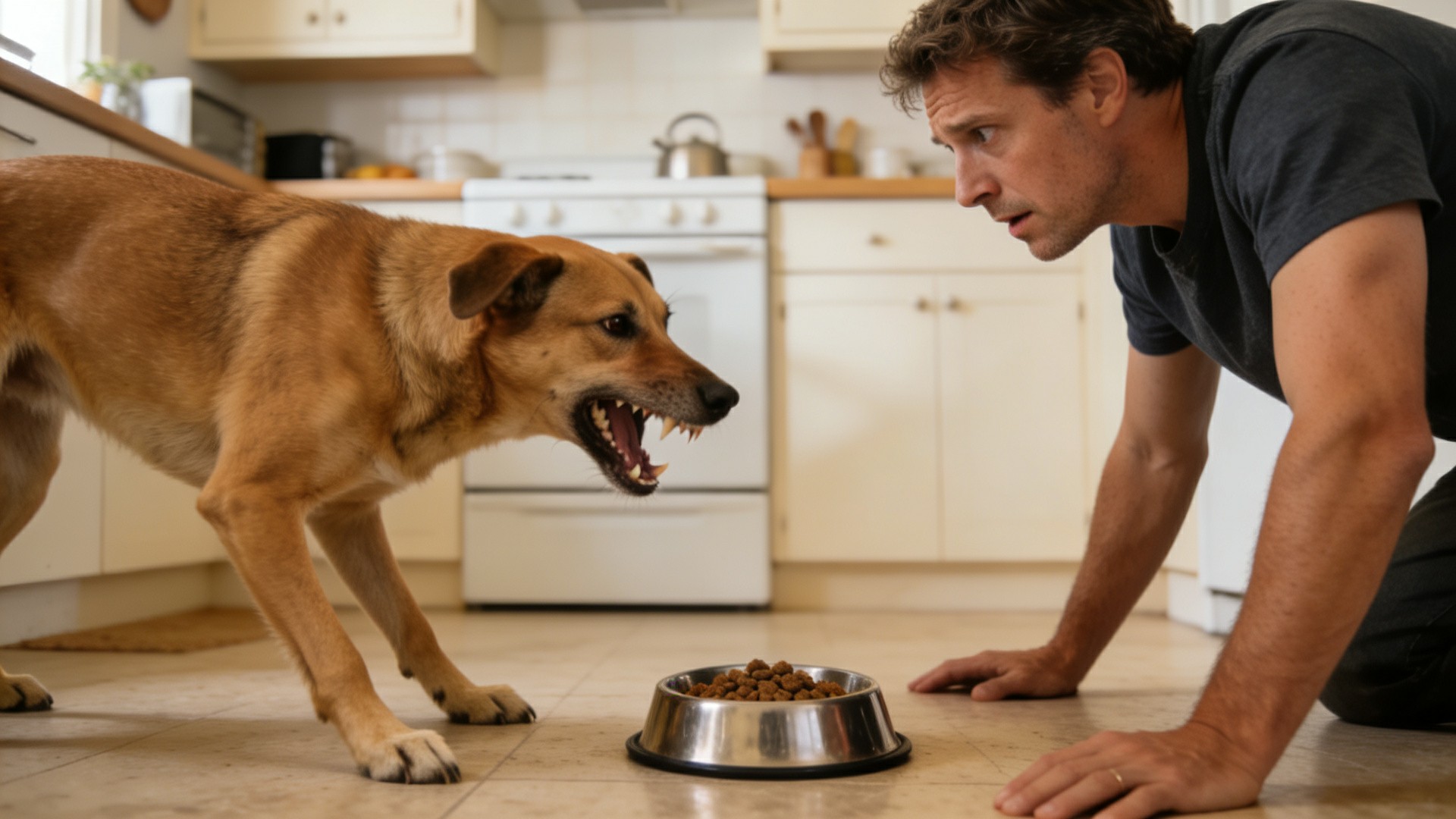
Refrain from food bowl guarding: Cultivate a "sharing" mentality in dogs from a young age.
In the harmonious home of a dog lover, few sounds are as jarring as a low growl emanating from the food bowl. Food bowl guarding is a common yet deeply concerning behavior that taps into a dog's most primal instincts. While rooted in natural survival mechanisms, when manifested in our living rooms, it can create tension, risk safety, and fracture the bond of trust. The good news? This behavior is not a life sentence. By understanding its origins and proactively cultivating a sharing mentality from the earliest age, we can guide our canine companions toward a mindset of relaxed abundance. This comprehensive guide will equip you with the knowledge and actionable strategies to prevent resource guarding, ensuring meal times are peaceful and your dog feels secure, not defensive.
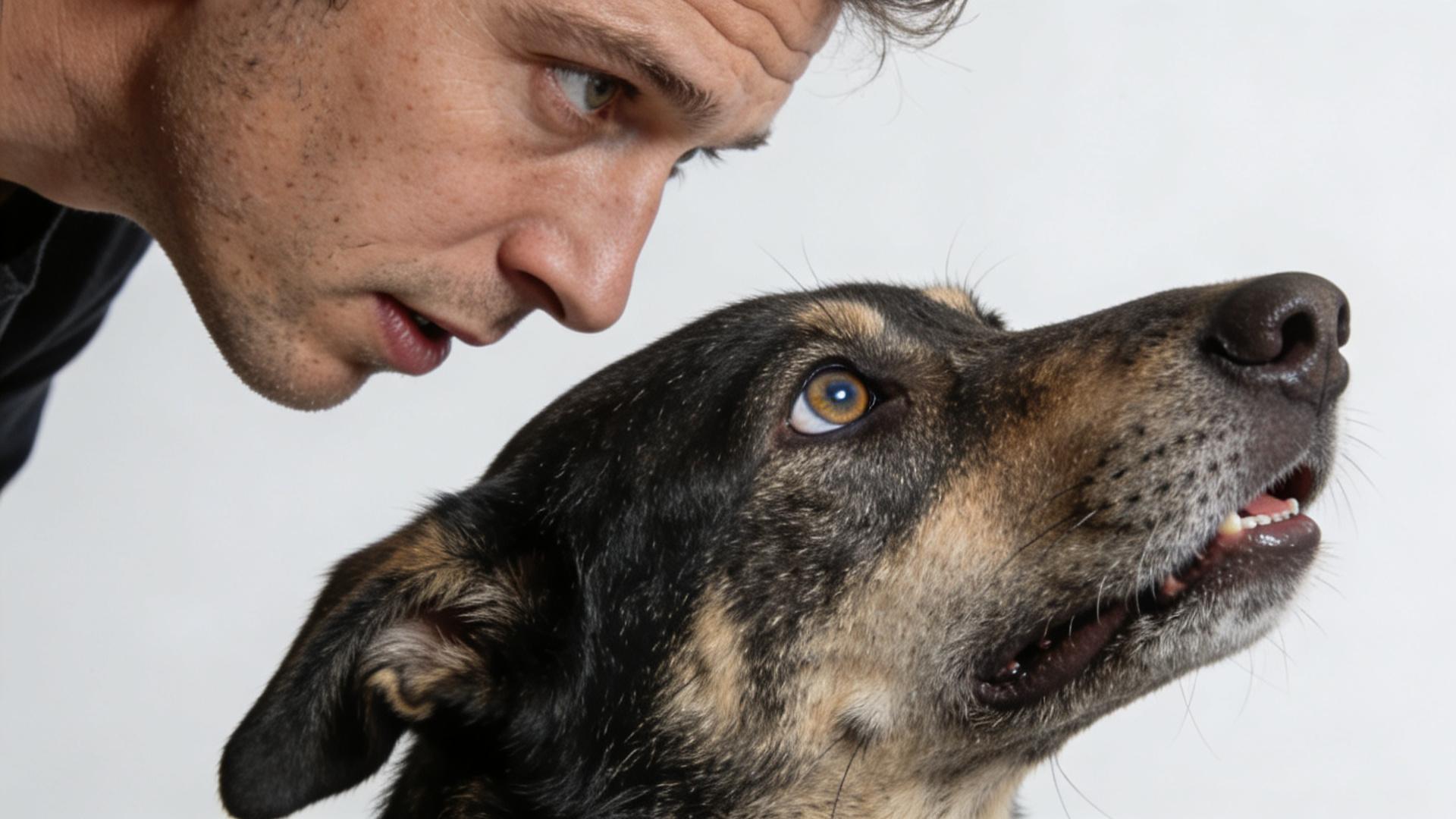
Aggression Prevention: Recognizing 5 Micro-expressions Before a Dog's Attack
In the critical seconds before a dog bite, there is rarely a dramatic growl or a clear snarl. More often, there is a silent, fleeting whisper of tension across the dog's face—a micro-expression that shouts a warning to those who know how to listen. For dog owners, trainers, and anyone who shares their world with canines, learning this silent language is the most powerful tool for aggression prevention. This article will define and detail five critical facial cues that precede an attack. This knowledge is not about fostering fear, but about wielding the proactive power of observation to ensure safety for both humans and dogs.

Mute Command: How to instantly quiet a barking dog using hand gestures
The doorbell rings, and your dog erupts into a frenzy of barking. A squirrel dashes past the window, setting off another vocal alarm. While barking is natural canine communication, excessive noise can fray nerves, disturb neighbors, and leave you feeling powerless. In fact, studies suggest that nuisance barking is one of the most common complaints in residential communities and a leading reason dogs are surrendered to shelters. For years, the solution has seemed to be shouting "Quiet!" over the din, often escalating the tension. But what if you could silence the barking with a simple, silent wave of your hand? Enter the Mute Command—a powerful, non-verbal technique that uses clear hand gestures to gain immediate control. This guide will transform you from a frustrated owner into a calm, confident leader, teaching you the precise method to instantly quiet a barking dog.