
You May Have Missed

2026 Puppy Training Kit: 5 Essential Training Tools for New Parents
Bringing home your new puppy is a whirlwind of joy, cuddles, and… pure, unadulterated overwhelm. Between the excited piddles, the sharp little teeth, and the sudden midnight serenades, it’s easy for first-time pet parents to feel lost. Traditional training advice is plentiful, but the future of puppy parenting is here, blending timeless canine psychology with smart technology and innovative design. Welcome to the 2026 Puppy Training Kit, a curated collection not just of supplies, but of solutions. This guide cuts through the noise to present five essential tools designed to make your training journey more efficient, effective, and deeply connected. Let’s transform that adorable handful of chaos into a well-mannered companion with tools that empower you both.

The "plateau" in training: How to break through when your dog stops progressing?
You’ve been diligently working on "sit," "stay," or a fancy new trick. Progress was steady, tail wags were abundant, and then… it stops. Your dog seems to forget what they knew yesterday, loses interest, or simply can’t seem to grasp the next step. Sound familiar? Every single dog owner encounters training plateaus. This is that frustrating phase where your dog's learning curve flattens, and visible improvement grinds to a halt. First, take a deep breath. Do not worry. This is not a sign of failure—yours or your dog’s. It is a completely normal, even expected, part of the training journey. With insight, patience, and the right strategic shifts, you can absolutely break through and guide your dog back onto the path of progress. This guide will equip you with the knowledge and tools to do just that.

Puppy sleep habit training: solutions to nighttime barking and restlessness
Exhausted from puppy night waking? Our expert guide reveals the root causes of barking and restlessness and provides a proven, step-by-step training plan to finally get peaceful sleep for you and your new dog.
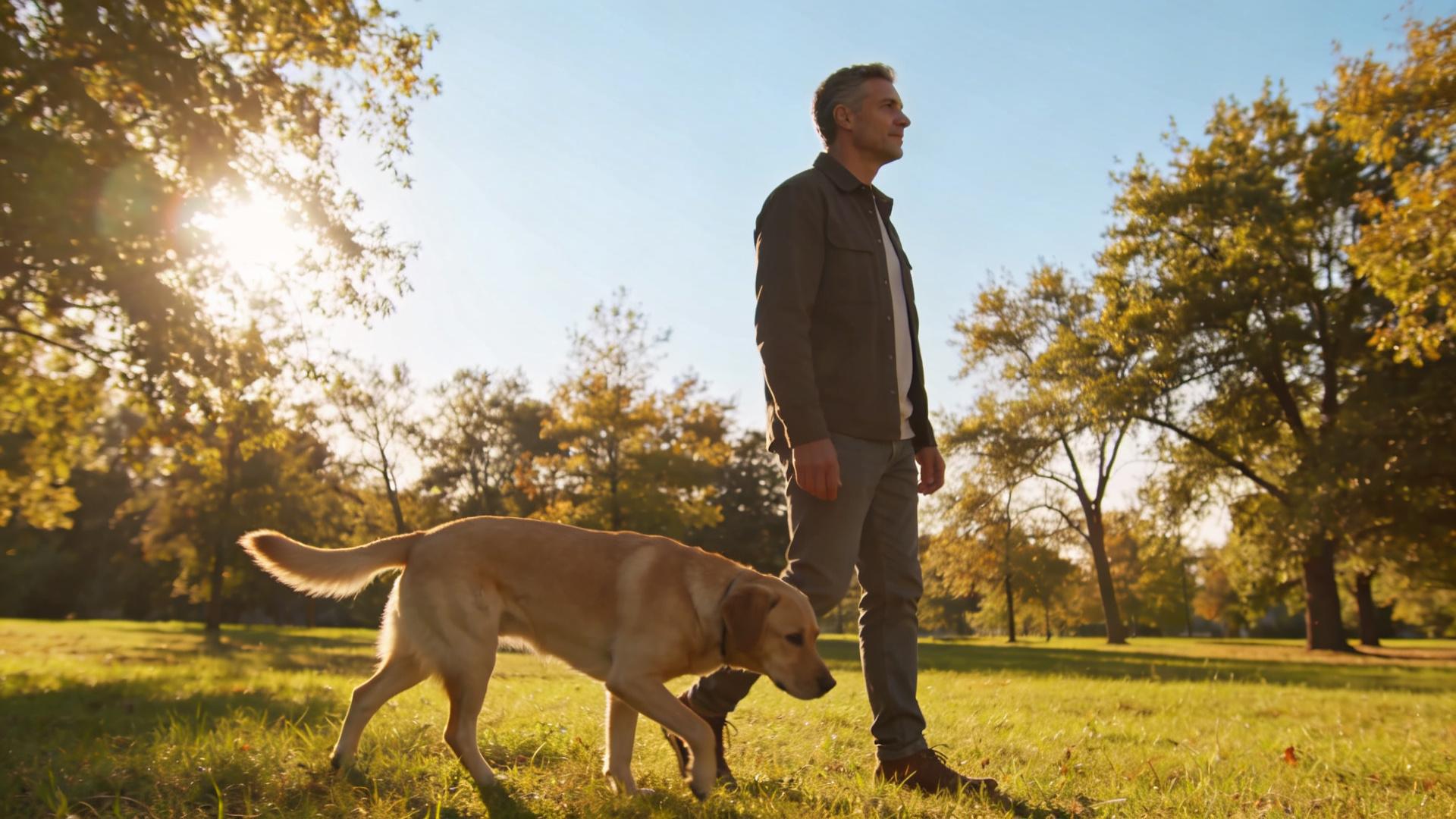
Perfect heel training: Keep your dog always on your left side.
Imagine strolling through the park with your dog walking calmly by your left side. This vision is achievable through perfect heel training. Heel training is the cornerstone of canine obedience. It ensures safety during walks and strengthens your bond. The traditional left side position is not arbitrary. It has practical roots. This guide will provide everything you need to master heel training for dogs.
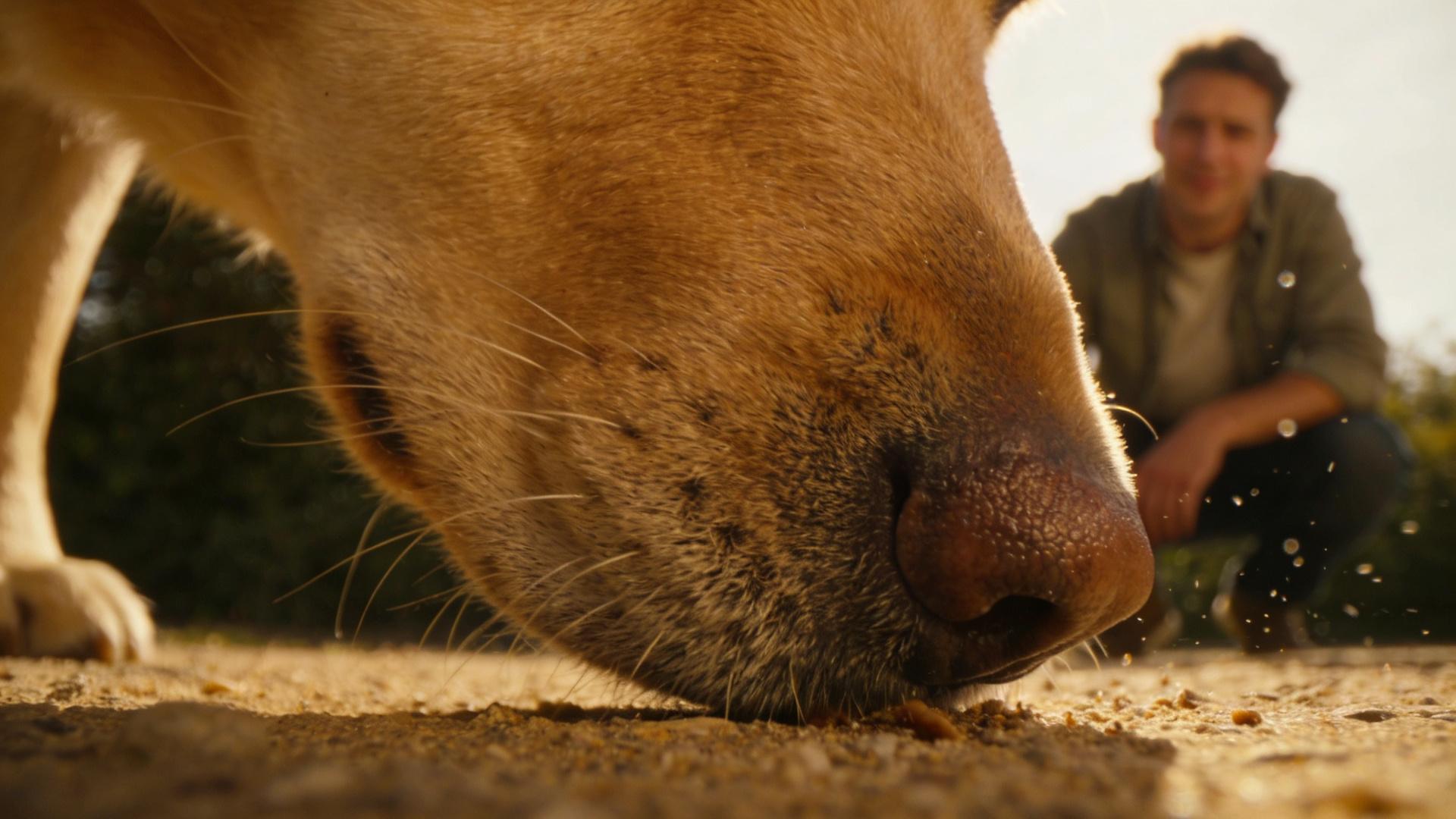
Smell and Confidence: Why do timid dogs need more smell training?
You see it every day. The lowered head, the tucked tail, the hesitant steps that seem to measure the safety of every inch of the living room. Your dog shrinks from visitors, startles at unfamiliar sounds, and seems to view the world as a minefield of potential threats. For these timid souls, life is lived in a constant state of low-grade alarm. But what if the key to unlocking their courage was right under their nose? A dog's primary window to the world is not their eyes, but their magnificent nose. Unlike the often overwhelming flood of visual and auditory information, scent is a sense they control, a language they are fluent in, and a pathway to calm. This article posits a powerful thesis: structured smell training is not just a game, but a transformative tool that can significantly reduce anxiety and build unshakeable confidence in shy dogs. We will explore the science behind this and provide a practical roadmap for you and your fearful companion.
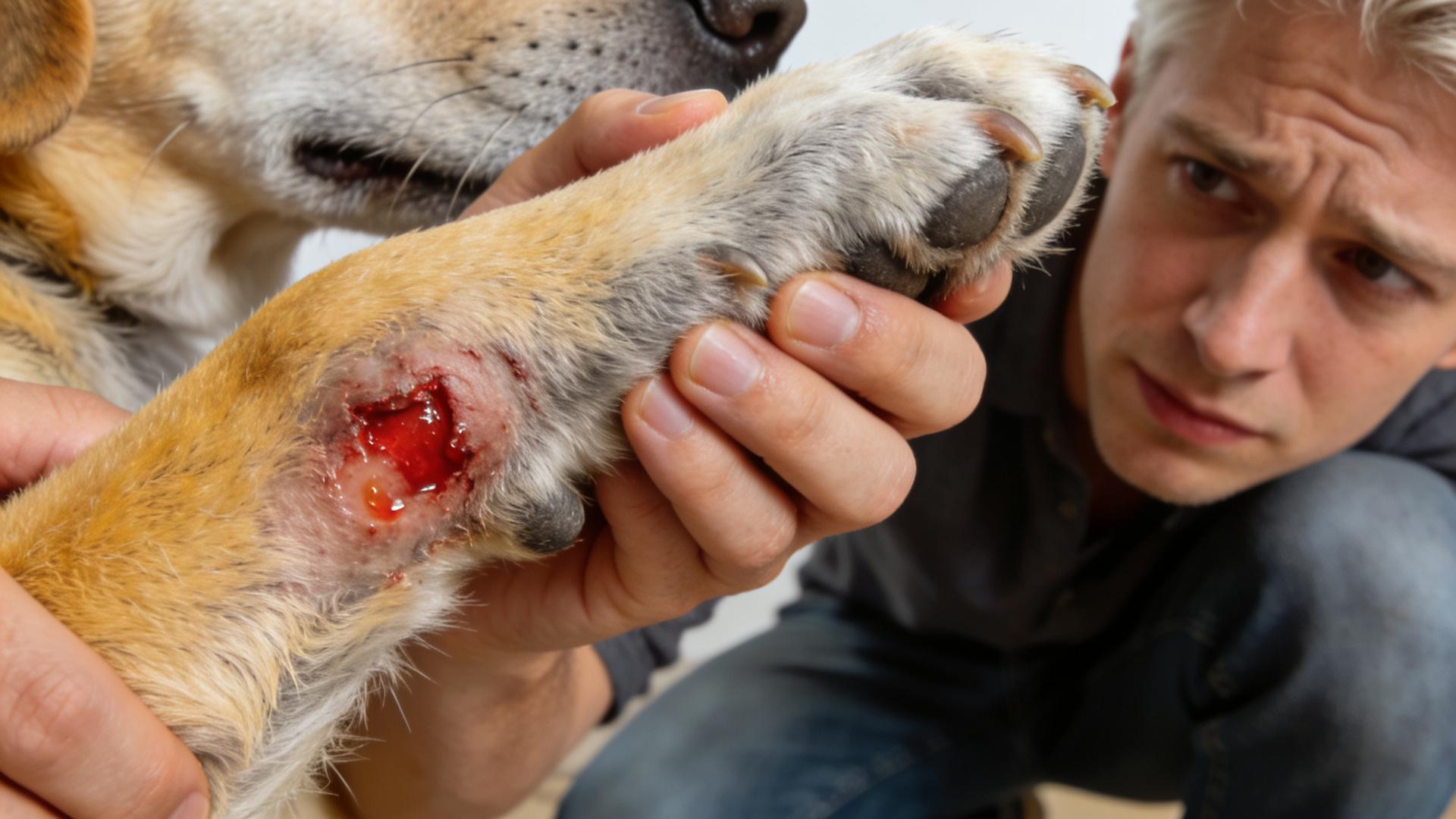
Excessive licking and self-harm: Is it a skin disease or obsessive-compulsive disorder?
Watching your dog lick its paw for the hundredth time today is more than just annoying. It's deeply concerning. That persistent, rhythmic licking or chewing on a leg, flank, or paw can fray the nerves of any loving pet owner. What begins as a seemingly innocent habit can escalate into raw, hairless patches, open sores, and significant self-harm. The central question haunts you: Is this a physical health problem causing them agony, or a psychological compulsion they cannot control? Understanding the root cause—be it a canine skin disease or obsessive-compulsive disorder in dogs—is the critical first step on the path to relief. This article will guide you through the evidence, helping you decipher your dog's signals and take the right action.