
You May Have Missed
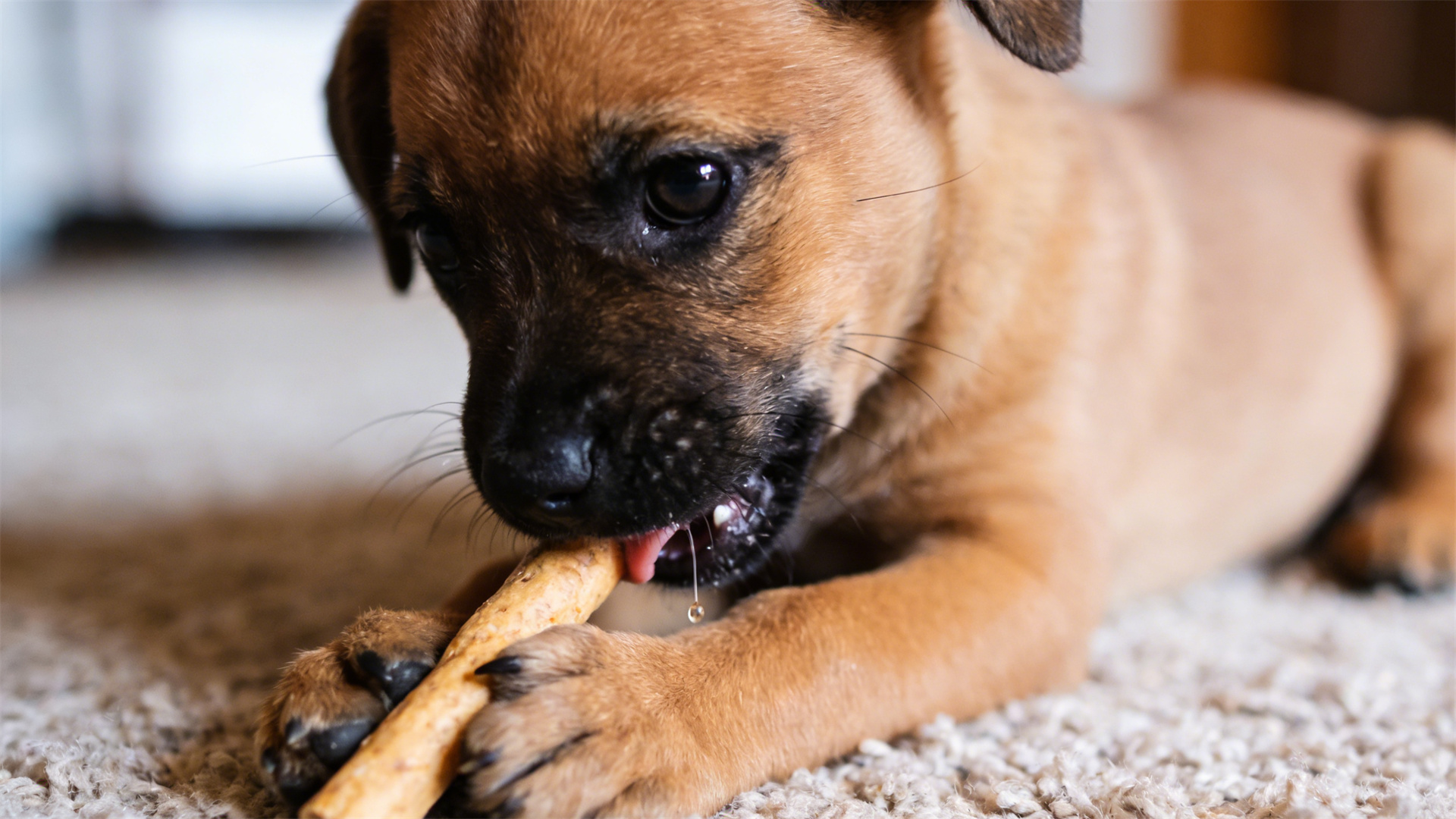
Functional Snack Review: Besides being good for teething, can they really be absorbed through the bloodstream?
If you're a dog owner, you know the drill. Your puppy is chewing everything in sight, or your adult dog's breath could clear a room. You reach for a dental chew. For years, these treats have been marketed and accepted for their mechanical benefits: scrubbing away tartar, massaging gums, and keeping a teething pup occupied. This is common knowledge. But walk down the pet aisle today, and you'll see a new generation of snacks. These aren't just "dental chews"; they're functional dog treats infused with probiotics, omega-3s, glucosamine, and even chlorophyll, promising benefits from calmer moods to healthier joints and improved gut health. This raises a compelling, less-understood question: Can these bioactive ingredients actually be absorbed through the bloodstream to deliver systemic health benefits, or is this just clever marketing wrapped in a chew? In this comprehensive review, we will investigate the science behind the mechanisms, separate proven facts from hopeful claims, and provide you with a clear-eyed evaluation of these popular products.
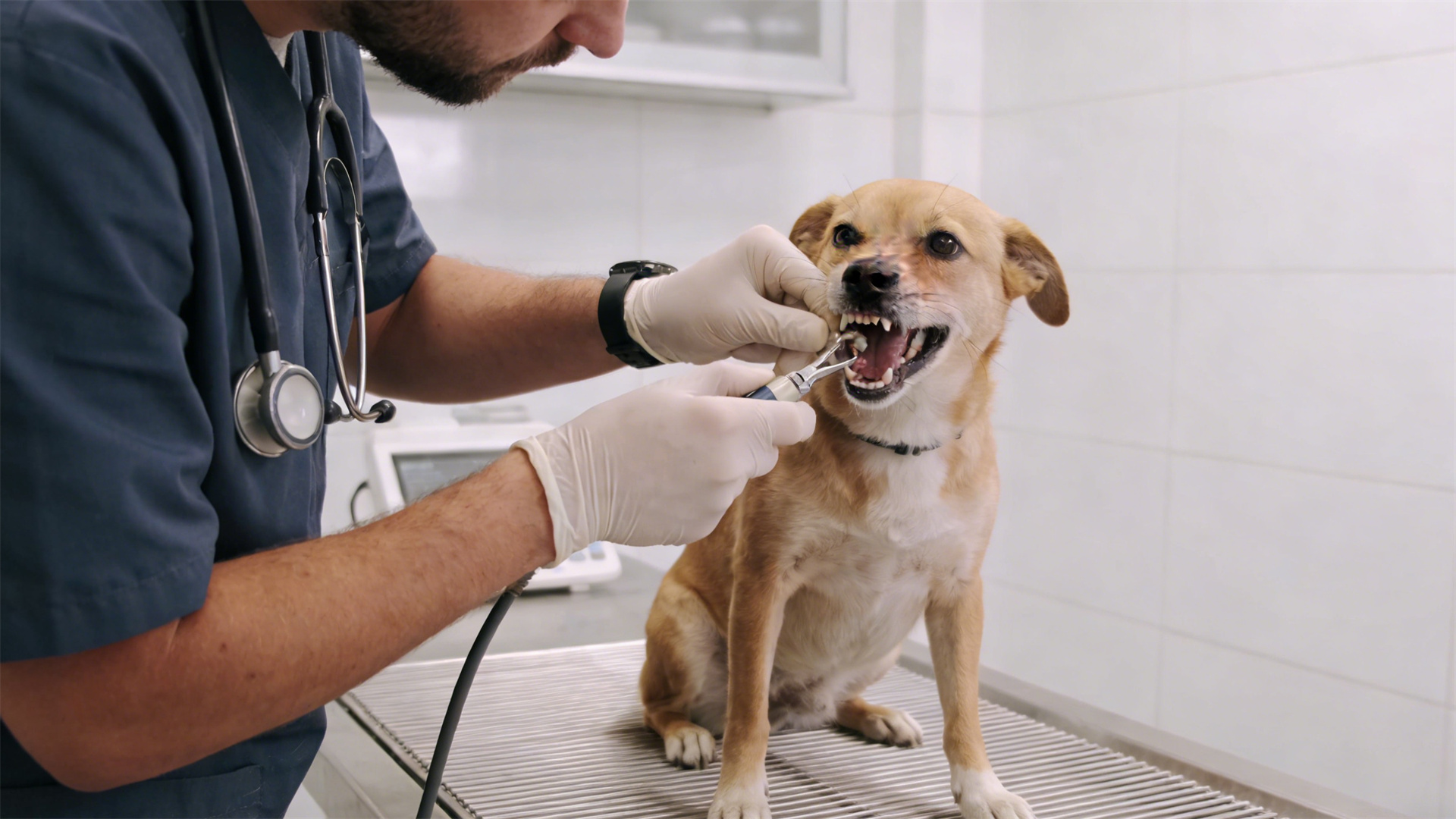
Oral health management
Let's be honest: does your dog's breath smell like a garbage truck on a hot day? 🚚💨 You're not alone. But here's the real question—are you dismissing that foul odor as just "dog breath," or are you recognizing it as the first red flag of a serious health issue? Oral health management for dogs isn't just about fresh kisses; it's a critical pillar of your pet's overall longevity and vitality. In this definitive guide, we'll walk you through everything, from daily dog dental hygiene routines to knowing when it's time for a professional veterinary dental care visit. Ready to transform your dog's dental health? Let's dive in!
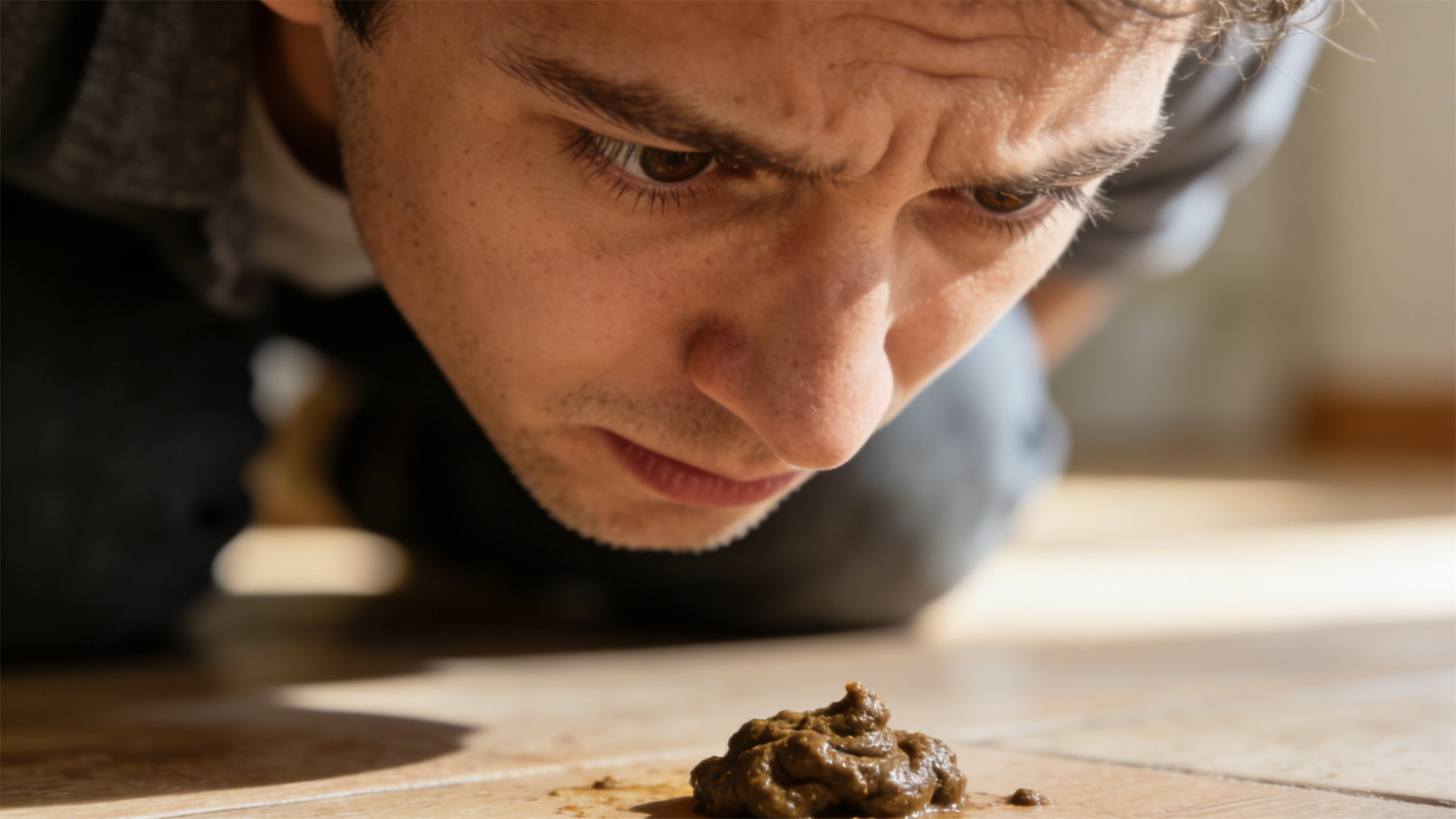
Diarrhea classification in dogs: When can I give them probiotics, and when is it necessary to seek veterinary care?
If you’re a dog owner, you’ve almost certainly faced the unpleasant sight and worrying scenario of your canine companion having a bout of diarrhea. It’s one of the most common health issues presented to veterinarians, yet it can range from a minor, self-limiting tummy grumble to a critical symptom of a life-threatening condition. The pivotal question in that anxious moment is: “Do I manage this at home, or is this a veterinary emergency?” The answer lies not in a one-size-fits-all approach, but in mastering the art of classification. By learning to accurately classify your dog's diarrhea, you become empowered to choose the correct path—whether that's supportive home care with probiotics or seeking immediate professional veterinary intervention. This guide will equip you with the knowledge to make that critical distinction.
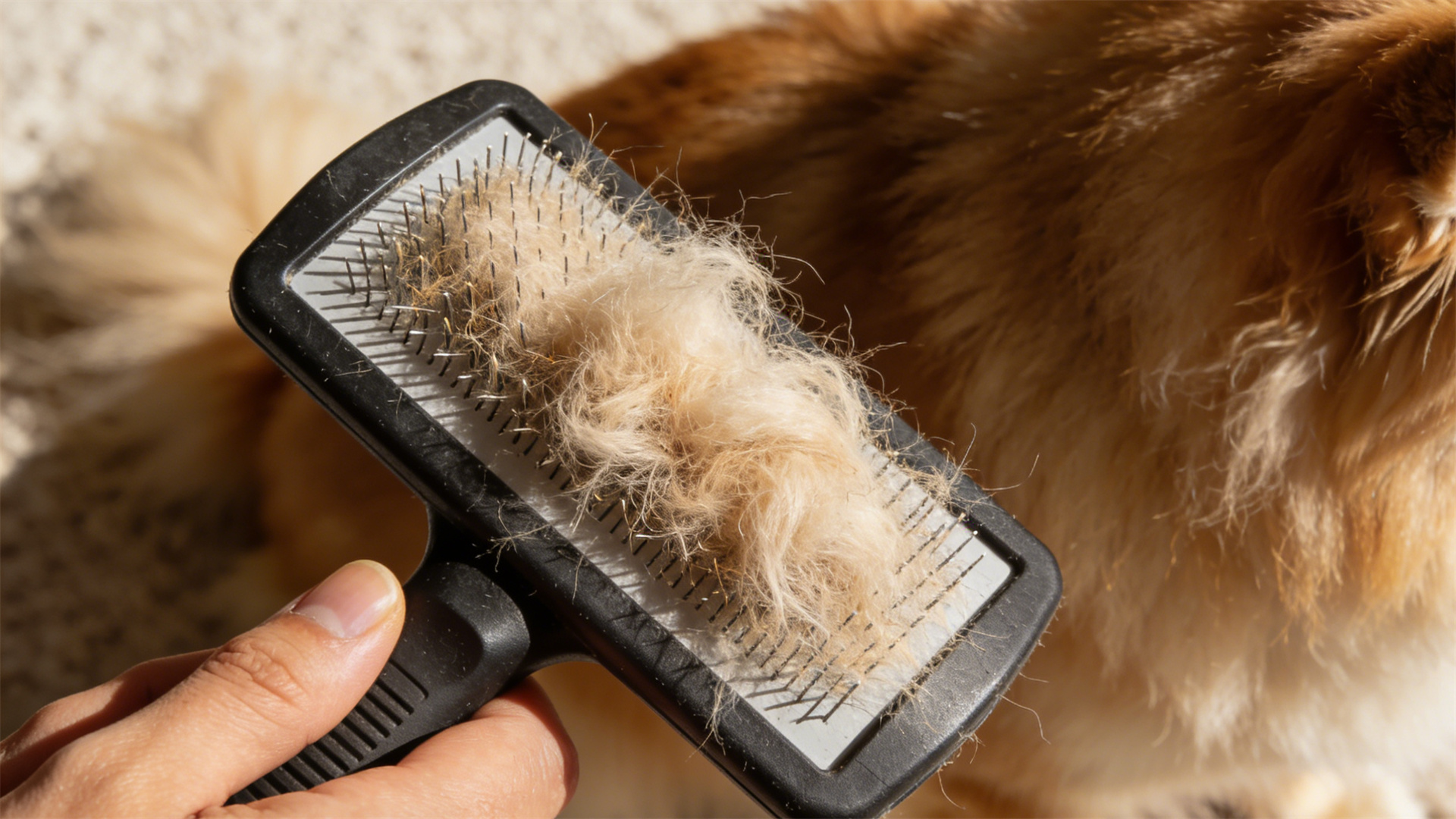
Eczema prevention in long-haired dogs: a solution for breathable skin beneath a thick undercoat
You brush your dog’s magnificent, flowing coat until it gleams in the sunlight. To the world, they are the picture of canine health and beauty. Yet, beneath that luxurious exterior, a silent struggle may be occurring. Your dog is itchy, restless, and constantly seeking relief on the corner of the rug. This is the hidden paradox for many owners of long-haired and double-coated breeds: a stunning coat masking distressed, inflamed skin. The culprit is rarely neglect, but rather a fundamental misunderstanding of what these breeds need. True eczema prevention in dogs like Golden Retrievers, German Shepherds, and Samoyeds does not stop at a tangle-free topcoat. It demands a dedicated strategy focused on one core principle: creating and maintaining breathable skin beneath that dense undercoat.

2026 Canine Nutrition Standards: The Golden Ratio of Protein, Fat, and Carbohydrates
Canine nutrition is undergoing a revolution. Gone are the days of one-size-fits-all kibble. As research accelerates, we're moving from simply feeding dogs to precision-nourishing them. The question for discerning dog owners and forward-thinking professionals is no longer just "what to feed," but what precise nutritional architecture will optimize health, longevity, and vitality in the years to come. Enter the forward-looking 2026 canine nutrition standards, centered on a refined, dynamic macronutrient balance known as the Golden Ratio. This isn't a fleeting trend; it's the scientific culmination of decades of research, pointing toward a future of personalized canine wellness.
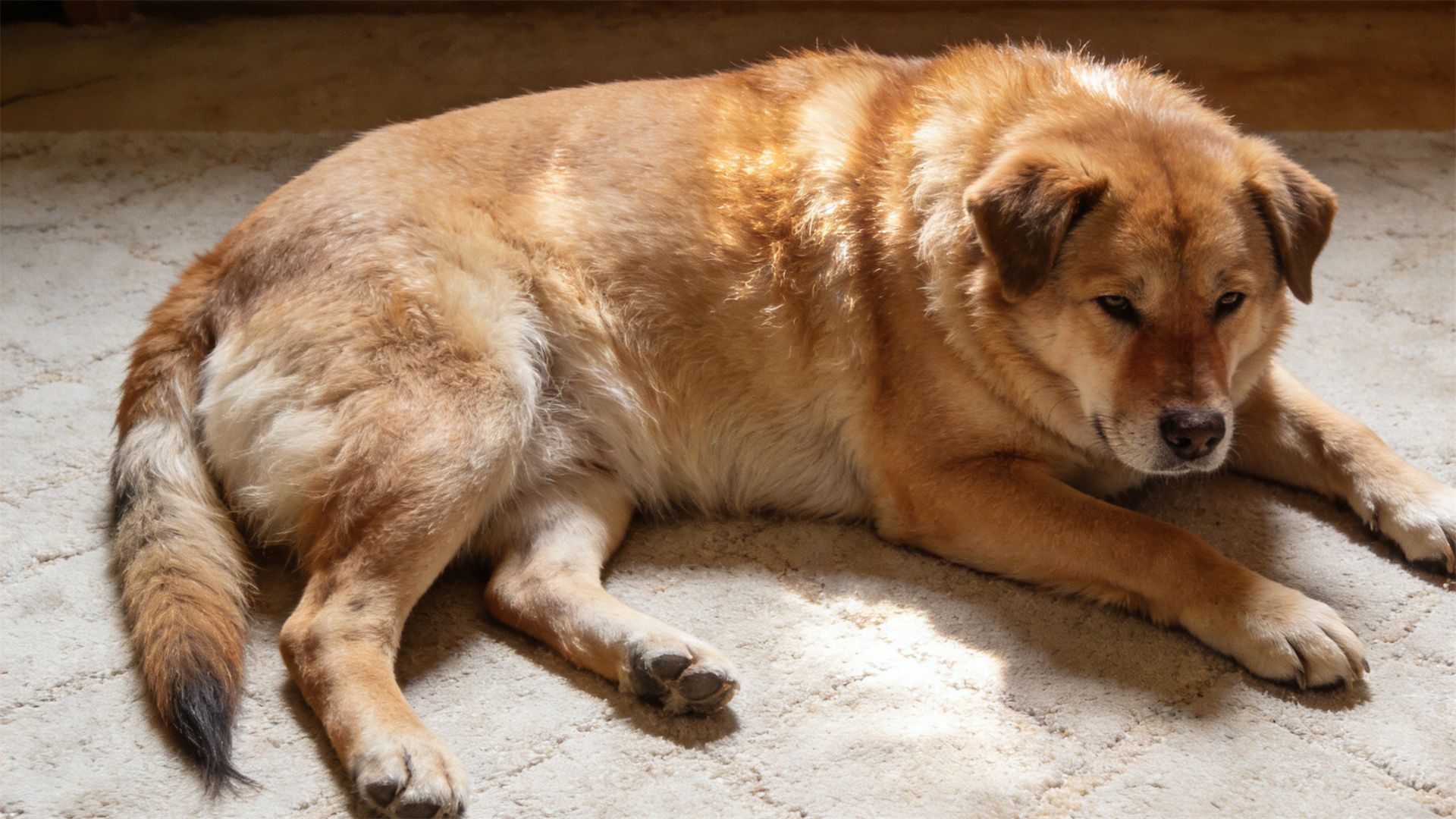
Canine hypothyroidism: Why is your dog getting fat even though it eats little?
Have you noticed your dog packing on pounds despite cutting back on treats and meals? You're not alone. Many dog owners struggle with unexplained weight gain in dogs, feeling frustrated and concerned. The culprit might be a hidden hormonal imbalance: canine hypothyroidism. This common endocrine disorder sneaks up, often mistaken for simple aging. This article will explore how a sluggish thyroid can cause your dog to gain weight while eating little, and guide you through understanding, diagnosing, and managing this condition. We will cover the definition of hypothyroidism, its symptoms beyond weight gain, causes, diagnosis process, treatment options, and daily management tips. Your journey to helping your dog feel like themselves again starts here.