
You May Have Missed
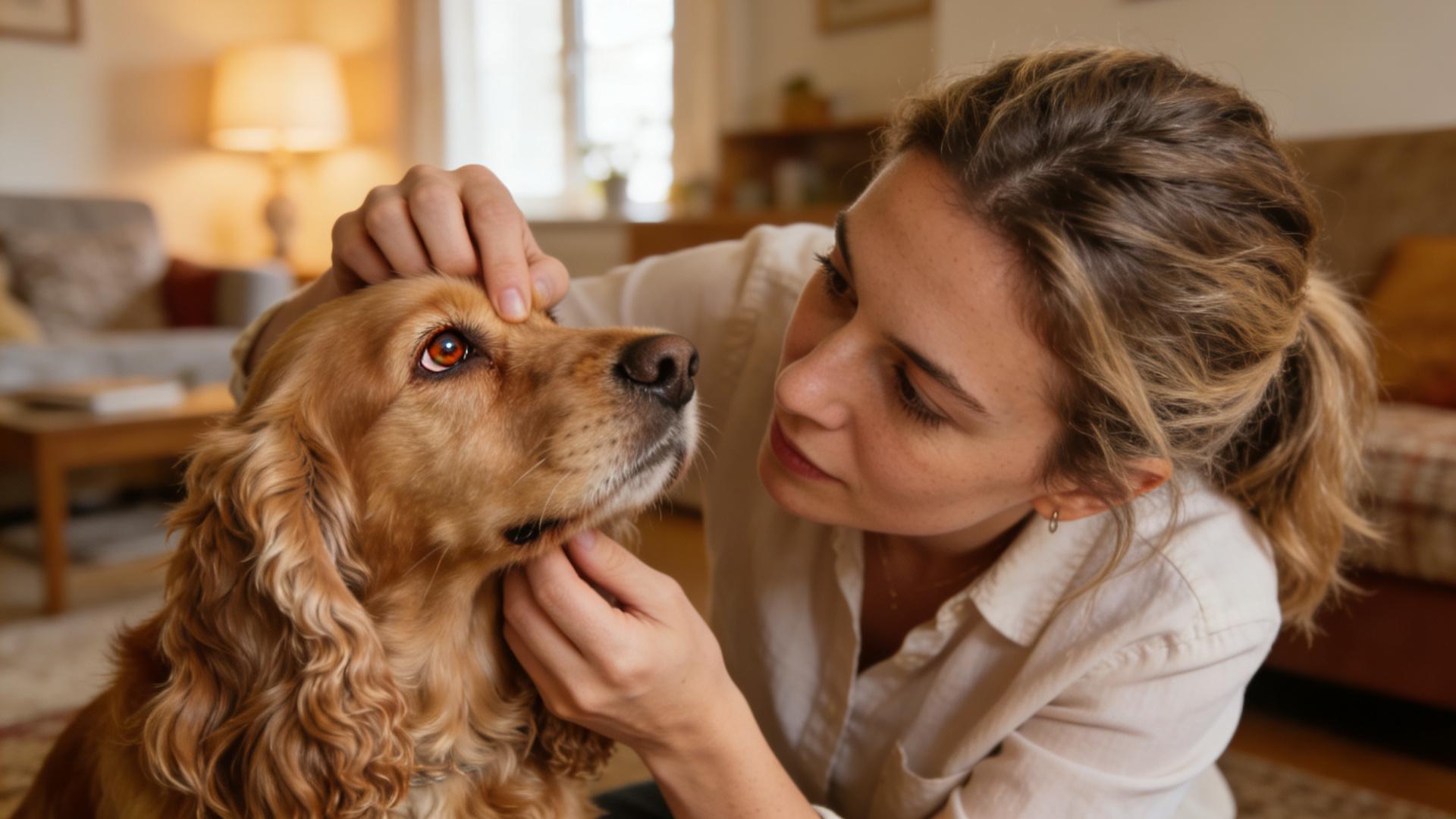
Daily care for dog's ingrown eyelashes: How to reduce eye strain and discharge
As a devoted dog owner, noticing your furry friend squinting or constantly dealing with goopy eyes can be deeply concerning. One common yet often misunderstood culprit behind such discomfort is ingrown eyelashes, a condition veterinarians call distichiasis. This occurs when eyelashes, known as cilia, grow from an abnormal spot on the eyelid margin and turn inward, brushing against the sensitive surface of the eye with every blink. Imagine the persistent irritation of a single grain of sand in your eye. Now, imagine that feeling is caused by your own eyelashes. That is the daily reality for dogs with this condition. This physical abrasion leads directly to eye strain, inflammation, and excessive eye discharge as the eye tries to protect and lubricate itself. It is crucial to understand from the outset that distichiasis is a medical condition requiring a definitive diagnosis from a veterinarian or a veterinary ophthalmologist. Daily care is a vital component of management, but it starts with professional confirmation.

Scientific diet
The relationship between a dog and its bowl is foundational. What we pour into it forms the very building blocks of their health, vitality, and longevity. In an age of endless marketing claims and fleeting food trends, a scientific diet for dogs stands apart. It is not a brand, a single ingredient list, or a fad. It is a methodology—a framework rooted in the objective study of canine biology, physiology, and nutritional health. This article dismantles the noise to provide you with an evidence-based guide. Our goal is to empower you to make informed, objective feeding choices that support your dog's lifelong well-being, from playful puppyhood to graceful senior years.

Long-term bed rest care for paralyzed/weak dogs: prevention of bedsores and cleaning up excrement.
Caring for a canine companion who requires long-term bed rest is one of the most profound expressions of the human-animal bond. Whether due to paralysis, degenerative conditions, surgery, or severe weakness, this journey transforms you into a dedicated nurse, advocate, and source of unwavering comfort. While the path is demanding, a structured, informed approach can prevent complications and ensure your dog’s quality of life remains as high as possible. Two of the most critical and intertwined challenges in this care are preventing painful pressure injuries and managing incontinence with dignity. This comprehensive guide delves into the meticulous, loving routine required to master both.
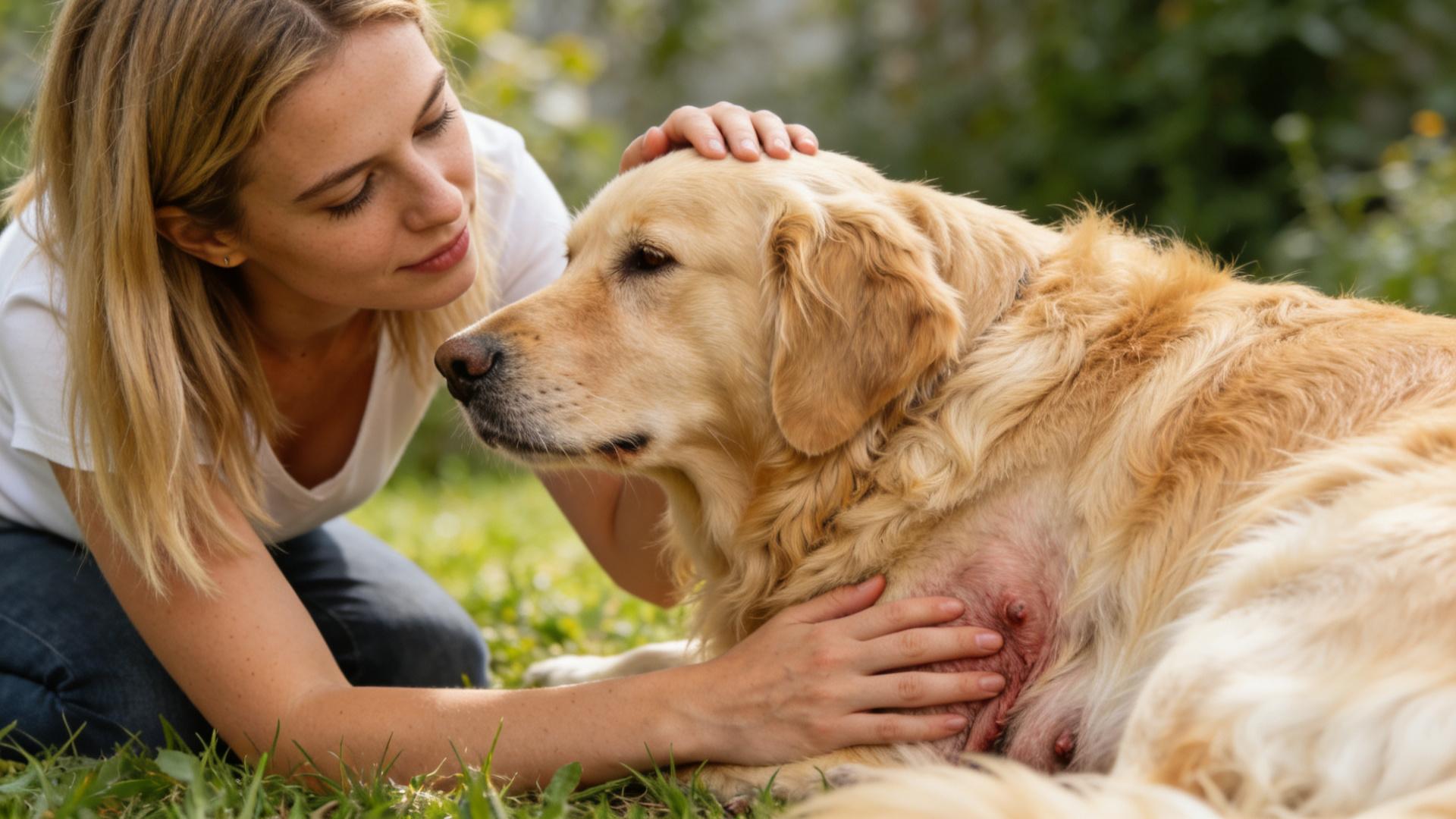
Care for female dogs in heat: Proper use of sanitary pads and local cleaning
Picture this: Your beloved furry companion, usually so neat, is suddenly leaving small droplets of blood on your favorite rug. She seems restless, is attracting every male dog in the neighborhood, and you’re left feeling a bit overwhelmed. Welcome to the canine heat cycle. For owners of female dogs, this is an inevitable phase that requires extra care and attention. The goal of this comprehensive guide is to transform that feeling of overwhelm into one of confidence. We will provide you with a detailed, step-by-step manual on hygiene management for your dog in heat, focusing on the proper use of sanitary pads and safe, effective local cleaning techniques. Let’s ensure this natural process is as comfortable and clean as possible for both you and your pup.

Muscle relaxation for working/sporting dogs: Home massage techniques and heat therapy skills
Your canine athlete thrives on action. Whether navigating an agility course, herding livestock, or accompanying you on long hikes, their powerful physique is their engine. But just like human athletes, working dogs and sporting dogs are susceptible to muscle fatigue, stiffness, and micro-injuries. Proactive muscle relaxation for working dogs isn't a luxury; it's a cornerstone of responsible performance care. This guide empowers you, the dedicated handler, with safe, effective home massage techniques for dogs and heat therapy skills for dogs to enhance recovery, prevent injury, and deepen your bond.
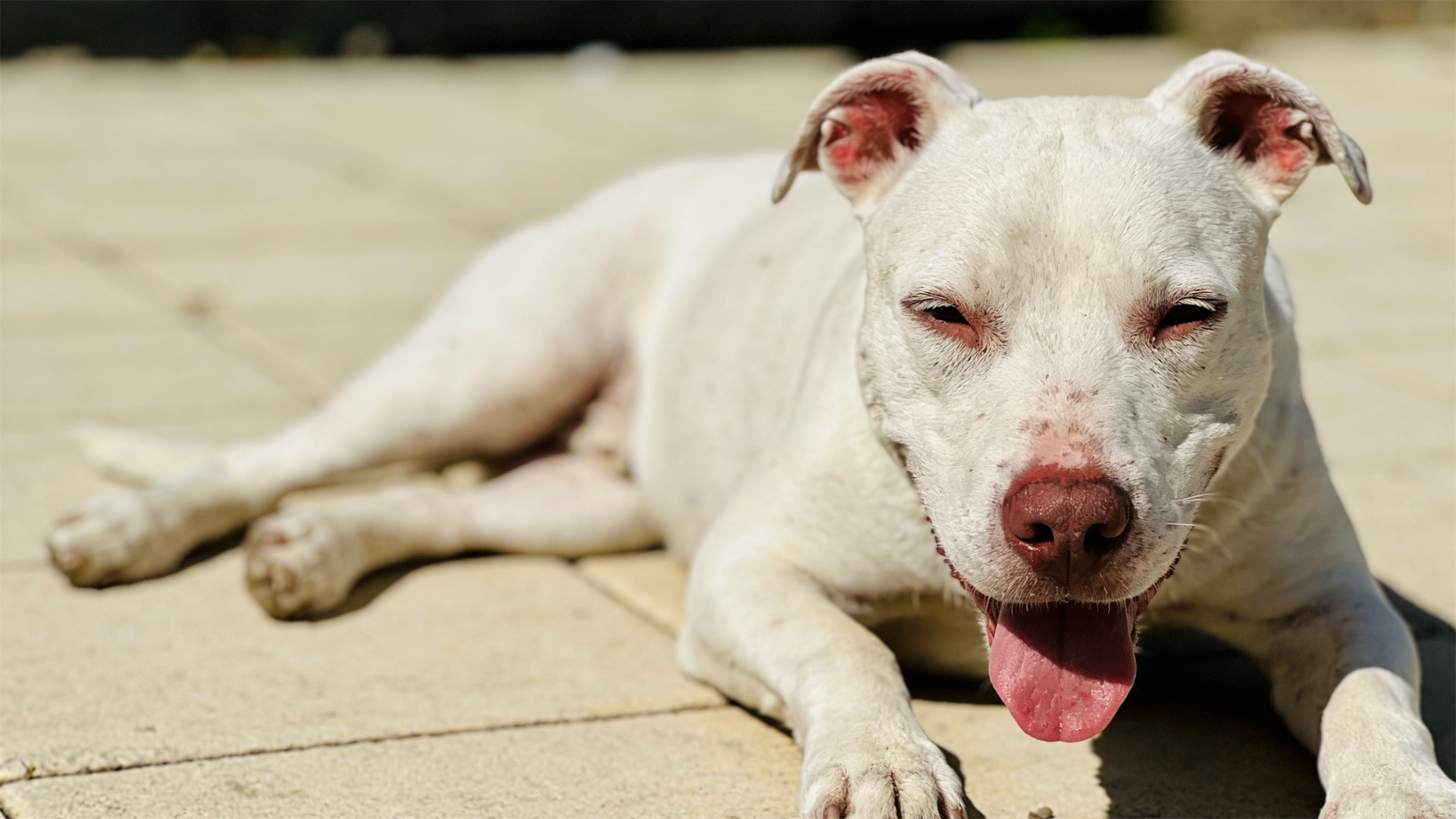
Summer cooling logic
The sun is high, the air is thick, and there lies your best friend: tongue lolling, sides heaving, a picture of pure summer exhaustion. Your first instinct might be to reach for the clippers or hose. But what if the most common "solutions" are working against your dog's natural design? This article cuts through the noise with clear, physiological logic. We will explain how dogs cool down, and from that foundation, build a complete, actionable strategy for summer dog cooling that truly works.