
You May Have Missed
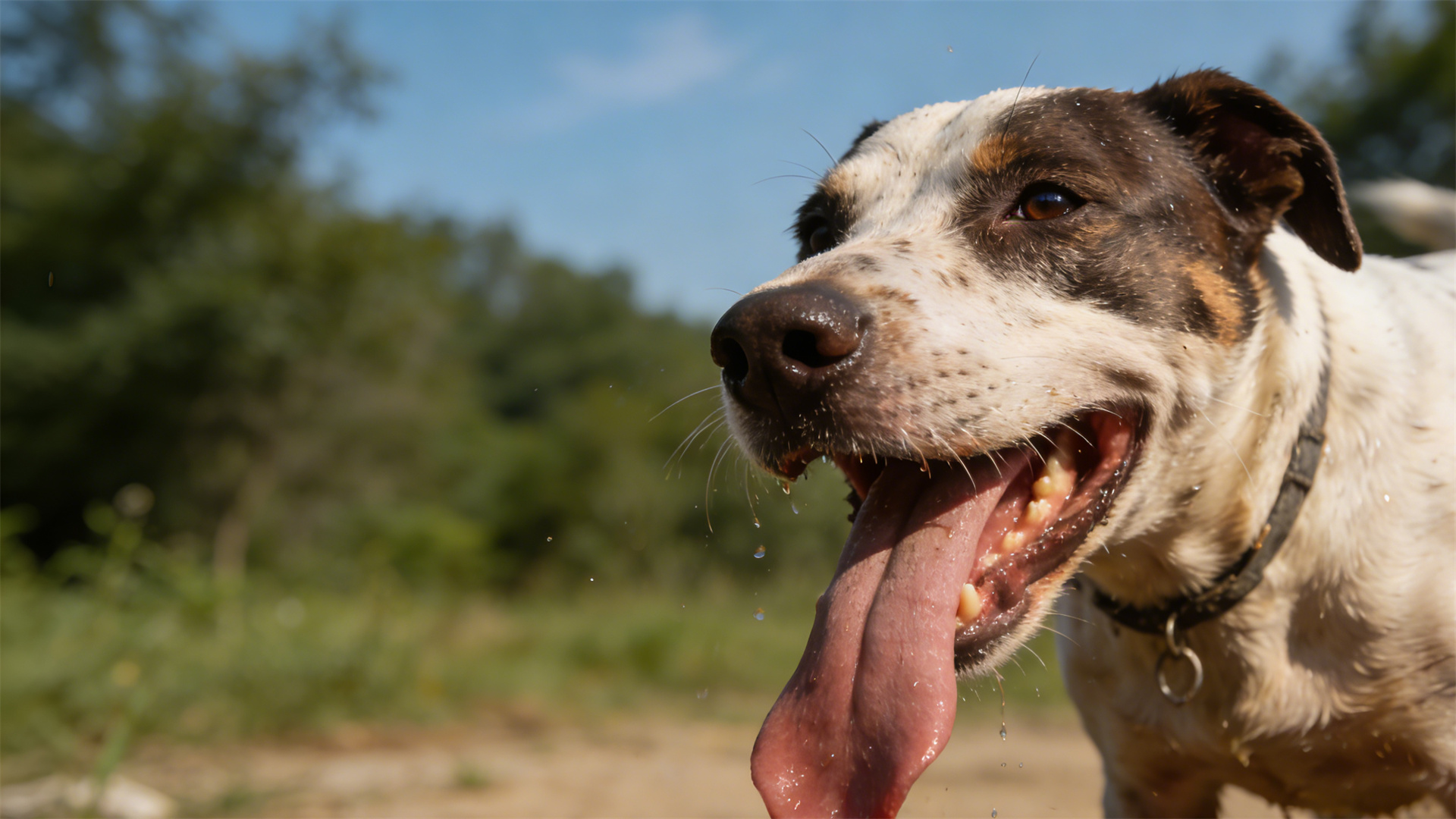
Extreme weather protection
As a devoted dog owner, you’re likely attuned to your furry friend's every whimper and tail wag. But when extreme weather strikes—be it blistering heat, bone-chilling cold, or violent storms—our canine companions rely entirely on us for their safety and well-being. Extreme weather protection for dogs isn't a luxury; it's a fundamental aspect of responsible pet ownership. This comprehensive guide merges essential veterinary knowledge with practical, actionable steps to equip you for anything Mother Nature throws your way. Whether you're a new puppy parent or a seasoned dog handler, understanding these health and safety principles is crucial for your pet's long-term vitality.
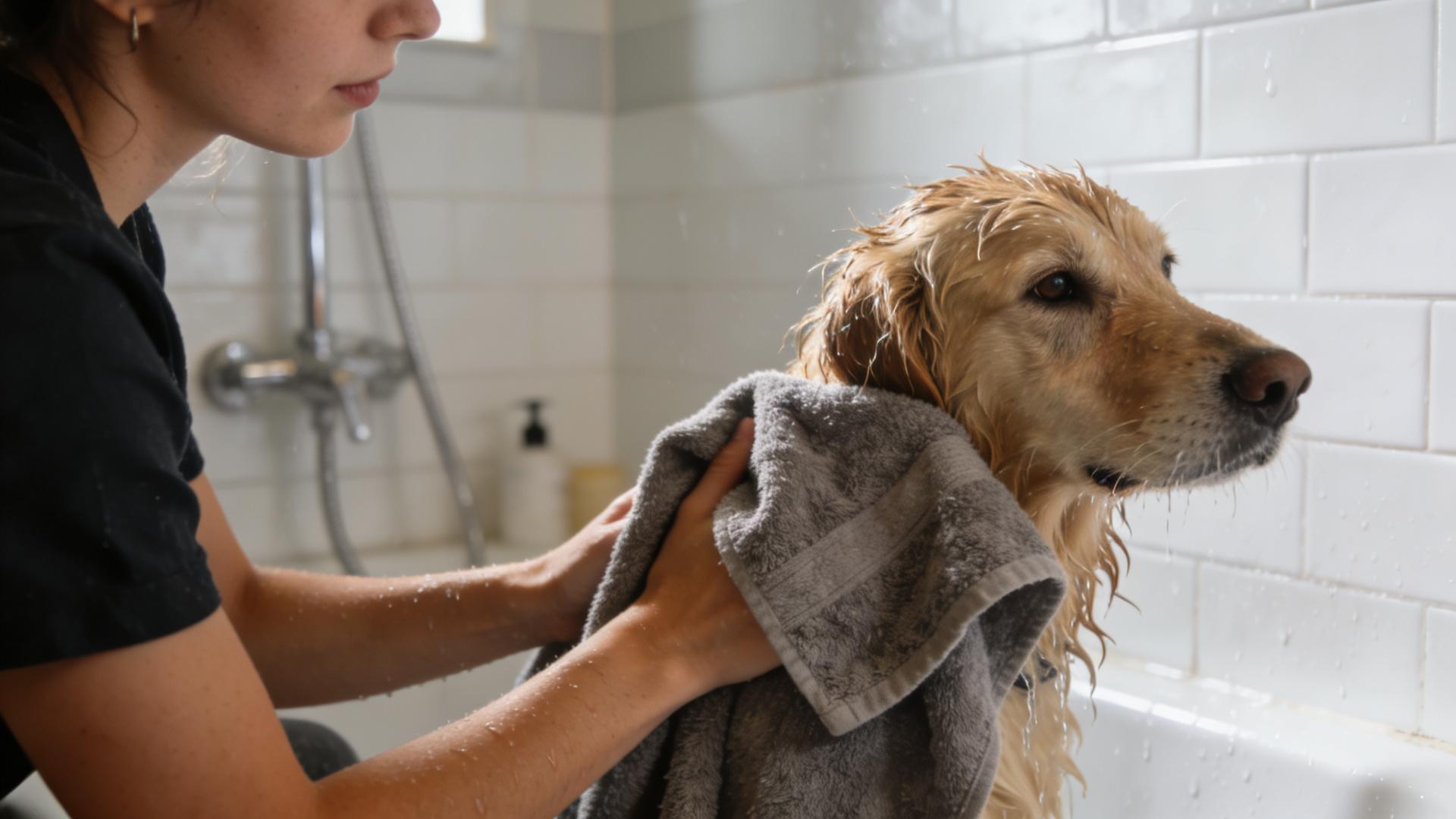
Dog-specific towel material review: Chamois cloth vs. microfiber – which is more absorbent?
You’ve just finished washing your beloved dog, and as you reach for a towel, you’re faced with a common dilemma. The regular bath towels you use are already soaked through after one pass over your Labrador’s thick coat, leaving them shivering and your bathroom looking like a splash zone. Every pet parent knows the struggle of effectively drying their furry friend. The secret weapon in this battle isn’t just any towel; it’s a towel engineered for the job. But with so many options shouting “super absorbent!” from store shelves and online listings, how do you choose? This article cuts through the wet confusion to answer one core question: In the head-to-head matchup of chamois cloth dog towel versus microfiber dog towel, which material truly reigns supreme in dog towel absorbency? Let’s wring out the facts.

Choosing a dog chew toy: The potential impact of its softness/hardness on gum health
Every dog owner knows the joy of handing their pup a new chew toy. That immediate, tail-wagging focus is pure bliss. But beyond mere entertainment, a chew toy serves a critical role in your dog's physical and mental well-being. It's not just a plaything; it's a key tool for oral hygiene, stress relief, and instinctual satisfaction. However, the wrong choice can silently undermine your dog's gum health, leading to discomfort or even serious dental issues. This raises a pivotal question for every responsible pet parent: How does the texture—the very softness or hardness—of a chew toy influence the delicate state of a dog's gums? Let's delve into the science and expert advice to find the optimal chew for a happy, healthy smile.
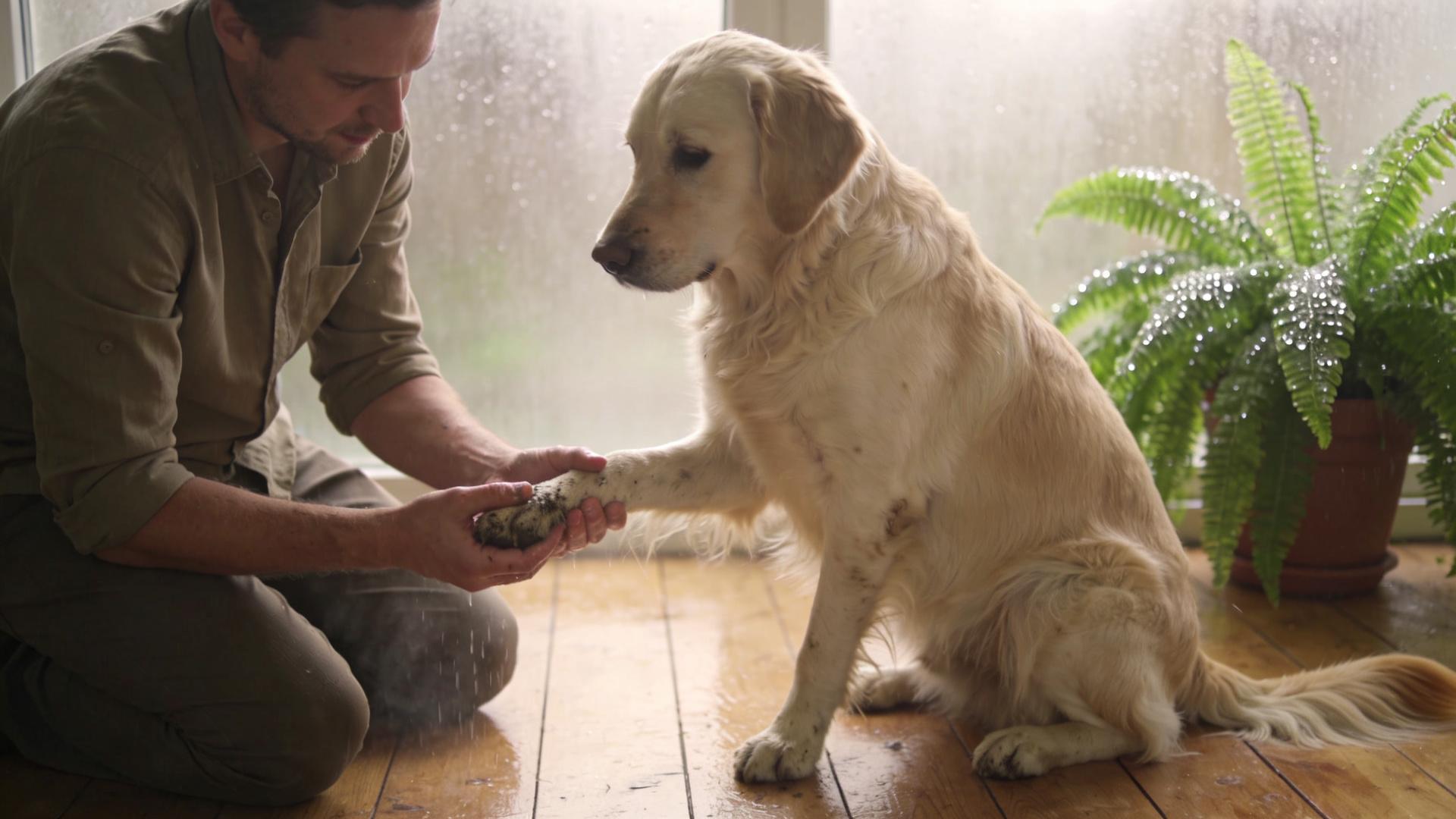
Nail care in humid environments: daily maintenance to prevent paronychia.
If you live in a tropical, coastal, or simply muggy area, you're no stranger to the dampness that hangs in the air. While you might find it uncomfortable, for your dog, this persistent humidity can pose a serious, hidden threat to their paw health: paronychia. This painful nail bed infection is more than just a minor irritation; it's a condition where bacteria or fungi invade the sensitive skin around the claw, leading to swelling, redness, and significant discomfort for your furry friend. Humidity acts as an incubator, creating the perfect warm, moist environment for these pathogens to thrive. This article is your comprehensive, step-by-step manual on preventing paronychia in dogs through diligent, daily maintenance, ensuring your dog's paws stay healthy and happy, no matter the weather.
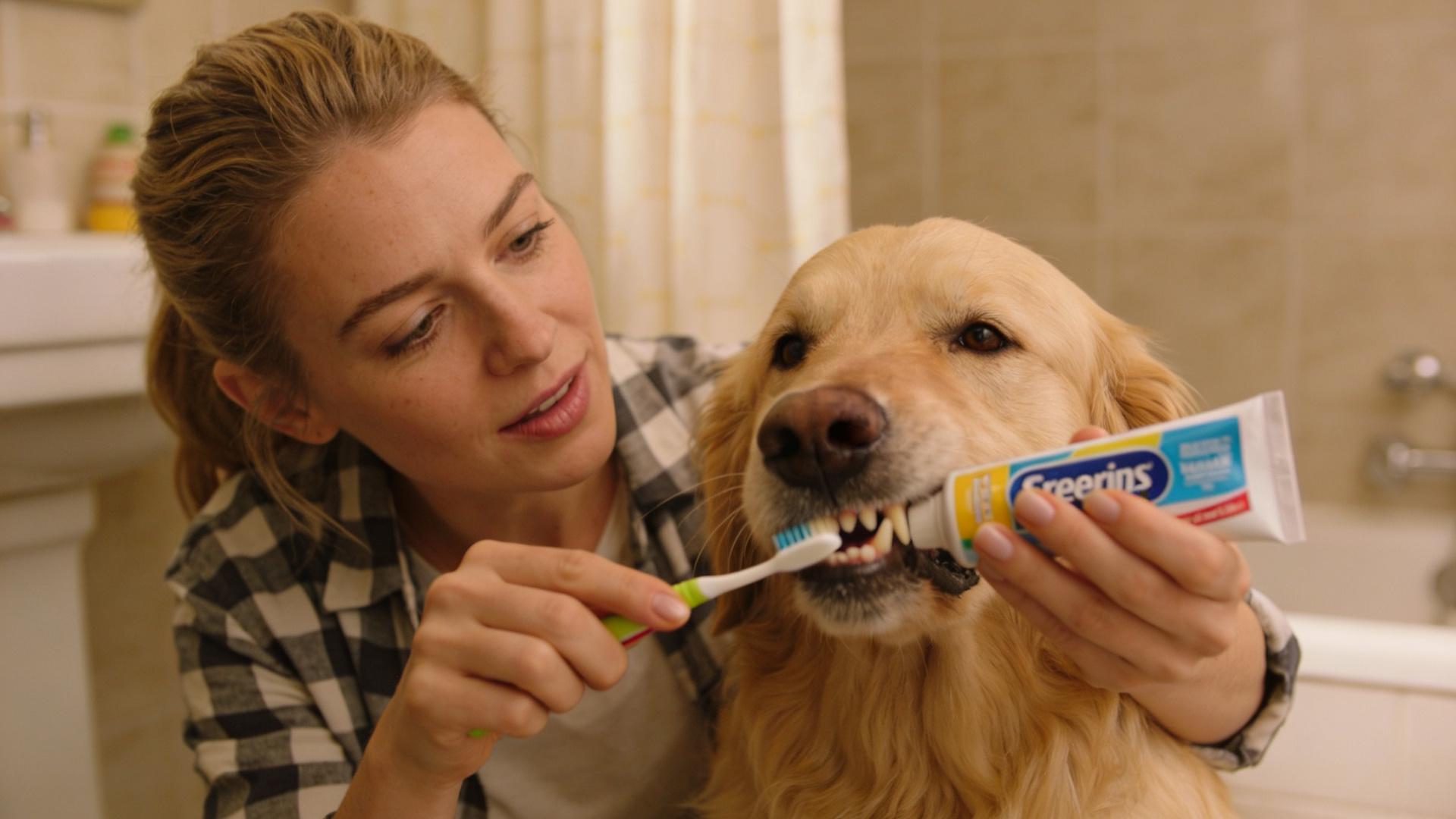
Toothpaste buying taboos: Why should human toothpaste never be used on dogs?
Let’s be unequivocally clear from the start: reaching for your own tube of minty-fresh paste to brush your dog’s teeth is not a harmless shortcut—it is a potentially lethal gamble. As a specialist in canine care and health communication, I encounter this well-intentioned mistake far too often. The core premise is non-negotiable: human toothpaste is formulated for humans, and its use on dogs is categorically dangerous. This article will dismantle the myth of interchangeability and arm you with the knowledge to protect your health from a hidden threat lurking in your bathroom cabinet.

"Warmth and Cleanliness" for Newborn Puppies: Simulated Care When the Mother is Away
For newborn puppies, the mother is their entire world. She provides nourishment, essential warmth, and meticulous cleanliness through her constant care. Her presence is the cornerstone of their survival in those critical first weeks. When she is absent due to illness, rejection, or unforeseen circumstances, the roles of providing warmth and maintaining cleanliness fall entirely to you, the caregiver. This responsibility is daunting but profoundly rewarding. This guide aims to be your compassionate companion, offering detailed, step-by-step simulated care methods to ensure the health and survival of orphaned or mother-assisted puppies. We will navigate this journey together, focusing on the two most critical pillars of neonatal care: thermal support and hygienic practice.