
You May Have Missed
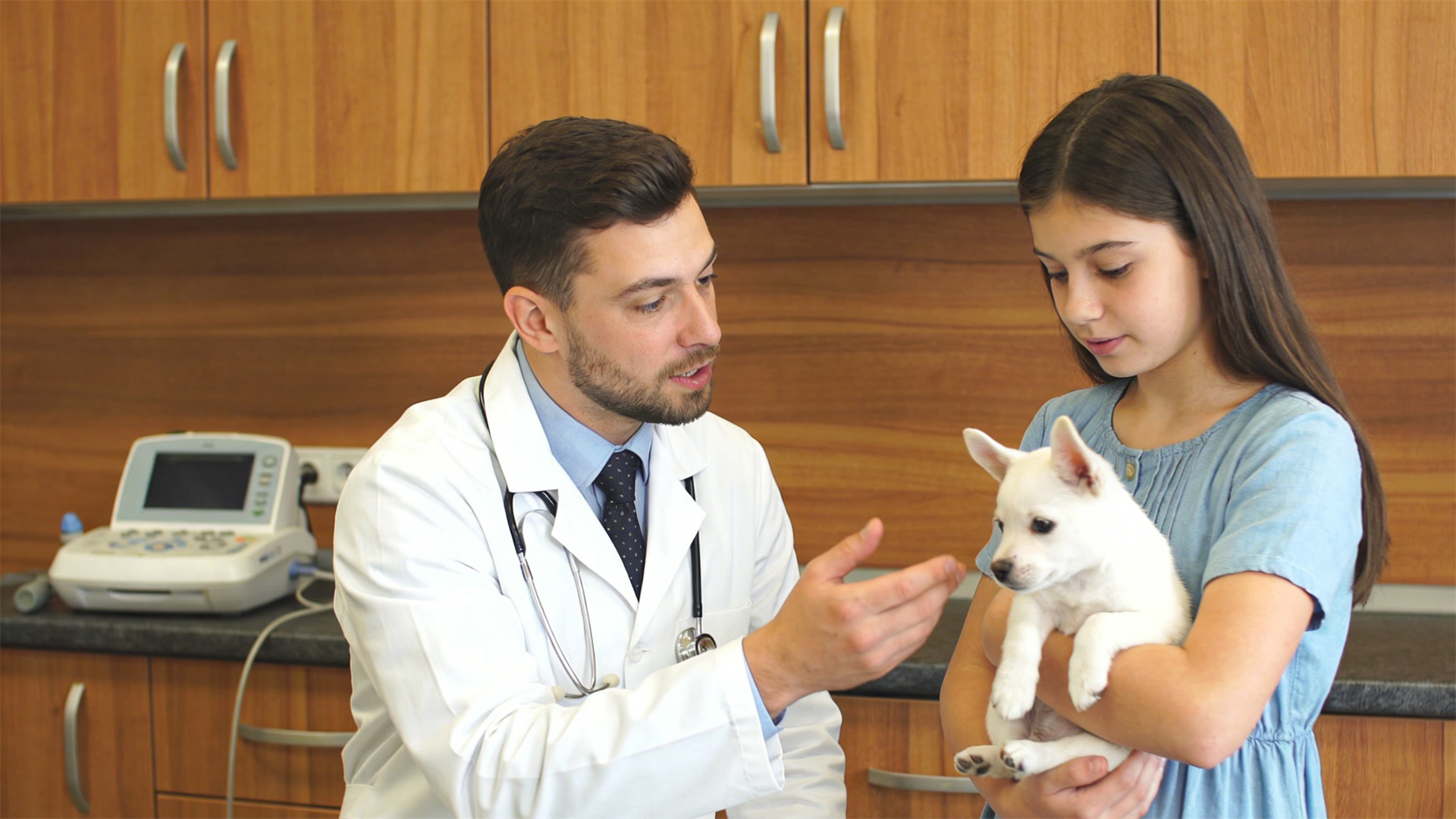
2026: The Golden Age for Puppy Socialization – Community Puppy Classes Become the First Lesson in Pet Ownership
Imagine it is 2026. A vibrant Saturday morning in your local community center. Instead of the usual quiet, the air is filled with the joyful, chaotic symphony of playful yips and wagging tails. A circle of new puppy owners, from millennials to retirees, watch with proud smiles as their furry companions navigate a mini-obstacle course. A certified trainer gently guides a shy Labrador puppy to greet a confident Dachshund. This is not a rare occurrence. This is the new normal. Welcome to the golden age for puppy socialization. In this emerging future, enrolling in community puppy classes has become as fundamental as a first veterinary visit. It is, unequivocally, the first lesson in pet ownership. This article explores this transformative shift. It is a guide for new puppy parents seeking a roadmap. It is an insight for trainers and veterinarians adapting to new trends. It is a blueprint for community leaders ready to foster stronger, more compassionate neighborhoods.

"ChatGPT" for Dogs: An AI Training Assistant Developed Based on Behavioral Science
Picture this: You’re on a walk, the sun is shining, and your dog spots a squirrel. In an instant, your peaceful stroll turns into a chaotic tug-of-war. You’ve read the blogs, watched the videos, and you know you should be consistently training loose-leash walking. But between work, family, and life’s demands, those structured training sessions often fall by the wayside. You’re not alone. This gap between knowing what to do and executing it consistently is the single biggest hurdle in modern dog training.

Here's a curated selection of dog emojis to bring you daily doses of cuteness.
🐾 Scrolling through dog memes every day has become a "spiritual vitamin" for countless netizens. Those captured moments of hilarity—the head tilts, the eye-rolls, the "airplane ears," and the "innocent faces" dogs make after being caught red-handed—never fail to make people laugh out loud. Are you ready to receive your daily dose of cuteness?

2026 Canine Oral Care Survey: Over 80% of Pet Owners Are Starting to Pay Attention to Teeth Cleaning
A quiet revolution is happening in our homes, and it starts with a canine smile. According to the groundbreaking 2026 Canine Oral Care Survey, over 80% of pet owners now report that they are actively focusing on their dog's teeth cleaning. This staggering statistic is more than just a number. it signals a profound shift in how we care for our furry family members. Gone are the days when a dog's dental health was an afterthought. Today, it's a cornerstone of proactive pet wellness, driven by increased education and the powerful bond we share with our pets. This article delves deep into the survey's findings, unpacking what this rising tide of awareness means for the present and future of pet dental health.

15 Most Cat-Friendly Dog Breeds That Make The Best Cat Companion
Bringing a dog into a home with a cat — or vice versa — can be tricky. Some dog breeds have a strong prey drive and may never be safe around felines. However, many breeds are naturally gentle, patient, and even affectionate toward cats. Below are 15 dog breeds known for their cat‑friendly dispositions. With proper introductions, these dogs can become your cat’s best friend.

2026 Dachshund Health Screening: How to Prevent Spinal Problems Through Exercise
For every proud Dachshund owner, the iconic long back and spirited personality are sources of endless joy. Yet, that very silhouette carries a hidden vulnerability. By 2026, canine healthcare is advancing rapidly, shifting from reactive treatment to predictive and preventative health. For Dachshunds, this means the power to safeguard their spines is increasingly in our hands. Spinal problems, particularly Intervertebral Disc Disease (IVDD), are not an inevitable fate but a manageable risk. This comprehensive guide merges the latest 2026 health screening protocols with scientifically-backed exercise regimens, empowering you to build a resilient, vibrant life for your long-backed companion. The time for proactive care is now.