
You May Have Missed
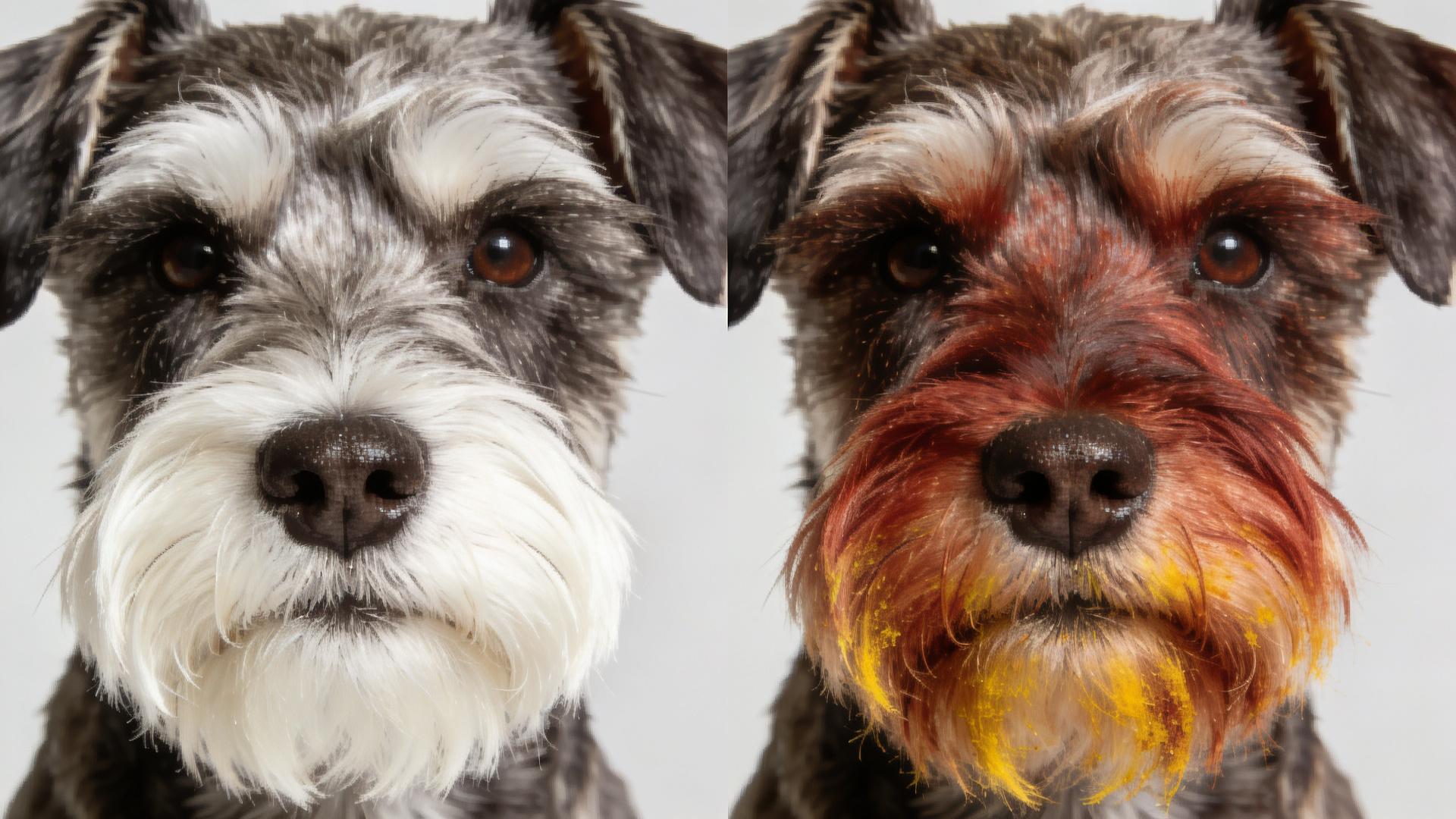
Beard and facial grooming: Preventing Schnauzers and other breeds from developing "yellow beards".
That bright, snowy-white beard is a point of pride for many Schnauzer owners. But all too often, that signature look is marred by unsightly reddish-brown or yellow stains, turning a dapper gentleman into a messy eater. This common frustration, known as "yellow beard" or facial staining, affects many bearded breeds and can feel like a losing battle. More than just a Grooming issue, a stained beard can harbor bacteria and yeast, leading to unpleasant odors and potential skin irritation. But don't despair! With the right knowledge and a consistent routine, you can keep your dog's facial hair clean, white, and healthy. This comprehensive guide will arm you with the science, strategies, and best practices for dog beard care to win the war against stains.
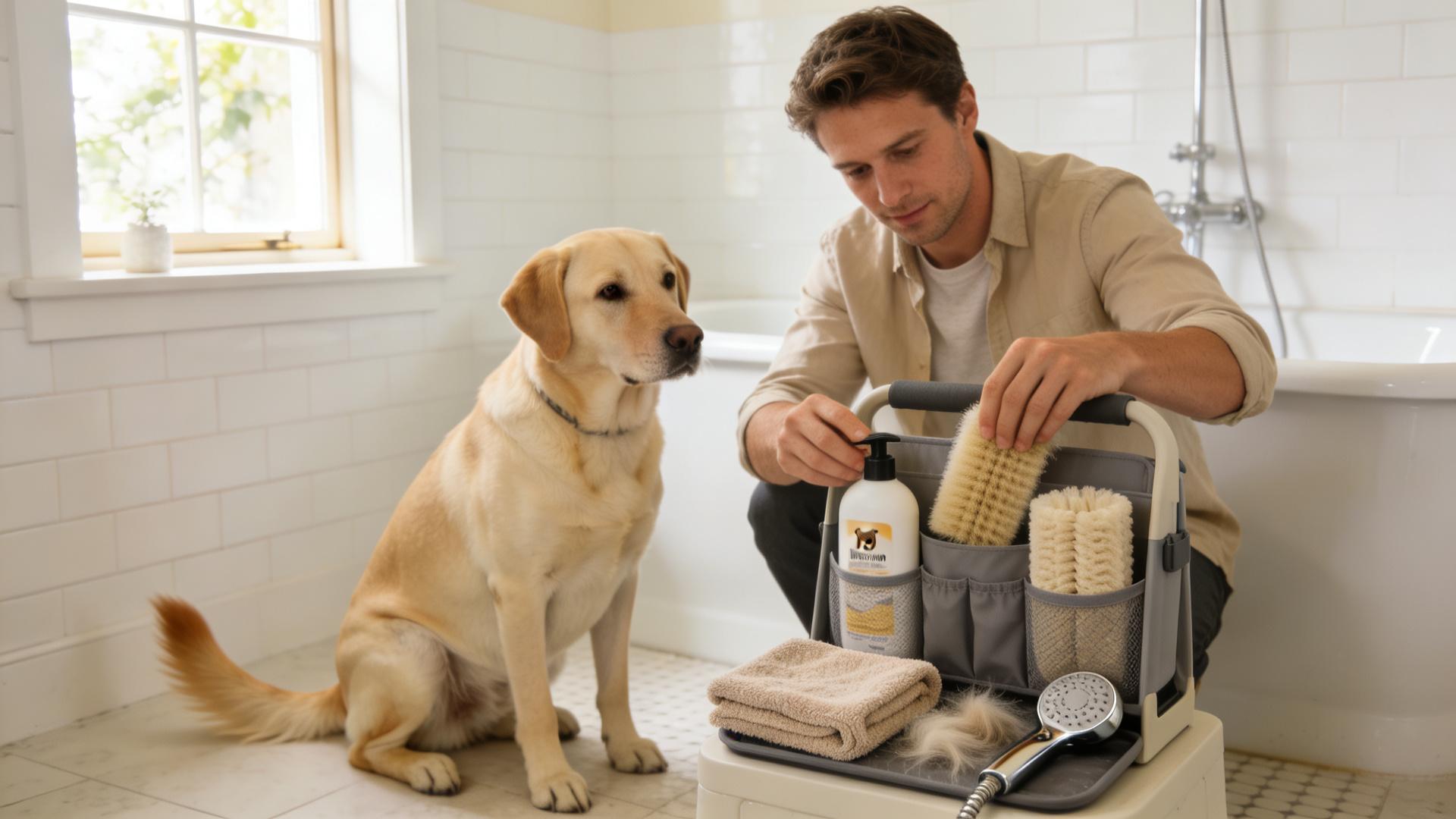
No more need for help with dog washing at home: 5 steps to turn your bathroom into a professional pet grooming studio
Tired of the chaotic, soggy struggle of bathing your dog. Wrestling with a wet, slippery pup in a cramped tub is a chore for both of you. But what if you could transform that ordinary bathroom into a serene, efficient, and professional pet grooming at home studio. Imagine achieving a salon-quality wash and dry in the comfort of your own home, saving money and reducing stress for your canine companion. It's not a fantasy. With these five strategic steps, you can create the perfect environment for a successful, mess-controlled, and even enjoyable dog washing at home experience. Say goodbye to needing an extra pair of hands and hello to your new role as your dog's personal groomer.
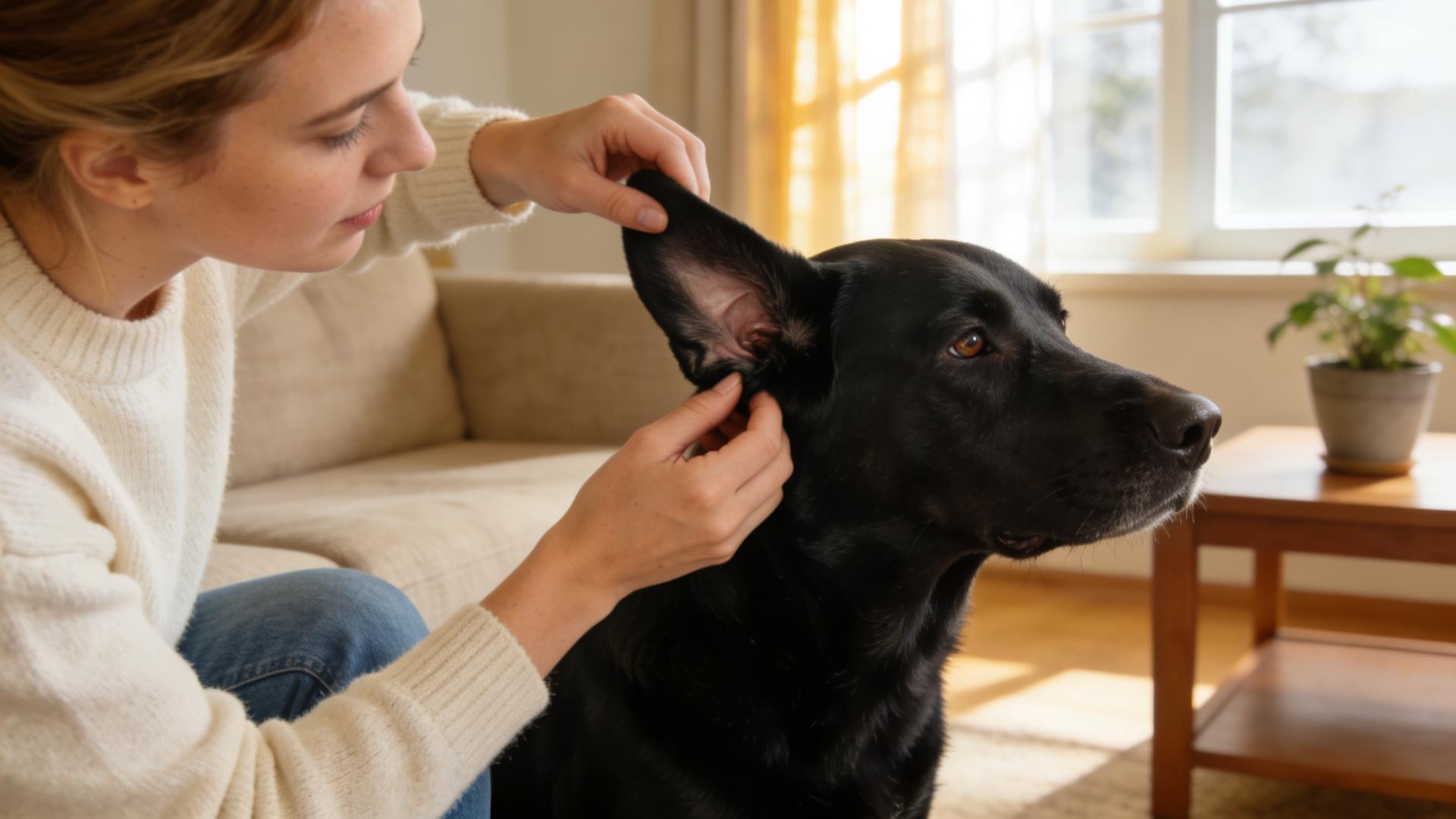
Diagnosing ear odor in dogs: Preliminary assessment of ear disease type based on color and smell
That familiar head shake. The persistent scratching. And then, you catch a whiff of something unpleasant from your dog's ears. Ear odor in dogs is never normal and is one of the most telling signs that something is amiss. For a concerned dog owner, this smell can be worrying, but it is also a crucial clue. While a definitive diagnosis always requires a veterinarian, you can learn to interpret these preliminary signs. This guide will empower you to make informed observations about dog ear discharge color and dog ear infection smell, helping you understand the potential ear disease type based on color and smell before your vet visit. Remember, this is a preliminary assessment of ear disease, not a replacement for professional care.
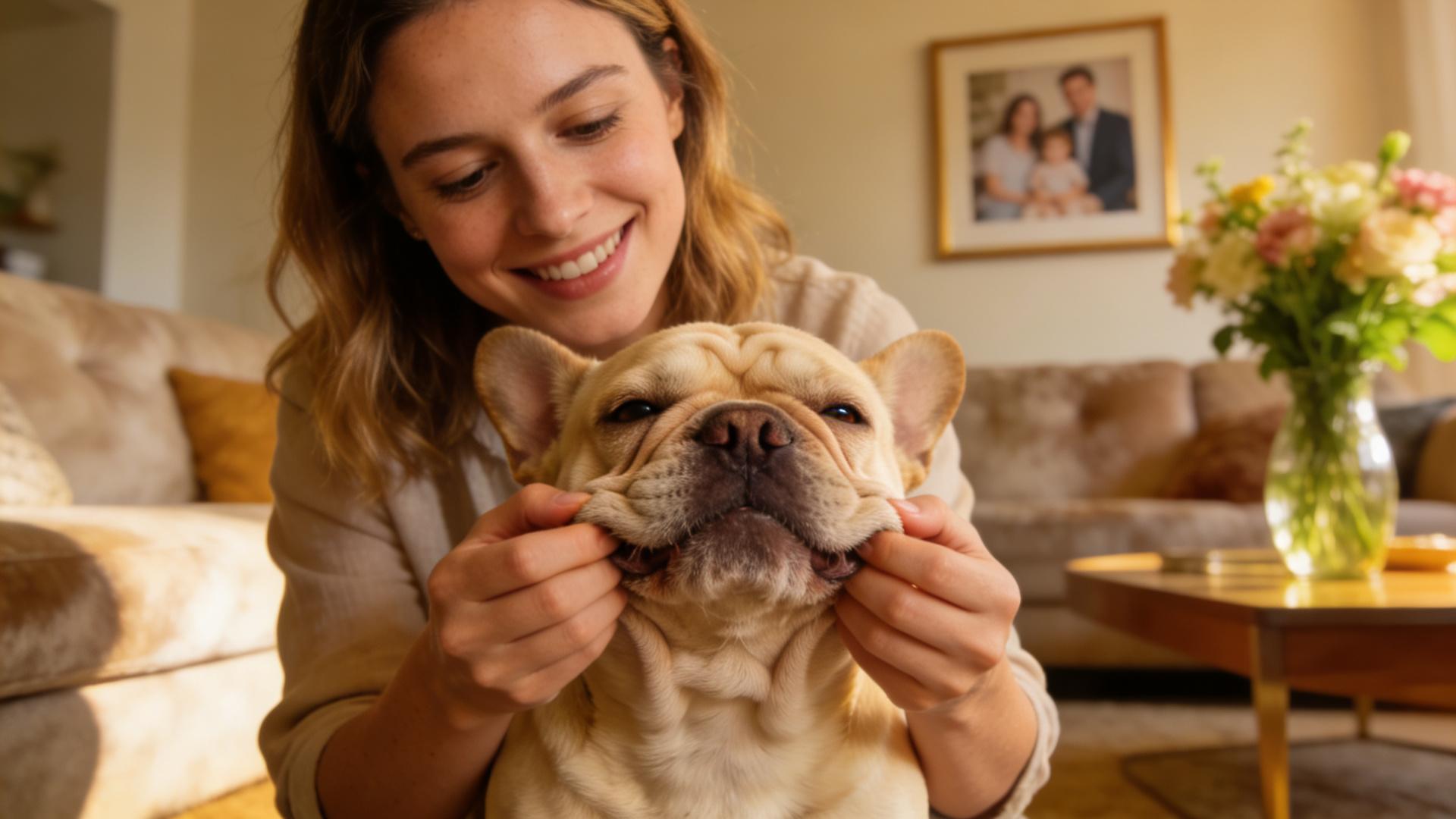
Canine lip fold inflammation care: Cleaning the crevices of brachynose and breeds with large lip folds
For owners of squish-faced companions and dogs with expressive, droopy lips, that adorable face comes with a unique grooming responsibility. The very folds that give breeds like Bulldogs and Spaniels their charming expressions can become a hub for hidden problems. Canine lip fold inflammation, clinically known as lip fold pyoderma or intertrigo, is a common but often overlooked condition. When moisture, food, saliva, and bacteria become trapped in these deep skin crevices, it creates a perfect storm for irritation, infection, and discomfort. Proactive and informed care is not just an aesthetic choice—it's a crucial component of your dog's overall health and wellbeing. This comprehensive guide will walk you through understanding, treating, and preventing this condition, ensuring your furry friend stays happy and comfortable.
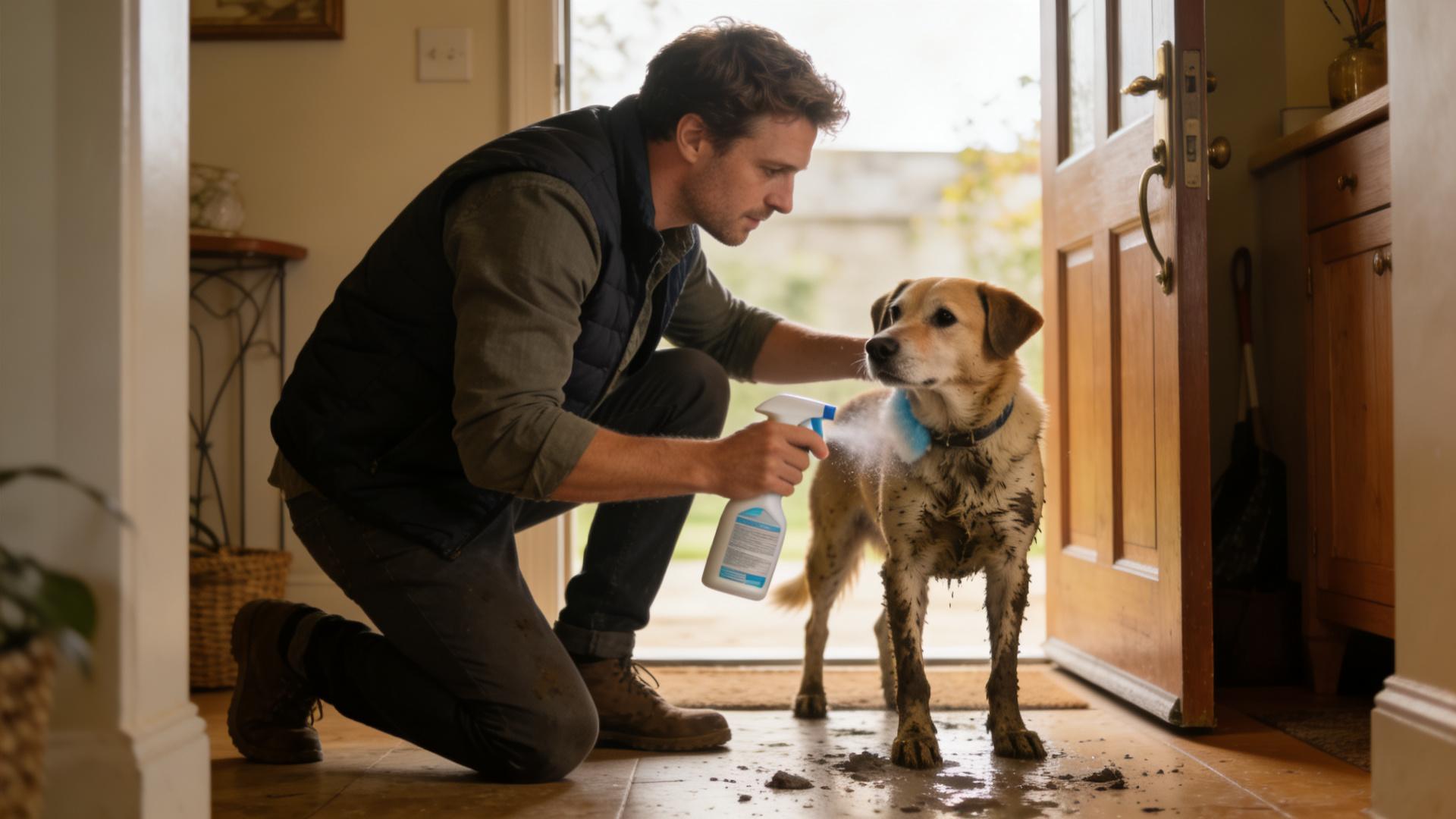
Dry cleaning powder vs. foam cleaning: emergency solutions for situations where water washing is not advisable.
Every dog owner knows the scene: your freshly groomed pup bolts into the rain-soaked garden, emerging not with a joyful grin, but coated in a thick layer of mud. The instinct is to rush for the hose and shampoo. But what about when a traditional water bath is impossible, impractical, or even harmful? Scenarios like post-surgical recovery, sub-zero winter weather, a dog with severe water anxiety, or managing a sick or elderly canine make waterless cleaning not just a convenience, but a critical component of responsible pet care. This comprehensive guide delves into the two champions of canine crisis cleaning: dry cleaning powder and foam cleaning. We’ll dissect their mechanics, compare their strengths and weaknesses, and provide you with the knowledge to execute an effective, safe emergency clean that keeps your dog comfortable and your sanity intact.
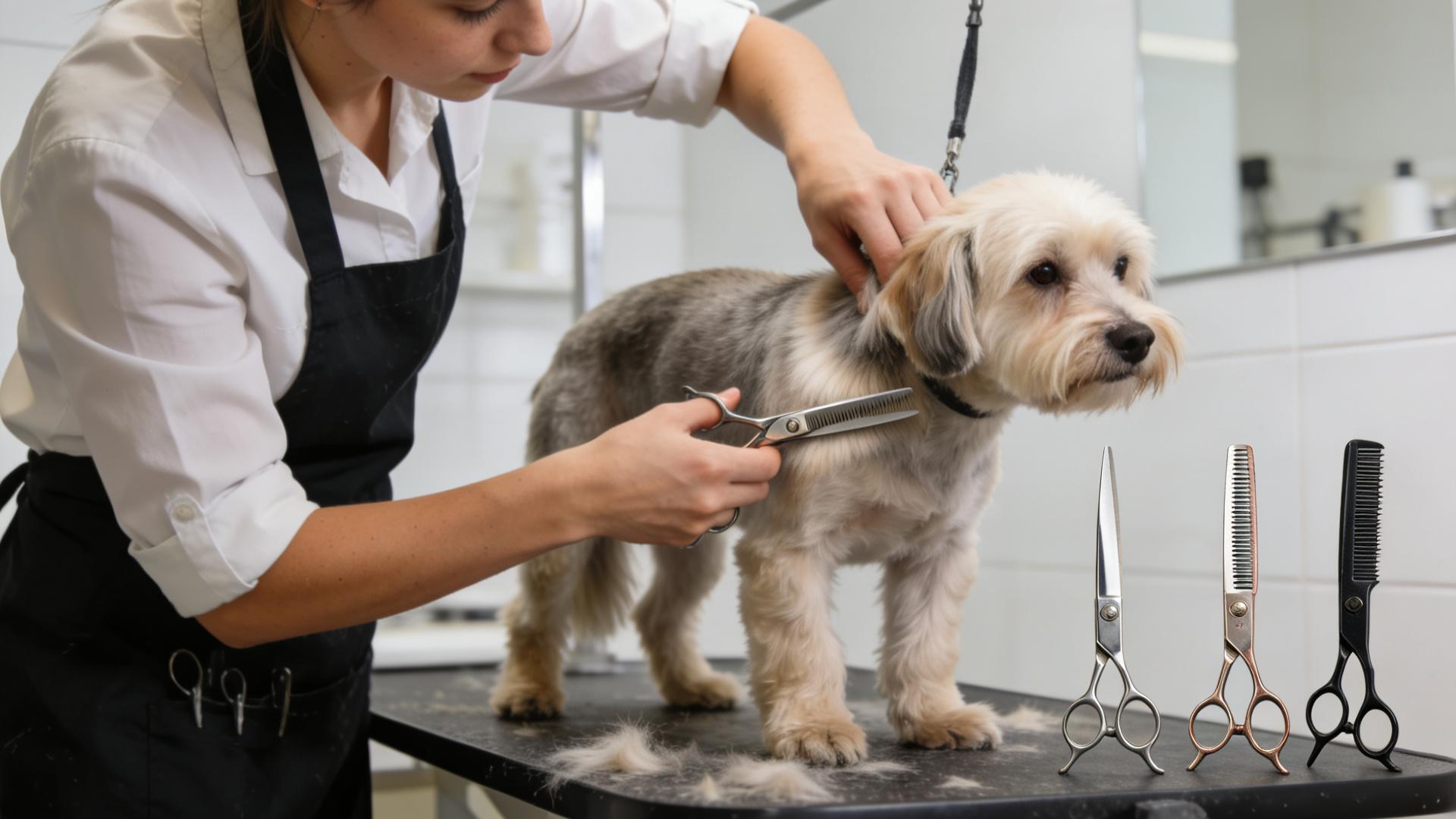
Dog grooming scissors buying guide: Differences in usage between straight scissors, thinning scissors, and backspinning scissors.
Every professional groomer and dedicated pet parent knows that the secret to a flawless dog haircut lies not just in skill, but in the tools. Among the most critical instruments in your arsenal are grooming scissors. Using the wrong type can lead to a choppy, uneven, or even uncomfortable result for your pup. This comprehensive guide will dissect the three essential types—straight, thinning, and backspinning scissors—demystifying their distinct purposes and techniques. By understanding their differences, you can transform your grooming results from amateur to artisan, ensuring both safety and style for your canine companion.