
You May Have Missed
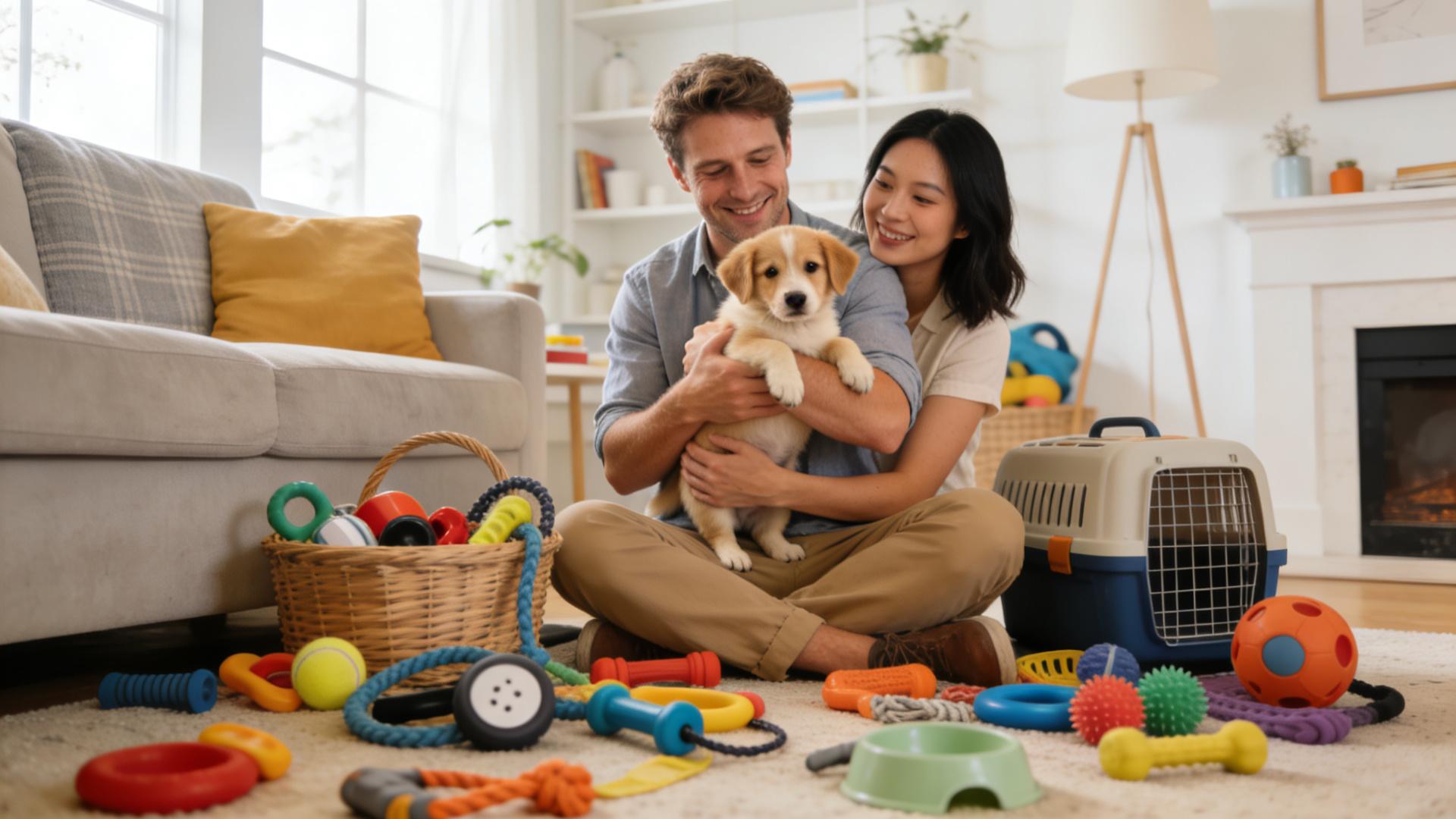
2026 Puppy Training Kit: 5 Essential Training Tools for New Parents
Bringing home your new puppy is a whirlwind of joy, cuddles, and… pure, unadulterated overwhelm. Between the excited piddles, the sharp little teeth, and the sudden midnight serenades, it’s easy for first-time pet parents to feel lost. Traditional training advice is plentiful, but the future of puppy parenting is here, blending timeless canine psychology with smart technology and innovative design. Welcome to the 2026 Puppy Training Kit, a curated collection not just of supplies, but of solutions. This guide cuts through the noise to present five essential tools designed to make your training journey more efficient, effective, and deeply connected. Let’s transform that adorable handful of chaos into a well-mannered companion with tools that empower you both.
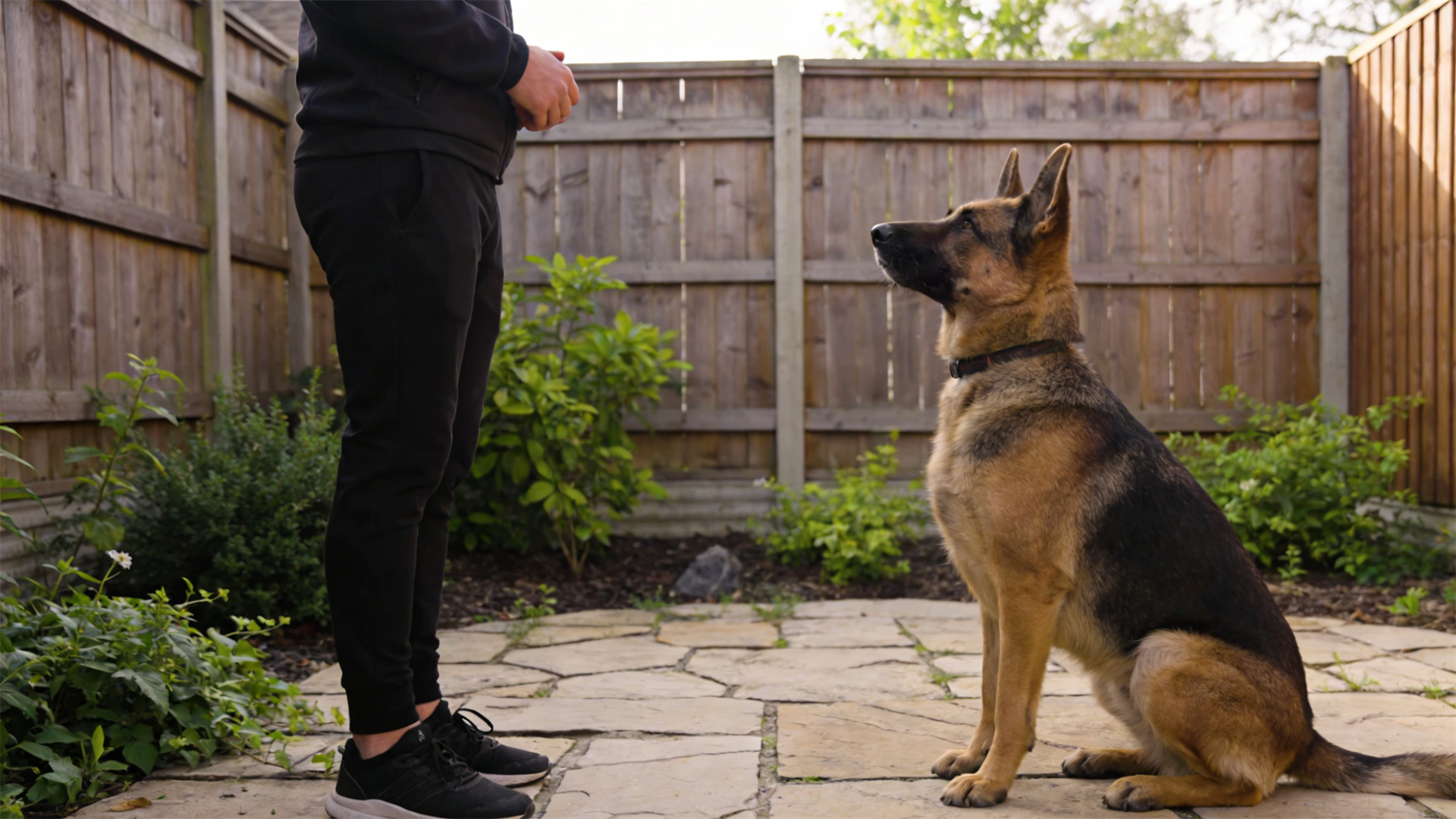
Level 2: Outdoor High-Interference Resistance Training
You’ve mastered the basics in your living room and backyard. Your dog is a star when it’s just the two of you. But the moment you step into the real world—a park buzzing with squirrels, joggers, and other dogs—their training seems to vanish. This gap between controlled obedience and real-world reliability is the single biggest challenge for dedicated dog owners. Closing it requires a systematic approach known as Outdoor High-Interference Resistance Training. This advanced methodology is designed to "proof" your dog's commands against the chaos of everyday life, transforming them from a pet that can listen into a partner you can always trust. This guide will provide you with the exact roadmap to achieve that unwavering focus and control.
Level 5: Expert Dog Trainer Certification
In the evolving world of canine professions, a title alone is no longer enough. For those dedicated to reaching the zenith of their craft, the pursuit of an expert dog trainer certification is the defining journey. This isn't just another course; it's a rigorous validation of mastery, a globally recognized passport to elite roles, and a solemn commitment to ethical, science-based practice. This comprehensive guide demystifies the pinnacle credentials, such as the CPDT-KA and KPA-CTP, providing you with the roadmap to transform from a competent trainer into a recognized industry authority.
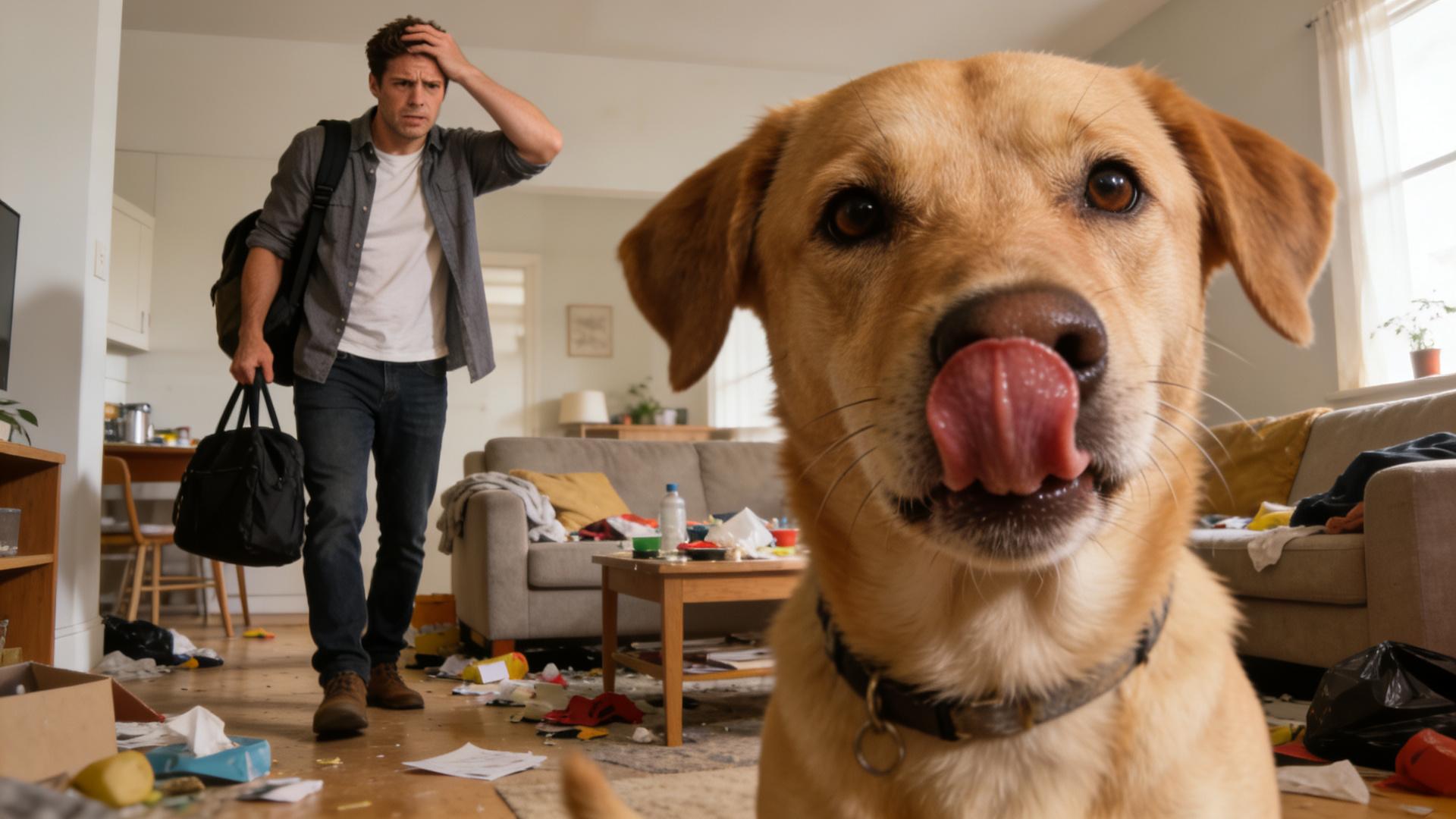
Deciphering a dog's "reassurance signals": Is it licking its nose to beg for mercy?
You come home to a scene of minor chaos—a shredded pillow, garbage scattered across the floor. You find your dog, and they immediately avert their gaze, yawn, and give a quick, unmistakable lick of their nose. The conclusion seems obvious: “Look at that guilty face! He knows he did wrong and is begging for forgiveness.” This narrative feels instinctual to us, a story we’ve told ourselves for generations. But what if we’ve been reading the entire situation incorrectly?
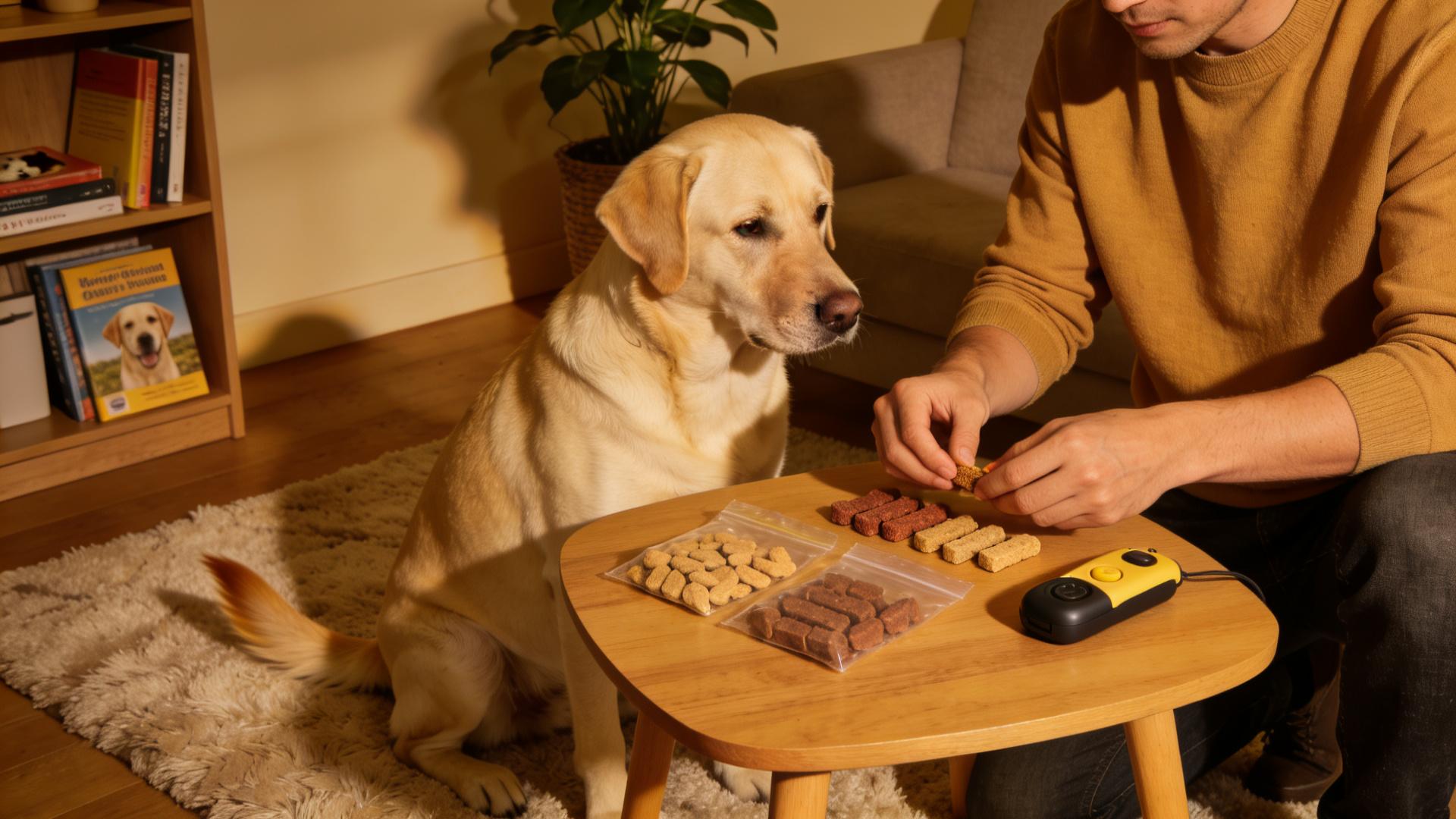
Capture Training: How to turn a dog's unintentional natural movements into commands
Picture this: your dog finishes a satisfying chew on their toy, lets out a big, relaxed sigh, and settles into a perfect, calm "down" position on the floor. In that moment, a beautiful, desirable behavior happened entirely on its own. What if you could harness those spontaneous moments and turn them into a cue you could call upon anytime? You can. Welcome to the elegant world of capture training.
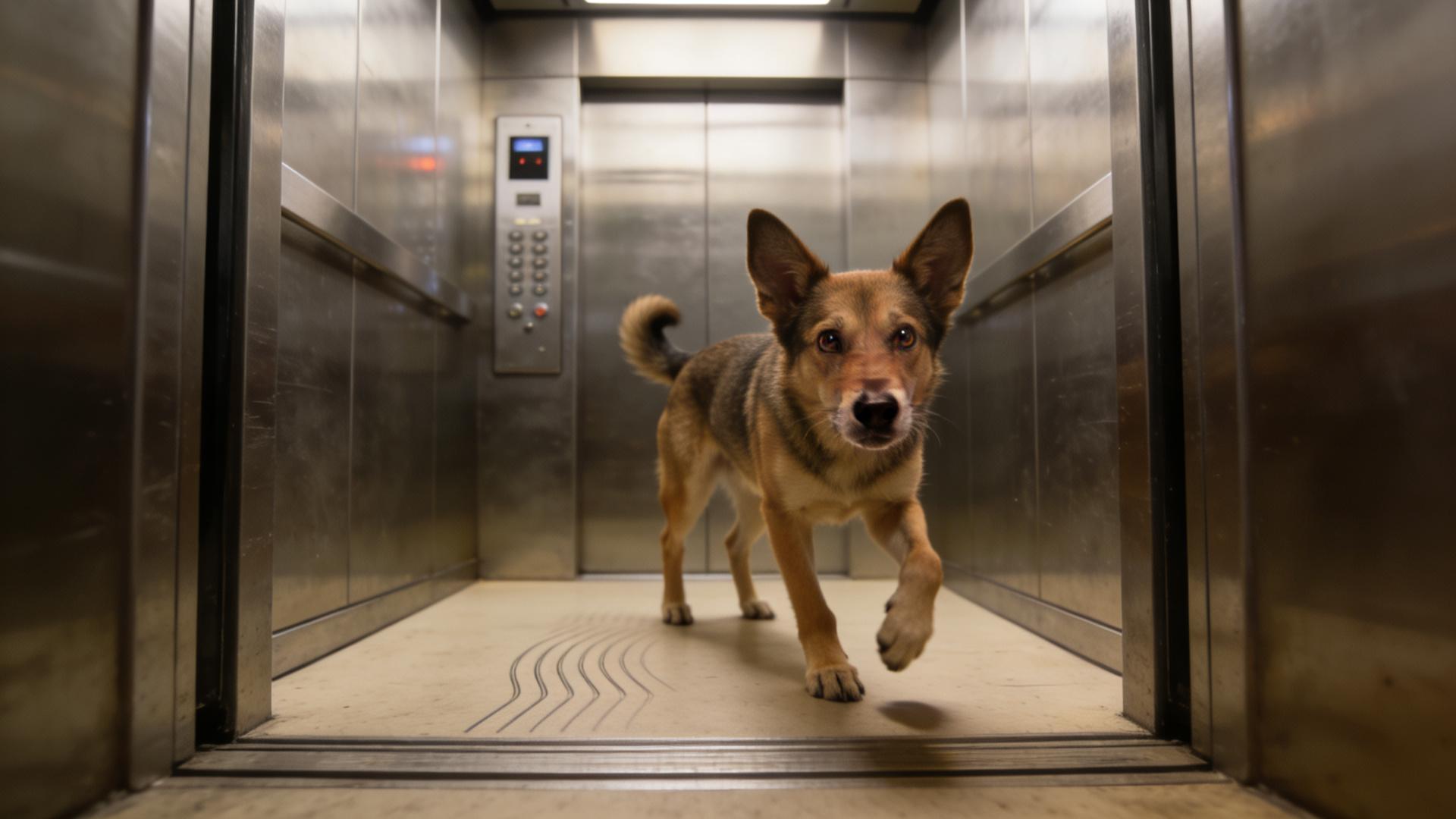
Elevator etiquette training: Calm control when entering confined spaces
The doors slide shut with a soft whoosh, the floor gives a slight lurch, and suddenly, the world feels very small. For many dogs, an elevator ride is a confusing cocktail of strange sounds, confined space, and unpredictable movement. Imagine your dog, panting heavily, pulling on the leash, or even trying to bolt as the doors open. This common scenario isn't just stressful—it can be a safety risk for everyone involved. Training your dog for elevator etiquette is not a luxury; it's a crucial skill for urban living that ensures safety and comfort for your pet, you, and fellow passengers. With patience and the right approach, you can transform this daunting experience into a calm, controlled routine.