
You May Have Missed
Effectively remove dog odor from your home: Mainstream odor removers and air circulation solutions for 2026
You've cleaned every surface, washed all the blankets, and yet that distinctive dog odor lingers in your home like an uninvited guest. It's a blend of wet fur, earthy paws, and something else you can't quite pinpoint—a stubborn aroma that seems embedded in the very air you breathe. If this scenario feels all too familiar, you're not alone. The challenge of pet odors is universal for dog owners, but the solutions are evolving rapidly. This article is your definitive, forward-looking guide to reclaiming a fresh-smelling home. We will delve into the most effective, mainstream odor removers for 2026 and pair them with cutting-edge air circulation solutions for odors, providing you with a comprehensive, modern strategy to eliminate canine smells for good.
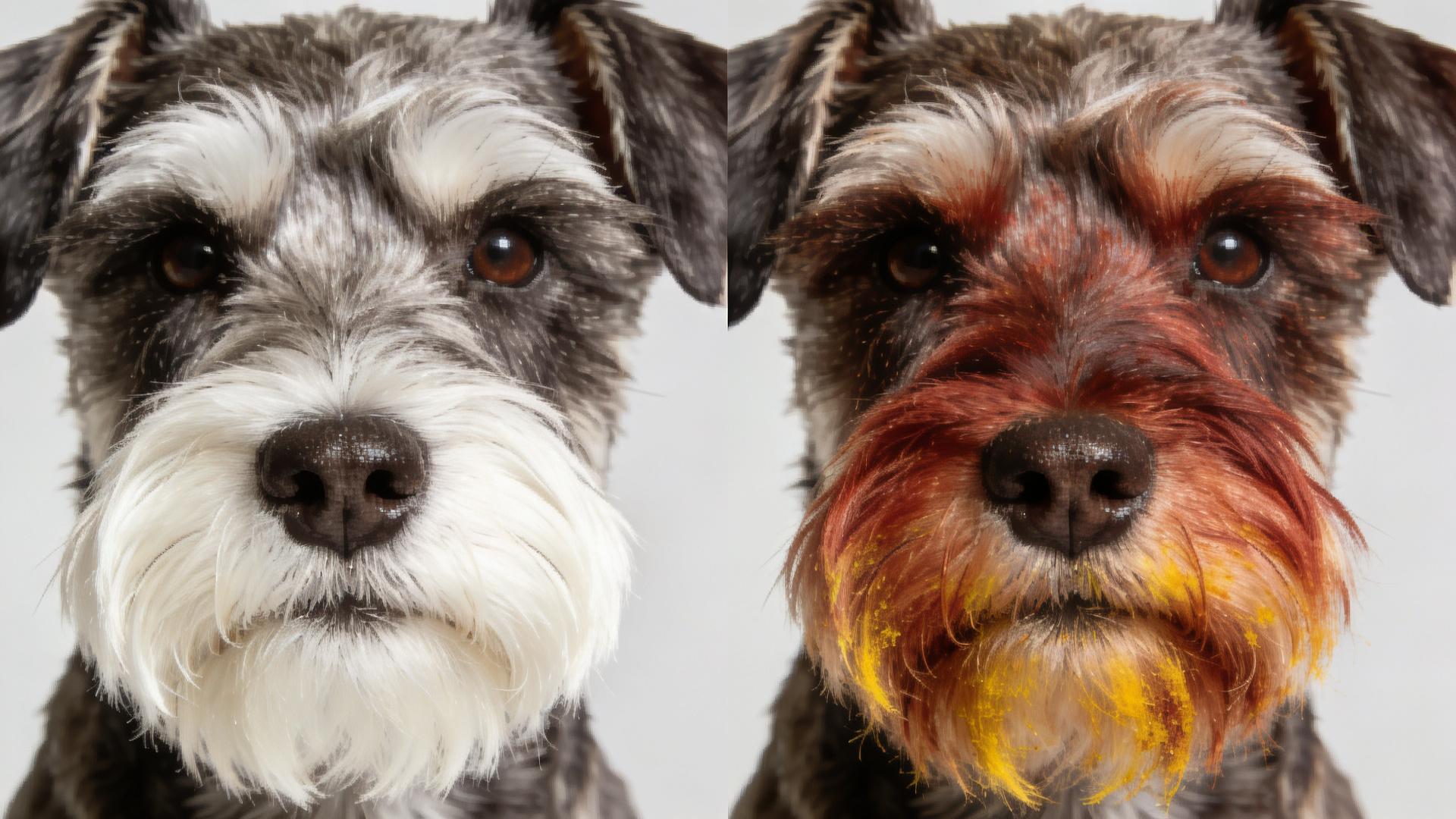
Beard and facial grooming: Preventing Schnauzers and other breeds from developing "yellow beards".
That bright, snowy-white beard is a point of pride for many Schnauzer owners. But all too often, that signature look is marred by unsightly reddish-brown or yellow stains, turning a dapper gentleman into a messy eater. This common frustration, known as "yellow beard" or facial staining, affects many bearded breeds and can feel like a losing battle. More than just a Grooming issue, a stained beard can harbor bacteria and yeast, leading to unpleasant odors and potential skin irritation. But don't despair! With the right knowledge and a consistent routine, you can keep your dog's facial hair clean, white, and healthy. This comprehensive guide will arm you with the science, strategies, and best practices for dog beard care to win the war against stains.
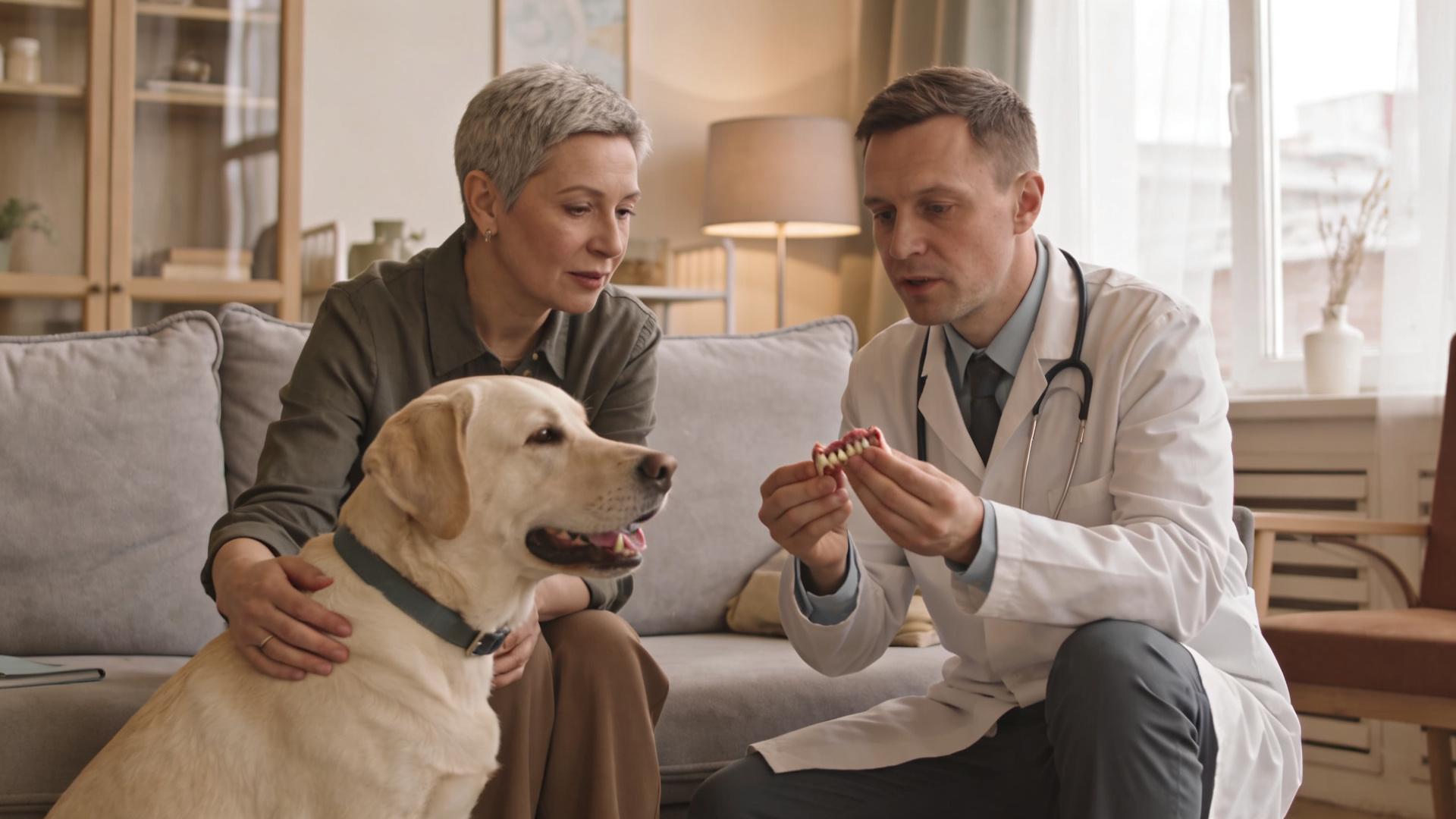
Preventing periodontal disease: Oral care habits that only take 30 seconds a day
Did you know that by the age of three, over 80% of dogs show signs of periodontal disease? 🦷 It’s the most common clinical condition occurring in adult dogs, yet it’s also one of the most preventable. The thought of adding another lengthy task to your daily routine can be daunting. But what if effective prevention wasn't a chore? This guide delivers on a powerful promise: building a healthy mouth for your dog with habits that take just 30 seconds a day. By investing half a minute now, you can save your dog from pain, protect their overall health, and avoid costly veterinary dental procedures down the line.
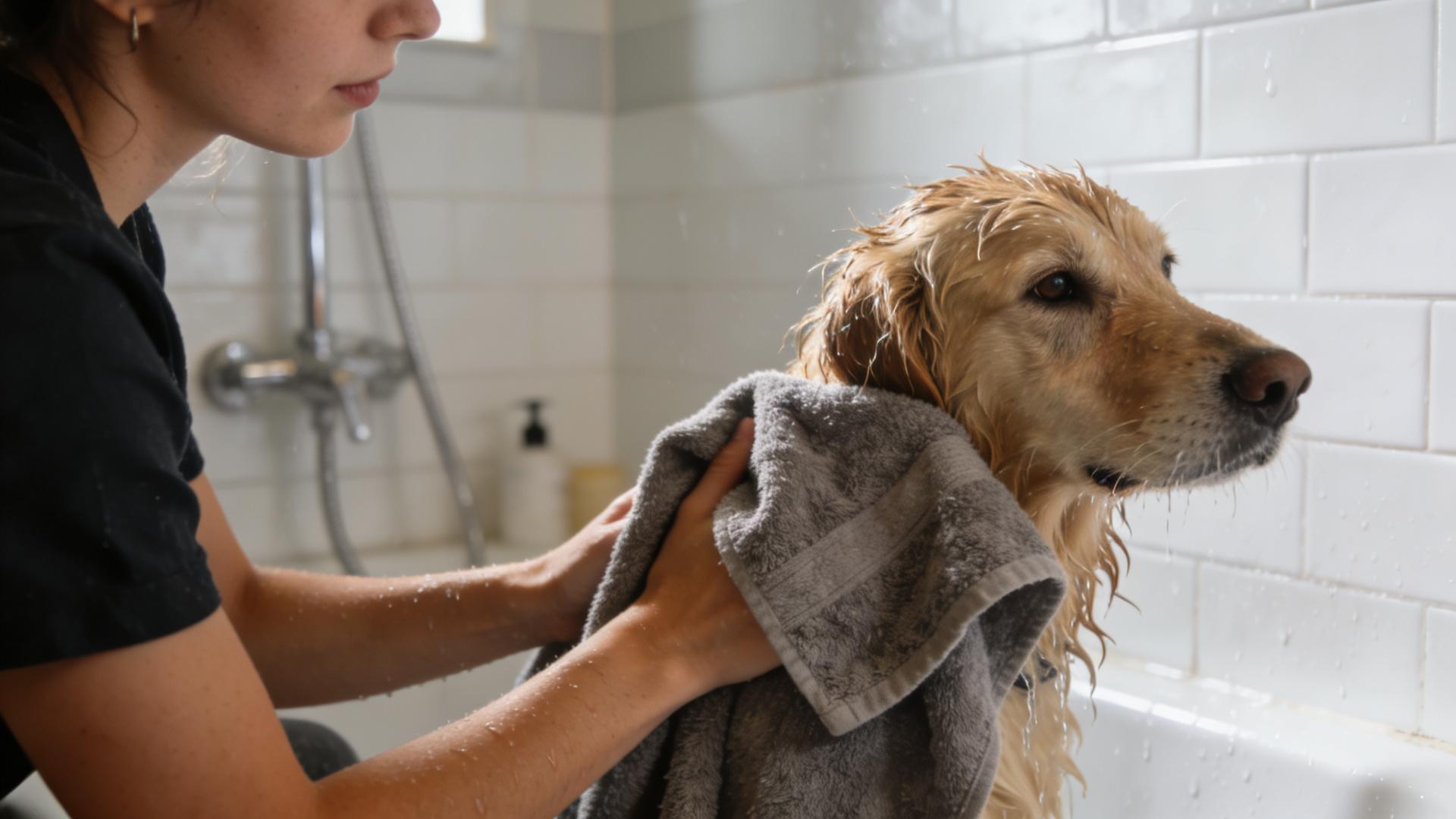
Dog-specific towel material review: Chamois cloth vs. microfiber – which is more absorbent?
You’ve just finished washing your beloved dog, and as you reach for a towel, you’re faced with a common dilemma. The regular bath towels you use are already soaked through after one pass over your Labrador’s thick coat, leaving them shivering and your bathroom looking like a splash zone. Every pet parent knows the struggle of effectively drying their furry friend. The secret weapon in this battle isn’t just any towel; it’s a towel engineered for the job. But with so many options shouting “super absorbent!” from store shelves and online listings, how do you choose? This article cuts through the wet confusion to answer one core question: In the head-to-head matchup of chamois cloth dog towel versus microfiber dog towel, which material truly reigns supreme in dog towel absorbency? Let’s wring out the facts.
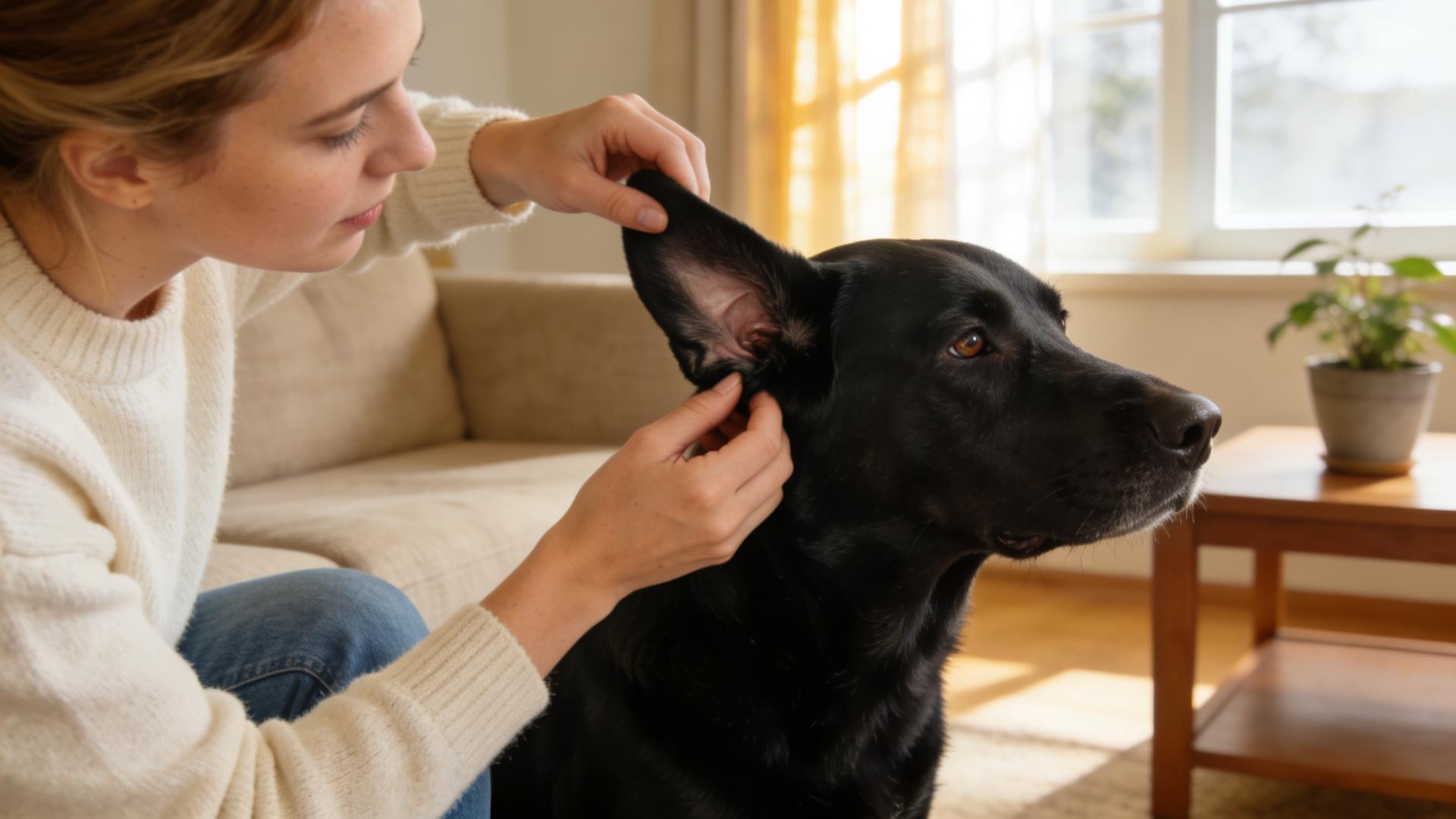
Diagnosing ear odor in dogs: Preliminary assessment of ear disease type based on color and smell
That familiar head shake. The persistent scratching. And then, you catch a whiff of something unpleasant from your dog's ears. Ear odor in dogs is never normal and is one of the most telling signs that something is amiss. For a concerned dog owner, this smell can be worrying, but it is also a crucial clue. While a definitive diagnosis always requires a veterinarian, you can learn to interpret these preliminary signs. This guide will empower you to make informed observations about dog ear discharge color and dog ear infection smell, helping you understand the potential ear disease type based on color and smell before your vet visit. Remember, this is a preliminary assessment of ear disease, not a replacement for professional care.
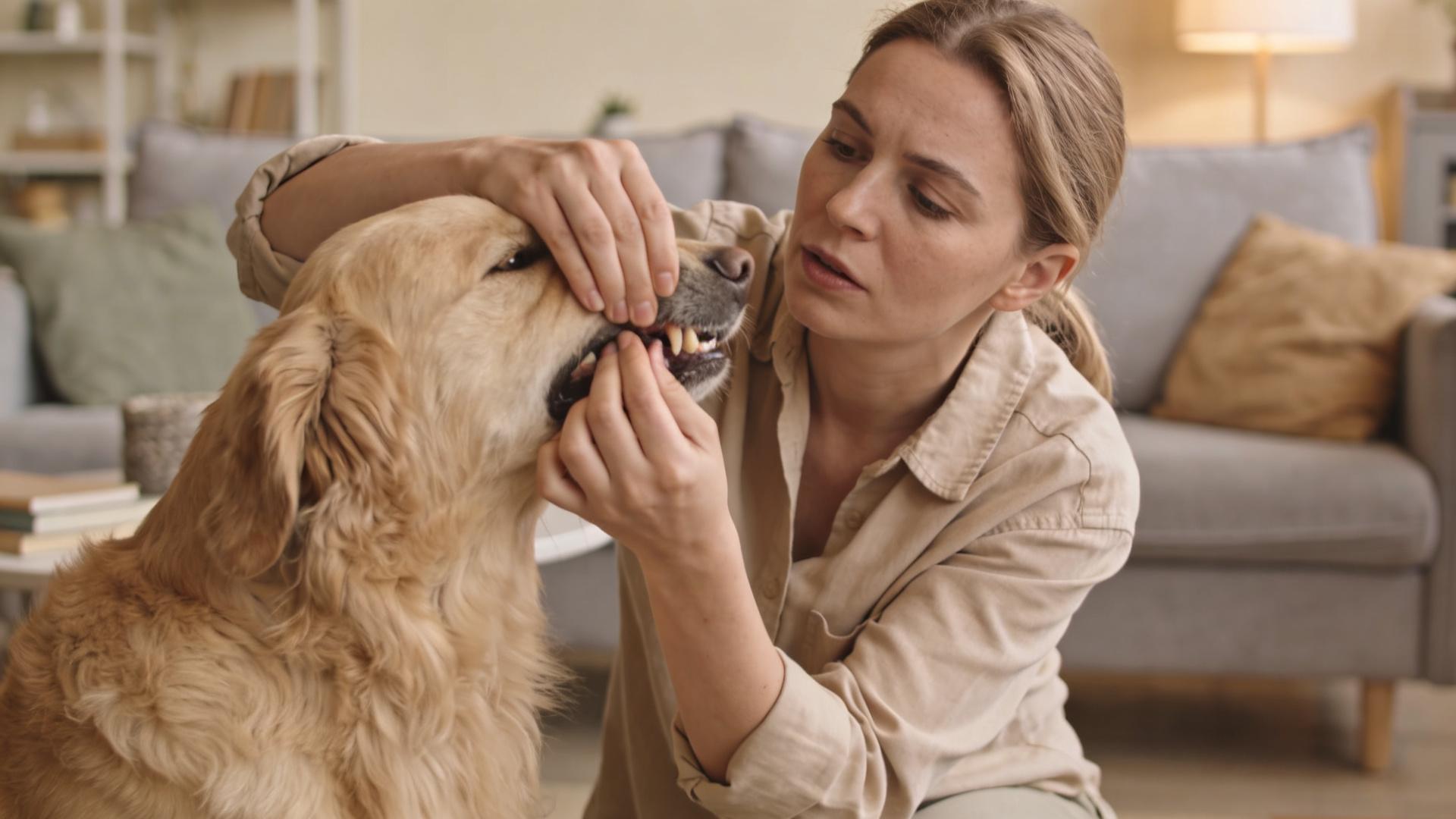
Canine oral ulcer care: How to promote healing through daily cleaning
Seeing your dog flinch while eating, drooling more than usual, or hesitating to play with their favorite toy is heart-wrenching. 🐾 Discovering an angry-looking sore inside their mouth can instantly spike any pet parent's anxiety. You're not just worried about their pain; you're overwhelmed with questions about how to help. The path to relief starts with understanding one non-negotiable truth: consistent, gentle daily cleaning is the cornerstone of healing canine oral ulcers. While a veterinarian must diagnose the root cause, your care at home creates the clean environment essential for recovery. This guide will provide you with a compassionate, step-by-step plan to confidently perform this crucial aspect of health care, turning a daunting task into a manageable, healing ritual for you and your dog.