
You May Have Missed

2026 Canine Nutrition Standards: The Golden Ratio of Protein, Fat, and Carbohydrates
Canine nutrition is undergoing a revolution. Gone are the days of one-size-fits-all kibble. As research accelerates, we're moving from simply feeding dogs to precision-nourishing them. The question for discerning dog owners and forward-thinking professionals is no longer just "what to feed," but what precise nutritional architecture will optimize health, longevity, and vitality in the years to come. Enter the forward-looking 2026 canine nutrition standards, centered on a refined, dynamic macronutrient balance known as the Golden Ratio. This isn't a fleeting trend; it's the scientific culmination of decades of research, pointing toward a future of personalized canine wellness.
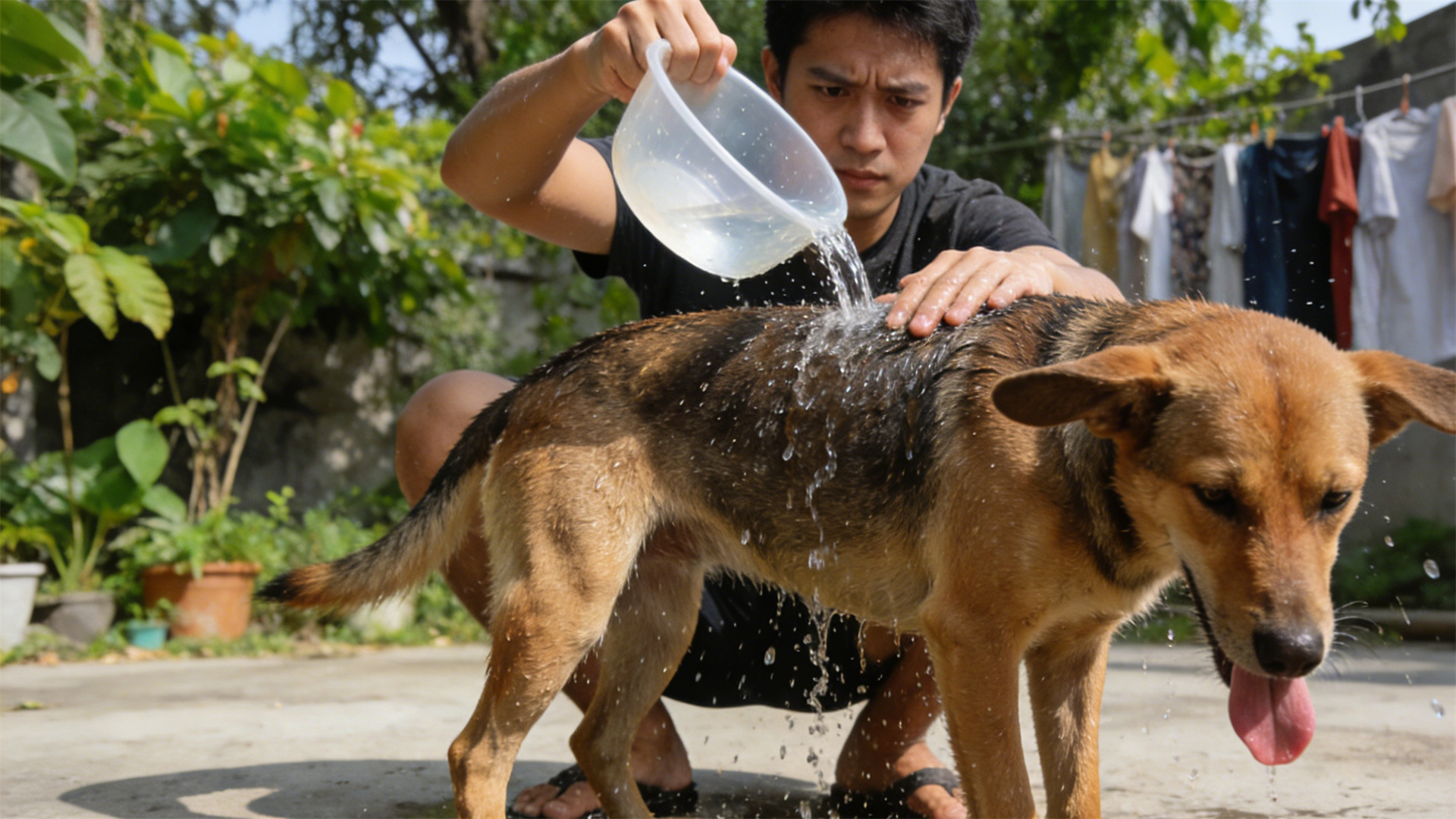
Summer heatstroke first aid: Cooling procedures within the golden 3 minutes and prevention of organ failure
Heatstroke is a true medical emergency that can kill a healthy dog in less than 15 minutes. When your dog's body temperature spirals out of control, a devastating chain reaction begins inside their organs. Your actions in the first golden three minutes are the single most critical factor that will determine whether your pet survives or succumbs to catastrophic organ failure. This guide provides a clear, step-by-step canine heatstroke first aid protocol you must know and the essential knowledge to prevent this crisis from ever happening.
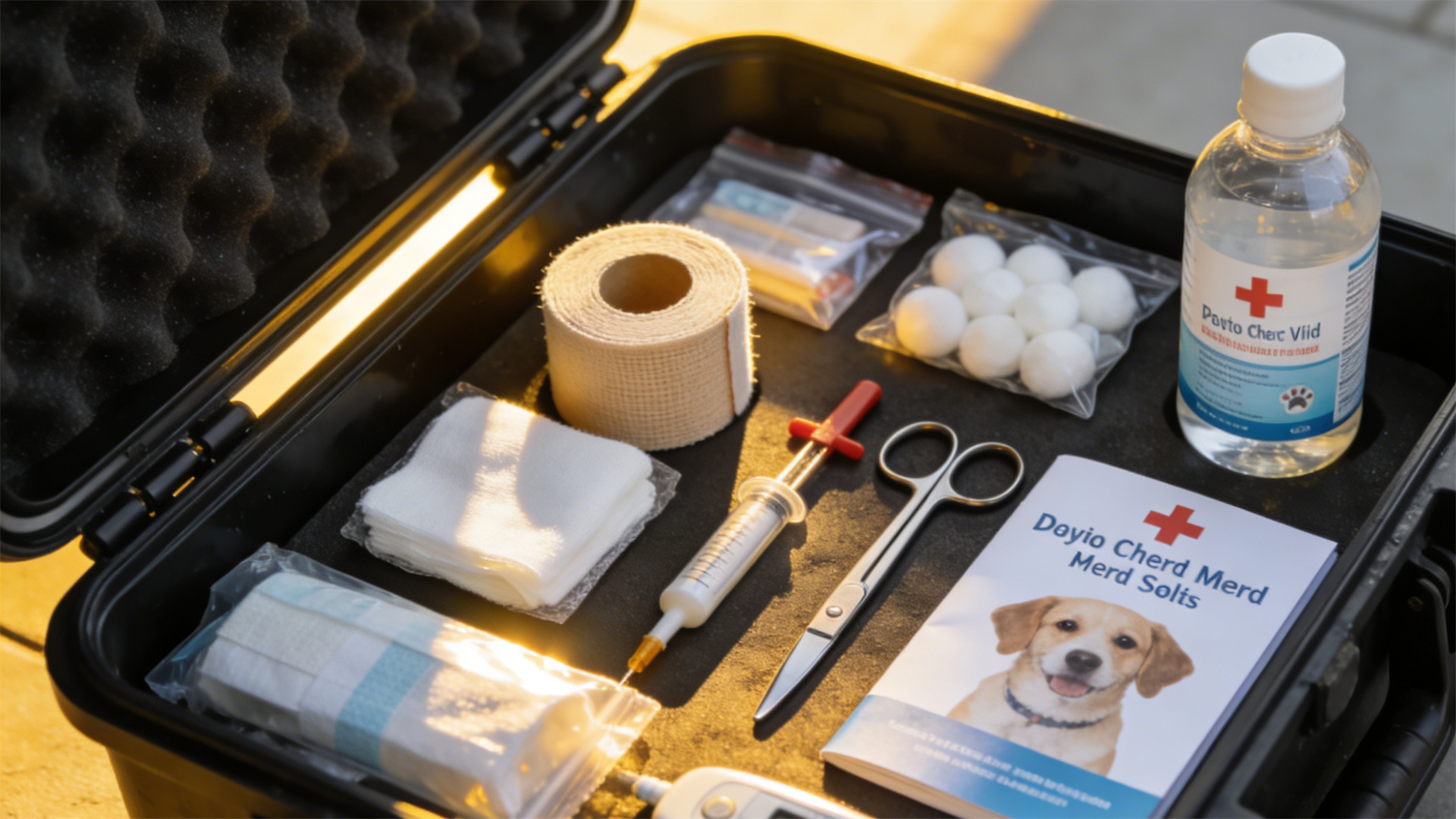
First aid kit and common medicines
As a loving dog owner, you provide the best food, cozy beds, and endless playtime. But what about when the unexpected happens? A sudden limp, a curious encounter with a bee, or an upset stomach can turn an ordinary day into a moment of panic. Preparedness is the cornerstone of responsible pet ownership. Having a well-stocked dog first aid kit and a clear understanding of common medicines for dogs can empower you to act swiftly and effectively in minor situations, bridging the gap between incident and veterinary care. This guide is your comprehensive, actionable resource to build your kit, understand safe medication basics, and always know when to call the vet.
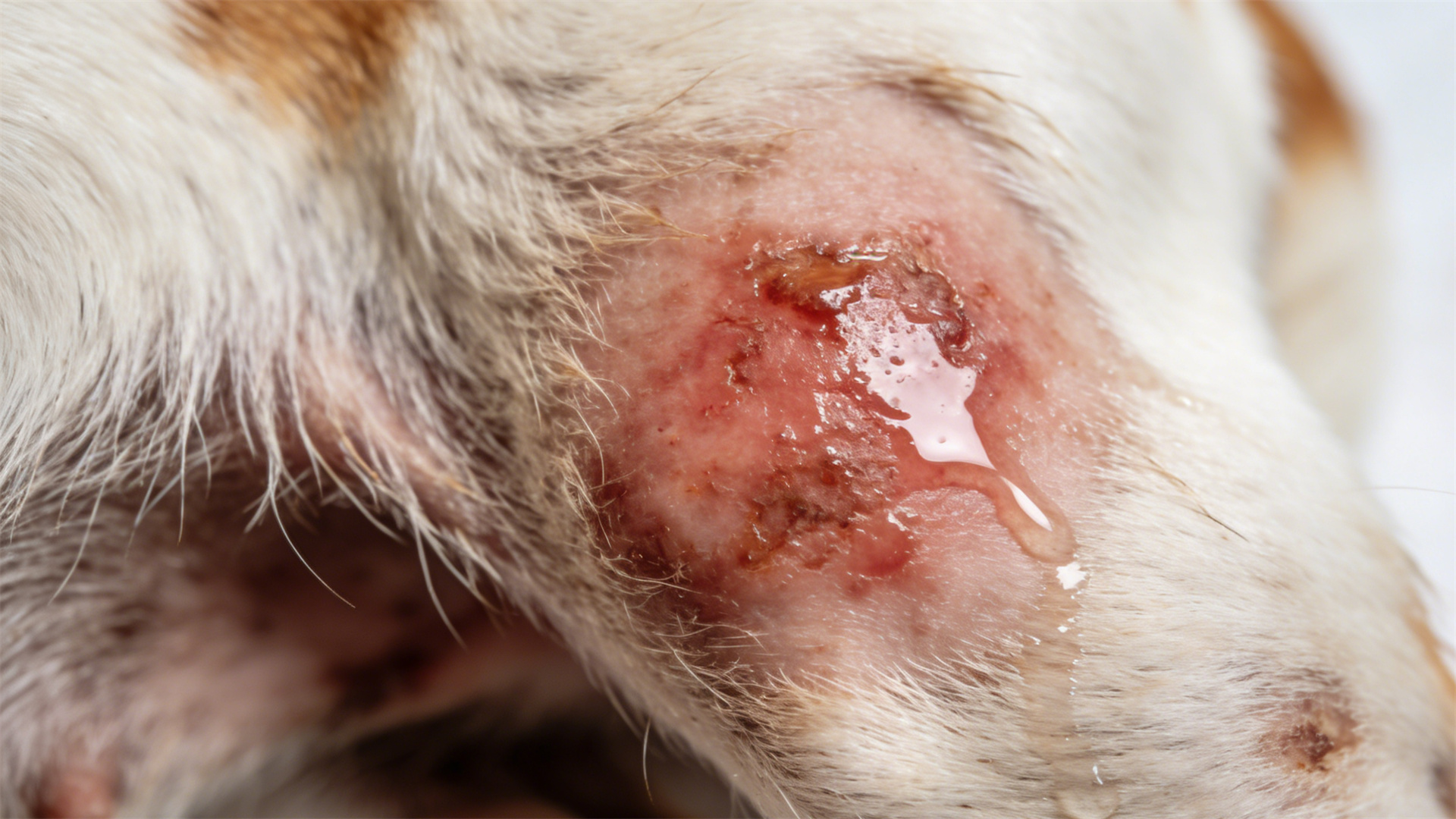
Health risks after getting wet in the rain: eczema, colds, and the details of drying your skin.
The joyous, muddy puddle jump, the enthusiastic sprint through a downpour—for many dogs, rainy weather is just another exciting element of their outdoor adventure. However, as they shake off in your hallway, a hidden process begins. That sodden coat isn't just an inconvenience; it's a potential gateway to a range of health issues that can dampen your canine companion's spirits far more than the weather. For the responsible pet owner, understanding the health risks posed by lingering moisture and mastering the art of proper drying are not just chores, but critical acts of preventative healthcare. This comprehensive guide delves into the science behind the risks, from the itchy menace of canine eczema to the sneezes of a dog cold, and provides an exhaustive, step-by-step protocol to ensure your dog is truly dry, safe, and comfortable after every wet outing.
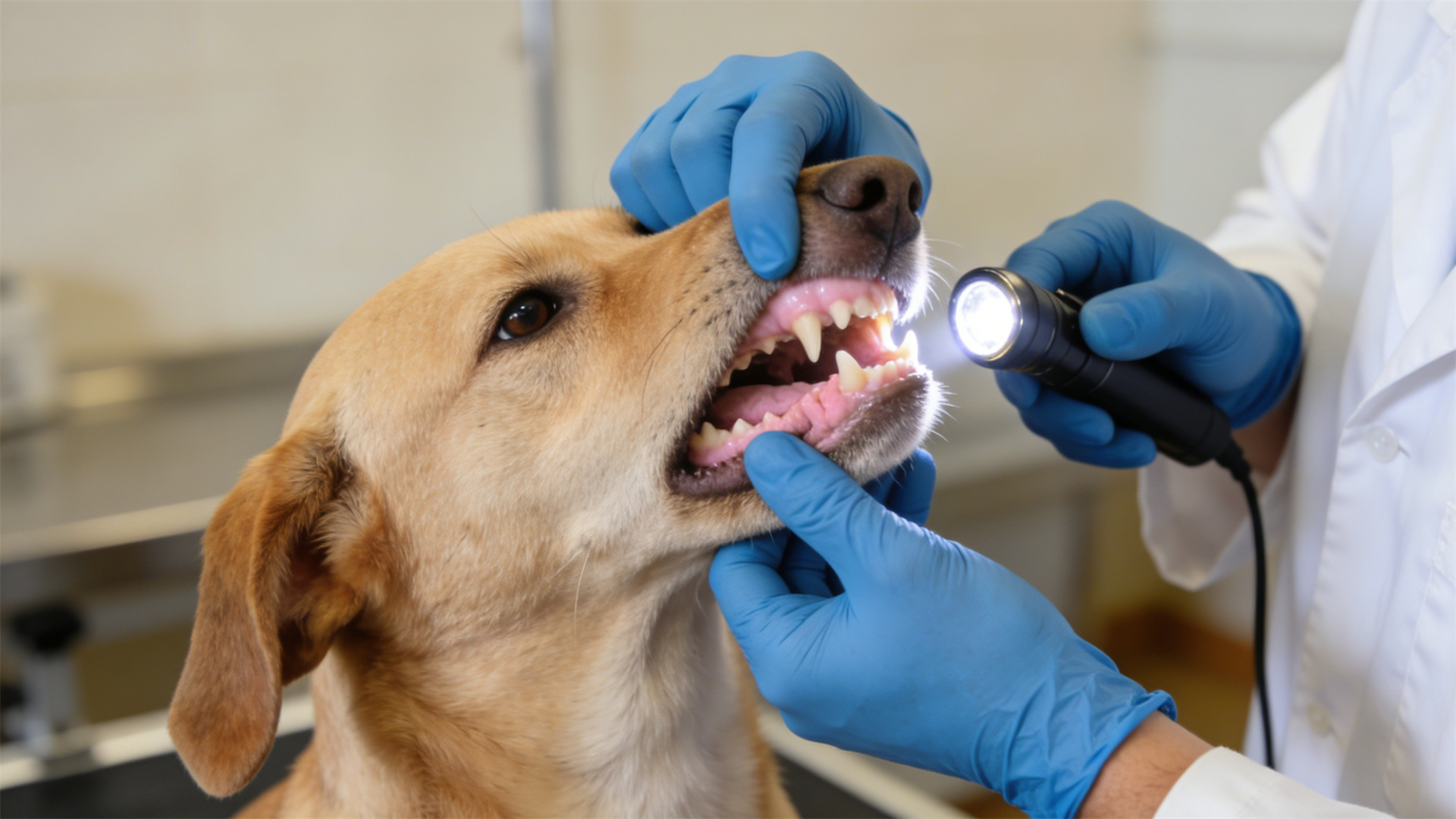
A Must-Read Nutritional Balance Formula for Homemade Dog Food: Avoiding Common Misconceptions Leading to Anemia
As a loving dog owner, you've likely considered homemade meals to provide the best for your furry companion. But did you know that well-intentioned kitchen efforts are a leading cause of nutritional deficiencies like anemia in dogs? A startling number of pets on homemade diets suffer from preventable health issues due to imbalanced nutrition. This article serves as your comprehensive guide, offering a reliable nutritional balance formula and dismantling the dangerous misconceptions that put your dog's health at risk. Let's ensure your culinary love translates into genuine, lifelong vitality for your pet.
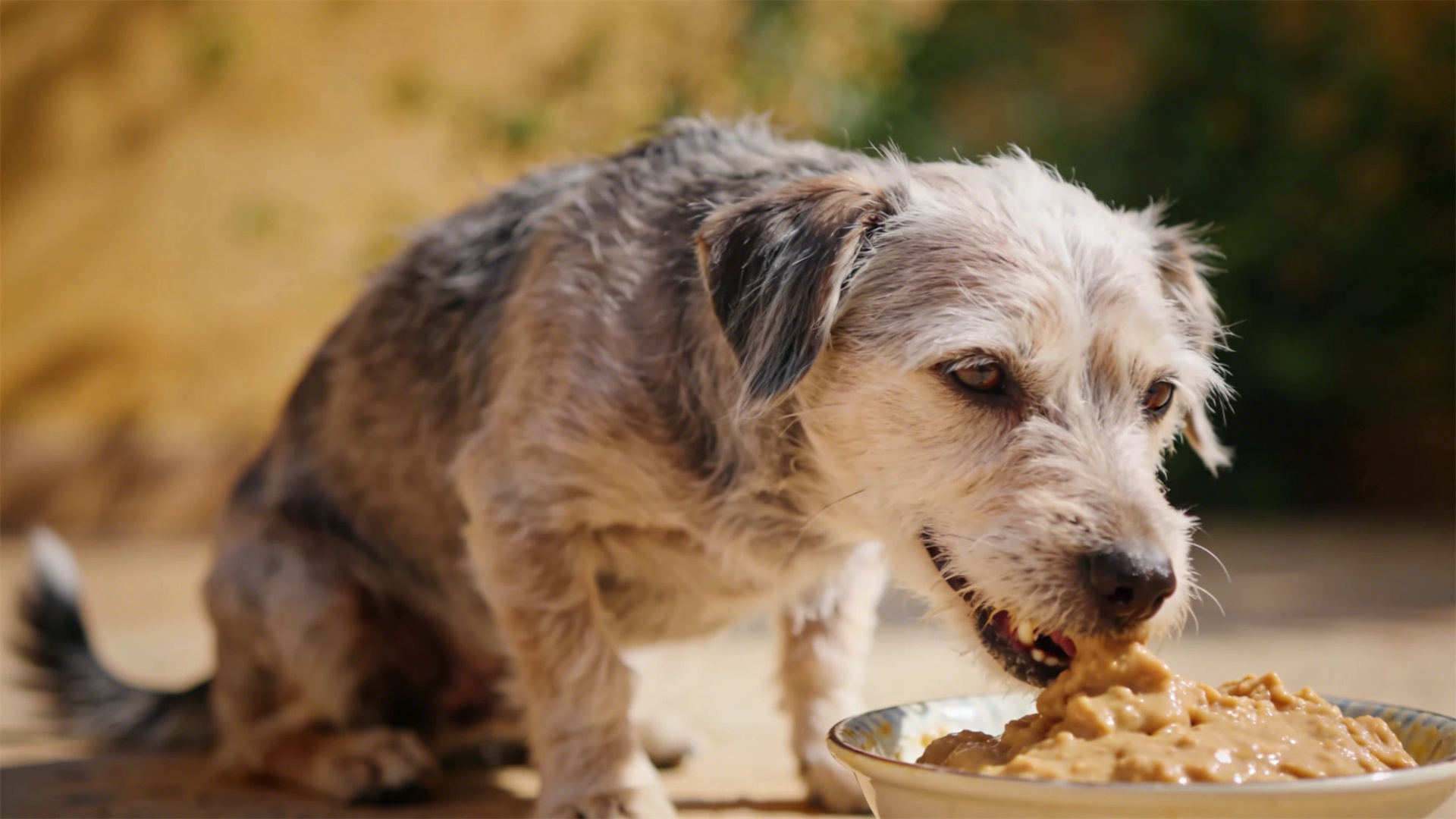
Soft food transition for senior dogs: Cooking techniques that balance palatability and nutrient absorption
As our loyal canine companions enter their golden years, their dietary needs evolve just as ours do. One of the most significant and caring adjustments you can make is transitioning your senior dog to a soft food diet. This isn't merely about convenience; it's a strategic move to support their changing health, comfort, and vitality. Crafting this food at home allows you to control the quality, tailor the nutrients, and, crucially, employ cooking techniques for senior dog food that maximize both appeal and digestibility. This comprehensive guide will walk you through the why and how, providing you with the knowledge to become your senior dog's personal chef and nutritionist.