
You May Have Missed

Taboos regarding dog grooming: Why should some dog breeds never be shaved in the summer?
As the summer sun intensifies, many dog owners reach for a seemingly logical solution to help their furry friends beat the heat: the clippers. The thought is compassionate—“A shorter coat must mean a cooler dog.” However, for a significant number of breeds, this well-intentioned act is one of the most detrimental grooming mistakes you can make. Shaving them doesn't cool them down; it strips away their built-in, naturally engineered climate control system. This article delves into the science behind the double coat and explains why, for the health and safety of your dog, certain breeds should never be shaved.
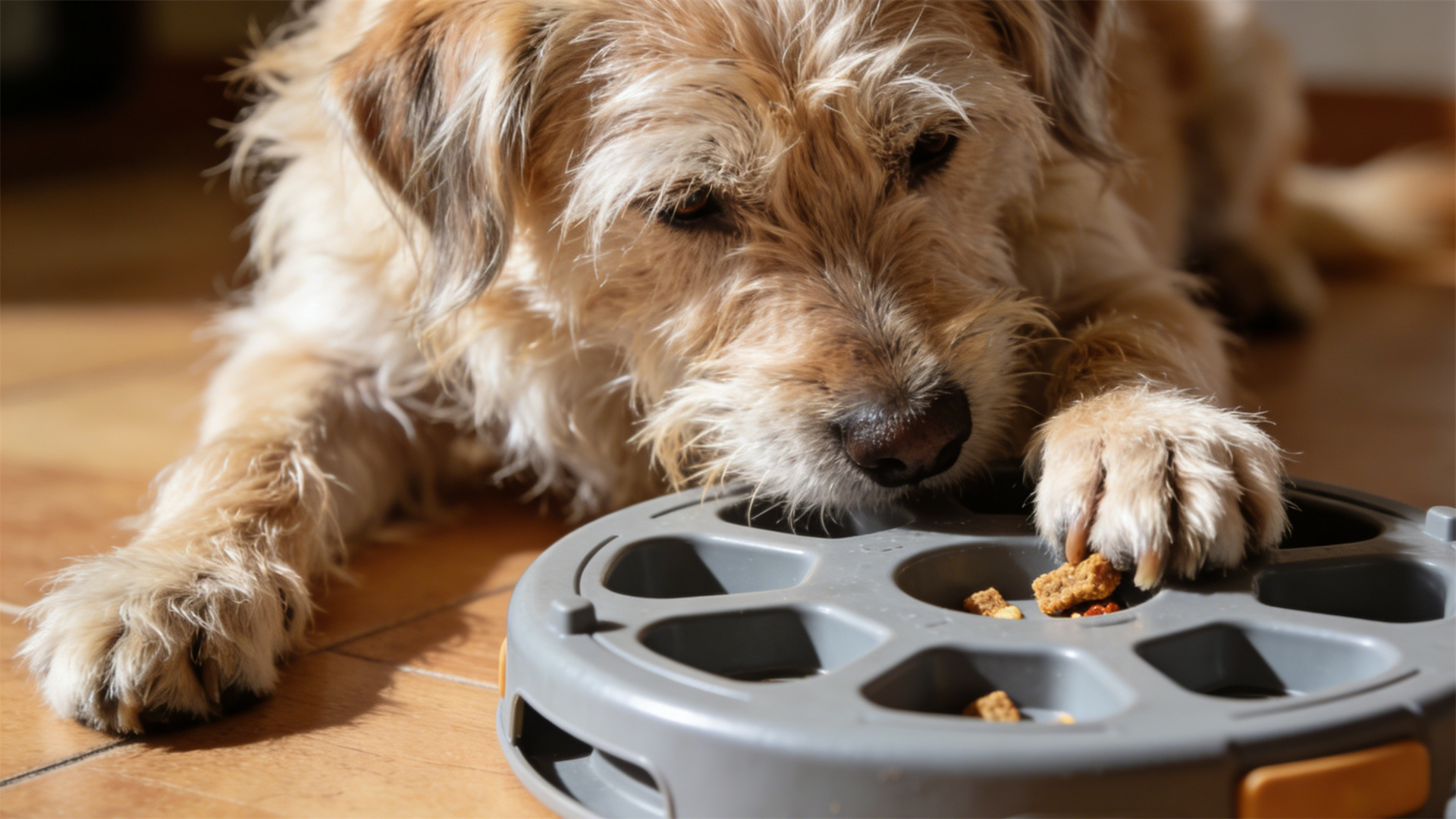
Cognitive training: Using educational toys to slow down brain degeneration in older dogs
You notice it in the small things. Your faithful companion, now with a frosted muzzle, might pause for a moment, seemingly confused in a familiar corner of the yard. Perhaps their sleep-wake cycle has flipped, or they seem less enthusiastic about a game they once loved. These subtle shifts can be easy to dismiss as "just getting old," but they often point to something more specific: Canine Cognitive Dysfunction (CCD), a condition akin to dementia in humans. While this reality can feel daunting, there is a powerful, positive, and profoundly bonding tool at your disposal: cognitive training. Just as physical exercise keeps the body strong, consistent mental exercise is crucial for maintaining brain health. And the best part? It can be as simple and joyful as play. This article will guide you through using educational toys as a cornerstone strategy to enrich your senior dog's life, slow cognitive decline, and strengthen your unbreakable bond.

The grain controversy is over: Why do some dog breeds still need adequate dietary fiber?
For years, the dog food aisle was a battleground of grain-free diet dogs versus traditional formulas, fueled by fears and trends. Today, the grain controversy dogs have endured is largely settled by science, shifting our focus from elimination to inclusion. The real question isn't about grains per se, but about ensuring all dogs, especially certain breeds, receive optimal dietary fiber for dogs. This article delves into why canine dietary fiber is non-negotiable for health, how needs vary by breed, and how to provide it wisely.

The application of music therapy in kennels: the stabilizing effect of specific frequency music on heart rate.
Kennels, shelters, and boarding facilities are essential pillars of canine care, providing safety and temporary refuge. However, for many dogs, these environments—despite their best intentions—can be hotbeds of stress and anxiety. The cacophony of unfamiliar sounds, the presence of unknown dogs, and the separation from familiar people and routines trigger a profound physiological response. One of the most direct and measurable markers of this stress is an increased heart rate, which, when sustained, can negatively impact overall health and well-being. In the search for innovative, non-invasive tools to combat this issue, music therapy has emerged as a surprisingly powerful ally. This article delves deep into the science and practice of using specific frequency music in kennel settings, exploring its demonstrable, calming effect on the canine cardiovascular system and its role as a cornerstone of modern, compassionate animal welfare.
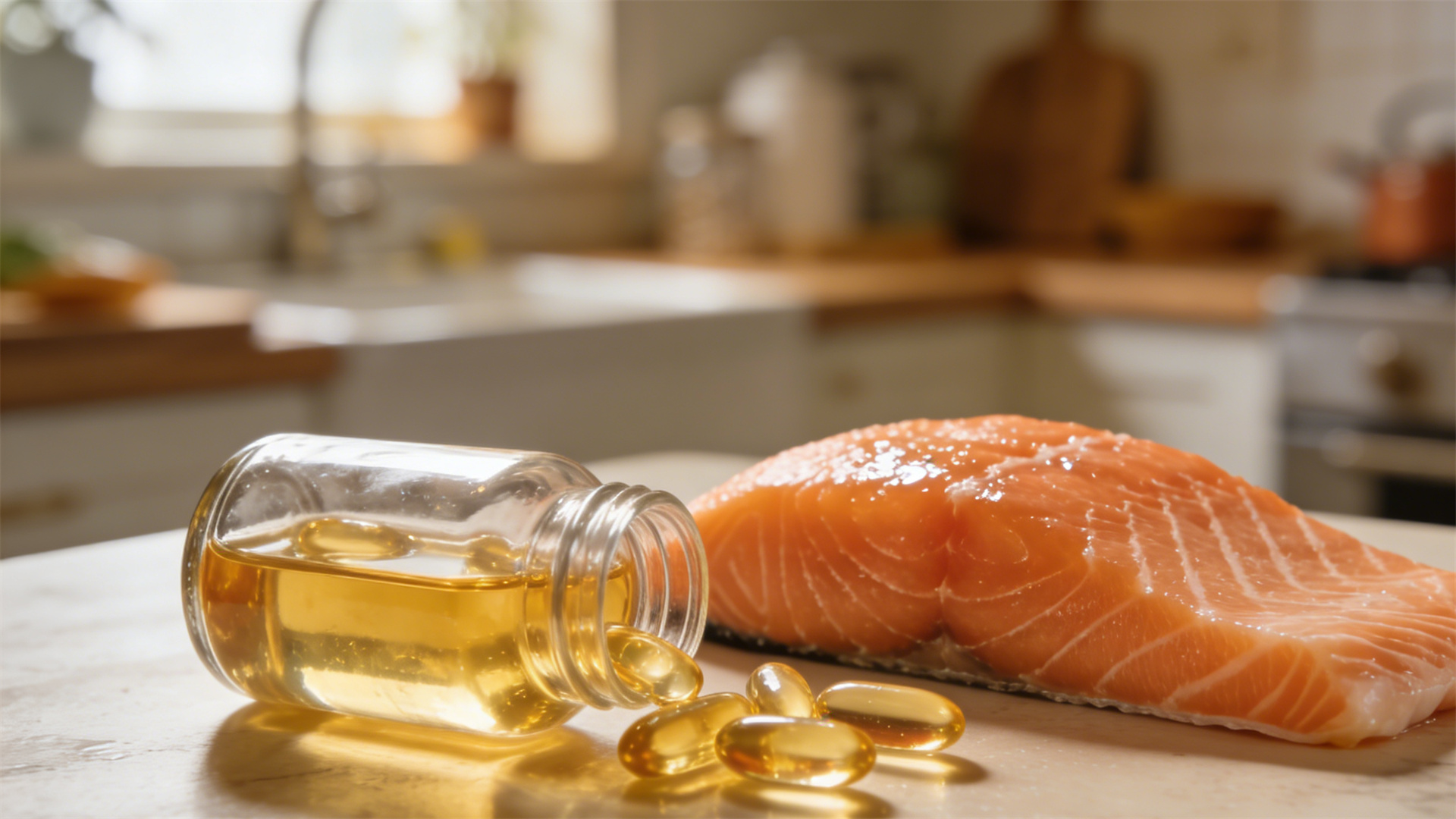
Omega-3 Deep Choice: Fish Oil, Krill Oil, or Algae Oil?
As a devoted dog owner, you want to provide the very best for your furry family member. When it comes to nutritional supplements, Omega-3 fatty acids consistently top the list of veterinarian-recommended additions. These essential fats, specifically EPA (eicosapentaenoic acid) and DHA (docosahexaenoic acid), are powerhouse nutrients that support nearly every system in your dog's body. From nurturing a glossy coat and calming itchy skin to promoting healthy joint mobility and supporting cognitive function, the benefits are profound and well-documented. But walk down the supplement aisle or browse online, and you're faced with a choice: Fish Oil, Krill Oil, or Algae Oil? This isn't just a matter of preference; the source can impact efficacy, sustainability, and suitability for your dog's specific needs. Let's dive deep into the science and practicalities to help you make the most informed Omega-3 for dogs decision.

Seasonal hair loss vs. pathological hair loss: A simple trick to distinguish them
For every dog owner, the sight of tufts of fur clinging to the sofa, floating across the floor, or decorating your black pants is a familiar reality. While often jokingly called "dog glitter," this shedding can sometimes spark a wave of worry: Is this normal, or is my dog sick? Understanding the difference between a natural biological process and a sign of an underlying health issue is a cornerstone of responsible pet care. Not all hair loss is created equal. This guide will demystify canine seasonal shedding and pathological hair loss, arming you with the knowledge and a remarkably simple, hands-on trick to tell them apart with confidence.