
You May Have Missed
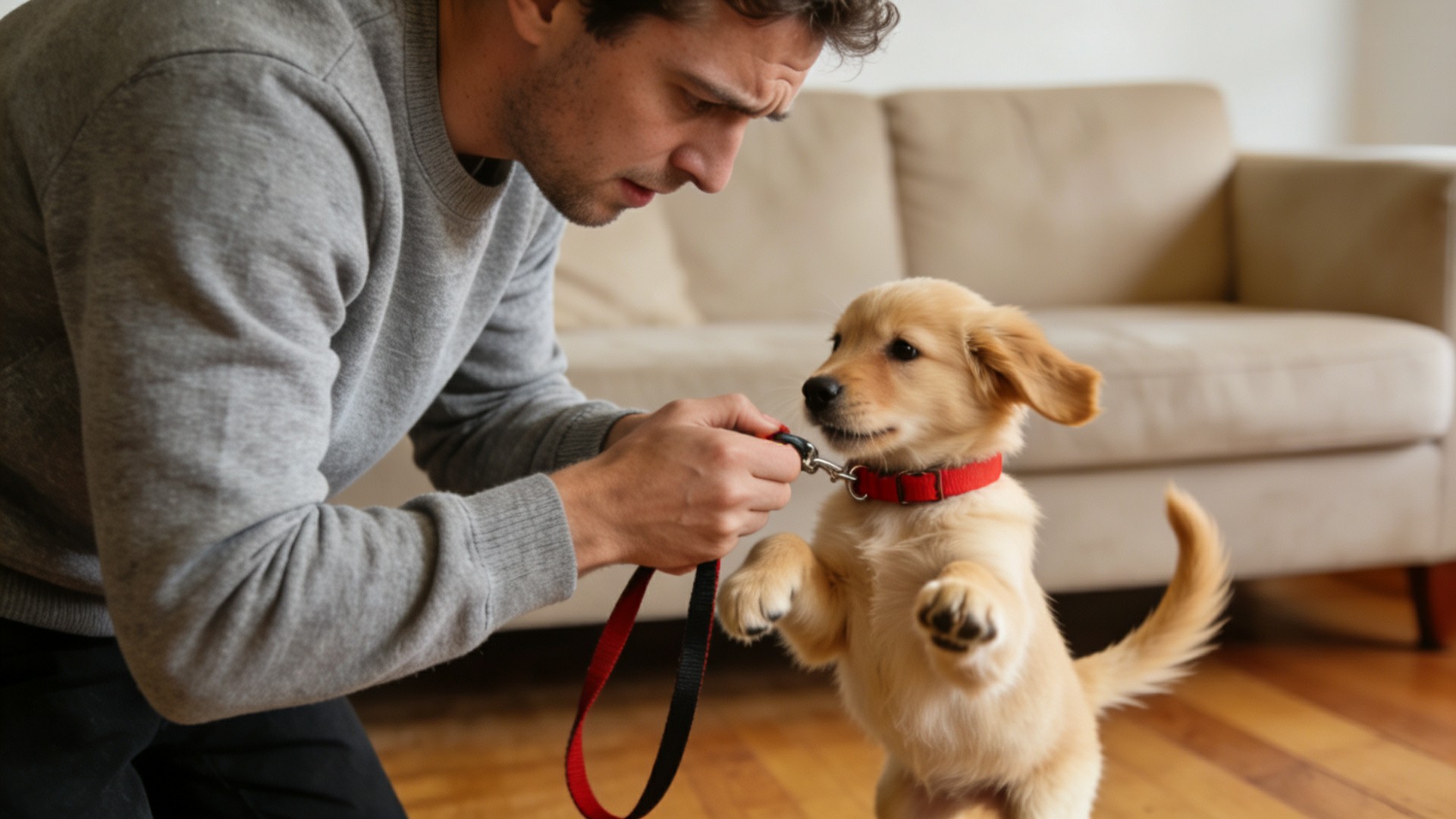
Early stages of leashing puppies: the nascent phase of saying goodbye to "dogs walking people".
The first clip of a leash onto your puppy’s collar is more than a simple act; it’s a profound, foundational moment in your lifelong journey together. This nascent phase is the critical genesis of communication, where the chaotic, instinctual pulls of a curious pup begin to transform into the structured, harmonious rhythm of a proper walk. It marks the intentional first step away from the frustrating and potentially dangerous era of "dogs walking people" and toward a partnership built on mutual respect, understanding, and gentle control. Success here sets the trajectory for all future outdoor adventures, turning the leash from a symbol of restraint into a tether of trust.
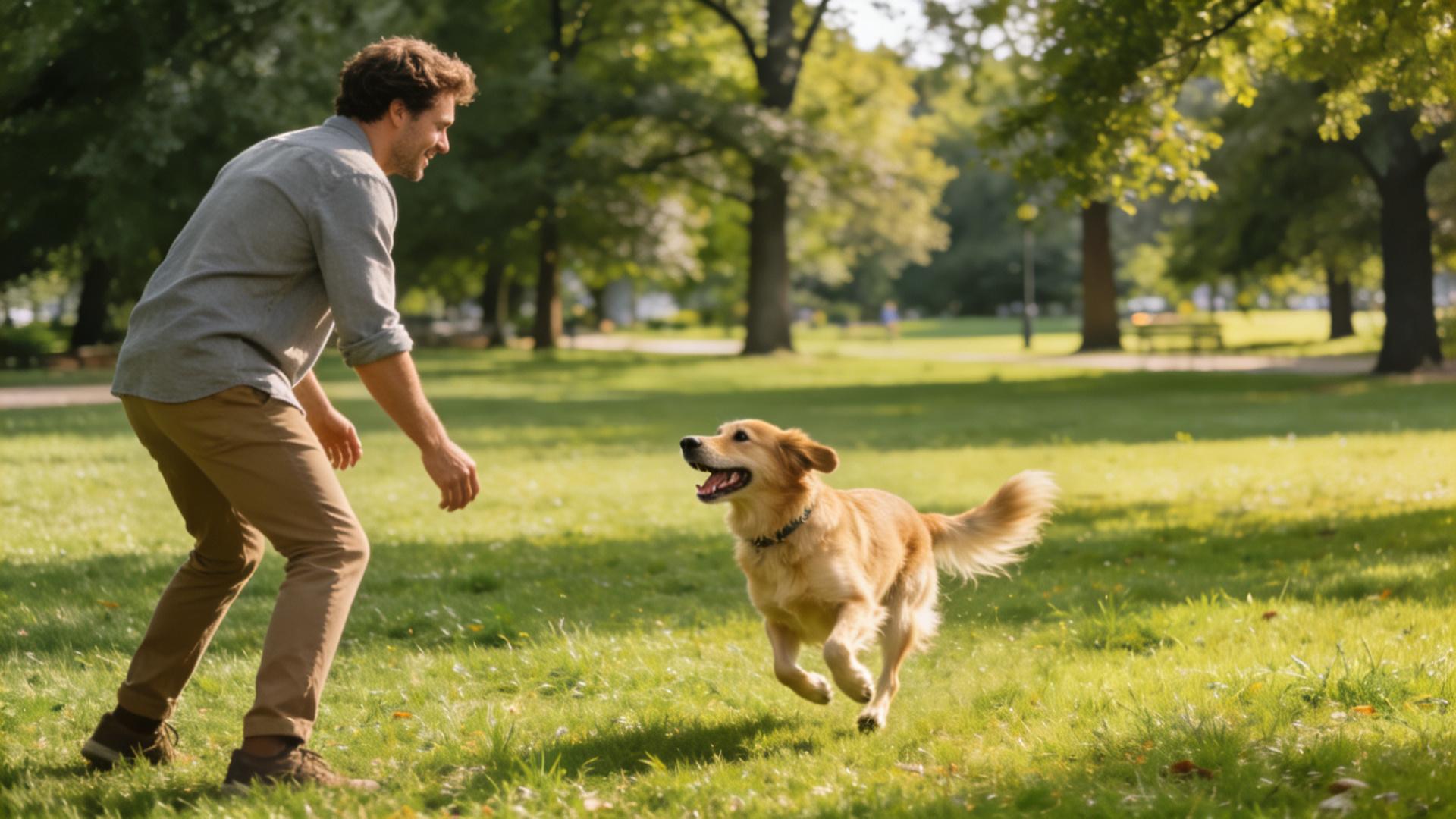
Long-distance recall: Accurately calling back a running dog in the center of the park.
You shout his name, your voice tinged with rising panic. Across the wide-open green, your dog’s ears flick but his body remains locked on the tantalizing scent of a squirrel. He’s too far, too distracted, and you feel a cold wave of helplessness. This scene is the stark reality for many dog owners, highlighting the gap between a basic "come" in the kitchen and a reliable long-distance recall in the real world. Achieving that swift, joyful return from any distance isn't about dominance; it's the pinnacle of trust, communication, and skilled training. It is the ultimate gift of safe freedom. The journey there is methodical, but entirely possible. This guide will walk you through the proven, progressive steps to transform your recall from a hopeful plea into an unwavering response.
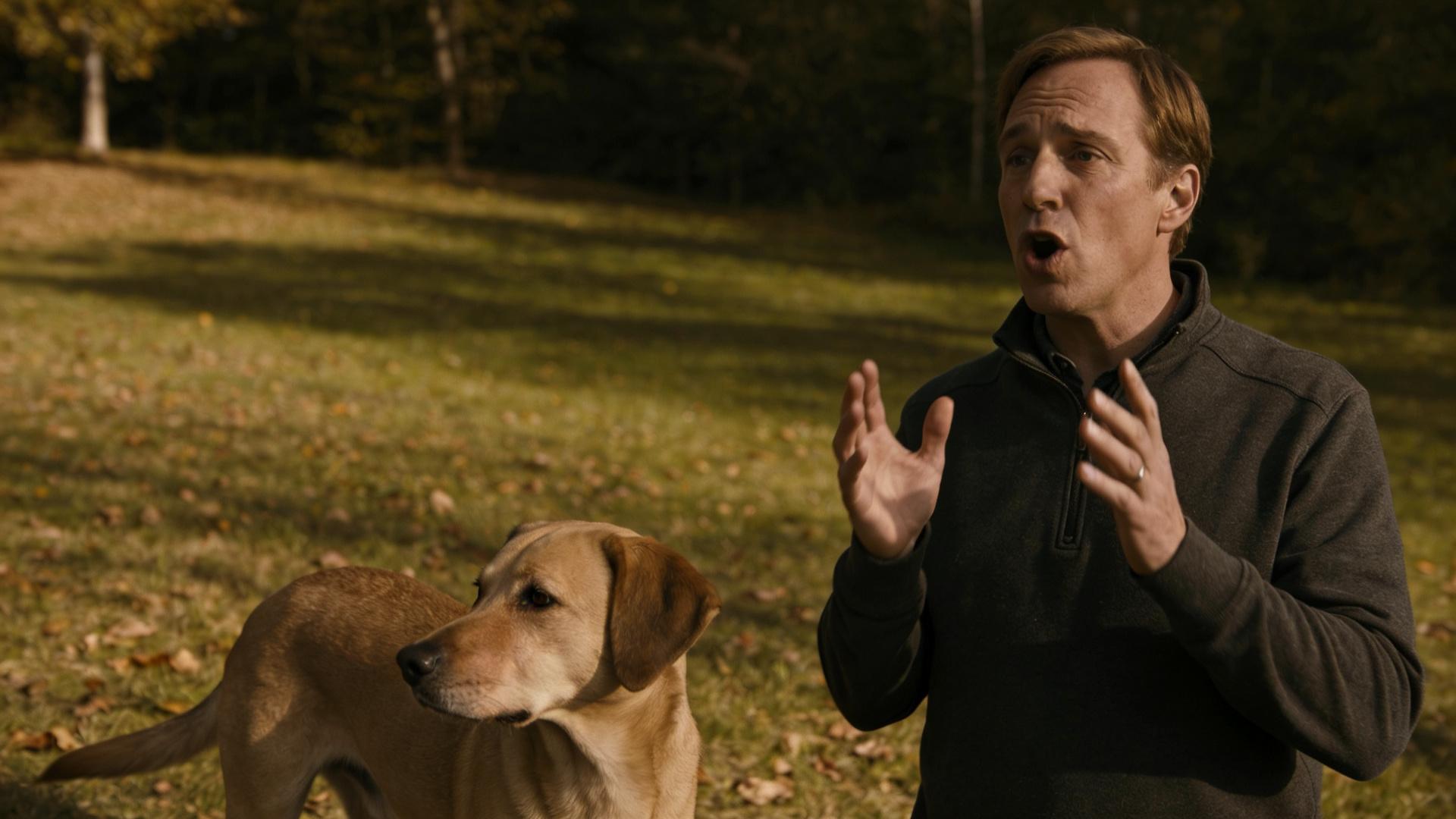
The first "Sit down": How to use gestures to quickly establish command awareness
Welcome, fellow dog lover. If you're standing there, repeating "sit, sit, SIT!" while your dog looks blissfully past you, you're only using half of your communication toolkit. You're speaking, but your dog's native language is visual. This guide will fundamentally transform how you connect with your canine companion, starting with the foundational command: the "sit." We're going beyond the basic verbal cue to unlock the power of silent gestures, building an instant, unwavering layer of command awareness that cuts through noise, distance, and distraction. Let's begin the conversation your dog has been waiting for.
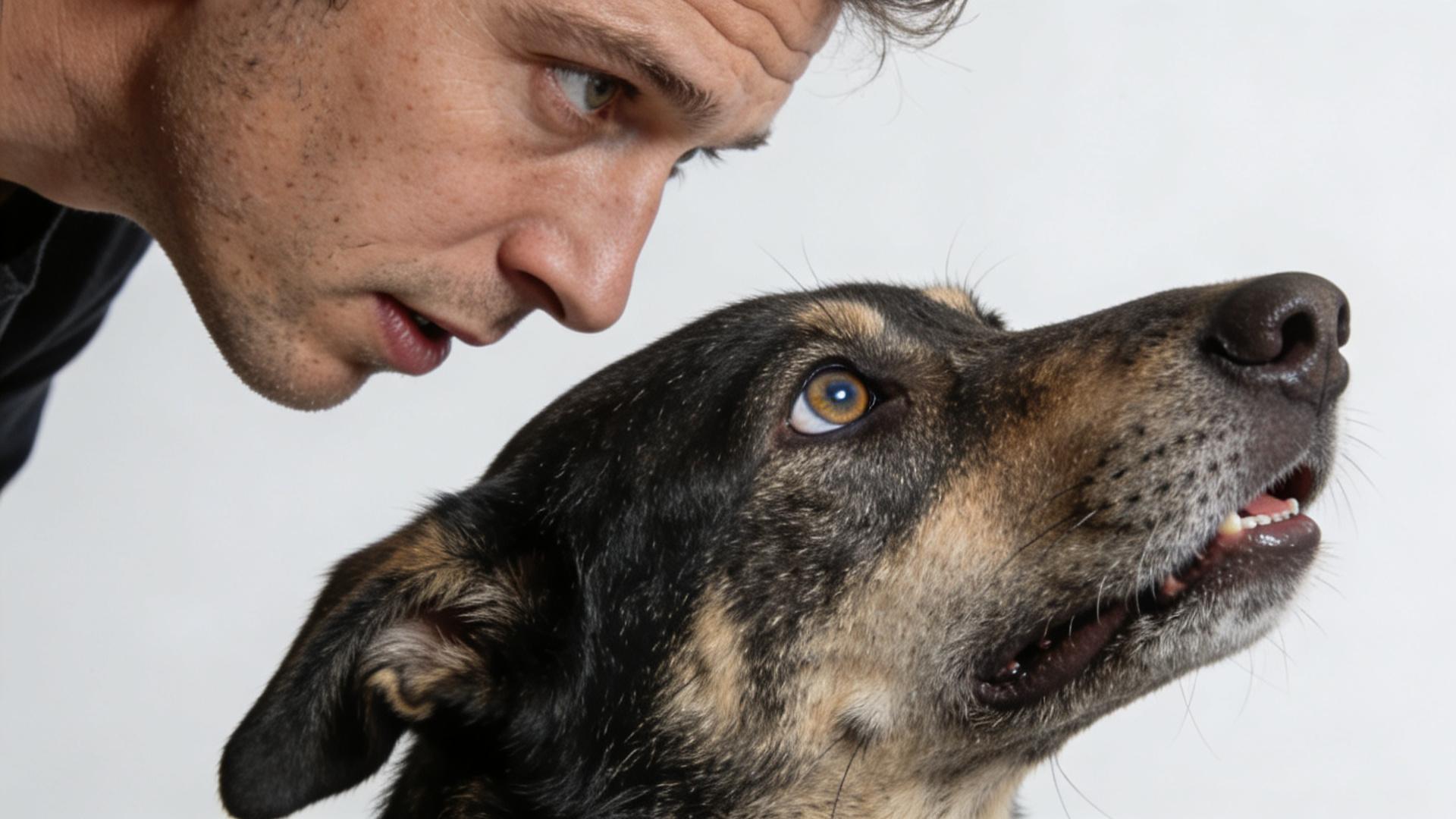
Aggression Prevention: Recognizing 5 Micro-expressions Before a Dog's Attack
In the critical seconds before a dog bite, there is rarely a dramatic growl or a clear snarl. More often, there is a silent, fleeting whisper of tension across the dog's face—a micro-expression that shouts a warning to those who know how to listen. For dog owners, trainers, and anyone who shares their world with canines, learning this silent language is the most powerful tool for aggression prevention. This article will define and detail five critical facial cues that precede an attack. This knowledge is not about fostering fear, but about wielding the proactive power of observation to ensure safety for both humans and dogs.

Solving a dog's "fetish": Why does it always steal its owner's socks?
You’ve just finished folding the laundry, or perhaps you’re rushing to get dressed for work. One crucial item is missing: a sock. You search under the bed, behind the couch, to no avail. Then, you spot it. There, nestled in your dog’s bed, is the missing sock—slightly damp, covered in slobber, but seemingly cherished. If this scene is a daily drama in your home, you’re not alone. The dog sock stealing behavior is a universal, baffling, and often frustrating canine quirk. But what if this isn't just mischievous defiance? What if your dog’s sock obsession is a window into its canine mind? This article will delve into the instinctual drives behind this habit and provide a clear, actionable roadmap to reclaim your hosiery and restore harmony.

Tips for using a food-dispensing ball: prolong your dog's eating time and exercise their brain.
Does your dog inhale their dinner in seconds, only to look up with a bored, "What's next?" expression? 🐾 You're not alone. Rapid eating and under-stimulation are common canine complaints with potentially serious consequences. Enter the humble food-dispensing ball—a deceptively simple tool that can revolutionize your dog's daily routine. More than just a toy, it's a portal to enrichment, transforming a mundane meal into a rewarding, brain-engaging adventure. This comprehensive guide delves deep into practical, professional strategies to maximize this tool's potential. You'll learn to artfully slow down a speed-eater, provide essential mental exercise, and cultivate a happier, more fulfilled companion.