
You May Have Missed
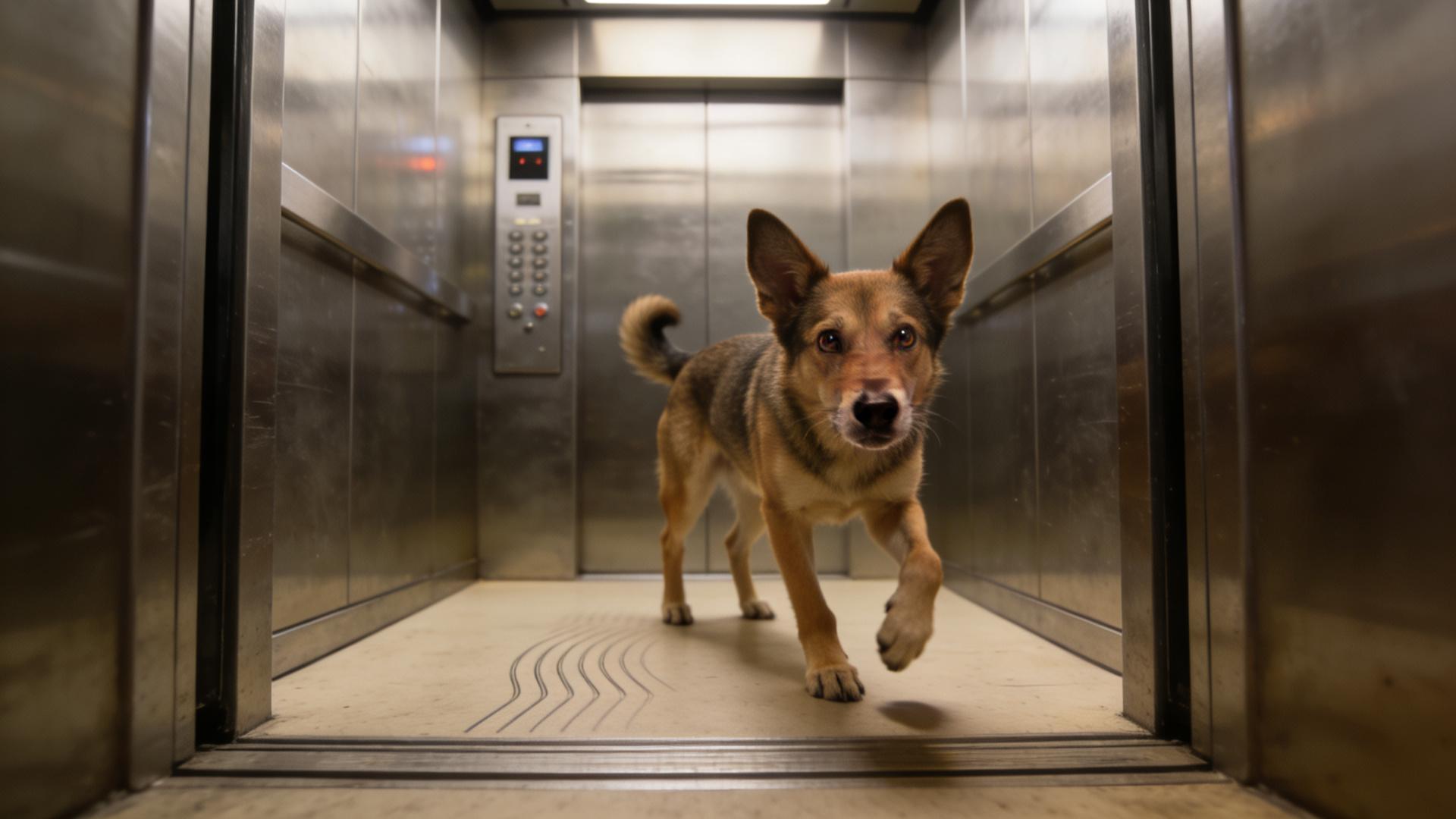
Elevator etiquette training: Calm control when entering confined spaces
The doors slide shut with a soft whoosh, the floor gives a slight lurch, and suddenly, the world feels very small. For many dogs, an elevator ride is a confusing cocktail of strange sounds, confined space, and unpredictable movement. Imagine your dog, panting heavily, pulling on the leash, or even trying to bolt as the doors open. This common scenario isn't just stressful—it can be a safety risk for everyone involved. Training your dog for elevator etiquette is not a luxury; it's a crucial skill for urban living that ensures safety and comfort for your pet, you, and fellow passengers. With patience and the right approach, you can transform this daunting experience into a calm, controlled routine.
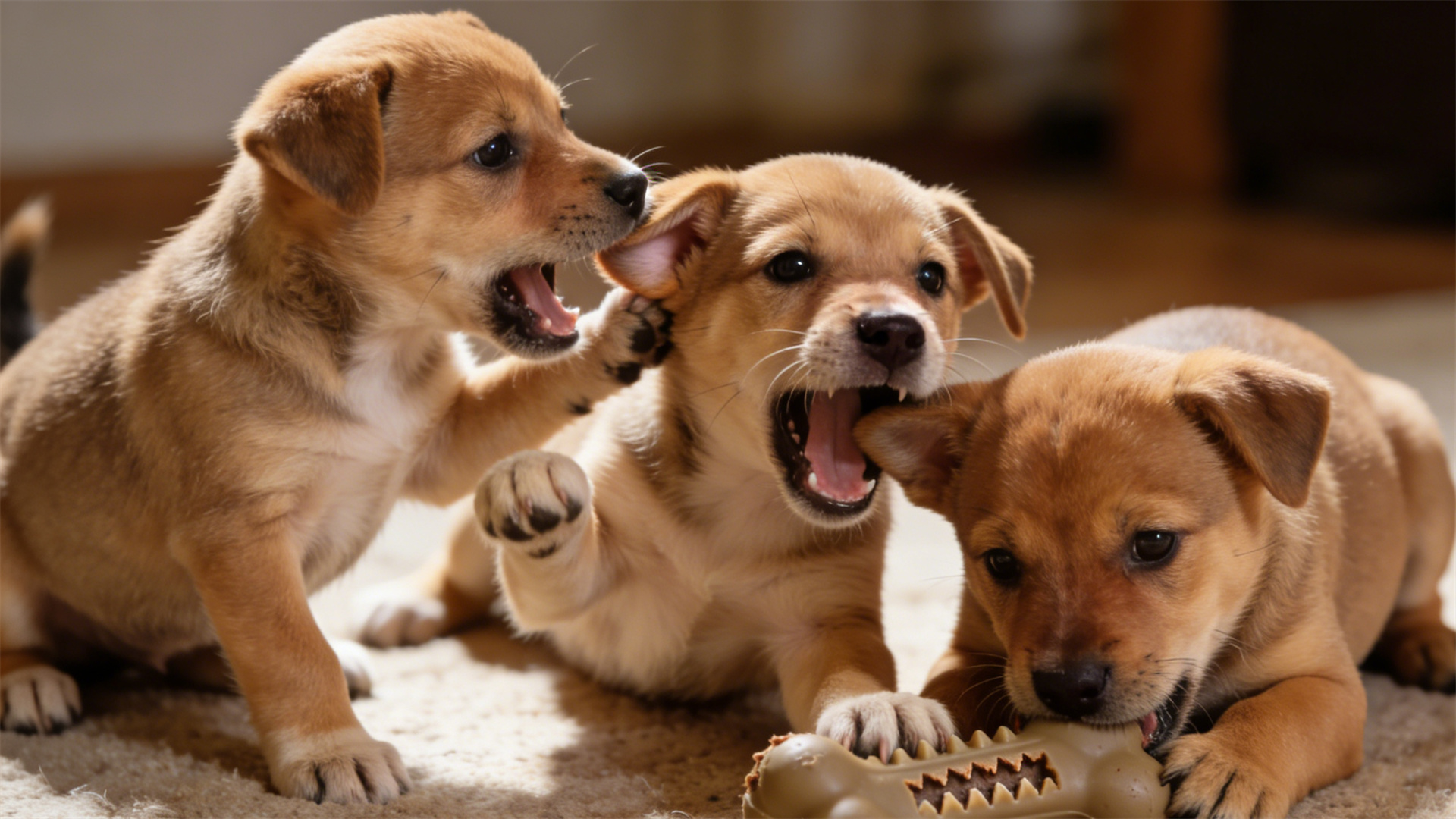
Preventing Puppies from Biting Their Hands and Feet: Correct Feedback for Correcting Puppy Biting
The joy of bringing home a new puppy is often quickly tempered by the sharp pinch of needle-like teeth on your fingers and toes. If you’ve found yourself asking, “Why does my puppy keep biting my hands and feet?” you are absolutely not alone. This is one of the most common and frustrating challenges for new dog owners. However, this behavior is a normal part of canine development, not a sign of an aggressive dog. The key lies in understanding the why behind the bites and implementing a consistent, positive strategy for preventing puppy biting. Timely and correct intervention is crucial for your safety, your puppy’s future social skills, and a harmonious home.
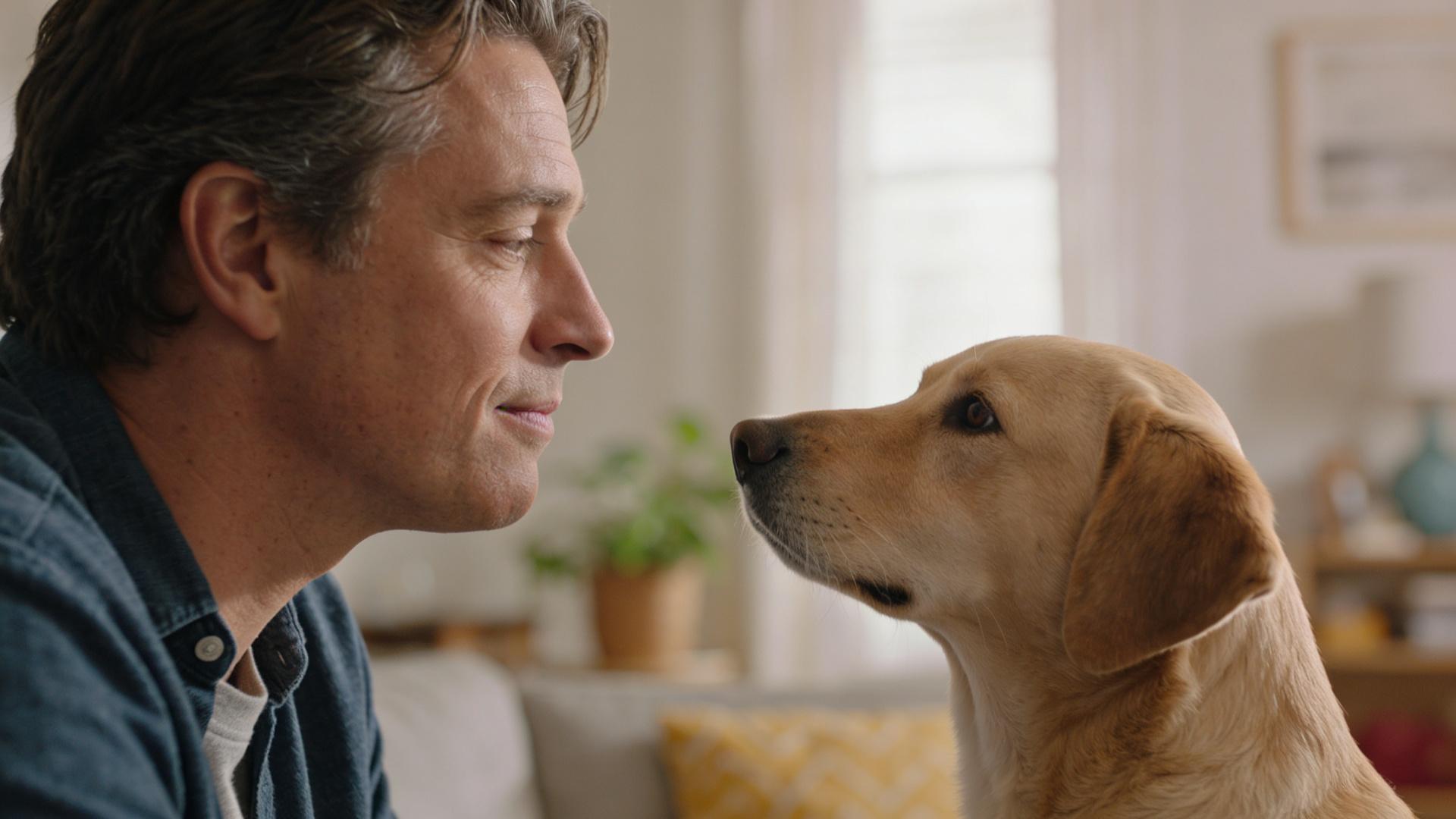
Emotional synchronization: How does the owner's anxiety interfere with training effectiveness?
Picture this: You’re in the backyard, treat pouch on your hip, ready to practice a solid "stay." You give the cue, take one step back, and your dog immediately breaks position. A wave of frustration rises. You try again, your voice tightening. Your dog now seems distracted, sniffing the ground, avoiding eye contact. The more you try to "get it right," the worse it gets. Your anxiety climbs, and your dog’s behavior unravels in tandem. Why does it feel like your emotional state is the invisible hand guiding—or sabotaging—your training session? The answer lies in a powerful, biological phenomenon: emotional synchronization. This is the shared emotional leash that connects your inner world directly to your dog's ability to learn, focus, and cooperate.
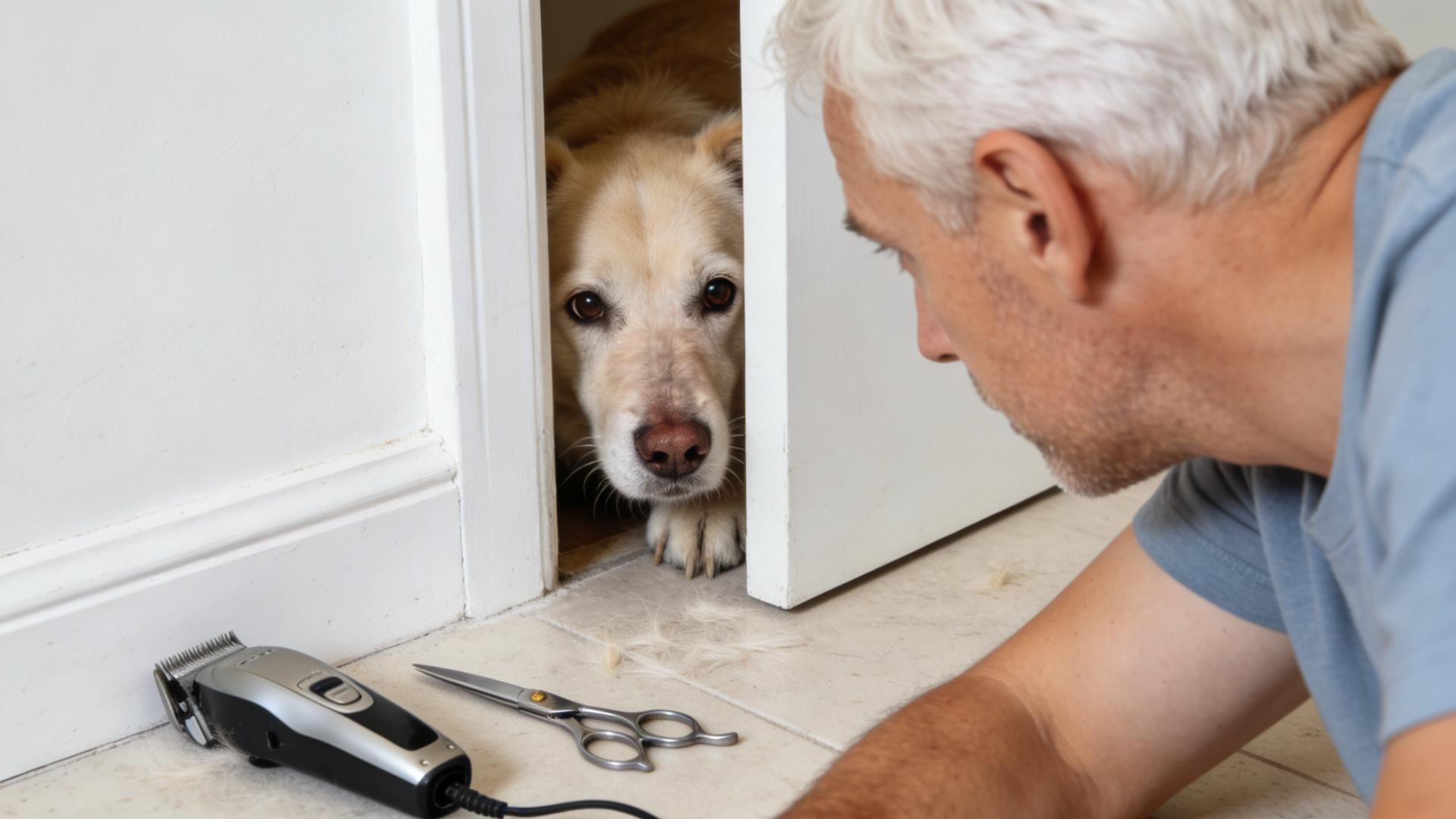
Alleviating grooming phobia: Helping dogs overcome their fear of scissors and clippers
For many dog owners, the simple mention of "grooming day" can induce a wave of dread. What should be a routine part of canine care—vital for health, hygiene, and comfort—can devolve into a traumatic struggle of fear, restraint, and stress. Grooming phobia is a prevalent, complex issue where a dog perceives scissors, clippers, and the entire grooming process as a significant threat. Transforming this experience from a nightmare into a manageable, even positive, routine is not only possible but essential for your dog's lifelong well-being. This comprehensive guide delves into the roots of this fear and provides a structured, empathetic path forward, strengthening the bond between you and your pet.
Randomizing rewards: How to keep your dog looking forward to commands
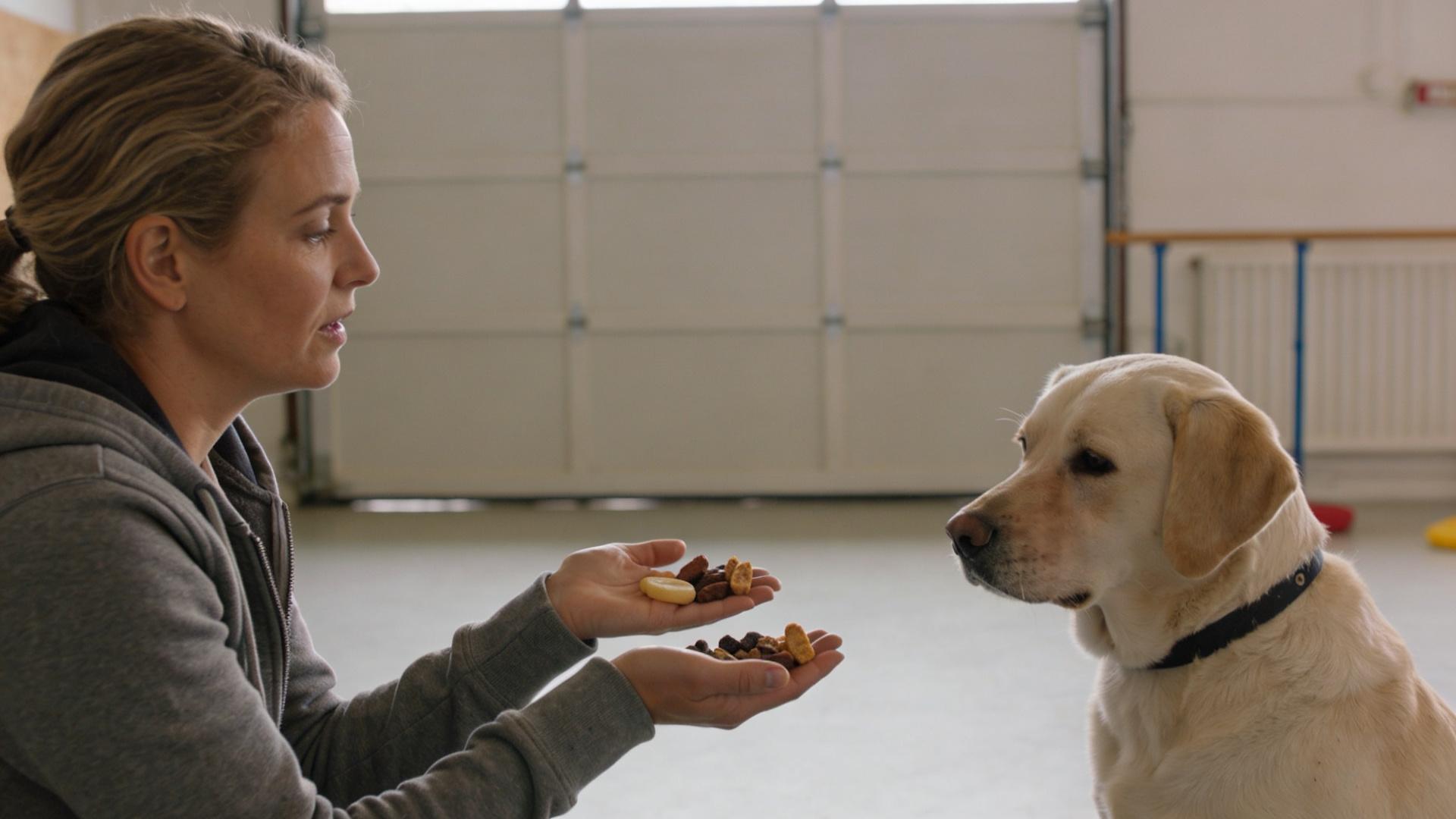
You’ve nailed the basics. Your dog can sit, stay, and come on command. But lately, you’ve noticed a lag—a reluctant plop into a "sit," a distracted glance during "stay." The spark of enthusiastic obedience seems to have dimmed. You’re not alone. This training fatigue, for both owner and dog, is a common hurdle. The culprit is often predictability. The solution? Mastering the art of randomizing rewards. This article will transform your approach to dog training by introducing you to the powerful psychological principle of variable reinforcement, a method that will reignite your dog’s motivation and forge an unshakeable, joyful response to your commands.
2026 Puppy Training Kit: 5 Essential Training Tools for New Parents
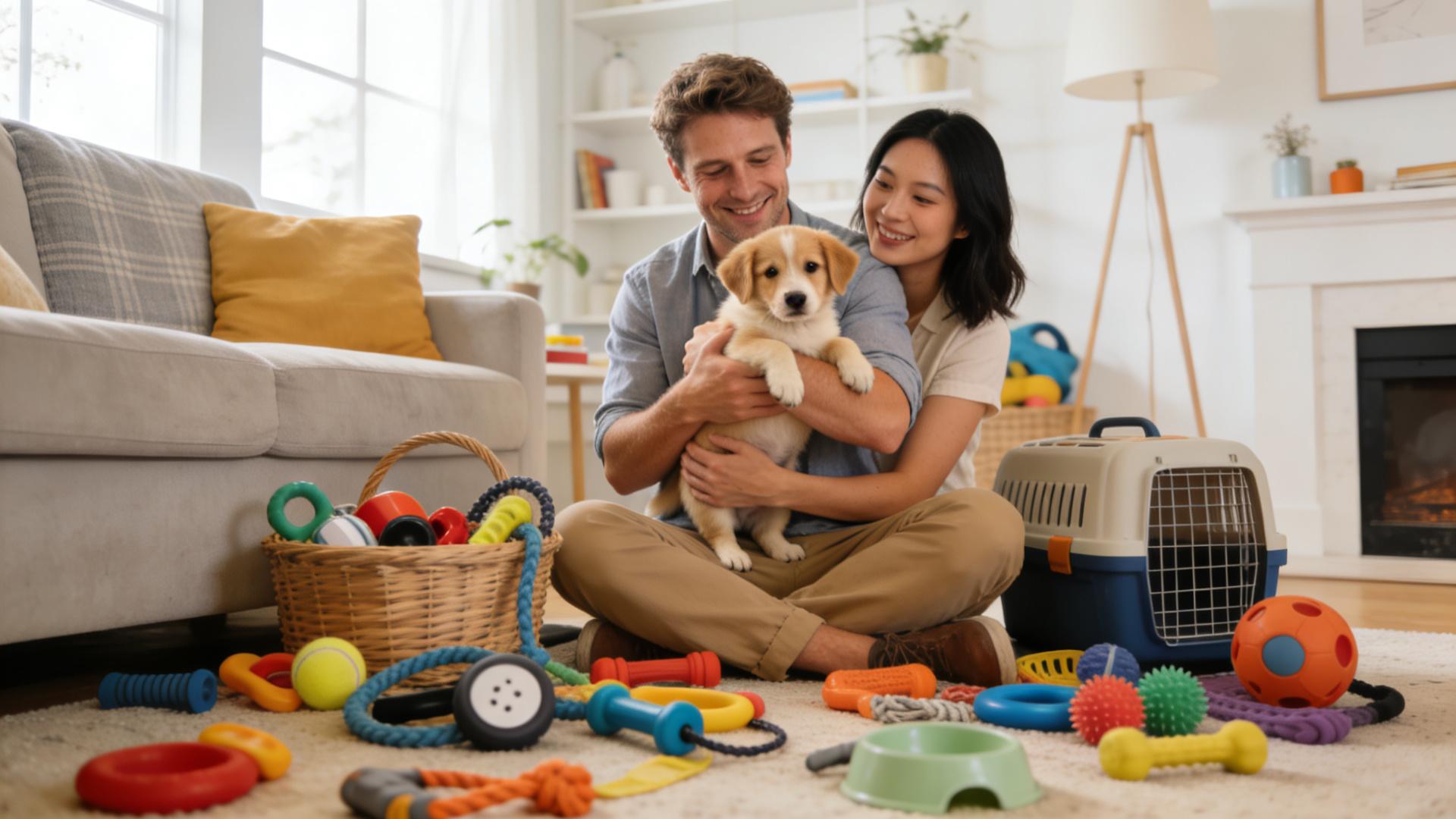
Bringing home your new puppy is a whirlwind of joy, cuddles, and… pure, unadulterated overwhelm. Between the excited piddles, the sharp little teeth, and the sudden midnight serenades, it’s easy for first-time pet parents to feel lost. Traditional training advice is plentiful, but the future of puppy parenting is here, blending timeless canine psychology with smart technology and innovative design. Welcome to the 2026 Puppy Training Kit, a curated collection not just of supplies, but of solutions. This guide cuts through the noise to present five essential tools designed to make your training journey more efficient, effective, and deeply connected. Let’s transform that adorable handful of chaos into a well-mannered companion with tools that empower you both.