
You May Have Missed

Do dogs suffer from PTSD? Understanding the psychological rebuilding process after abuse or homelessness.
For anyone who has welcomed a rescue dog into their home, witnessed a formerly confident pup become fearful after an accident, or simply looked into the eyes of a dog with a mysterious past, a poignant question often arises: Can dogs experience something akin to our human Post-Traumatic Stress Disorder? The answer, resoundingly supported by veterinary behaviorists and modern science, is yes. Canine PTSD is a very real, diagnosable, and treatable condition. Dogs who have endured profound trauma—be it abuse, neglect, a violent attack, a natural disaster, or the relentless stress of homelessness—can bear lasting psychological wounds. Understanding this reality is not an exercise in anthropomorphism; it is the crucial first step toward providing the compassionate, informed care these resilient animals need. This comprehensive guide will delve into the signs of canine PTSD, explore the roots of trauma, and most importantly, map out the patient, nuanced journey of psychological rebuilding. $image$
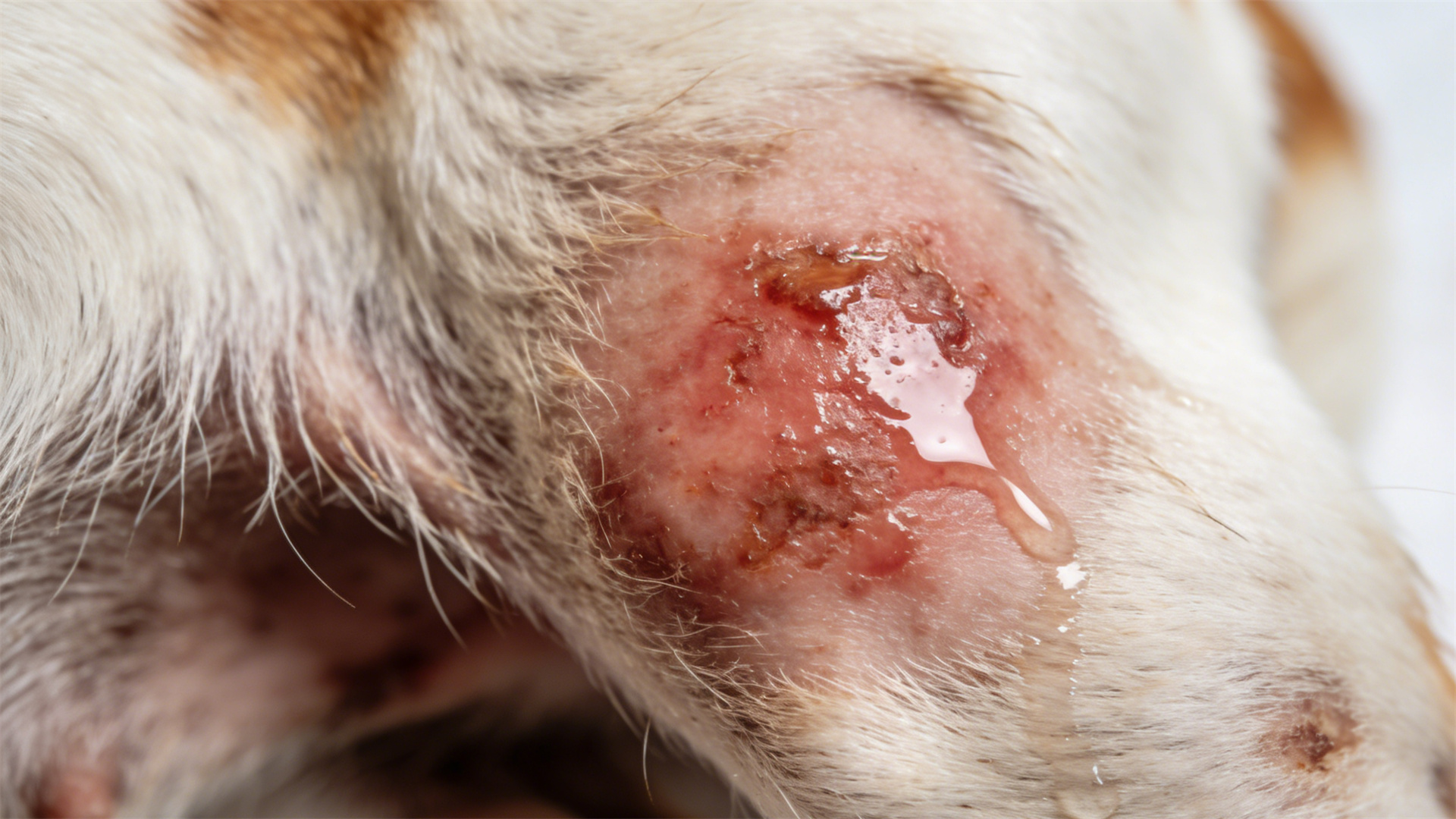
Health risks after getting wet in the rain: eczema, colds, and the details of drying your skin.
The joyous, muddy puddle jump, the enthusiastic sprint through a downpour—for many dogs, rainy weather is just another exciting element of their outdoor adventure. However, as they shake off in your hallway, a hidden process begins. That sodden coat isn't just an inconvenience; it's a potential gateway to a range of health issues that can dampen your canine companion's spirits far more than the weather. For the responsible pet owner, understanding the health risks posed by lingering moisture and mastering the art of proper drying are not just chores, but critical acts of preventative healthcare. This comprehensive guide delves into the science behind the risks, from the itchy menace of canine eczema to the sneezes of a dog cold, and provides an exhaustive, step-by-step protocol to ensure your dog is truly dry, safe, and comfortable after every wet outing.

Senior dog care: How to adjust home furnishings according to declining vision
Watching your faithful companion age is a journey filled with deep love and, sometimes, quiet concern. Noticing the first signs of vision decline—a hesitant step in dim light, a slight bump into a chair that’s always been there—can pull at your heartstrings. You want to help, to ensure their golden years are safe and comfortable. The wonderful news is that with some thoughtful, simple adjustments to your home, you can dramatically reduce your senior dog’s anxiety and risk of injury, transforming your shared space into a sanctuary of confidence. This guide will walk you through creating a vision-friendly home, an act of profound love that supports their independence and deepens your bond.
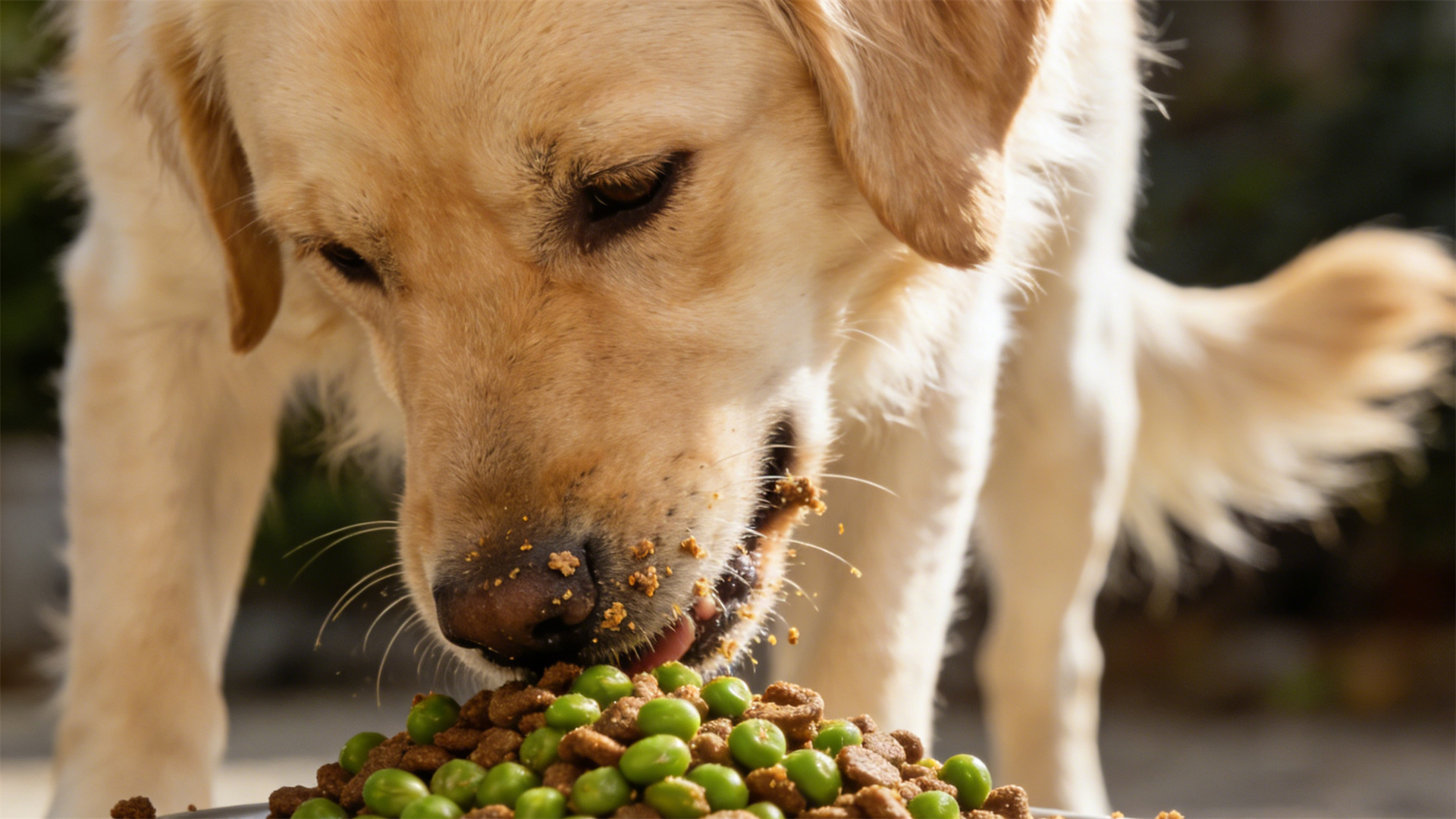
Labrador Retrievers' gluttonous genes: How to control their weight using "pseudo-satiety"
If you share your life with a Labrador Retriever, you know the look all too well. The soulful, unwavering stare at your sandwich. The impressive "counter-surfing" agility for a stray crumb. The profound sadness when their bowl is empty mere seconds after you fill it. You're not imagining it; your Lab's insatiable appetite is a universal struggle, backed by hard science. But what if you could hack their hunger? This article dives into the proven genetic link behind their food obsession and introduces the powerful, compassionate management tool of pseudo satiety. We promise you will leave with a complete, actionable strategy to help your beloved foodie live a healthier, leaner, and longer life.
A Must-Read Nutritional Balance Formula for Homemade Dog Food: Avoiding Common Misconceptions Leading to Anemia
As a loving dog owner, you've likely considered homemade meals to provide the best for your furry companion. But did you know that well-intentioned kitchen efforts are a leading cause of nutritional deficiencies like anemia in dogs? A startling number of pets on homemade diets suffer from preventable health issues due to imbalanced nutrition. This article serves as your comprehensive guide, offering a reliable nutritional balance formula and dismantling the dangerous misconceptions that put your dog's health at risk. Let's ensure your culinary love translates into genuine, lifelong vitality for your pet.
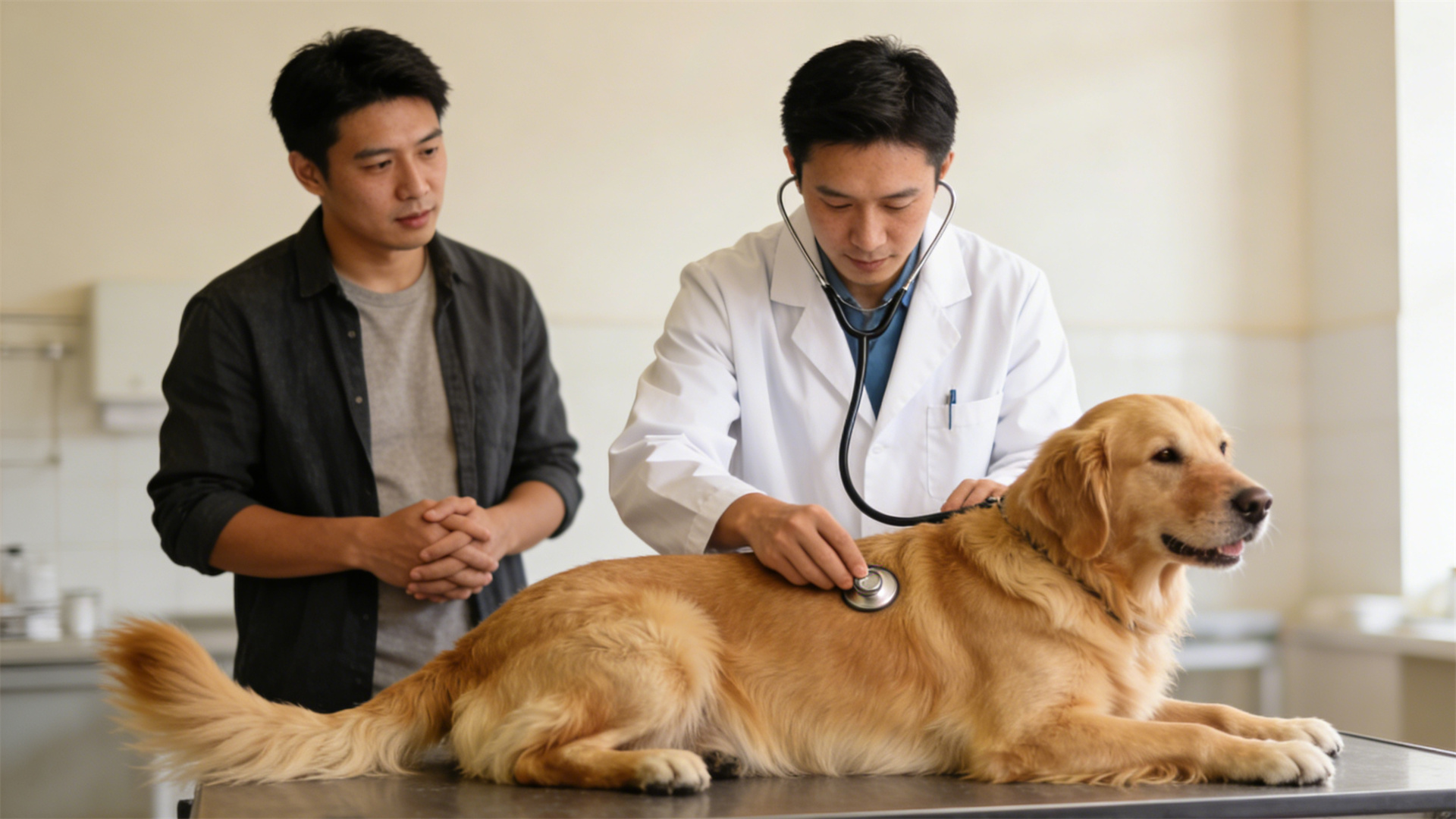
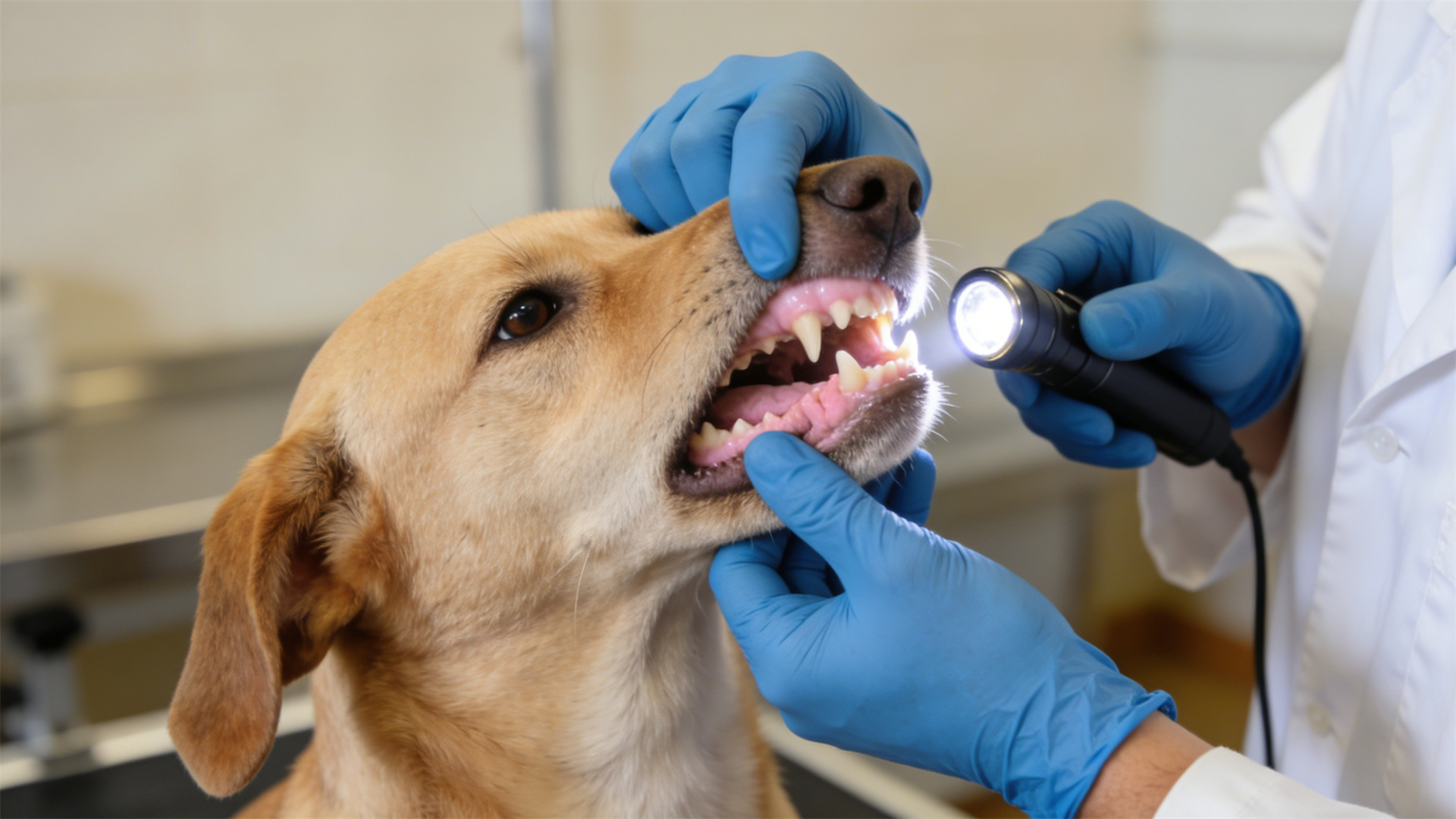
Full-cycle physical examination checklist
Have you ever looked at your dog and wondered if they're truly as healthy as they seem? That wagging tail and eager eyes can sometimes hide subtle signs of discomfort or early illness. As a devoted dog owner, your vigilance is the first line of defense in your pet's lifelong wellness journey. A full-cycle physical examination is not merely a sporadic vet visit; it's a proactive, consistent practice of observation and assessment that spans from puppyhood to the senior years. This comprehensive canine health checklist empowers you to become an active partner in your dog's health care. By mastering this nose-to-tail exam, you'll learn to spot minute changes, communicate effectively with your veterinarian, and ultimately, add more happy, healthy years to your dog's life. Let's embark on this essential aspect of responsible pet ownership together.