
You May Have Missed
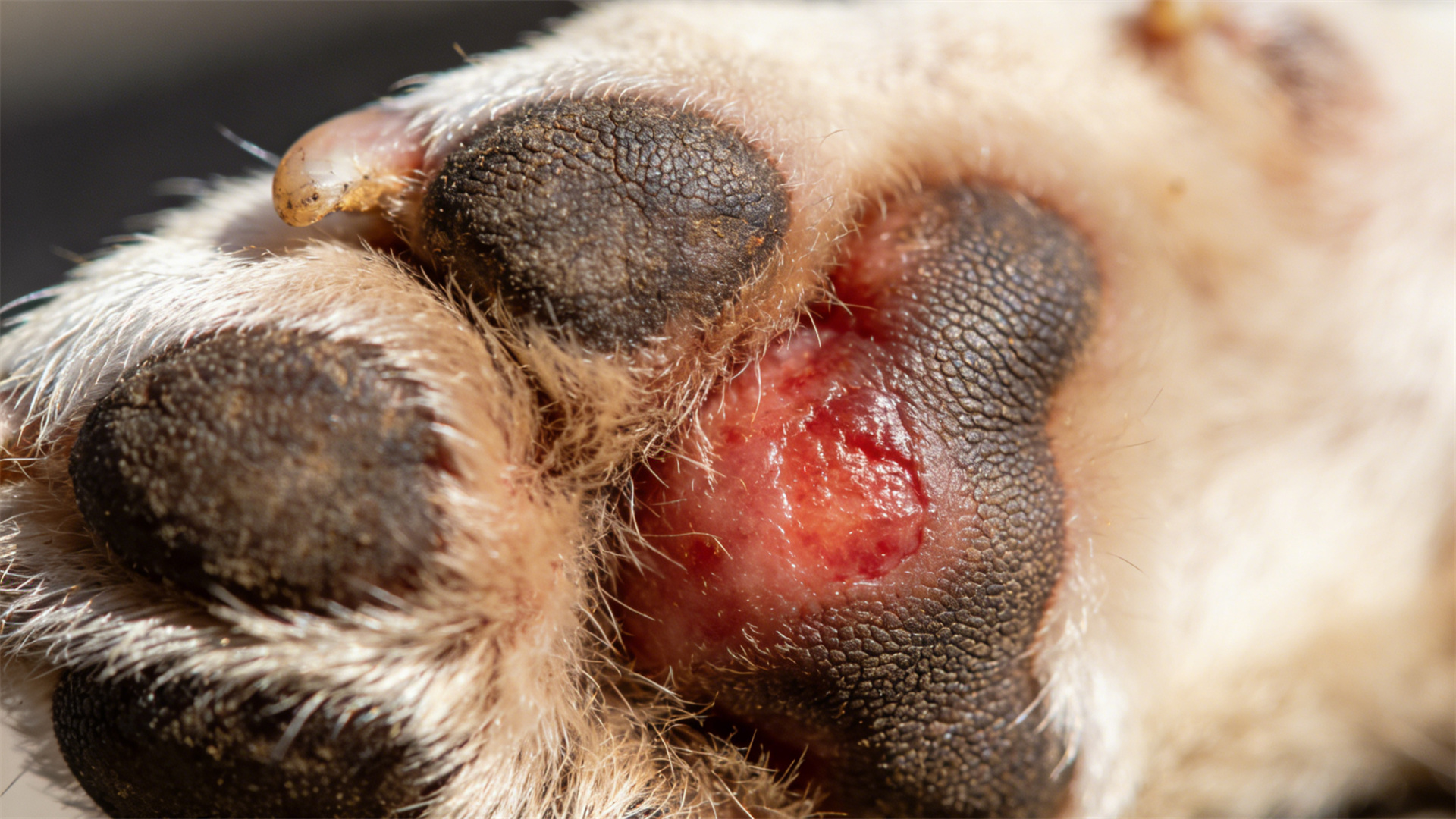
Health signals from between the toes: Thorough prevention and intervention for interdigital dermatitis
You’ve seen it a hundred times: your beloved dog curled up, intently focused on licking or chewing at their paws. It might seem like a harmless, quirky habit. But what if that persistent nibbling is a distress signal, a plea for help written in the language of discomfort? The spaces between your dog’s toes—the interdigital spaces—are more than just gaps; they are sensitive, vital health monitors. Ignoring their signals can lead your pet down a path of pain and chronic infection. This guide will empower you to become an expert in recognizing, preventing, and tackling interdigital dermatitis, one of the most common yet misunderstood canine ailments.

Peritonitis and Sepsis: First Aid and Post-Ingestion Health Management for Dogs
In the world of canine emergencies, few situations are as stealthy and devastating as peritonitis and its deadly progression to sepsis. These conditions represent a cascade of internal catastrophe where every minute counts. Peritonitis is a severe, often painful inflammation of the abdominal lining, typically caused by a rupture or infection. Sepsis is the body's overwhelming and life-threatening response to that infection, which can spiral into septic shock, organ failure, and death with terrifying speed. This guide is your crucial resource. Its purpose is to arm you, the devoted dog owner, with the knowledge to recognize the early warning signs, administer stabilizing first aid, and navigate the critical path of post-veterinary care to give your beloved companion the best chance at survival.
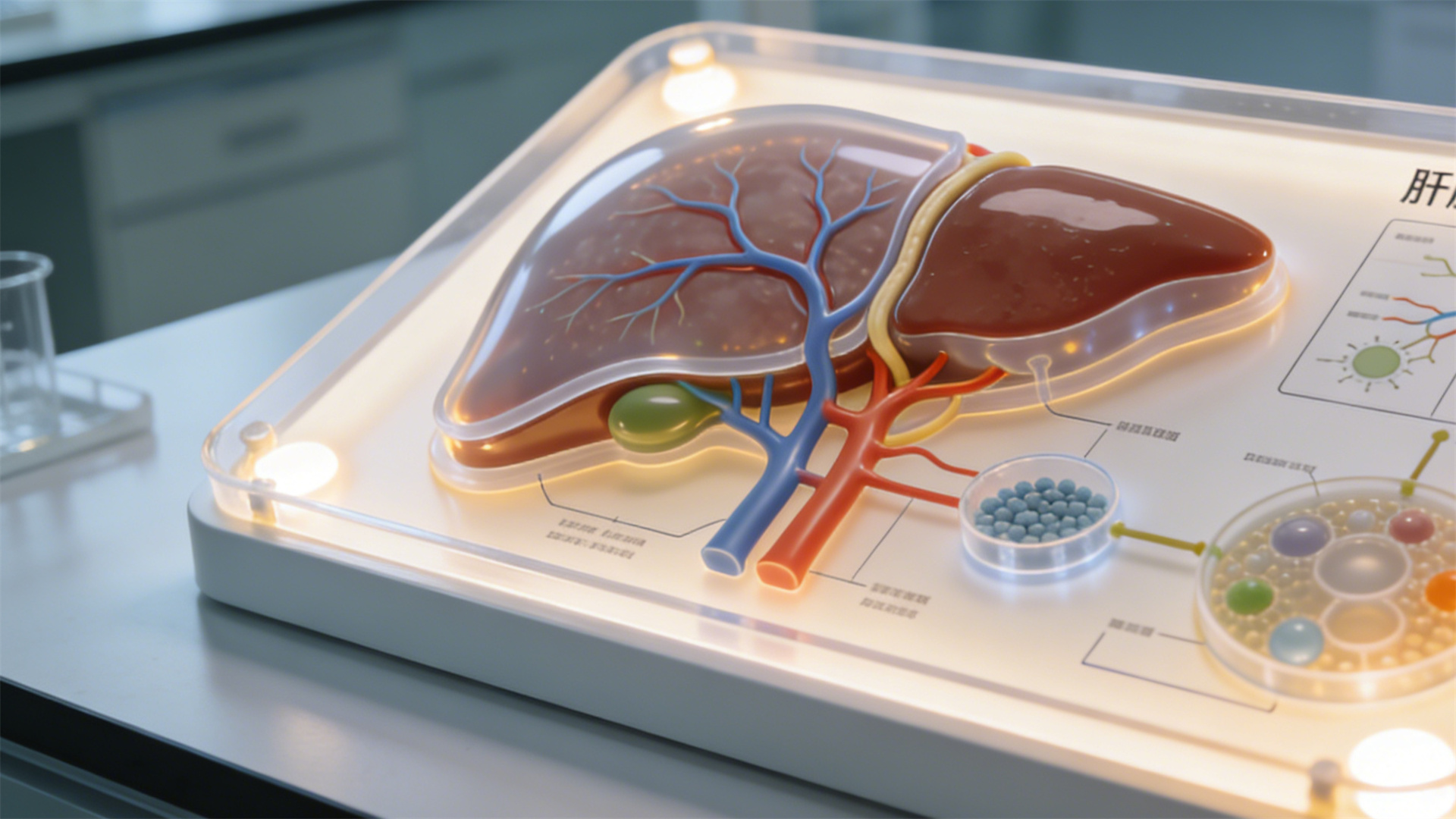
Metabolic stress of deworming medication: How to find a balance between high-frequency deworming and liver protection
As a devoted dog owner, you know that parasite prevention is a non-negotiable pillar of responsible pet care. The image of a healthy, playful pup is one free from the burden of internal worms. But in our quest to protect them, could we be inadvertently stressing another vital system? The very medications designed to safeguard our dogs must be processed by their bodies, primarily through the liver. This creates a scenario of metabolic stress—a hidden cost that demands our attention. This article delves into the science behind this process, explores the debate on deworming frequency, and provides a practical roadmap to balance effective parasite control with robust liver protection for dogs.

Early warning of infectious diseases
For every dog owner, the bond with their furry companion is built on love, trust, and a deep-seated responsibility for their health. Infectious diseases pose a silent but significant threat, capable of escalating from mild discomfort to life-threatening emergencies with alarming speed. Early detection is not just beneficial; it is critical. Recognizing the subtle, initial signs of illness can drastically improve treatment outcomes, reduce suffering, and prevent the spread to other animals. This comprehensive guide empowers you to become your dog's first and most important health advocate, detailing the key early warning signs you must monitor and providing actionable insights for superior canine care.

Clinical Nutrition Guidelines
Navigating the world of dog food is complex, but when your dog faces a health challenge, nutrition transforms from a matter of sustenance to a powerful component of medical therapy. This article delves into the specialized realm of canine clinical nutrition—a field where food is meticulously formulated as a tool to manage, mitigate, and sometimes even help treat specific diseases. Our goal is to translate veterinary science into clear, actionable guidance, empowering you to become an informed partner in your dog's healthcare journey. Clinical nutrition is not about the latest trend; it's about targeted, evidence-based dietary intervention.

Hidden Concerns about Drinking Water Health: The Effects of Tap Water, Purified Water, and Mineral Water on Dogs' Kidneys
For the devoted dog owner, every wag, every bark, and every soulful gaze is a reminder of the profound bond we share. We meticulously choose their food, schedule their exercise, and lavish them with care. Yet, there is one fundamental, often overlooked, element coursing through every aspect of their well-being: water. It is the essence of life, comprising about 60-70% of an adult dog's body weight and playing a critical role in every cellular function. While we ensure the bowl is never empty, have we ever paused to consider what is in that bowl? This article delves into a hidden, long-term concern—the subtle but significant impact of different water types on the cornerstone of your dog's filtration system: their kidneys. We will dissect the profiles of tap water, purified water, and mineral water, moving beyond myth to provide clear, actionable guidance for safeguarding your canine companion's vitality through informed hydration.