
You May Have Missed

Choosing a dog chew toy: The potential impact of its softness/hardness on gum health
Every dog owner knows the joy of handing their pup a new chew toy. That immediate, tail-wagging focus is pure bliss. But beyond mere entertainment, a chew toy serves a critical role in your dog's physical and mental well-being. It's not just a plaything; it's a key tool for oral hygiene, stress relief, and instinctual satisfaction. However, the wrong choice can silently undermine your dog's gum health, leading to discomfort or even serious dental issues. This raises a pivotal question for every responsible pet parent: How does the texture—the very softness or hardness—of a chew toy influence the delicate state of a dog's gums? Let's delve into the science and expert advice to find the optimal chew for a happy, healthy smile.
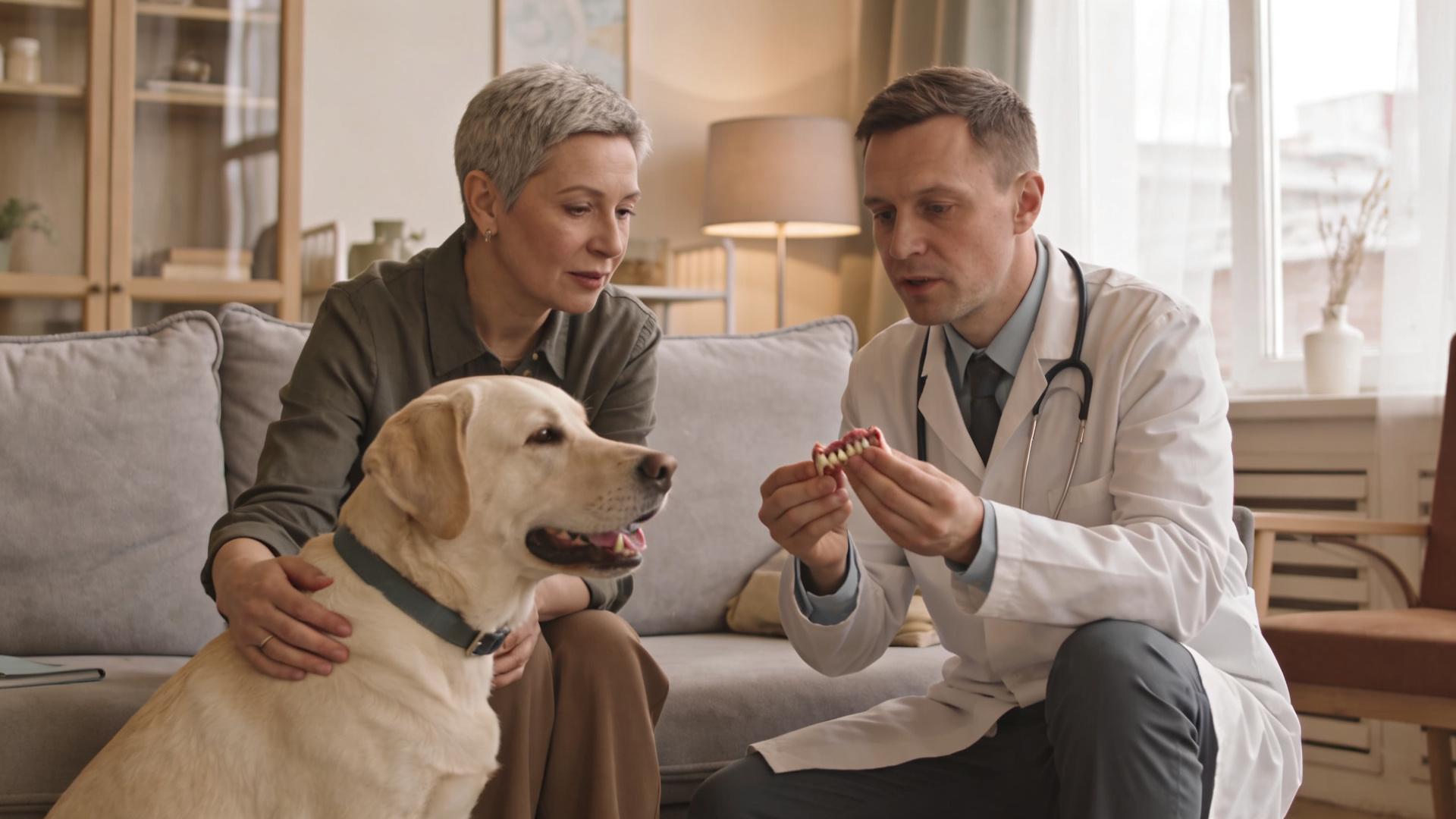
Preventing periodontal disease: Oral care habits that only take 30 seconds a day
Did you know that by the age of three, over 80% of dogs show signs of periodontal disease? 🦷 It’s the most common clinical condition occurring in adult dogs, yet it’s also one of the most preventable. The thought of adding another lengthy task to your daily routine can be daunting. But what if effective prevention wasn't a chore? This guide delivers on a powerful promise: building a healthy mouth for your dog with habits that take just 30 seconds a day. By investing half a minute now, you can save your dog from pain, protect their overall health, and avoid costly veterinary dental procedures down the line.
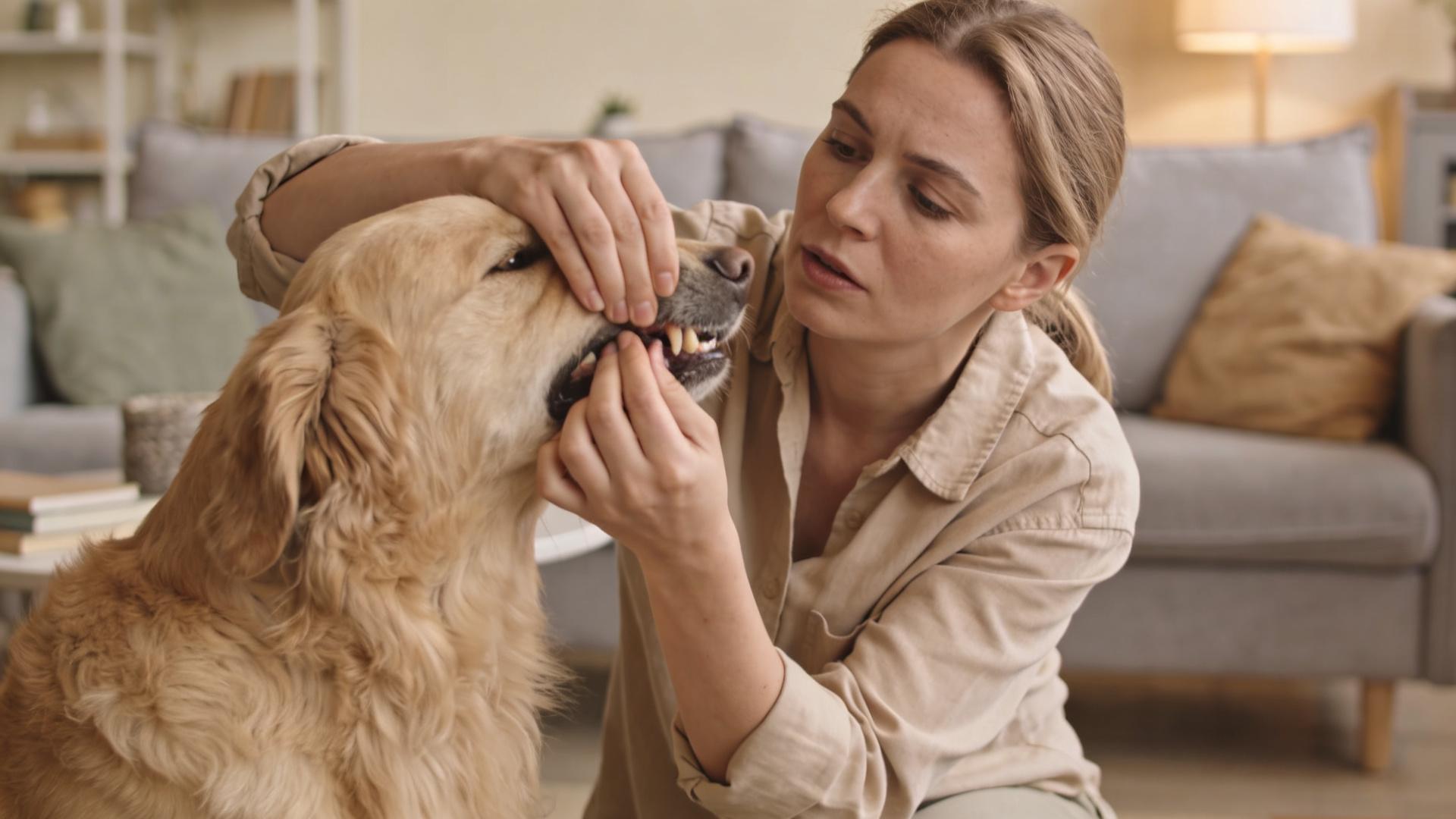
Canine oral ulcer care: How to promote healing through daily cleaning
Seeing your dog flinch while eating, drooling more than usual, or hesitating to play with their favorite toy is heart-wrenching. 🐾 Discovering an angry-looking sore inside their mouth can instantly spike any pet parent's anxiety. You're not just worried about their pain; you're overwhelmed with questions about how to help. The path to relief starts with understanding one non-negotiable truth: consistent, gentle daily cleaning is the cornerstone of healing canine oral ulcers. While a veterinarian must diagnose the root cause, your care at home creates the clean environment essential for recovery. This guide will provide you with a compassionate, step-by-step plan to confidently perform this crucial aspect of health care, turning a daunting task into a manageable, healing ritual for you and your dog.

Dog not cooperating with nail trimming? The whole process of "bloodline" recognition and desensitization training.
For countless dog owners, the simple act of trimming their dog's nails transforms into a high-stakes drama. The frantic scrambling, the desperate hiding under the bed, the pitiful whines, and the occasional snap of fear—it’s a scene played out in homes everywhere. You're not alone in this struggle. Many resign themselves to a lifetime of scratched floors, awkward "click-clack" sounds on tile, and expensive, stressful trips to the groomer. But what if your dog's intense resistance isn't mere stubbornness or a "bad attitude"? What if it's a profound, deep-seated instinct screaming in panic? Understanding this fundamental truth is the pivotal first step away from the battlefield and toward a peaceful, cooperative solution. This guide merges the **science of canine behavior** with a compassionate, step-by-step training protocol to finally make nail care a neutral—or even positive—experience for you and your dog.
Mental health monitoring
For decades, the focus of pet care was predominantly on physical health—vaccinations, nutrition, and exercise. However, a profound shift has occurred, recognizing that our canine companions possess rich emotional lives. Just like humans, dogs can experience stress, anxiety, and depression. Monitoring your dog's mental health is not a luxury; it's a critical component of responsible ownership that directly impacts their quality of life, behavior, and even physical health. This comprehensive guide will empower you, the dedicated dog owner or caregiver, with the knowledge to spot the subtle signs of distress and provide actionable, empathetic support to cultivate a happier, more balanced pet.
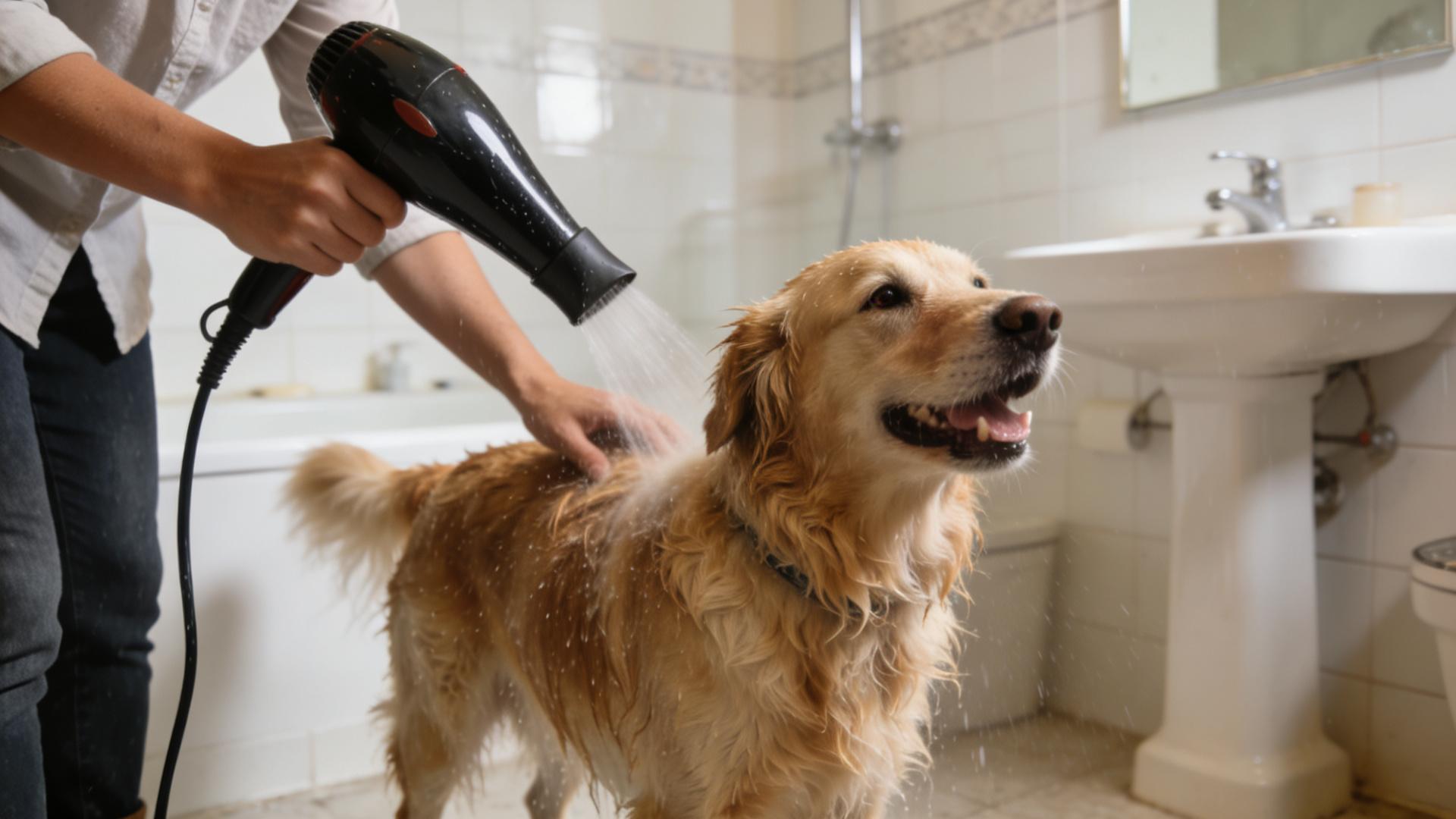
The underlying reason why dogs must be dried after a bath: a breeding ground for eczema and fungal infections.
For many dog owners, bath time is the main event—the suds, the scrubbing, the sometimes comedic struggle. The job feels done once the last rinse is complete. However, this mindset overlooks the most critical step in the entire grooming process: thorough drying. Incomplete drying is not merely an oversight that leaves your dog damp and uncomfortable; it is an active risk factor that creates a perfect, humid breeding ground for serious and painful skin conditions. Understanding the science behind this process is the cornerstone of proactive, preventative canine care. This article delves deep into why skipping this step is one of the most common and detrimental dog bathing mistakes, and how a proper routine is your best defense.