
You May Have Missed
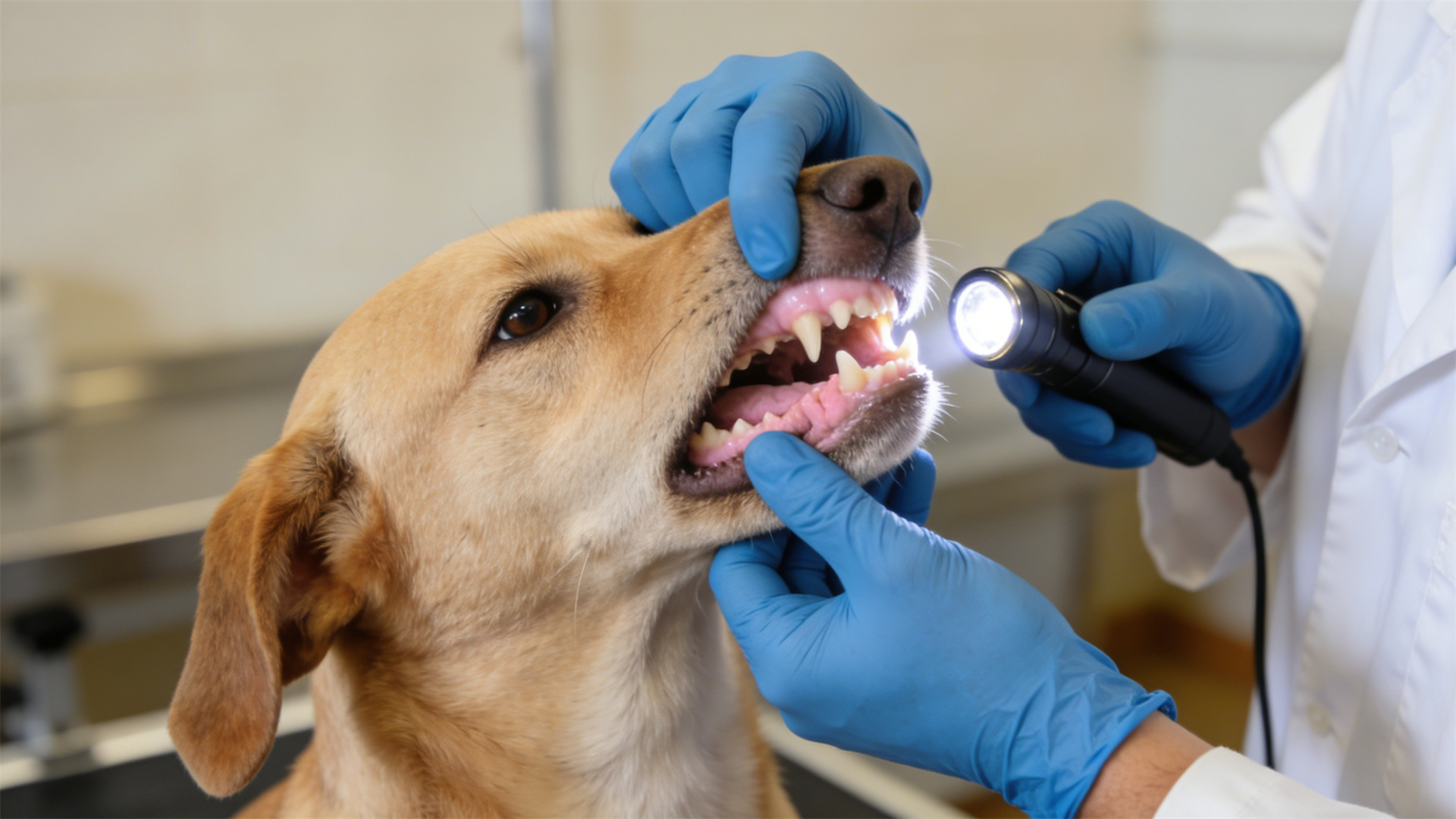
A Must-Read Nutritional Balance Formula for Homemade Dog Food: Avoiding Common Misconceptions Leading to Anemia
As a loving dog owner, you've likely considered homemade meals to provide the best for your furry companion. But did you know that well-intentioned kitchen efforts are a leading cause of nutritional deficiencies like anemia in dogs? A startling number of pets on homemade diets suffer from preventable health issues due to imbalanced nutrition. This article serves as your comprehensive guide, offering a reliable nutritional balance formula and dismantling the dangerous misconceptions that put your dog's health at risk. Let's ensure your culinary love translates into genuine, lifelong vitality for your pet.

Do dogs suffer from PTSD? Understanding the psychological rebuilding process after abuse or homelessness.
For anyone who has welcomed a rescue dog into their home, witnessed a formerly confident pup become fearful after an accident, or simply looked into the eyes of a dog with a mysterious past, a poignant question often arises: Can dogs experience something akin to our human Post-Traumatic Stress Disorder? The answer, resoundingly supported by veterinary behaviorists and modern science, is yes. Canine PTSD is a very real, diagnosable, and treatable condition. Dogs who have endured profound trauma—be it abuse, neglect, a violent attack, a natural disaster, or the relentless stress of homelessness—can bear lasting psychological wounds. Understanding this reality is not an exercise in anthropomorphism; it is the crucial first step toward providing the compassionate, informed care these resilient animals need. This comprehensive guide will delve into the signs of canine PTSD, explore the roots of trauma, and most importantly, map out the patient, nuanced journey of psychological rebuilding. $image$
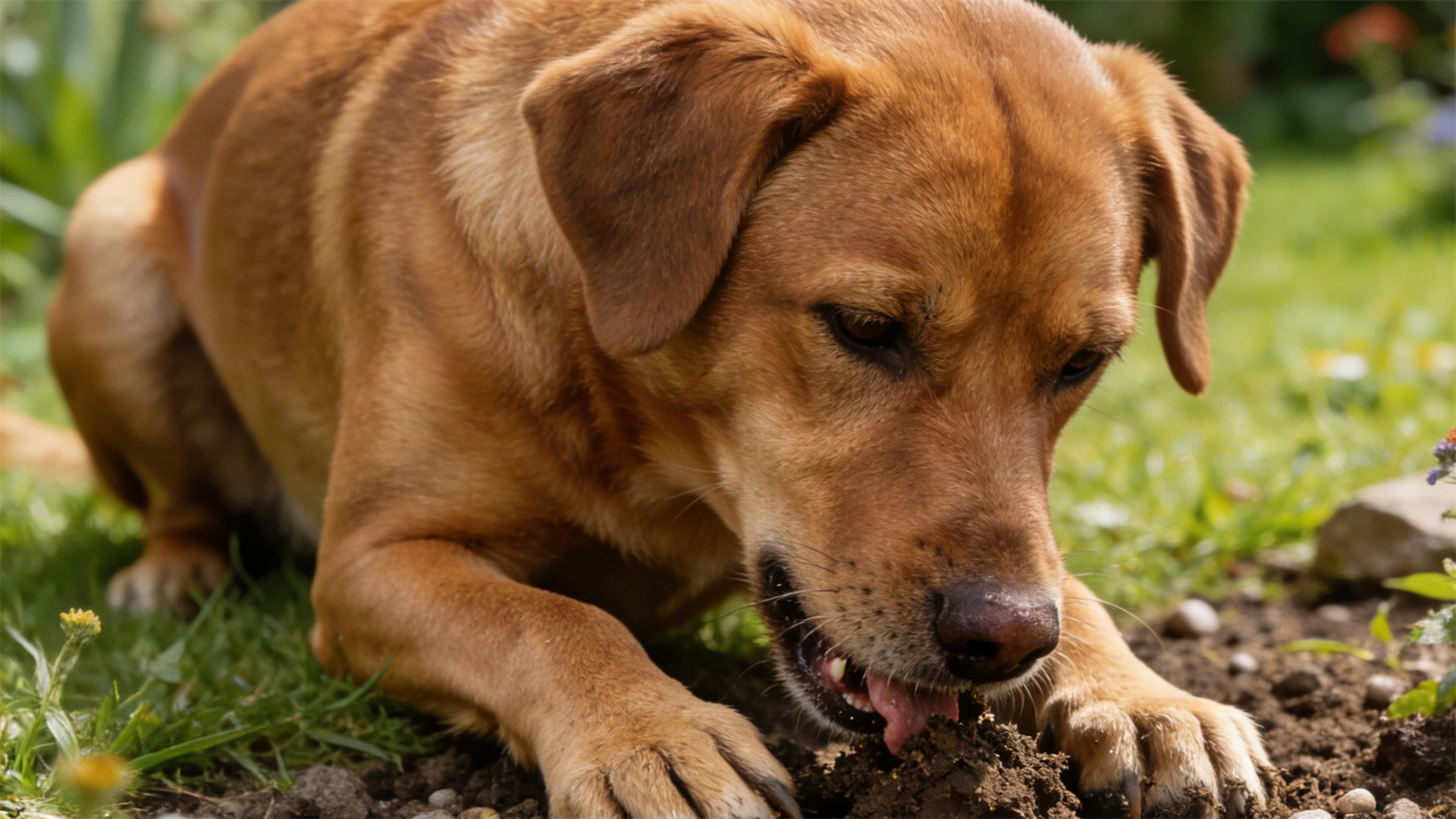
Micronutrient deficiencies in dogs: The underlying logic behind brittle nails, soil-eating, and pica.
You notice your dog’s nails seem to split or flake easily during a trim. Later, you catch them intently munching on dirt in the garden. Perhaps they’ve even graduated to chewing on rocks, socks, or drywall. As a concerned dog owner, you might write these off as odd behaviors or minor quirks. But what if these seemingly unrelated issues were connected? What if they were your dog’s way of sending a nutritional distress signal? The common thread often lies in micronutrient deficiencies in dogs—a subtle but significant imbalance that impacts health from the inside out.
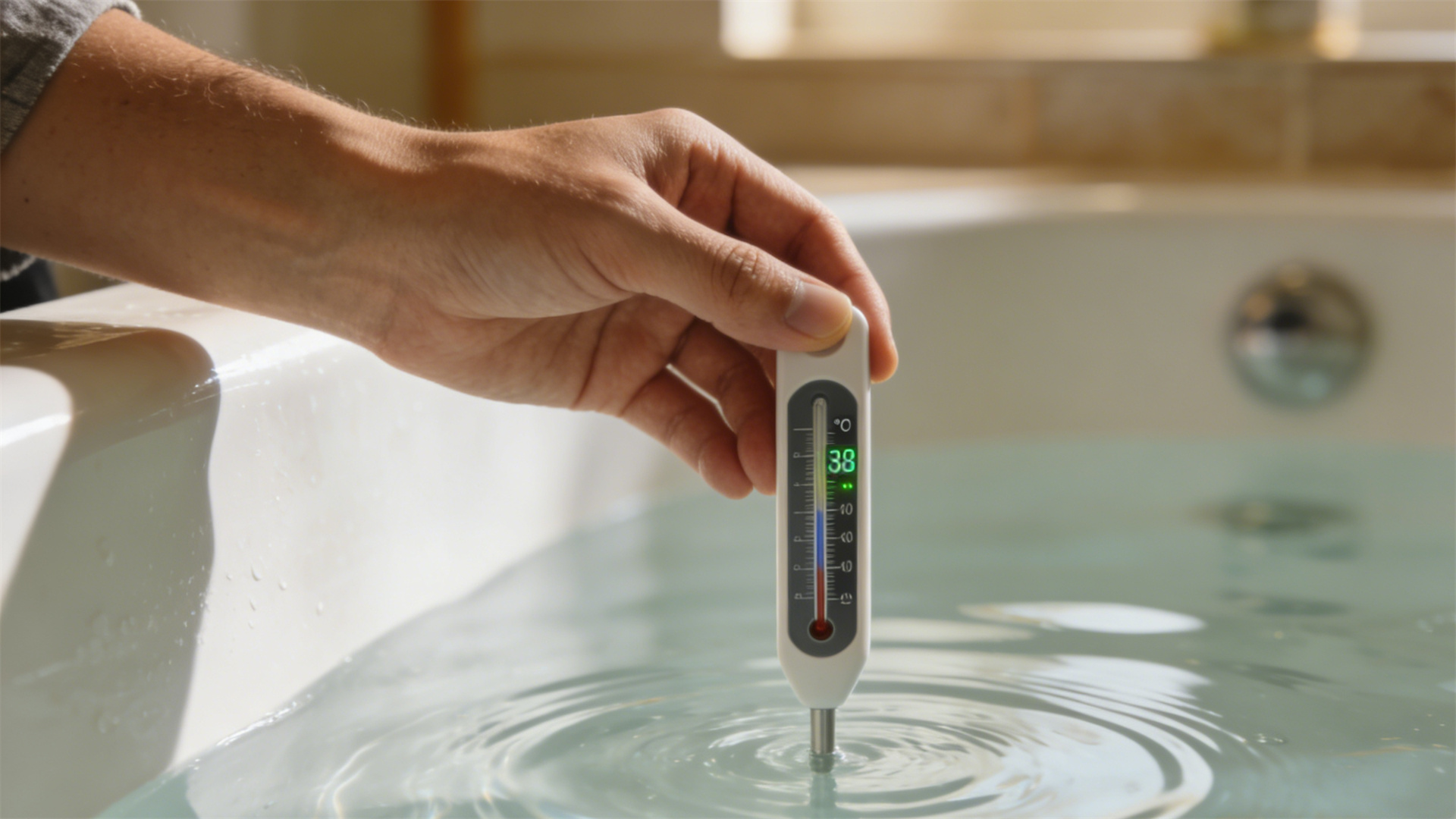
The perfect temperature for dog bath water: scientific advice for protecting the skin's natural oil layer.
For many dog owners, bath time is a routine chore—a necessary step in the journey of pet parenthood. We lather, we rinse, we dry, hoping for a cleaner, fresher-smelling companion. Yet, nestled within this simple ritual is a critical variable that often goes overlooked: the temperature of the water. Far from being a minor detail, the water temperature you choose is a pivotal factor in your dog’s dermatological health. Using water that is too hot can be as damaging as neglecting the bath altogether, stripping away the very foundation of healthy skin. This guide delves into the scientific rationale behind the perfect bath water temperature, offering actionable advice to transform bath time from a potential hazard into a cornerstone of proactive canine wellness.
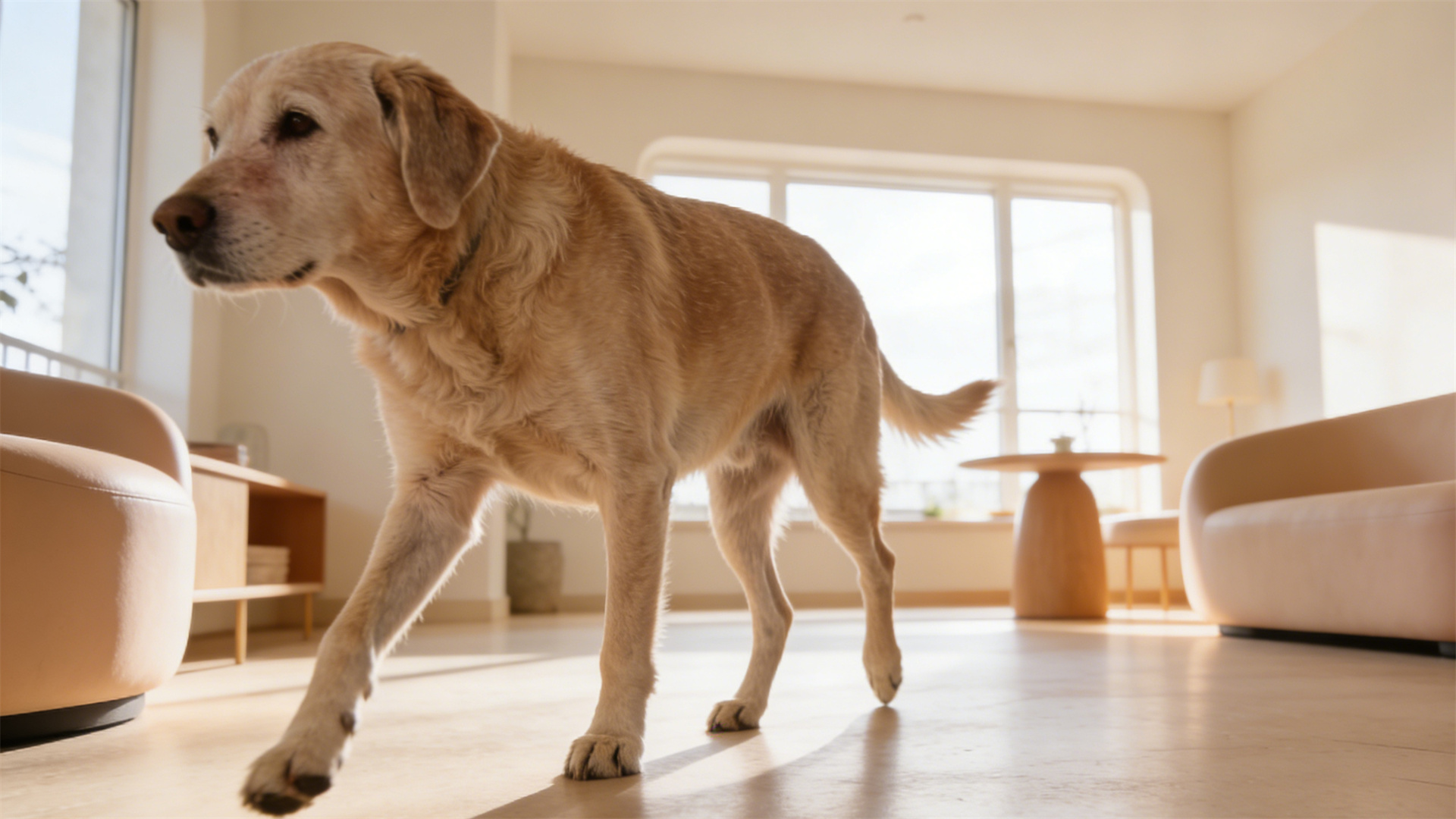
Senior dog care: How to adjust home furnishings according to declining vision
Watching your faithful companion age is a journey filled with deep love and, sometimes, quiet concern. Noticing the first signs of vision decline—a hesitant step in dim light, a slight bump into a chair that’s always been there—can pull at your heartstrings. You want to help, to ensure their golden years are safe and comfortable. The wonderful news is that with some thoughtful, simple adjustments to your home, you can dramatically reduce your senior dog’s anxiety and risk of injury, transforming your shared space into a sanctuary of confidence. This guide will walk you through creating a vision-friendly home, an act of profound love that supports their independence and deepens your bond.
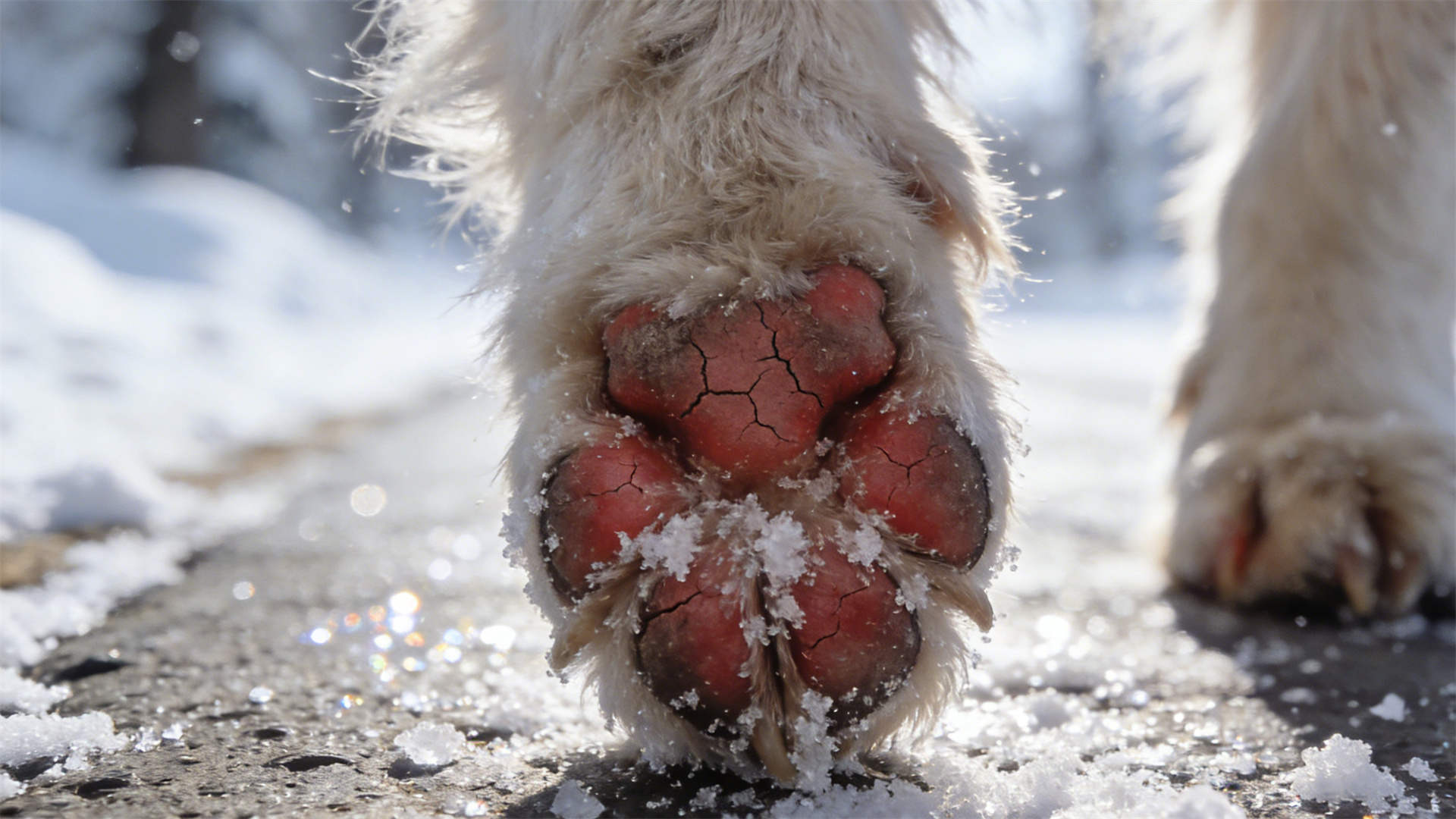
Dog paw pad care: Choosing professional ointments to prevent cracking in winter and burns in summer.
Your dog's paws are engineering marvels—compact shock absorbers, traction devices, and temperature insulators all in one. These resilient pads allow your adventurous companion to traverse countless terrains. Yet, despite their toughness, they are surprisingly vulnerable to the extreme elements of each season. Just as we protect our own feet, proactive care for your dog's paws is non-negotiable. Beyond booties, a cornerstone of this care is the use of professional ointments. This comprehensive guide will delve into why these specialized products are essential and how to select the perfect formula to keep those paws healthy and happy all year round. 🐾