
You May Have Missed

The perfect temperature for dog bath water: scientific advice for protecting the skin's natural oil layer.
For many dog owners, bath time is a routine chore—a necessary step in the journey of pet parenthood. We lather, we rinse, we dry, hoping for a cleaner, fresher-smelling companion. Yet, nestled within this simple ritual is a critical variable that often goes overlooked: the temperature of the water. Far from being a minor detail, the water temperature you choose is a pivotal factor in your dog’s dermatological health. Using water that is too hot can be as damaging as neglecting the bath altogether, stripping away the very foundation of healthy skin. This guide delves into the scientific rationale behind the perfect bath water temperature, offering actionable advice to transform bath time from a potential hazard into a cornerstone of proactive canine wellness.
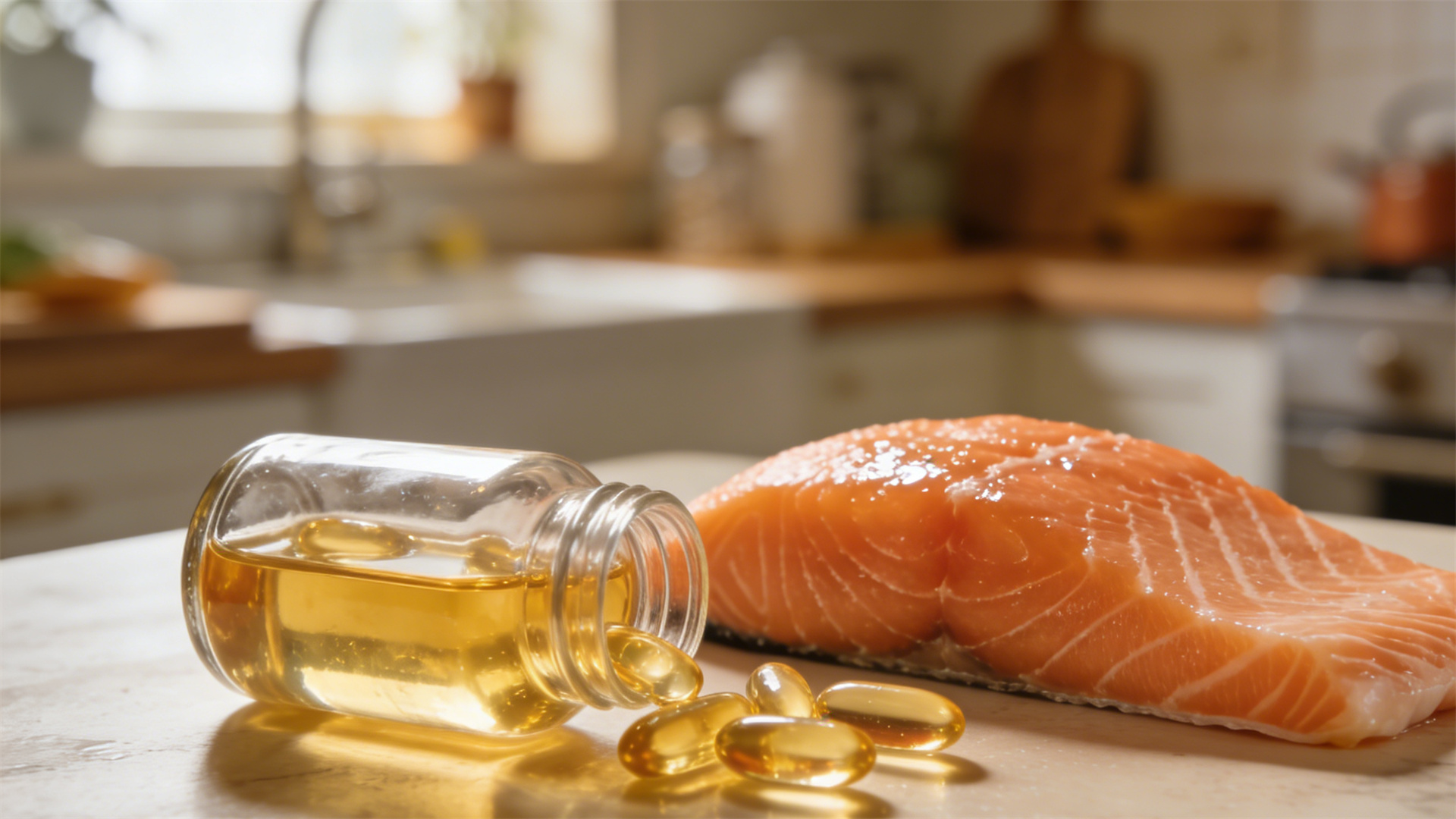
Omega-3 Deep Choice: Fish Oil, Krill Oil, or Algae Oil?
As a devoted dog owner, you want to provide the very best for your furry family member. When it comes to nutritional supplements, Omega-3 fatty acids consistently top the list of veterinarian-recommended additions. These essential fats, specifically EPA (eicosapentaenoic acid) and DHA (docosahexaenoic acid), are powerhouse nutrients that support nearly every system in your dog's body. From nurturing a glossy coat and calming itchy skin to promoting healthy joint mobility and supporting cognitive function, the benefits are profound and well-documented. But walk down the supplement aisle or browse online, and you're faced with a choice: Fish Oil, Krill Oil, or Algae Oil? This isn't just a matter of preference; the source can impact efficacy, sustainability, and suitability for your dog's specific needs. Let's dive deep into the science and practicalities to help you make the most informed Omega-3 for dogs decision.
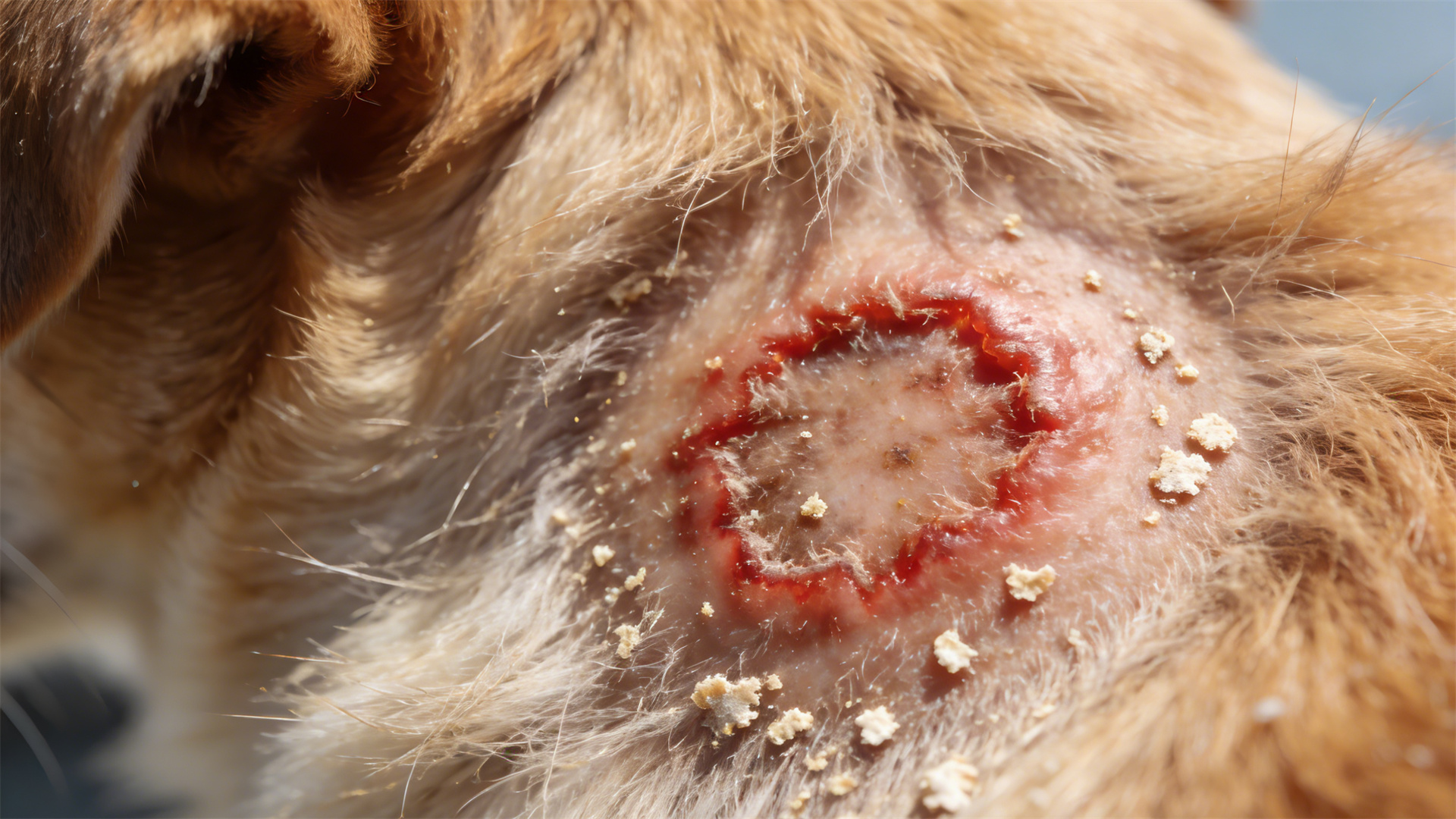
The "detective" approach to canine skin diseases: differentiating between fungal, bacterial, and allergic dermatitis.
As a seasoned content creator and SEO expert in canine care, I know that understanding your dog's skin issues is like solving a complex mystery. 🕵️♂️ Your dog can't tell you what's wrong, and the symptoms—itching, redness, hair loss—often look frustratingly similar. But just like a skilled detective, you can learn to gather clues, examine evidence, and narrow down the suspects. This comprehensive guide will empower you to become a "skin detective" for your furry friend, learning to differentiate between the three most common culprits: fungal, bacterial, and allergic dermatitis. Remember, while this information is an invaluable tool for observation and communication, always consult your veterinarian for a definitive diagnosis and treatment plan. Your vet is the forensic lab and the chief inspector rolled into one.

2026 Canine Nutrition Standards: The Golden Ratio of Protein, Fat, and Carbohydrates
Canine nutrition is undergoing a revolution. Gone are the days of one-size-fits-all kibble. As research accelerates, we're moving from simply feeding dogs to precision-nourishing them. The question for discerning dog owners and forward-thinking professionals is no longer just "what to feed," but what precise nutritional architecture will optimize health, longevity, and vitality in the years to come. Enter the forward-looking 2026 canine nutrition standards, centered on a refined, dynamic macronutrient balance known as the Golden Ratio. This isn't a fleeting trend; it's the scientific culmination of decades of research, pointing toward a future of personalized canine wellness.

Cognitive impairment in older dogs (CCD): How to differentiate between aging and dementia
You've noticed it. The subtle shifts. Your once-energetic companion now spends more time napping. They might hesitate at the top of the stairs or seem momentarily confused in the backyard. As a devoted dog owner, you chalk it up to "just getting old." But a nagging thought persists: Is this normal aging, or is it something more? This article is your guide. We will explore the nuanced difference between the natural slowing down of senior years and Canine Cognitive Dysfunction (CCD), a form of dog dementia. By understanding the signs, you can become your dog's best advocate and ensure their golden years are as comfortable and joyful as possible.

Peritonitis and Sepsis: First Aid and Post-Ingestion Health Management for Dogs
In the world of canine emergencies, few situations are as stealthy and devastating as peritonitis and its deadly progression to sepsis. These conditions represent a cascade of internal catastrophe where every minute counts. Peritonitis is a severe, often painful inflammation of the abdominal lining, typically caused by a rupture or infection. Sepsis is the body's overwhelming and life-threatening response to that infection, which can spiral into septic shock, organ failure, and death with terrifying speed. This guide is your crucial resource. Its purpose is to arm you, the devoted dog owner, with the knowledge to recognize the early warning signs, administer stabilizing first aid, and navigate the critical path of post-veterinary care to give your beloved companion the best chance at survival.