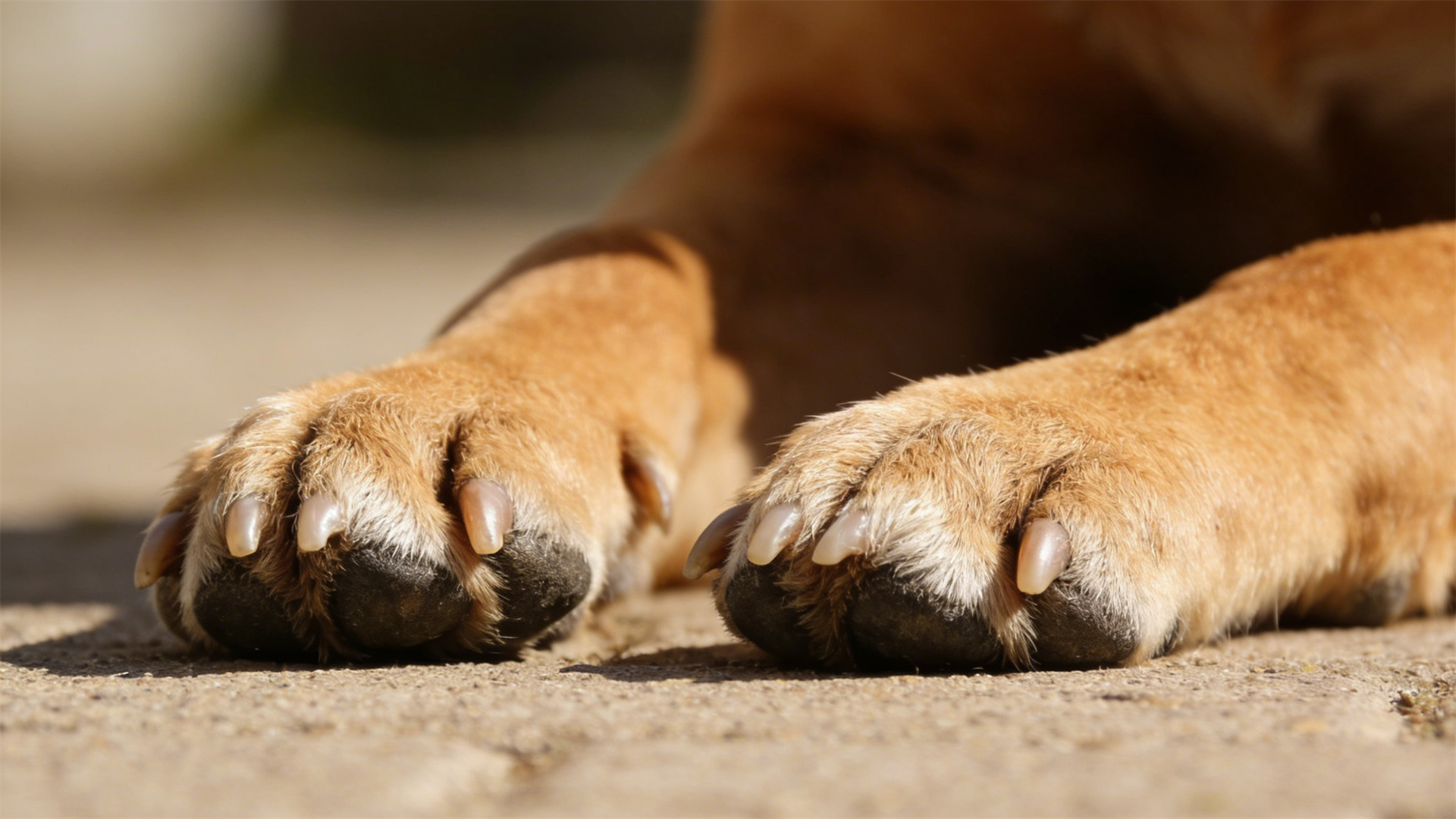
If there's one grooming task that universally gives dog owners a pang of anxiety, it's nail trimming. The fear of hitting the quick, the struggle with a wiggly pet, and the sheer uncertainty can turn a simple health maintenance routine into a dreaded event. Yet, keeping your dog's nails at a proper length is not just Grooming; it's crucial for their posture, joint health, and overall comfort. The good news is, you have more than one option to accomplish this vital care. This comprehensive dog nail trimming tool review will objectively pit the time-tested traditional clippers against the modern electric nail file. Our goal is to arm you with all the knowledge you need to choose the best method for your unique canine companion, making the process safer, less stressful, and more effective for everyone involved.
🛠️ The Classic Approach: Understanding Traditional Nail Clippers
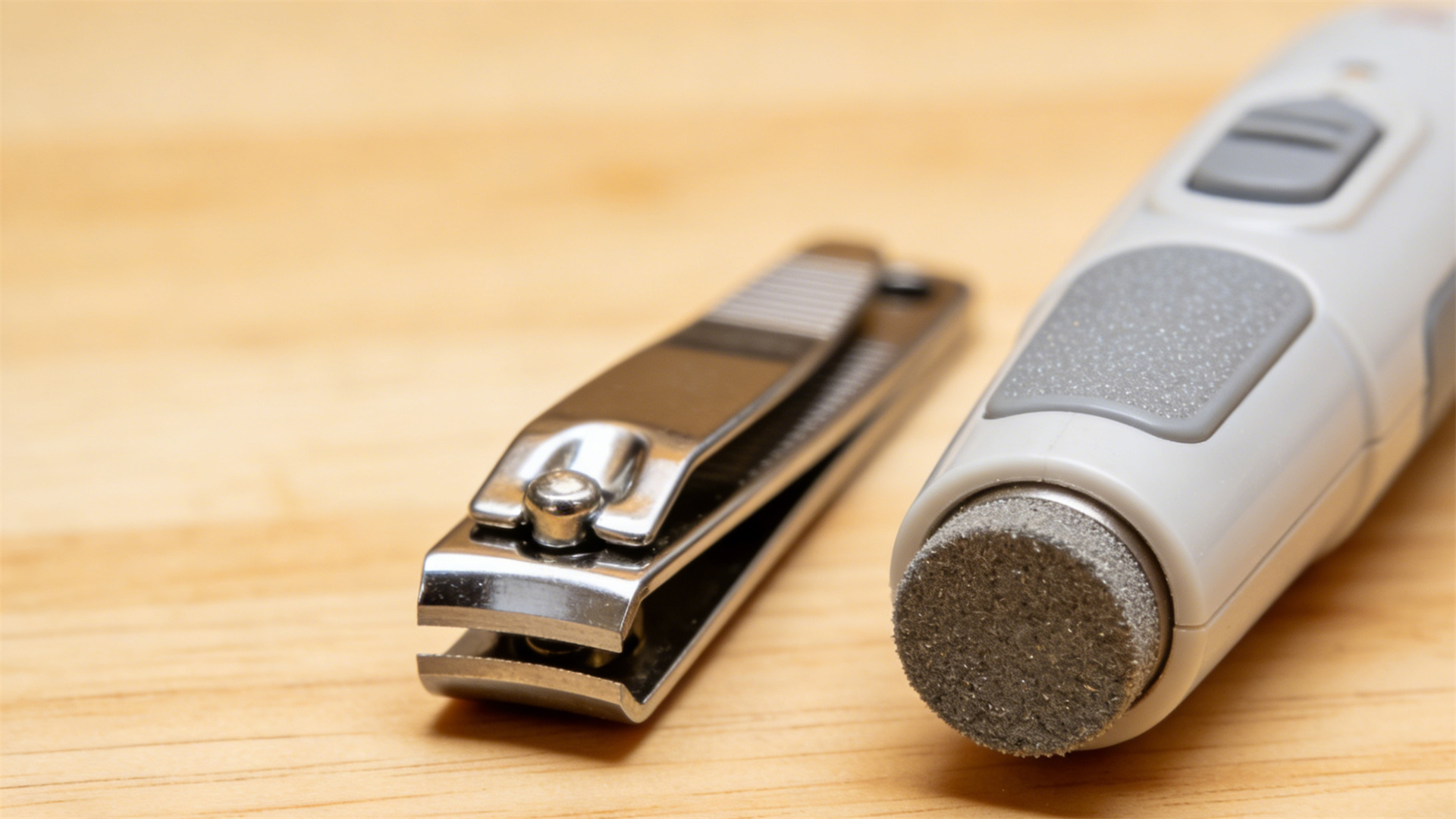
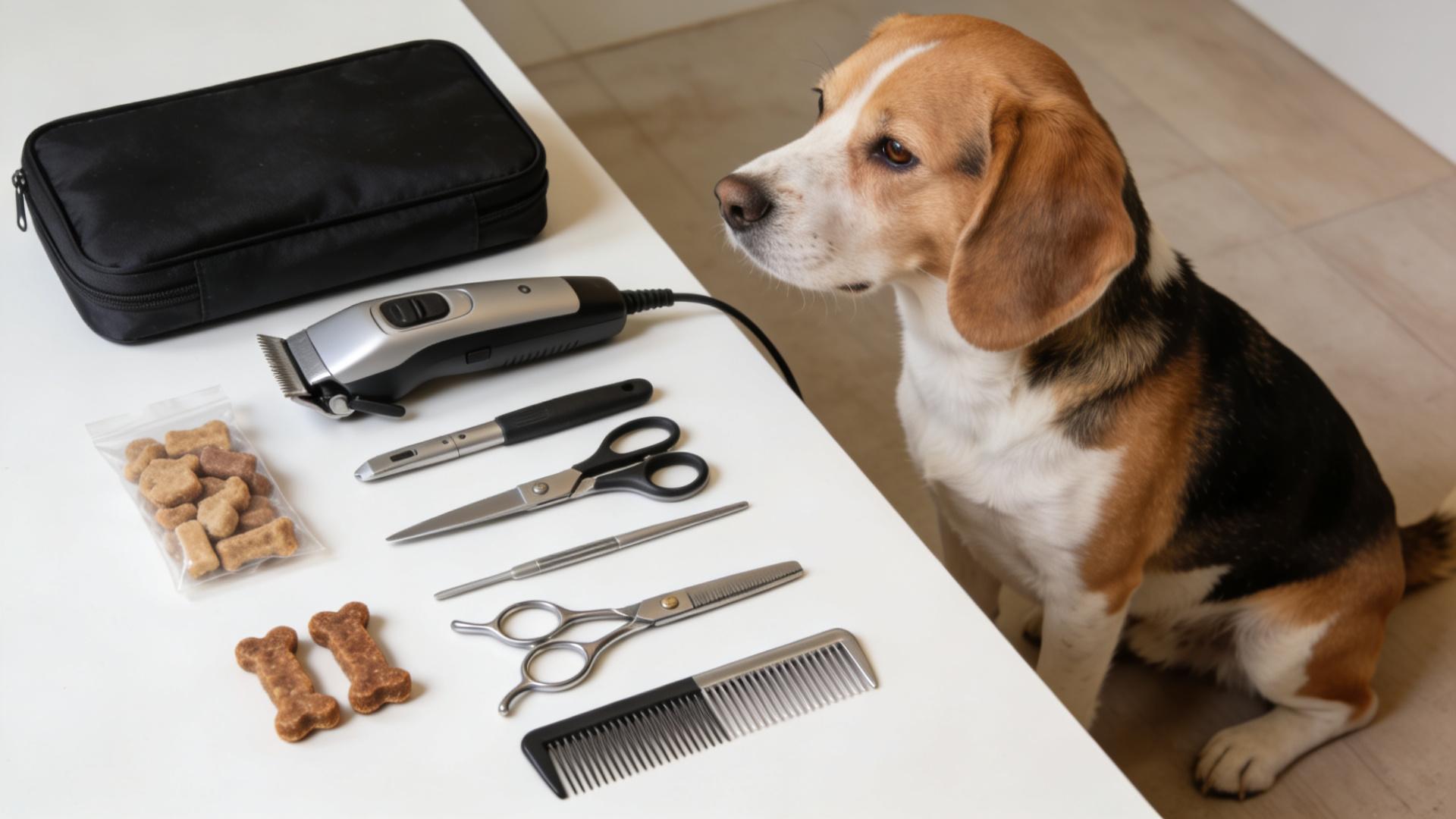
When you picture how to trim dog nails, the image that likely comes to mind is a pair of clippers. This is the quintessential tool found in most pet first-aid kits. Traditional dog nail clippers operate on a simple cutting principle, much like scissors or pruning shears, and come in two primary designs.
The Two Main Types of Clippers
The guillotine style clipper features a stationary ring where you insert the nail and a sliding, replaceable blade that slices through the nail when you squeeze the handles. The scissor style clipper, on the other hand, works exactly like a pair of scissors or pliers, with two opposing blades that meet to cut. Both require a firm, decisive squeeze to make a clean cut.
Proper Technique and Quick Avoidance
The key to success with clippers is knowledge and confidence. You must be able to identify the quick—the pink, blood vessel-filled core inside the nail. In dogs with light-colored nails, it's visible. For black nails, you must trim small amounts, looking for a whitish or grayish oval in the center of the newly cut nail; seeing this pulp means you are approaching the quick. Always err on the side of cutting less. A good practice is to make several small cuts at a 45-degree angle from underneath, rather than one large chop.
The Pros and Cons of Traditional Clippers
Let's examine the advantages and disadvantages. The pros are significant: traditional clippers are inexpensive and have a low initial cost. They are quick for a single nail if you are skilled. They operate in complete silence, which is a major plus for noise-sensitive dogs. They are also simple, with no moving parts or need for charging. However, the cons must be considered: there is a higher risk of quicking the dog if you misjudge or the dog moves suddenly. The cutting action can sometimes cause pinching or splintering, especially on thicker nails. For many owners, the "crunch" sensation and the potential for error create significant psychological pressure.
⚡ The Modern Method: Understanding Electric Nail Files
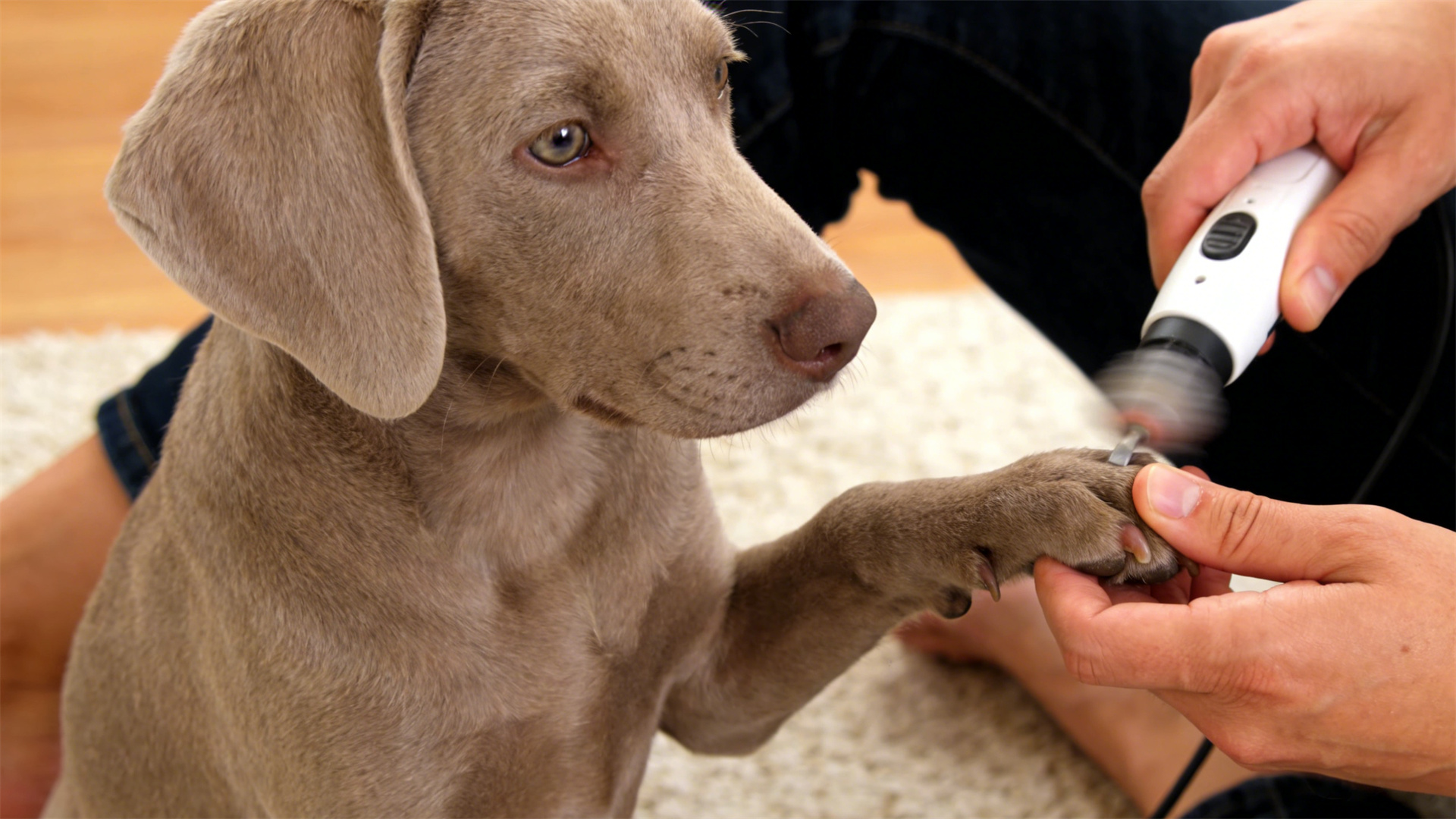
Enter the technological solution: the electric nail file, commonly marketed as a dog nail grinder. This tool represents a gradual filing approach rather than an instantaneous cut. It typically consists of a motorized handpiece that rotates an abrasive filing head, often covered with a sandpaper-like sleeve.
Mechanism of Action: Grinding vs. Clipping
Instead of cutting, the grinder wears the nail down through friction. The high-speed rotation of the grit head safely files away the keratin of the nail, shortening it incrementally. This method allows for incredibly precise shaping and smoothing, leaving a rounded edge that is less likely to scratch.
Proper Technique for Stress-Free Grinding
The technique for an electric dog nail grinder is about patience and touch. You should gently touch the spinning head to the nail for just 1-2 seconds at a time, checking for heat buildup and progress. It's best to hold the tool so the grinder rotates from the bottom of the nail upward, not side-to-side against the nail. The process creates dust, so doing it outdoors or over a towel is advised. The gradual nature allows you to spot the quick's inner material (a chalky center) well before you reach the sensitive blood vessels, dramatically reducing the chance of causing pain or bleeding.
The Pros and Cons of Electric Nail Files
The benefits of this modern tool are compelling: it offers a much lower risk of quicking due to its incremental action. It creates a smooth, rounded finish that dogs and owners love. It provides superior precision and control for shaping. However, the challenges include: the noise and vibration can frighten some dogs, requiring careful desensitization (though many quiet electric nail file models now exist). The process is generally slower than a quick clip. The tools have a higher upfront cost and require power (battery or cord) and occasional replacement of the filing heads.
⚖️ Choosing Your Tool: A Direct Comparison
To make an informed decision, let's place these two professional dog nail trimming tools side-by-side across several critical categories. This dog nail trimming tool buyer's guide comparison will highlight the inherent trade-offs.
Cost and Investment
Traditional Clippers: The clear winner for budget-conscious owners. A quality pair can be purchased for a very modest sum. Electric Nail File: Requires a higher initial investment, though prices vary widely based on features like cordless operation and noise level.
Learning Curve and Ease of Use
Traditional Clippers: The technique is simple to understand but requires confidence and a steady hand to execute safely. The consequences of a mistake are immediate. Electric Nail File: The operational learning curve is low, but the process of desensitizing a dog to the sound and sensation can take time. The technique itself is forgiving.
Speed of Trimming vs. Precision
Traditional Clippers: Potentially very fast for a cooperative dog with clear nails. It is a one-and-done action per nail. Electric Nail File: Inherently slower, as it works by gradual abrasion. The trade-off is unparalleled precision and the ability to shape and smooth perfectly.
Sensory Factors: Noise, Vibration, and Sensation
Traditional Clippers: Silent in operation. The sensation is a quick "crunch" or pressure, which some dogs dislike. Electric Nail File: Generates noise and vibration. The sensation is a continuous filing vibration, which some dogs tolerate better than the pinch of clippers, but others find alarming.
Risk Management and Safety
Traditional Clippers: Higher perceived and actual risk of cutting the quick, leading to pain and bleeding. Electric Nail File: Significantly lower risk of quicking. The primary risks are overheating the nail from grinding too long in one spot or catching fur in the grinder head.
Best For Dog and Owner Profiles
Traditional Clippers are often best for: dogs who are already calm for nail trims, owners with a steady hand and good confidence, puppies being trained, and very large dogs with extremely thick nails where a grinder might be too slow. Electric Nail Files are often best for: anxious or noise-tolerant dogs (with proper training), dogs with black nails where the quick is hidden, owners who are nervous about quicking, and dogs who need their nails shaped rather than just shortened.
🎯 Finding the Right Fit for You and Your Dog
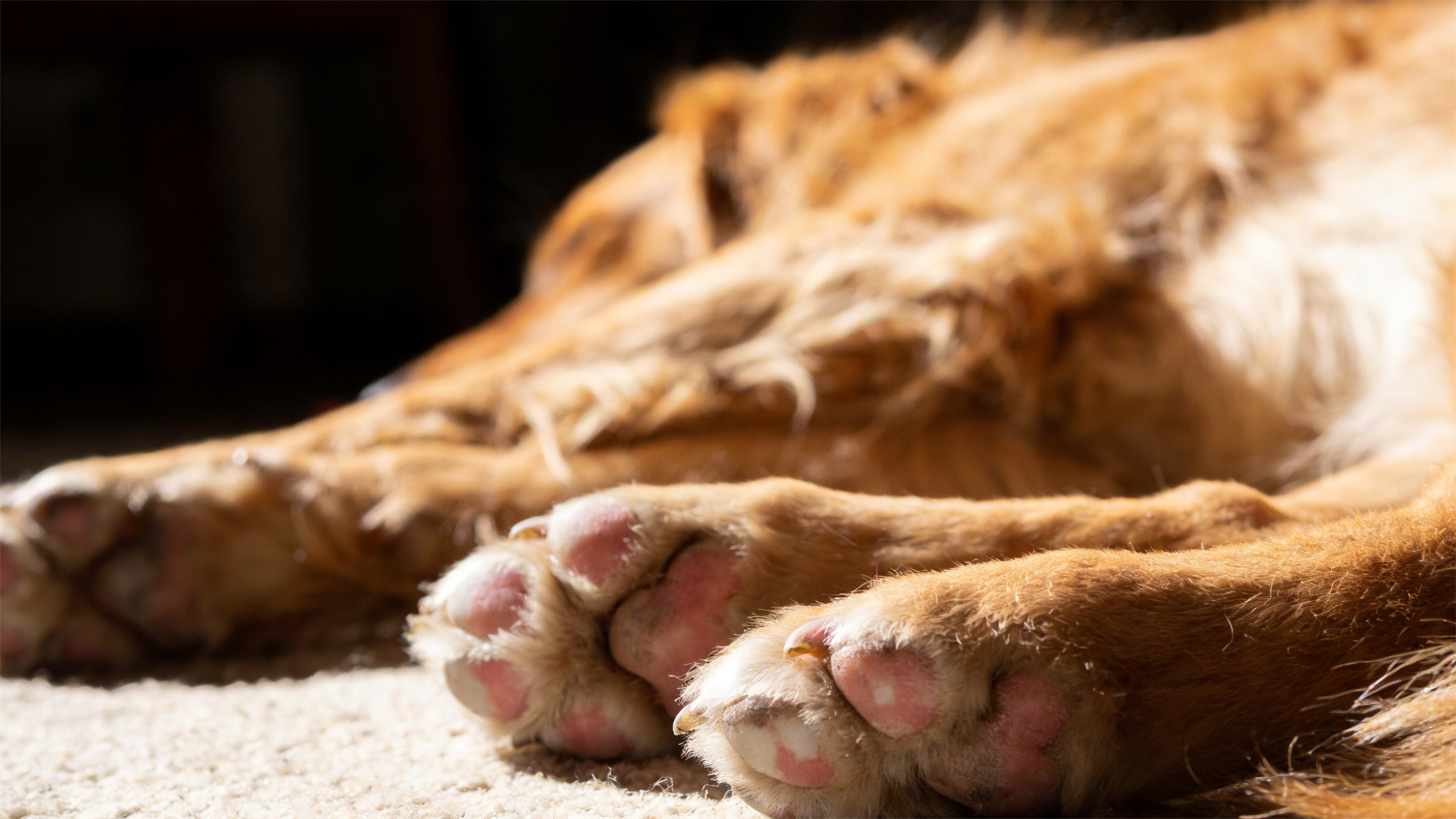
This isn't about declaring one tool the universal winner. The best dog nail clippers or the best electric grinder is the one that you will use consistently and safely. Ask yourself these guided questions to find your perfect match.
Questions About Your Dog
What is your dog's temperament? Is he skittish, calm, or stubborn? What color are his nails? Is he sensitive to sounds or vibrations? How thick and hard are his nails?
Questions About You, The Owner
What is your confidence level? Are you more anxious about making a mistake or about managing a new device? What is your budget for a grooming tool? How important is speed versus absolute safety and a perfect finish to you?
Final Nuanced Recommendations
Choose Traditional Clippers if: your dog is perfectly calm for nail care, you are on a tight budget, you need to trim thick nails quickly, or you prefer a simple, no-fuss tool. Consider starting with a scissor-style for more control.
Choose an Electric Nail File if: your dog has dark nails, you are a nervous first-time owner, your dog tolerates vibration better than sudden pressure, or you desire a beautifully smoothed nail. Look for a model marketed as low-vibration and quiet.
The Hybrid Approach is a powerful strategy used by many professional groomers and savvy owners. Use clippers to quickly take off the major length of the nail, staying well clear of the quick. Then, use the electric file to smooth the rough edges, round the tip, and shorten the nail further with precision and safety. This combines the speed of clippers with the safety and finish of the grinder.
✅ Conclusion: Consistency is Key
In the debate of dog nail grinding vs clipping which is better, the answer is personal. Traditional clippers offer silent, fast, and inexpensive cuts but demand more skill and carry a higher risk of error. Electric files provide a safer, more precise, and smoother result but require an investment of time and money to overcome sensory hurdles. The core trade-off is often between speed and control, between initial cost and long-term ease.
Ultimately, the single most important factor in dog nail maintenance is regularity. Whether you choose the classic snip or the modern grind, committing to a frequent schedule prevents the quick from growing long and makes every session shorter and easier. Don't let perfection be the enemy of good. Choose the tool that gives you the confidence to maintain your dog's paw health consistently. Your dog's comfortable gait and healthy joints will thank you for it.