Not all dog breeds are created equal when it comes to health. Some breeds are naturally prone to fewer genetic disorders, longer lifespans, and overall vitality. Below are 15 of the healthiest dog breeds known for their robust constitutions, minimal hereditary issues, and active longevity. Choose one of these, and you may spend less time at the vet and more time enjoying life together.

🐕 1. Australian Cattle Dog
Bred for endurance in harsh outback conditions, the Australian Cattle Dog is exceptionally hardy. They have few genetic health problems, with many living 12–16 years or more. Regular exercise keeps this breed in peak condition.

🐕 2. Border Collie
Considered the world’s smartest dog, Border Collies are also remarkably healthy. They are not prone to many inherited diseases, though responsible breeders screen for hip dysplasia and eye conditions. Their average lifespan is 12–15 years, often remaining active well into old age.
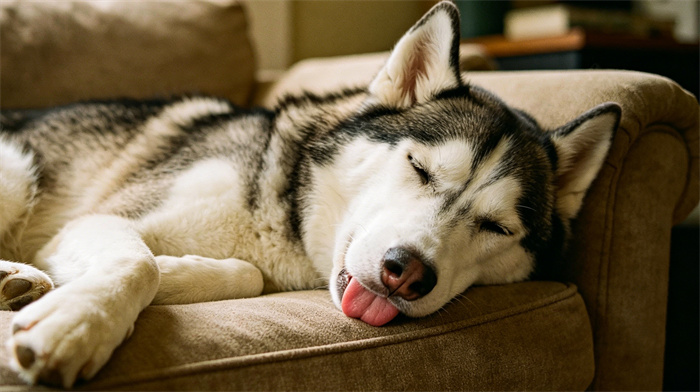
🐕 3. Siberian Husky
Huskies are a primitive breed with a low incidence of genetic disorders. They have been naturally selected for survival in extreme cold. Common issues like hip dysplasia are rare compared to other medium‑large breeds. Many Huskies live 12–14 years with excellent health.
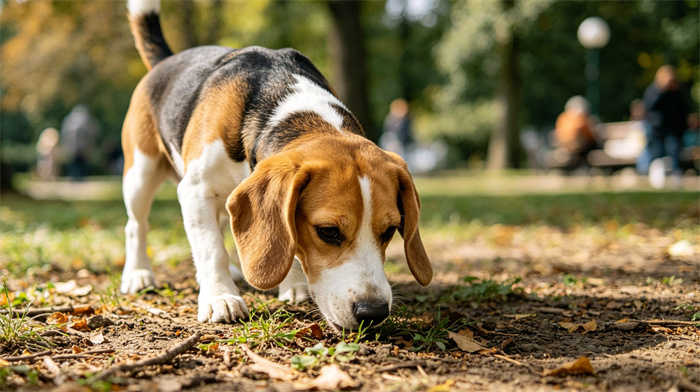
🐕 4. Beagle
Beagles are sturdy, medium‑sized hounds with very few breed‑specific illnesses. They have a strong immune system and generally avoid the joint problems common in larger dogs. Their average lifespan is 12–15 years, and many remain playful into their teens.

🐕 5. Australian Shepherd
Active and versatile, Australian Shepherds are generally a healthy breed. They do have some risk of hip dysplasia and certain eye disorders, but responsible breeding has minimized these issues. With proper care, Aussies often live 12–15 years of vibrant life.
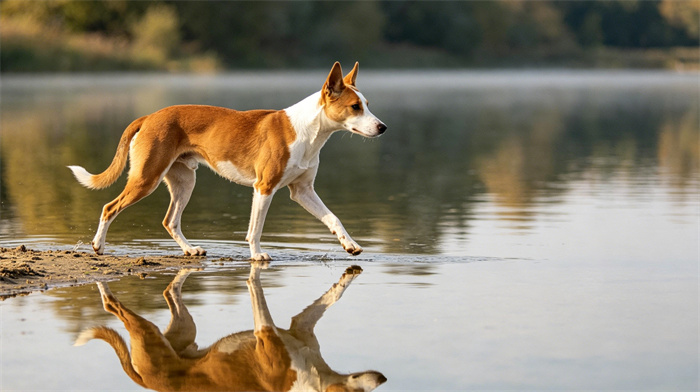
🐕 6. Basenji
The Basenji is one of the oldest and most primitive dog breeds, known for its cat‑like cleanliness and lack of barking. They have very few inherited diseases, though Fanconi syndrome is a known concern in some lines. Their lifespan is typically 12–16 years, and they stay energetic throughout.

🐕 7. Havanese
This cheerful little Cuban breed is surprisingly robust for a toy dog. Havanese have few genetic health problems, with many living 14–16 years. They are not prone to the breathing issues that affect many flat‑faced small breeds.
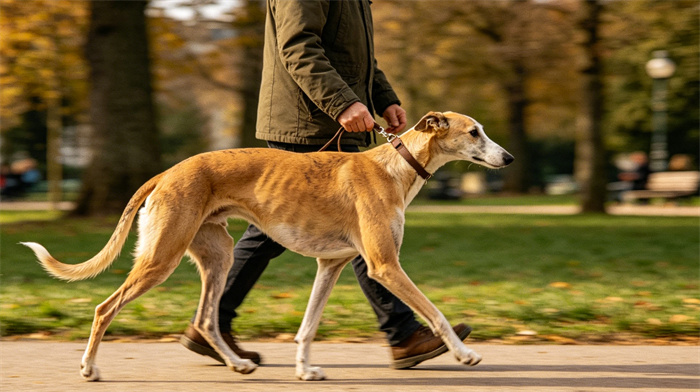
🐕 8. Greyhound
Racing Greyhounds have been carefully bred for physical soundness, making them one of the healthiest large breeds. They have low body fat, strong hearts, and very low rates of hip dysplasia. Retired racers often live 12–14 years with minimal medical issues.

🐕 9. Poodle (all sizes)
Standard, Miniature, and Toy Poodles are known for their longevity and low incidence of inherited diseases when responsibly bred. They do have some risk of Addison’s disease and bloat (in Standards), but overall they are a very healthy line. Poodles commonly live 12–15 years, with Toys often reaching 16+.
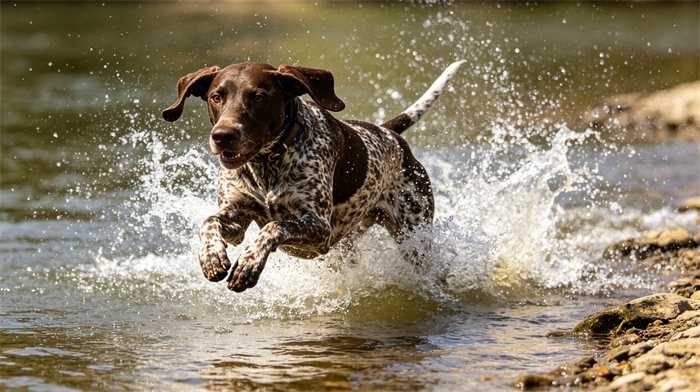
🐕 10. German Shorthaired Pointer
This athletic hunting breed is generally free of major genetic disorders. They are built for stamina and have strong bones and joints. Lifespan is 12–14 years, and they remain active and healthy into old age with proper diet and exercise.
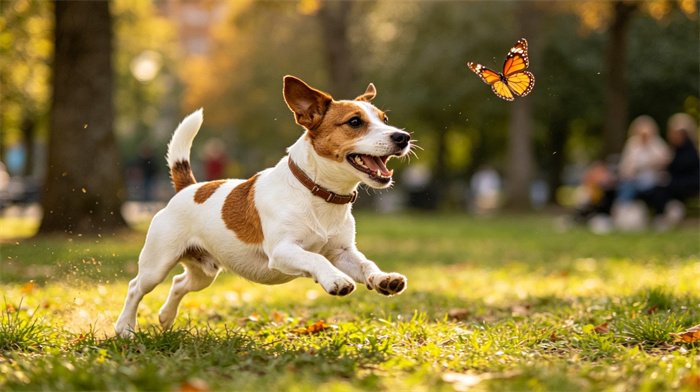
🐕 11. Jack Russell Terrier
Small, muscular, and incredibly durable, Jack Russells are one of the healthiest terrier breeds. They have few hereditary illnesses, though some are prone to lens luxation and patellar luxation. Their average lifespan is 13–16 years, with many living even longer.

🐕 12. Shiba Inu
This ancient Japanese breed is known for its strong constitution and low rate of genetic disease. Shibas are generally free from hip dysplasia and heart problems. They typically live 13–16 years and stay active and alert well into their teens.
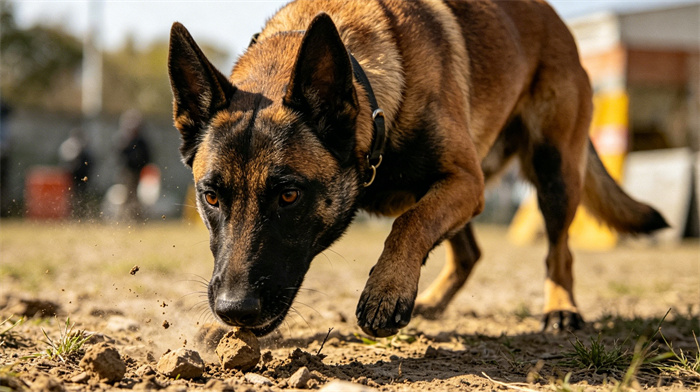
🐕 13. Belgian Malinois
Bred for police and military work, the Malinois is a highly fit, healthy breed when properly maintained. They have fewer inherited issues than German Shepherds, though responsible screening for hip and elbow dysplasia is important. Lifespan is 12–14 years of peak physical condition.

🐕 14. Mixed Breed (Mutts)
While not a single breed, mixed‑breed dogs are often healthier than purebreds due to hybrid vigor. They have a lower risk of inherited disorders because their gene pool is wider. Many mutts live 14–16 years or longer with fewer veterinary visits.

🐕 15. Icelandic Sheepdog
This rare, ancient breed from Iceland has been isolated for centuries, leading to a very low rate of genetic disease. They are hardy, energetic, and rarely suffer from common breed‑specific ailments. Average lifespan is 12–14 years, often with excellent health until the end.

📌 Key Factors for a Healthy Dog
- Even the healthiest breed needs proper care. Genetics only go so far.
- Provide quality nutrition, daily exercise, routine vet check‑ups, and dental care.
- Avoid overbreeding and always adopt from reputable breeders or rescue organizations.
- Remember: mixed breeds often combine the best health traits of multiple lines.
Choosing one of these 15 healthiest dog breeds gives you a head start — but love, attention, and preventive care are what truly unlock a long, happy life. 🐾